
Which Types of Sequin Embroidery Fabric Work Best for Fashion Apparel and Eveningwear?
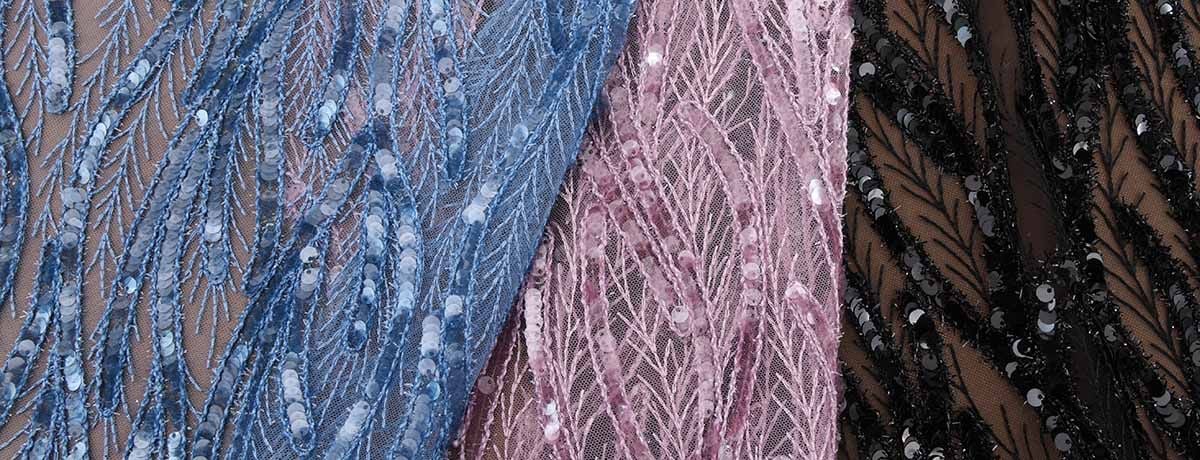
Wholesale Sequin Embroidery for Garment Manufacturers
MH is a B2B sequin embroidery fabric supplier serving fashion brands, garment factories, and fabric wholesalers across global markets. This is not a retail shop or a place to find small DIY packs for home decor projects—MH focuses exclusively on bulk supply for commercial garment production.
When you work with MH, you order full rolls and complete piece lengths designed for industrial cutting and sewing operations. The sequin embroidery fabrics supplied are engineered for evening dresses, party wear, stage costumes, abaya and kaftan production, and fashion garments destined for export markets worldwide.
Key buyer regions include Africa, the Middle East, Latin America, Southeast Asia, and Eastern Europe. Many customers have maintained stable supply relationships with MH since 2010 and longer, returning season after season for consistent quality and reliable delivery. If you love working with suppliers who understand the rhythm of fashion production calendars, MH is built for that kind of long-term cooperation.
What is Sequin Embroidery in Commercial Production?
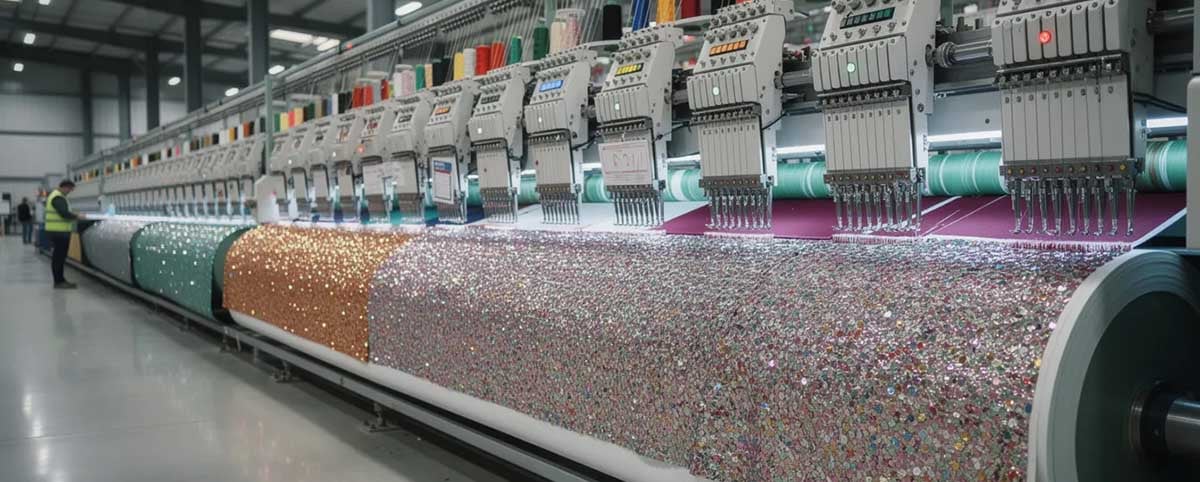
Sequin embroidery in a commercial context refers to machine-based or multi-head embroidery that attaches sequins onto base fabrics—mesh, tulle, chiffon, organza, satin—to create dense decorative patterns suitable for mass garment manufacturing. This is fundamentally different from hand DIY work done at a craft table.
Here’s what sets industrial sequin embroidery apart:
-
Large embroidery fields: Commercial machines work across full fabric widths (130–150 cm), producing continuous yardage rather than small isolated pieces. This makes it easy for garment factories to cut multiple dress panels from a single roll.
-
Consistent repeat patterns: Every meter of fabric matches the next. Pattern consistency matters when you need to cut 500 or 5,000 garments from the same fabric lot without visible variation.
-
Tight quality control: Industrial production includes inline inspection, tension monitoring, and final QC checks to ensure sequins stay secure through cutting, sewing, and consumer use.
-
Sequin device integration: Computerized embroidery machines equipped with sequin devices follow digitized patterns, placing each sequin with millimeter-level precision. This process supports logos, motifs, borders, and all-over designs with perfect repeatability.
-
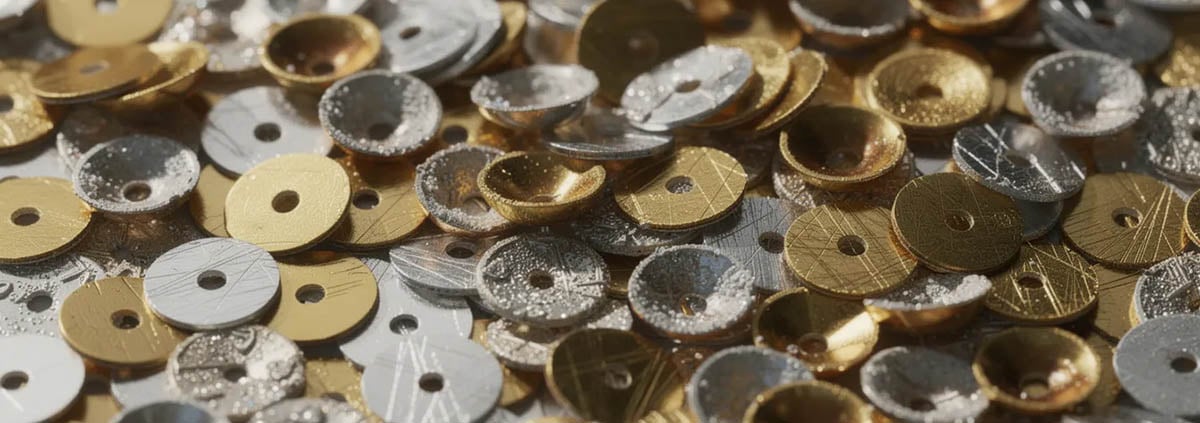
Common sequin specifications: Production typically uses sequin sizes of 3mm, 4mm, 5mm, and 7mm. Shapes include round, cup, flat, hexagon, and star. Finishes range from metallic and holographic to iridescent and matte, depending on the garment’s intended look.
Digitizing & Pattern Consistency
Each design begins as a digitized file where every sequin placement is programmed in a dot format. Machines read these files and place sequins across the full fabric width with consistent spacing—no guesswork, no hand variation.
Pattern repeat sizes typically range from 10–20 cm. Why does this matter? When garment factories create markers for bulk cutting, consistent repeats ensure that every piece cut from the fabric shows the same design alignment. This prevents waste and eliminates the frustrating process of sorting through mismatched panels.
MH maintains archived pattern files and thread/sequin specifications for repeated orders. If you place an order this season and reorder next year, the fabric will match. No shade deviation, no layout drift—just the same product your production team expects.
Base Fabrics & Fabric Width
The base fabric determines how the finished garment drapes, breathes, and performs. MH uses several base fabric options depending on end-use requirements:
-
Soft polyester mesh: Lightweight and breathable, perfect for evening gowns and overlay panels where drape and movement matter.
-
Nylon tulle: Offers structure with transparency, commonly used for formal dresses and bridal overlays.
-
Georgette and chiffon: Flowing and elegant, ideal for party wear and cocktail dresses where a smooth hand-feel is essential.
-
Organza: Provides crispness and body for structured dress designs, popular in formalwear.
-
Satin backings: Add opacity and a luxurious feel for higher-end garment applications.
Standard widths run 130–150 cm (51–59 inches), suitable for most fashion applications. Wider widths are available on request for special projects. Uniform width and stable base fabrics are crucial for automatic spreading and cutting systems—factories can push fabric through their equipment without adjustment or waste.
Design Options and Customization for Brands
MH offers a standard collection that covers the most in-demand styles for seasonal fashion production. This includes floral all-over patterns, geometric layouts, border designs for hems and sleeves, and logo or lettering styles suitable for SS and FW collections.
For brands seeking something unique, MH provides full OEM custom service:
-
Artwork development: Send your tech pack or artwork, and MH develops a digitized sequin embroidery sample matching your Pantone references or physical swatches.
-
Combined techniques: Sequins can be paired with thread embroidery, cording, beads, or applique elements for embellishing higher-value garments.
-
Density control: Adjust sequin density to achieve different price points. Light sparkle works for budget-friendly lines; full coverage creates premium, eye-catching pieces for brands targeting mid-range to luxury positioning.
For example, a 2025 evening collection targeting the European market might feature gold all-over sequin mesh—MH can develop this from concept to bulk production with consistent quality across thousands of meters.
Color and Sequin Effects
MH provides a large shade card covering core metallics—gold, silver, rose gold—plus fashion staples like black, navy, emerald, royal blue, and red. Seasonal fashion colors are added each year to keep pace with runway trends.
Here’s how different markets and applications select sequin effects:
|
Application |
Popular Colors |
Sequin Effects |
|---|---|---|
|
Stage wear |
Silver, neon, electric blue |
Holographic, high-reflection |
|
Bridal |
Champagne, ivory, blush |
Tone-on-tone, subtle shimmer |
|
Middle East & African markets |
Rich jewel tones, gold |
Metallic, iridescent |
|
Latin American party wear |
Black, red, rose gold |
Metallic, holographic |
Combining single-color sequins with contrast thread embroidery creates opportunities for logos, monograms, and brand motifs. This is a popular choice for fashion labels wanting their identity stitched directly into the fabric.
Logo, Motif & Brand Identity Embroidery
Fashion brands and uniform suppliers can send vector logo files, and MH converts these into sequin embroidery programs. This service supports jackets, performance costumes, team outfits, and event apparel where brand visibility matters.
Key considerations for logo embroidery:
-
Consistent size and placement: Every piece matches the approved sample, ensuring uniforms and branded garments look identical across a production run.
-
Trial yardage: Before confirming bulk orders, MH produces trial yardage so your team can verify fit, positioning, and design execution.
-
Scalable production: Once the logo program is approved, it can be applied across thousands of meters without variation.
This sign of professionalism—consistent branding across every garment—is what separates serious manufacturers from those cutting corners.
Applications in Global Fashion and Occasionwear
Bulk sequin embroidery fabrics serve a wide range of garment categories:
-
Evening gowns and cocktail dresses: Full-length gowns with all-over sequin coverage create dramatic red-carpet looks.
-
Prom dresses: Youthful, sparkly designs in trending colors sell well in North American and European markets.
-
Performance costumes: Dancers, singers, and performers need high-impact fabrics that catch stage lighting.
-
Latin dancewear: Form-fitting silhouettes with flexible sequin mesh allow movement while maintaining visual impact.
-
Stage outfits: Television and concert performers require reliable sparkle that reads well on camera.
Regional product focuses include:
-
Middle East: Sequin abaya fabrics, kaftan overlays, and modest eveningwear
-
Africa: Sequin lace for boubou, kaftans, and celebration garments
-
Latin America: Glitter mesh for party wear and carnival costumes
-
Southeast Asia: Bollywood-influenced sequin sarees and lehengas for weddings
Designers and factories select patterns—all-over, border, or panel motifs—based on garment silhouette and price target. A short cocktail dress might use border sequin embroidery along the hemline, while a floor-length gown benefits from all-over coverage.
MH’s consistent quality supports both fast-fashion runs with quick turnarounds and longer-running classic styles that stay in production for multiple seasons.
Stage, Performance & Event Costumes
High-reflection sequins—silver, holographic, neon—are favored for dance teams, singers, and TV stage costumes. Under stage lighting, these sequins create that fun, attention-grabbing sparkle that audiences expect.
Durability requirements for performance costumes include:
-
Strong sequin attachment that withstands repeated movement
-
Flexible base fabrics that don’t restrict dancers or performers
-
Colorfastness to prevent fading under intense stage lights
MH has experience supplying fabrics for competition dance costumes, school performance uniforms, and event companies across multiple regions. Whether you’re outfitting a Latin dance team or producing costumes for a TV talent show, the work is the same: reliable fabric that performs under pressure.
Bridal, Evening and Formalwear
Subtle, tone-on-tone sequin embroidery on tulle and mesh creates elegant bridal overlays, bridesmaid dresses, and reception gowns. The key is controlled sparkle that enhances without overwhelming.
Popular color choices for bridal applications:
-
Champagne and ivory for classic elegance
-
Soft gold for warm, romantic looks
-
Blush and nude tones for modern brides
Delicate floral motifs remain popular in European and North American bridal markets. These patterns require precise needle placement and careful sequin spacing to achieve a refined, premium feel.
For bridal garments worn for hours at a time, soft hand-feel matters. Dense sequin coverage can create stiff, uncomfortable fabric—MH controls sequin density to ensure finished dresses remain comfortable for long wear.
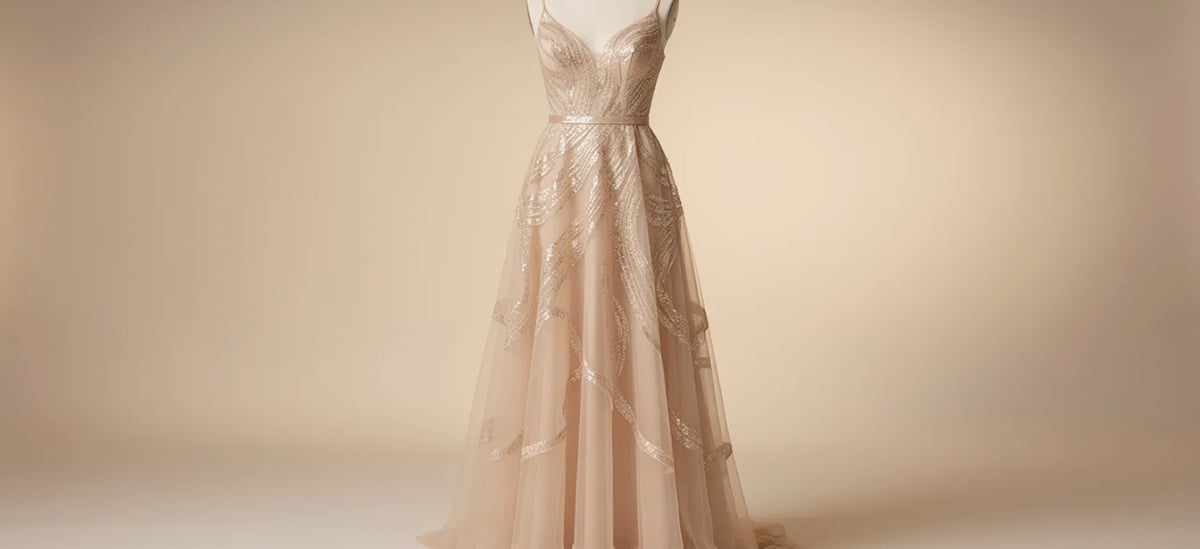
Building a reliable supply chain for sequin embroidery starts with the right wholesale partner. MH is built for exactly this purpose—stable quality, competitive pricing, and the kind of long-term cooperation that makes sourcing one less thing to mind.
Ready to add sequin embroidery fabrics to your cart? Contact MH with your specifications, and acknowledge that your next collection deserves a supplier who can cut through complexity and deliver on time, every time.