
The Ultimate Guide to Sherpa Fabric: Feel the Luxury and Warmth
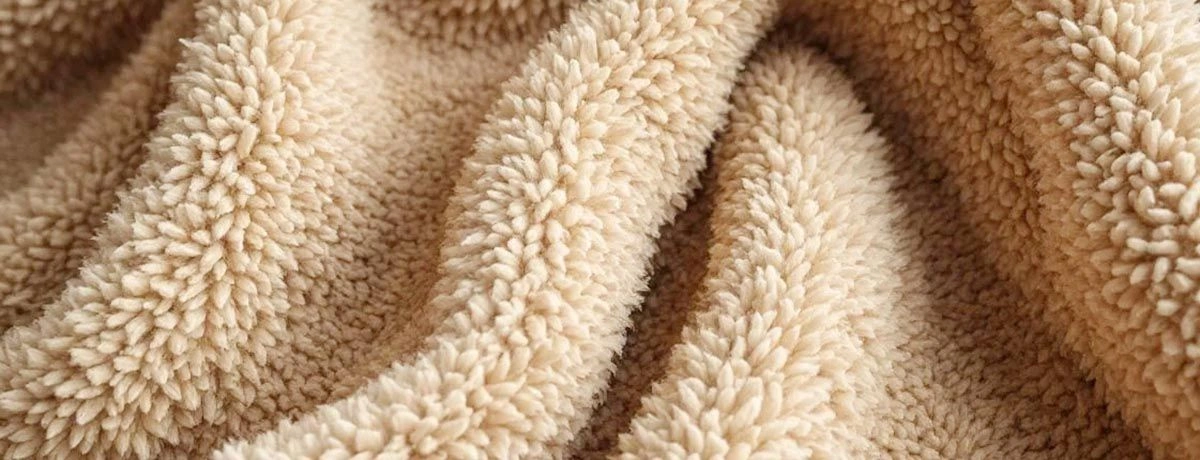
Sherpa fabric is a knitted synthetic pile fabric, almost always 100% polyester, with a curly, lofty face that imitates sheepskin shearling and a flat knitted back. It gives the look and warmth of shearling without animal fiber, at a fraction of the weight and price.
Key Takeaways
- Sherpa is a polyester pile knit: a curly shearling-look face on one side, a smooth knitted back on the other.
- Weight sets the job: about 200–250 GSM for hoodies and hat linings, 250–320 GSM for jacket linings and throws, 320–400+ GSM for heavy blankets and boots.
- Pile density, not just GSM, decides loft, warmth and shedding.
- Polyester sherpa takes up very little water (about 0.4% moisture regain), so it dries fast, but it melts under high heat.
What Is Sherpa Fabric?
Sherpa fabric is a faux-shearling textile built on a knitted polyester base that mimics wool’s texture and warmth without harming animals. Pile yarns are knitted into the base, then brushed, sheared and curled so the face forms small, woolly clusters. The back stays flat, which is why sherpa is described as two-sided: a plush insulating face and a smooth side that sits against a shell fabric or skin.
If you make, source, sell, or buy warm apparel and home textiles, that construction matters: sherpa gives you the look and cozy feel of shearling in a lightweight, easy-care, usually 100% polyester fabric used for linings, jackets, blankets, pet products, and more.
Is sherpa the same as fleece? Not quite. It sits in the fleece family, yet the curly pile is a distinct face finish. Polar fleece is brushed on both sides into a flat, even nap; sherpa is curled on one side only.
What Types of Sherpa Fleece Fabric Are There?
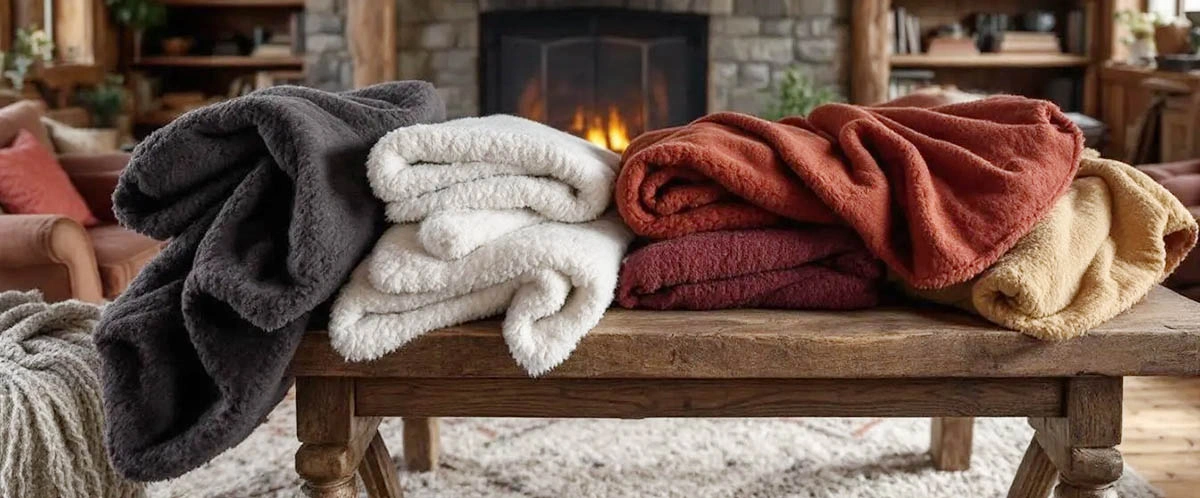
Sherpa types split by weight, face style and back construction. The table below shows how the common grades line up for sourcing.
| Type | Typical weight | Face / construction | Common uses |
|---|---|---|---|
| Lightweight sherpa | 200–250 GSM | Short, tight curl on a thin knit | Hoodie linings, hat and glove linings |
| Standard sherpa fleece | 250–320 GSM | Medium curl, plain knit back | Jacket linings, throws, pet beds |
| Heavyweight sherpa | 320–400+ GSM | Dense, high-loft curl | Blankets, boot and slipper linings, collars |
| Berber / lamb sherpa | 250–350 GSM | Tight, lamb-like nubs | Fashion jackets, vests, cushions |
| Bonded sherpa | 350–500+ GSM combined | Sherpa laminated to suede, corduroy or knit | Reversible jackets, trucker-style coats |
| Recycled (rPET) sherpa | 220–350 GSM | Same constructions, recycled polyester yarn | Eco-labeled apparel and home lines |
Typical ranges. Pile height, knit gauge and backing shift the weight for any given style; for example, a mid-loft sherpa can have a pile length around 0.35 inches.
Sherpa vs Fleece vs Faux Fur vs Shearling: How Do They Compare?
Sherpa gives a shearling look at polyester weight and price, making it a cruelty-free alternative to shearling and sheep's wool that is usually cheaper than genuine wool or fur. Polar fleece is flatter and lighter, faux fur has a longer and straighter pile, and genuine shearling is heavier, costlier and needs leather care. Here's how they sort out side by side.
| Factor | Sherpa | Polar fleece | Faux fur | Real shearling |
|---|---|---|---|---|
| Fiber | Polyester (sometimes rPET) | Polyester | Acrylic / modacrylic / polyester | Sheepskin with wool |
| Face | Curly, nubby pile, one side | Flat nap, often both sides | Long, straight pile | Dense natural wool |
| Typical weight | 200–400+ GSM | 150–350 GSM | 300–800 GSM | Much heavier, leather-backed |
| Warmth per weight | High | Medium-high | High | Very high |
| Care | Machine wash, low heat | Machine wash, low heat | Gentle wash or dry clean | Specialist cleaning |
| Relative cost | Low | Low | Medium | High |
| Best for | Linings, throws, collars | Mid-layers, blankets | Trims, fashion coats, toys | Premium outerwear, boots |
So when does sherpa beat fleece? When buyers want visible texture and a "cozy" look at the collar or cuff, see it as a more animal-friendly alternative to fleece, and prefer finished products that can feel lightweight rather than bulky. Fleece still wins for thin, packable mid-layers. For a deeper look at the fleece side, see what material fleece is.
What Properties Make Sherpa Useful?
Sherpa's value comes from loft. The curly pile traps still air, and its dense fibers trap air for high heat retention, so a 280 GSM sherpa lining feels much warmer than a flat knit of the same weight. It's also light compared with genuine shearling, which is why brands use it to add warmth to jackets without a stiff, heavy hand, often pairing it with airy shell fabrics like wholesale chiffon for dresses and linings.
-
Insulation: high warmth per gram thanks to the air-trapping pile; thicker, denser pile adds warmth.
-
Low water uptake: polyester's moisture regain is about 0.4%, so sherpa dries quickly and stays light when damp. That's quick-drying, not true wicking.
-
Breathability: the knitted base lets some air through, unlike a coated shell or most faux furs.
-
Durability: polyester pile resists rot and mildew, holds color well, and delivers solid quality.
-
Softness: a fine denier pile feels soft on skin, and the fluffy pile suits linings and baby blankets.
It has weak points too. Polyester sherpa melts and mats under high heat, and frequent washing can also make it mat or lose its fluffy look; cheaper grades shed or pill at friction points such as underarms, and it's a synthetic that isn't biodegradable.
Virgin polyester sherpa can shed microplastics in the wash and can attract static electricity and lint because it is synthetic. Recycled polyester sherpa addresses the resource side, though it doesn't change how the fabric behaves.
Where Is Sherpa Fabric Used in Winter Wear?
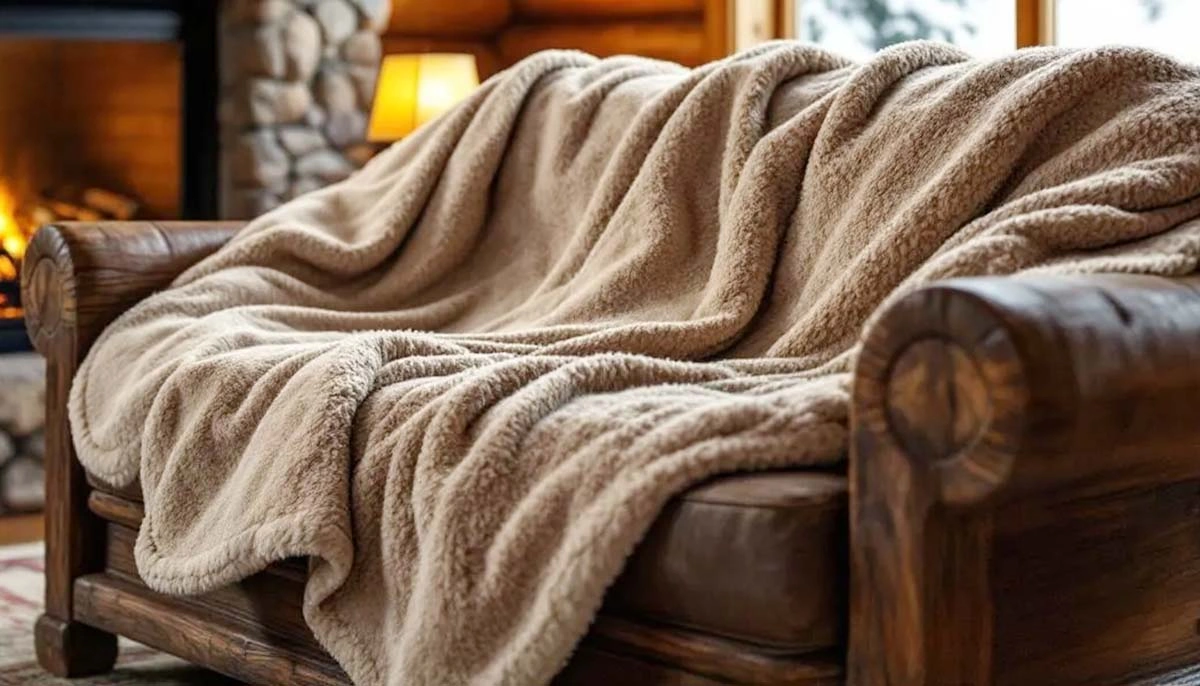
Sherpa's main job is warmth with a visible, cozy texture, so most volume goes into cold-weather clothing and winter outerwear, especially jackets and coats, as well as baby and children's apparel and home textiles for brands that buy from global tailoring-material suppliers like Ningbo MH. Its light weight and fast drying also make it popular for pet, travel and toy products.
| End use | Typical weight | Why sherpa |
|---|---|---|
| Jacket, coat, hoodie linings, jackets and vests | 220–320 GSM | Warm, light, visible at collar and cuffs |
| Collars and trims | 280–400 GSM | Shearling look without leather |
| Boots, slippers, gloves, hats and mittens | 250–400 GSM | Soft insulating contact layer for cold-weather accessories |
| Blankets and throws | 280–400+ GSM | Loft and weight feel premium for a blanket, including baby blankets |
| Cushions and bedding accents | 250–350 GSM | Texture for home decor lines, including pillows and other items |
| Pet beds and pet apparel | 250–350 GSM | Washable, durable pile for dog beds and similar projects |
| Plush toys | 200–300 GSM | Soft, animal-like surface |
| Sleeping bags, neck pillows | 220–300 GSM | Warm liner that dries fast |
For the parts that go around the sherpa in a garment, such as thread, zippers and trims, see MH's tailoring materials and their 40/2 polyester sewing thread factory.
Sherpa Fabric from MH: The Lining and Everything Around It
Founded in 1999 and serving buyers in more than 150 countries, MH carries its 100% polyester sherpa fabric (280 GSM knitted sherpa fleece, 160 cm wide, dyed to order) in the same catalog as shell fabrics, zippers, threads and trims, including extensive polyester sewing thread lines, part of roughly 10,000 tailoring materials and fabrics under the "Kingdom of Sewing" banner.
Behind that range sit 9 factories across about 350,000 m², more than 3,000 employees and 2,000+ partner manufacturers, which is what lets a winter lining program repeat the same weight and shade season after season.
Garment factories, home-textile makers and wholesalers can browse the artificial fur and sherpa range or pair sherpa with other polyester fabrics like U.S Katrina, or ask for a quote by fiber, GSM, width, face finish, color, MOQ and lead time; when fabric is sold by the yard, buyers can set the quantity and receive continuous cuts to match the order.
Request a sherpa fabric quote →


Frequently Asked Questions
What is sherpa fabric made of?
Commercial sherpa is almost always made from 100% synthetic materials, usually polyester and sometimes recycled polyester. The pile is knitted into a polyester base, and the other side is a smooth knit shell; the process then brushes, shears, and curls the surface to look like sheepskin shearling. Most versions contain no wool unless the spec says so, though some sherpa is made from cotton or synthetic fibers in the backing or blend construction.
Is sherpa the same as fleece?
Sherpa is part of the fleece family but has a different face. Polar fleece is brushed into a flat, even nap, often on both sides. Sherpa has a curly, nubby pile on one side and a flat knitted back, which gives it a shearling look and more loft.
What GSM is best for sherpa linings?
Most jacket and hoodie linings use about 220-320 GSM sherpa, which adds warmth without making the garment stiff; that thickness still feels plush but not overly bulky. Heavy blankets, collars and boot linings usually go to 320-400+ GSM. Pile density matters as much as GSM, since a denser pile at the same weight is warmer and sheds less. As a rough conversion, common sherpa can work out to about 580 grams per yard, depending on width and construction.
Is sherpa warmer than fleece?
At a similar weight, sherpa usually feels warmer because its curly pile traps more still air than a flat fleece nap. Fleece is thinner and packs smaller, so it suits mid-layers, while sherpa suits linings, collars and blankets where loft and a cozy look matter.
Does sherpa fabric shed or pill in the laundry bag?
Lower-grade sherpa can shed loose fibers and pill at friction points such as underarms and seat areas. Better grades are sheared evenly and heat-set to lock the fibers. For care, use cold water and a laundry bag, spot-clean stains when needed, and hang to dry to help reduce pilling. Washing is easy to maintain without fabric softener, and because sherpa is moisture-resistant and dries quickly, low heat works well when needed without matting the pile.
