
Silk vs Chiffon Fabric: What’s the Difference?
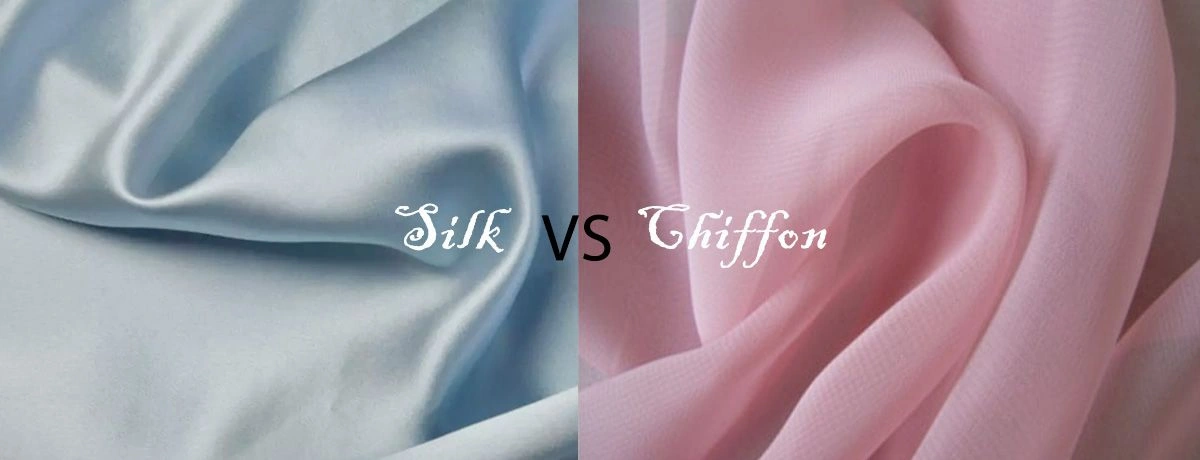
- Silk is a natural protein fiber; most commercial chiffon is woven from polyester — priced at roughly 5× less than natural silk per meter.
- Silk lasts decades with proper care and offers genuine moisture-wicking breathability; polyester chiffon is more practical for everyday-wear and machine-washing.
- Choose silk for luxury, bridal, and premium garment lines; choose polyester chiffon for lightweight summer wear, high-volume wholesale, and budget-conscious sourcing.
Silk and chiffon look similar hanging side by side — both drape softly, catch the light, and suit elegant occasions. But they're fundamentally different materials, and choosing between them shapes your product quality, pricing strategy, and care requirements. Silk is a natural fiber; chiffon is a weave construction that can be made from silk or synthetics. That distinction is the starting point for any smart fabric sourcing decision.
Silk and chiffon are not interchangeable fabrics. Silk is a natural protein fiber derived from silkworm cocoons, originating in China over 4,000 years ago. Chiffon is a sheer, lightweight weave — most commonly made today from polyester — that costs 5× less than natural silk while offering comparable drape for casual and mid-range garments. (Grand View Research, 2023; International Sericulture Commission)
What Is Silk Fabric?
Silk is one of the world's oldest luxury fibers, produced from the cocoons of silkworms (Bombyx mori). A single cocoon yields up to 1,000 meters of continuous protein filament, which is twisted with other filaments to form yarn. This natural structure — primarily the protein fibroin — gives silk its signature smooth texture, natural sheen, and impressive tensile strength for such a lightweight fabric. Natural mulberry silk retails at $5–30 per meter, depending on grade, versus $1–5 per meter for polyester chiffon.
Key Properties of Silk
-
Texture: Smooth, dense, and lustrous, with a beautiful sheen and luxurious feel that synthetics rarely replicate convincingly
-
Weight: Lightweight yet strong — silk has higher tensile strength per unit weight than many synthetic fibers
-
Breathability: Naturally moisture-wicking and temperature-regulating; comfortable in both warm and cool conditions
-
Durability: Long-lasting with proper care, though sensitive to UV light, sweat acids, and abrasion
-
Maintenance: Requires hand-washing or dry cleaning; avoid prolonged sun exposure and harsh detergents
Types of Silk
Not all silk performs the same way. The main commercial varieties relevant to B2B sourcing across silk fabrics include:
-
Mulberry silk: Finest and most common — from Bombyx mori fed exclusively on mulberry leaves
-
Tussah silk: Coarser, with a natural golden tone, from wild silkworms — lower cost
-
Charmeuse silk: Lightweight, glossy face and matte back — popular for eveningwear and lingerie, and one of several satin fabrics used for formal styles
-
Silk satin: Another glossy formalwear option with a lustrous finish
-
Dupioni silk: Crisp with natural slubs — often used in bridal and formal wear when sourcing different fabrics for occasionwear alongside polyester satin for wedding gowns
-
Habutai silk: Plain-weave, smooth, lightweight — standard for linings and scarves
What Is Chiffon Fabric?
Chiffon is a sheer fabric known for chiffon's lightweight feel, with a slightly rough texture created by a plain-weave weaving method that uses s twist yarns and z twist threads in both warp and weft directions, plus alternate S and Z twists that give it a puckered surface. The word “chiffon” comes from a french word for “cloth” or “rag.” Originally woven from silk in 18th-century France, modern chiffon includes silk chiffon fabric made from natural and synthetic fibers, but most of what is sold today is synthetic chiffon in polyester or nylon, priced at $1–5 per meter and more affordable than silk versions. See MH’s full range of chiffon fabric for wholesale options in the broader textile industry context.
Key Properties of Chiffon
-
Texture: Slightly rough, often with a matte finish and gentle crinkle — less smooth than silk, more casual in feel
-
Weight: Extremely lightweight, with a sheer quality and graceful drape
-
Breathability: Open weave allows air circulation, though polyester chiffon doesn’t wick moisture like natural fibers
-
Durability: Its delicate nature means chiffon makes for a more snag-prone fabric because of its loose construction, though synthetic versions are usually more durable and less expensive, while silk chiffon is prized for its elegant drape and soft texture
-
Maintenance: Polyester chiffon is machine-washable on a gentle cold cycle — far easier than natural silk
Types of Chiffon
-
Silk chiffon: Premium version — all the breathability of silk in a sheer weave; more expensive than regular chiffon, though often still priced below heavier silk fabrics
-
Polyester chiffon: Most common synthetic chiffon globally; affordable, easy-care, wide color availability — see MH’s Polyester Spandex Chiffon
-
Nylon chiffon: Softer than polyester, slightly higher cost, often used in lingerie overlays
-
Cotton chiffon: Less common; breathable with a matte finish compared with silk-based versions
-
Jacquard chiffon: Chiffon with woven-in patterns — used in premium eveningwear
-
Printed chiffon: Digitally or screen-printed polyester chiffon — the most popular option for summer dress collections globally
How Do Silk and Chiffon Compare?
The core differences come down to fiber origin, texture, cost, and care. Silk is a natural fiber with distinctive luster and superior breathability; most chiffon is a synthetic weave optimized for lightweight drape at low cost. The comparison table below summarizes the key differences relevant to B2B fabric sourcing decisions.
| Property | Natural Silk | Polyester Chiffon |
|---|---|---|
| Fiber Origin | Natural protein (silkworm cocoon) | Synthetic (petroleum-derived polyester) |
| Texture | Smooth, dense, naturally lustrous | Slightly rough, matte, crinkled feel |
| Weight / Drape | Lightweight with structured drape | Ultra-lightweight, floaty, flowing |
| Breathability | Excellent — moisture-wicking, temperature-regulating | Good airflow; no moisture-wicking |
| Durability | Strong but UV- and sweat-sensitive | Snags easily; resists UV and moisture |
| Care | Hand wash or dry clean only | Machine wash gentle, cold water |
| Wrinkle Resistance | Wrinkles moderately; recovers with steaming | Wrinkles easily; lightweight enough to shake out |
| Price Range | $5–30/meter (grade-dependent) | $1–5/meter |
| Sustainability | Natural, biodegradable; sericulture concerns | Synthetic, microplastic risk; recycled options exist |
| Best For | Luxury fashion, bridal, premium bedding | Summer dresses, costumes, curtains, wholesale |
Texture, Weight, and Drape
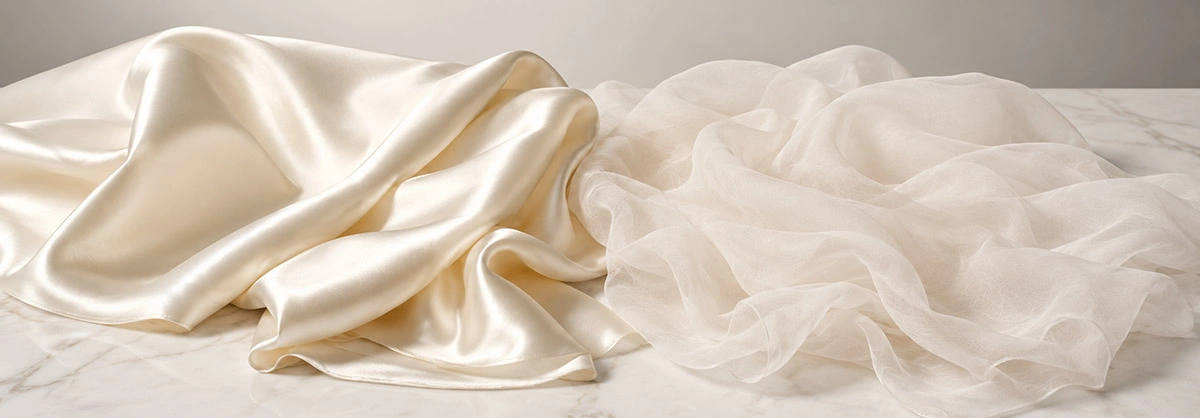
Silk feels smooth and dense against the skin, with a natural sheen that shifts beautifully in different lighting. Chiffon, by contrast, highlights the difference between chiffon and silk with a slightly rough, matte surface from its twisted-yarn construction — airier and more translucent than silk, flowing loosely rather than draping with structured weight. For bridal overlays or lightweight summer blouses, chiffon’s floaty quality often wins, especially in layered, airy designs, while silk chiffon is prized for its beautiful drape in formal wear. It’s also a common choice for wedding dresses. Chiffon works well for evening dresses and chiffon dresses that need softness and movement. For fitted eveningwear or structured gowns, silk’s weight and drape provide better form. Neither is universally “better” — the right choice depends on the garment’s function.
Breathability and Comfort
Silk’s natural protein structure genuinely regulates temperature and wicks moisture, keeping wearers comfortable through heat and mild cold while adding luxurious appeal. Polyester chiffon benefits from its open, sheer weave that allows air to pass through — but the synthetic fiber itself doesn’t absorb or transport moisture. In hot, humid climates or for all-day active wear, silk remains the more comfortable choice. Polyester chiffon works well for short-duration or low-activity garments, especially in warm but dry conditions. Silk chiffon is often chosen for black-tie events and other formal dresses because it stays cooler in warm temperatures while maintaining a refined hand.
Durability and Care
Silk is stronger than most people assume — its tensile strength per unit weight rivals many synthetics. The challenge is sensitivity: UV exposure degrades silk over time, perspiration acids weaken fibers gradually, and rough handling causes snags. Polyester chiffon, while less tear-resistant, withstands everyday laundering far better. It tolerates machine washing, making it far more practical for mass-market garments consumers launder frequently or for applications where a wrinkle-resistant polyester fabric is preferred. For B2B buyers, that ease-of-care directly affects end-customer satisfaction and return rates.
Cost and Market Positioning
Price is the most significant practical difference. Natural mulberry silk retails at $5–30 per meter wholesale (grade and order volume affect price significantly). Polyester chiffon runs $1–5 per meter — making it 5–10× cheaper at comparable quantities. For high-volume seasonal collections where margin matters, polyester chiffon delivers clear cost efficiency. Silk is justified for premium product lines where natural-fiber provenance commands proportionally higher retail prices from end customers.
Sustainability and Environmental Impact
Silk is natural and biodegradable — an important selling point in sustainability-conscious fashion markets. Sericulture does raise ethical concerns around silkworm harvesting, and dyeing processes use significant water resources. Polyester chiffon is petroleum-derived and contributes to microplastic pollution. That said, recycled polyester chiffon options are improving rapidly and now offer a more responsible synthetic choice for brands with sustainability commitments. For GRS-certified or GOTS-aligned sourcing programs, discussing fiber origin with your supplier matters more than the base fabric type.
What Are the Most Common Misconceptions About Silk and Chiffon?
Several persistent myths about silk and chiffon lead buyers and garment makers to poor sourcing decisions. Here are the three most common — and why they're wrong.
Myth 1: "Silk and chiffon are the same fabric." They're not — silk is a fiber; chiffon is a weave structure. Silk chiffon exists (silk woven in a chiffon construction), but most chiffon sold today is polyester. When a supplier lists "chiffon" without specifying fiber content, always ask: silk chiffon or polyester chiffon? The answer changes the price, care requirements, and end-use properties entirely.
Myth 2: "Silk is too delicate for practical garments." Lightweight silk charmeuse is indeed fragile, but heavier silk weights (momme 19 and above) and silk blends perform well in everyday blouses, workwear, and scarves. The right silk weight for the application matters more than the fiber itself.
Myth 3: "Chiffon always feels scratchy." Low-grade polyester chiffon can feel rough against skin. High-quality polyester chiffon — and especially silk chiffon — is soft and comfortable. Yarn quality, weave tension, and finishing processes all significantly affect the final handfeel. Requesting fabric samples before large orders is always worthwhile. Also see our Chiffon vs Taffeta guide for additional comparisons.
How Should B2B Buyers Choose Between Silk and Chiffon?
The right choice depends on your product segment, target customer, and production budget. Here's a practical framework for fabric sourcing teams making this decision at scale.
Choose natural silk when:
-
Your end-customers expect natural-fiber quality and provenance
-
You're producing luxury, bridal, or formal garments where tactile quality justifies $5–30/meter raw material cost
-
Genuine breathability and moisture management are part of your product positioning
-
Long garment lifespan matters (silk, cared for properly, outlasts most synthetics)
Choose polyester chiffon when:
-
You're producing high-volume seasonal fashion at competitive price points
-
Easy consumer care (machine washing) is a priority for your end market
-
You need consistent color reproduction across large production runs
-
Cost efficiency is the primary sourcing requirement
Consider silk chiffon when:
-
You need the sheer, flowing quality of chiffon with natural silk properties
-
Your product line spans premium bridalwear overlays, high-end scarves, or luxury eveningwear
-
Both drape characteristics and natural-fiber positioning matter to your buyer
MH supplies both fabric types for B2B wholesale orders from our Ningbo warehouse, with GRS-certified recycled options available for sustainable sourcing programs, as well as Oxford fabric for durable applications. Browse our full chiffon fabric range or explore the complete chiffon fabric guide to compare variants, MOQ, and lead times.


For B2B fabric sourcing at volume, polyester chiffon offers the strongest price-to-performance ratio: $1–5 per meter, machine-washable, and available in wide color runs at consistent quality. Natural silk — at $5–30 per meter — suits premium and luxury product lines where natural-fiber provenance justifies higher raw material costs and end-retail pricing. MH, a Ningbo-based B2B fabric and garment accessories manufacturer, supplies both fabric types for global wholesale orders with GRS and OEKO-TEX certifications available.
Frequently Asked Questions About Silk vs Chiffon
What is the main difference between silk and chiffon?
Silk is a natural protein fiber harvested from silkworm cocoons, prized for its smooth texture and natural sheen. Chiffon is a weave style — most commonly made today from polyester — that's lightweight, sheer, and more affordable. Natural silk costs roughly 5× more than polyester chiffon per meter and requires more careful maintenance.
Which is better for summer clothing — silk or chiffon?
Both suit warm weather, but in different ways. Silk is breathable and moisture-wicking. Polyester chiffon's open weave allows air circulation but doesn't wick moisture. For budget-conscious summer garments, polyester chiffon is the practical choice. For premium summer wear with natural comfort and moisture management, silk wins.
Which fabric is better for wholesale B2B orders?
For most B2B buyers sourcing at volume, polyester chiffon offers the best price-to-performance ratio: low cost, easy care, and consistent quality at scale. Natural silk suits luxury or bridal segments where end-customers expect natural-fiber quality. MH supplies both silk and chiffon fabrics for B2B wholesale from Ningbo, China — contact us to discuss grades, MOQ, pricing, and suitable finishing details such as embroidery and the industrial sewing threads needed for production.
