
How to Choose the Right Snap Button Machines to Increase Output and Efficiency?
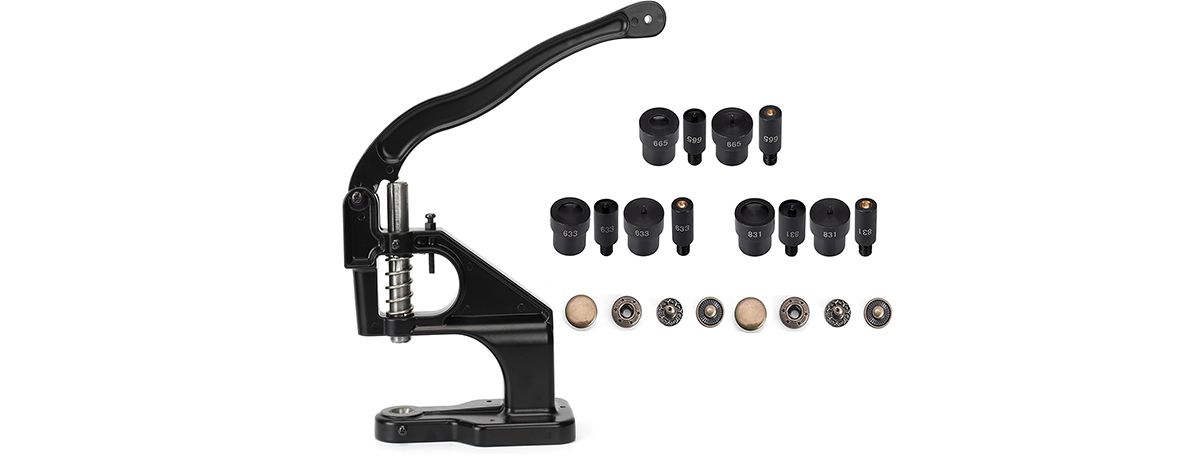
In the garment and textile manufacturing sectors, efficiency is the currency of success. As factories and production lines scale to meet global demand, the methods used to attach hardware to fabric must evolve from manual labor to automated precision. The process of attaching snap fasteners is a critical stage in the production of denim, upholstery, luggage, and outerwear. Snap button machines are also suitable for applications in the packaging industry, securely fastening fabrics and papers. Consequently, selecting the right snap button machine is a strategic decision for manufacturers and wholesalers aiming to optimize output and maintain consistent quality. Most snap button machines are compatible with a variety of snap button sizes and styles, including plastic, metal, and covered snaps, ensuring versatility for different production needs.
This guide explores the mechanics, benefits, and operational considerations of industrial snap button machines, providing B2B buyers with the insights needed to make informed procurement decisions.
The Role of Snap Fasteners in Mass Production
Snap fasteners provide a secure, functional, and aesthetic closure system for a vast array of textile products. Snap button machines can accommodate a variety of snap button styles, sizes, and fabric types, making them versatile for different manufacturing needs. In a wholesale context, the ability to source and attach these components efficiently determines production lead times. Snap fasteners are generally categorized by material and application, each requiring specific machine configurations. These machines are suitable for attaching snap fasteners to a range of garments, including jackets, coats, and other apparel. The machine must handle various snap types like DOT, S-spring, and pronged snaps to ensure compatibility with different fastener requirements.
Metal Snaps
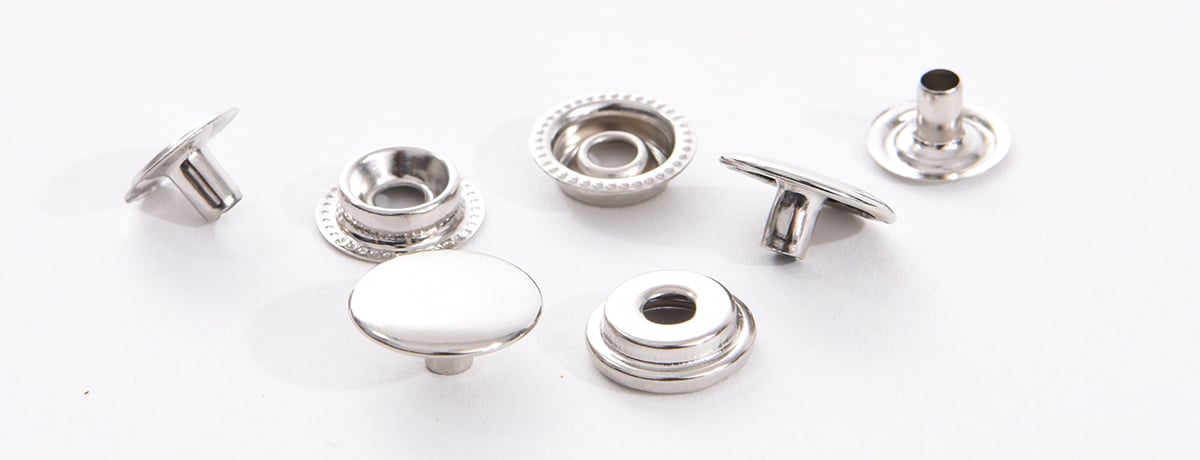
Metal snaps are the standard for heavy-duty applications. Their robust construction makes them ideal for leather goods, denim jeans, canvas bags, and industrial workwear. These applications often require the precise attachment of studs (snap fasteners) to ensure both decorative and functional performance. They offer high durability and retention strength, essential for products that undergo frequent stress. Machines used for metal snaps must accommodate different button sizes, typically ranging from 15mm to 21mm, to suit various product specifications. Heavy-duty machines capable of high punching pressure are necessary for attaching snaps to materials like leather or thick denim.
Plastic Snaps
Offering a lightweight and cost-effective alternative, plastic snaps are frequently utilized in rainwear, medical garments, and infant clothing. They are resistant to rust and can be produced in specific colors to match fabric dyes, offering versatility for large-scale garment orders.
Covered Snaps
For high-end fashion and upholstery, covered snaps provide a concealed finish. Automatic snap button machines are also used in home furnishings for installing snap fasteners in upholstery and curtains, improving both functionality and aesthetics in residential settings. The cap of the snap is covered with fabric, allowing the fastener to blend seamlessly with the garment. Machines handling these snaps require precise pressure settings to avoid damaging the delicate covering material.
Essential Features of High-Performance Snap Machines
When sourcing snap button machines for factory floors, specific features dictate the machine’s efficiency and longevity. High-quality snap button machines are suitable for a wide range of materials and production scenarios, ensuring adaptability for different products. High-quality automatic machines distinguish themselves through several key technical specifications.
Fabric compatibility is crucial; the machine must accommodate various fabric thicknesses, such as heavy denim or thin satin.
Automatic Feeding Systems
Efficiency in mass production relies on speed. Automatic feeding systems align buttons from the hopper to the die without manual intervention. This feature ensures an orderly arrangement and significantly increases the number of units processed per hour compared to manual methods.
Safety and Positioning Technology
Modern machines integrate infrared positioning. This technology ensures the fabric is aligned perfectly before the machine cycles, preventing misalignment and reducing material waste. Additionally, anti-batter functions protect operators by stopping the machine if an obstruction is detected, a crucial safety feature for high-volume environments.
Durability Mechanisms
Industrial machines must withstand continuous operation. Equipment featuring oil-water separators ensures that moisture does not contaminate the pneumatic or hydraulic systems. This extends the service life of the machine and reduces the frequency of maintenance shutdowns.
The Mechanics of Snap Button Attachment
The attachment process defines the quality of the finished product. Whether the machine is fully automatic or semi-automatic, the core mechanics involve precision engineering.
The machine utilizes a set of dies—upper and lower—to clinch the fastener components together. The lower die holds the stud or socket, while the upper die applies the necessary force to deform the fastener's post, securing it to the fabric.
In a manufacturing setting, these dies must be interchangeable to accommodate various snap sizes, typically ranging from 15mm to 21mm. The pressure applied during attachment is adjustable, ensuring that the fastener is secure without cutting or puckering the surrounding fabric. A consistent attachment process eliminates the "spinning" snap issue often found in lower-quality manual applications.
Advantages of Automatic Snap Machines for Manufacturers
Transitioning from manual to automatic snap fastener installation offers tangible benefits for production facilities and large-scale textile operations. High-speed automatic snap button machines can achieve a production rate of 15,000 to 35,000 snap fasteners per day, making them ideal for large-scale operations.
Manual installation is labor-intensive and time-consuming, but production volume affects the type of snap button machine to choose: manual machines are suitable for low-volume production, while pneumatic or electric models are better for high-volume needs.
Automatic machines can complete a cycle in just a few seconds, significantly increasing throughput. Manual snap presses are cost-effective for small batches, typically producing 100–500 snaps per day.
Fully automatic machines automatically feed snap components and can cost between $6,000 to $12,000. Pneumatic machines are required for high-volume industrial manufacturing, producing over 5,000 snaps per day. The FOXSEW Fully Automatic Snap Button Attaching Machine can attach 15,000 to 35,000 buttons per day.
Scalability and Output
Manual installation is labor-intensive and creates bottlenecks. Automatic snap machines can handle high volumes of production, enabling factories to meet tight deadlines for container-load orders. The cycle time for an automatic machine is a fraction of that required for manual presses.
Precision and Consistency
Human error varies with fatigue. Automatic machines deliver identical pressure and alignment for every cycle, ensuring that the first item in a batch matches the ten-thousandth item. This consistency is vital for maintaining brand reputation and passing strict quality control audits required by international buyers.
Cost Reduction
While the initial capital investment for automatic machinery is higher, the reduction in labor costs and material waste results in a favorable return on investment over time. Automation allows skilled labor to be redeployed to more complex tasks within the production line.
Ensuring Fabric Compatibility
A primary concern for manufacturers is the versatility of machinery across different product lines. Snap machines must handle a diverse range of substrates, from lightweight cottons and polyesters to heavy leather and technical fabrics. Modern snap button machines are compatible with a wide range of fabric types and thicknesses, ensuring versatility for different production lines.
The machine’s stroke and pressure settings must be adaptable. Excessive force on delicate fabrics causes tearing, while insufficient force on thick materials leads to weak attachment. Advanced snap machines offer fine-tuning capabilities, allowing operators to switch between fabric types with minimal downtime. This flexibility is essential for factories producing varied seasonal collections.
Operator comfort features, such as foot pedal controls, can reduce strain during long shifts and improve productivity.
Maintenance Protocols for Long-Term Operation
To maximize the lifespan of industrial equipment, rigorous maintenance schedules must be implemented. Reliability is paramount in a supply chain; a broken machine can delay shipments and disrupt logistics.
Routine Maintenance Checklist:
-
Lubrication: Regularly oil moving parts to prevent friction and wear.
-
Die Inspection: Check upper and lower dies for chips or deformation that could damage fasteners.
-
Air Systems: For pneumatic machines, ensure air filters are clean and pressure levels are stable.
-
Cleaning: Remove fabric dust and debris from the feeding mechanism to prevent jamming.
Adhering to the manufacturer’s maintenance manual is mandatory for preserving warranty terms and ensuring operational safety.
Sourcing and Manufacturer Selection
For importers and distributors, selecting the right machinery supplier is as critical as selecting the machine itself. The ideal partner understands the requirements of large-scale manufacturing and global trade.
Key Selection Criteria:
-
Reputation: Look for manufacturers with a proven track record in the textile machinery industry.
-
Customization: The ability to configure machines for specific production needs (e.g., custom voltages, specialized feeding bowls).
-
After-Sales Support: Comprehensive training resources, troubleshooting guides, and the ready availability of spare parts are non-negotiable for minimizing downtime.
-
Warranty: robust warranty protection demonstrates the manufacturer's confidence in their equipment's durability.
Troubleshooting Common Production Issues
Even high-quality machines encounter operational challenges. Rapid troubleshooting is necessary to keep production lines moving.
-
Jamming: Often caused by debris in the track or deformed snaps in the hopper. Clearing the feed path usually resolves this.
-
Misalignment: Indicates that the dies are not centered or the infrared positioning sensor needs calibration.
-
Loose Snaps: Suggests insufficient pressure or worn-out dies that need replacement.
Operators should be trained to identify and rectify these minor issues immediately to prevent them from escalating into major mechanical failures.
Quality Control in Snap Button Manufacturing
Quality control is the backbone of successful snap button manufacturing, ensuring that every snap fastener, snap button, and accessory meets stringent industry standards. Manufacturers implement comprehensive inspection protocols at every stage of production, from sourcing premium metal snaps for leather bags and jeans buttons to monitoring the performance of each snap machine. The precision of lower dies and upper dies is regularly checked to guarantee that every snap is uniform, secure, and free from defects.
Attention to detail in the use of high-grade materials and well-maintained machines results in snap fasteners and snap buttons that consistently meet customer expectations for durability and appearance. This commitment to quality is especially important for products destined for high-traffic marketplaces like eBay and Amazon, where best seller status is often determined by product reliability and positive reviews. By prioritizing quality control, manufacturers not only protect their reputation as a trusted seller but also ensure that their accessories—whether for jeans, bags, or other applications—stand out in a competitive market.
Production Planning for Scalable Output
Strategic production planning is key to achieving scalable output in the snap button industry. Manufacturers must balance the price of raw materials, the availability of essential tools and accessories, and fluctuating demand for products like jeans buttons, metal snaps, and rivets. By leveraging data analytics and monitoring market trends, companies can accurately forecast demand and adjust their production schedules to maintain optimal stock levels.
This proactive approach allows manufacturers to vary their output to meet the needs of different markets, whether supplying snap buttons for clothes, hats, shoes, or jeans. Effective planning ensures that there is always sufficient inventory to fulfill orders promptly, helping brands offer competitive savings and maintain a strong presence in the market. By streamlining production cycles and managing resources efficiently, manufacturers can adapt to changing conditions, minimize costs, and deliver high-quality snaps and accessories that keep customers coming back.
Optimizing Your Production Line
The integration of automatic snap button machines represents a significant upgrade for any textile manufacturing operation. By understanding the features, maintenance requirements, and applications of these machines, B2B buyers can ensure they source equipment that meets the rigorous demands of global trade. Whether producing heavy-duty workwear or delicate fashion items, the right machinery ensures that every fastener is attached with speed, precision, and quality.
For more information, assistance, or to discuss your specific snap button machine requirements, please contact us today.