
How Is Sport Mesh Fabric Used in Sportswear Manufacturing?
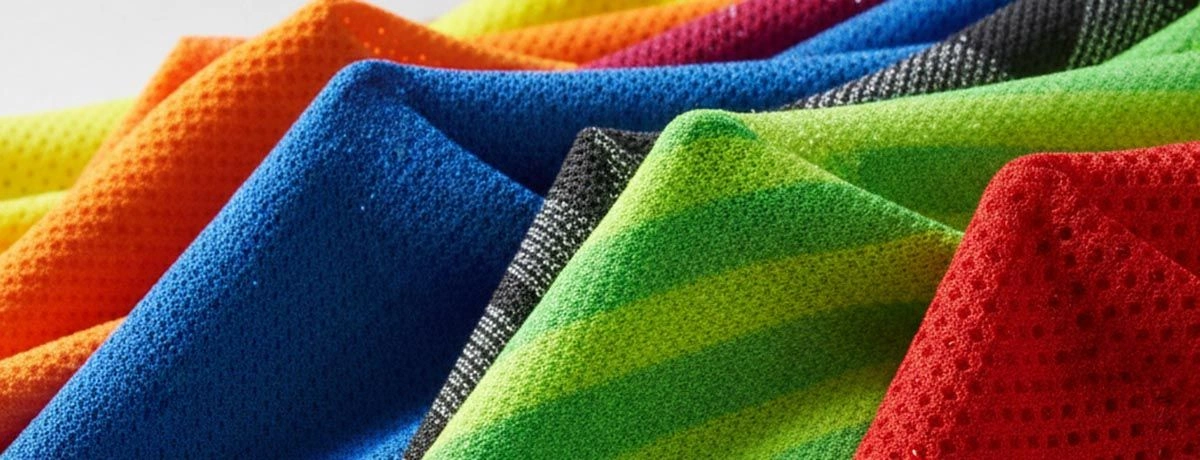
Sport mesh fabric is a critical textile for athletic apparel manufacturing. Its open-knit structure creates essential breathability, allowing air to circulate and moisture to evaporate quickly during high-performance activities. Sport mesh fabric is available in a variety of colors and patterns, including camouflage and solid colors. Garment factories and wholesalers rely on synthetic fiber compositions—primarily polyester, nylon, and spandex blends—to achieve the necessary durability and stretch required for modern activewear, with the material content carefully selected to meet specific performance needs. Sport mesh fabric typically weighs between 80–130 GSM, making it lightweight and ideal for sportswear. The open knit structure also helps dissipate stress, making the fabric robust and suitable for demanding applications.
When evaluating sport mesh fabric for bulk procurement, professional buyers prioritize several performance metrics. These include airflow capacity, moisture-wicking properties, tear resistance, stretch recovery, and colorfastness. It is important to specify the quantity (in yards) and width (with sport mesh fabric often available in wide widths such as 58/60 inches) to ensure accurate planning and purchasing. Understanding these specifications ensures manufacturers select the correct material for their production lines.
What Is Mesh Fabric?
Mesh fabric is an open-knit textile characterized by regularly spaced holes that reduce overall material weight and significantly increase airflow. Athletic mesh fabrics are lightweight, open-knit textiles with tiny holes that form a net-like pattern, making them ideal for sportswear and activewear. Manufacturers produce various mesh geometries, including hex, dimple, and standard 1/8-inch football mesh, to balance ventilation with opacity, and often specify the lightweight fabric width to ensure suitability for different sports and functional wear applications.
In garment construction, engineers make a clear distinction between lining mesh and outer mesh. Lining mesh typically features smaller holes and a softer hand-feel to prevent skin irritation. Outer mesh utilizes larger, more durable hole structures designed to withstand external abrasion and environmental elements.
For those interested in exploring other options, similar fabrics such as power mesh, tulle, and polyester stiff net fabric offer comparable styles and functions for athletic and fashion uses.
Mesh Fabric Types and Athletic Mesh Varieties
Different activewear applications require specific mesh constructions. Mesh lining fabric is widely used in sportswear and clothing to enhance breathability, moisture management, and comfort. For manufacturers, the purchase of high-quality mesh fabric in bulk is crucial to ensure optimal performance in finished garments. Mesh lining fabric is usually made from polyester or nylon yarns, often blended with spandex for stretch, providing durability and flexibility, and is frequently paired with lightweight chiffon fabric for linings and overlays in performance-inspired fashion collections.
The most common varieties utilized in bulk garment manufacturing include:
Dimple and Flatback Mesh
Dimple or flatback mesh is the standard for team uniforms. It provides moderate breathability alongside a smooth backing, making it highly comfortable against the skin while maintaining structural integrity.
Football Mesh
Characterized by distinct 1/8-inch holes, football mesh offers maximum airflow and rapid drying capabilities. This fabric is heavily utilized for practice jerseys and high-intensity training gear.
Power Mesh and Stretch Mesh
Engineered with higher percentages of spandex or elastane, power mesh provides compressive support and excellent stretch recovery, similar to polyester spandex stretch woven fabric that delivers four-way stretch and durability for performance apparel. This material is primarily sourced for swimwear, dancewear, and high-performance base layers.
Spacer and Structured Meshes
Spacer mesh features a three-dimensional knit construction that delivers cushioning and thermal separation. Factories use this structured fabric for footwear uppers, backpack panels, and protective padding inserts, where decorative branding often relies on high-color polyester and rayon embroidery thread.
Common Mesh Types: Comparative Properties
When sourcing sport mesh fabric, buyers must evaluate three comparative properties to determine material suitability, and should also consider price when comparing mesh types:
-
Hole Size and Opacity: Hole size directly correlates with the airflow rate. While larger holes increase ventilation, they simultaneously reduce garment coverage and opacity.
-
Fabric Weight (GSM): Grams per square meter (gsm) predicts the warmth, durability, and drape of the fabric. Lightweight meshes favor cooling and speed, whereas heavier meshes offer the durability needed for contact sports.
-
Knit Construction and Stretch: The specific knit pattern and stitch density determine the fabric’s directionality. This impacts the percentage of stretch across both the warp and weft, dictating how the final garment will move.
Synthetic mesh fibers like polyester and nylon are resistant to tearing, abrasion, and fading. Sport mesh fabric dries up to 62% faster than solid polyester fabrics, and garments made with sport mesh fabric dry quickly due to its porous structure. Polyester mesh is a durable choice for jerseys, while mesh-spandex blends offer high flexibility for fitted garments.
Common Applications for Athletic Mesh
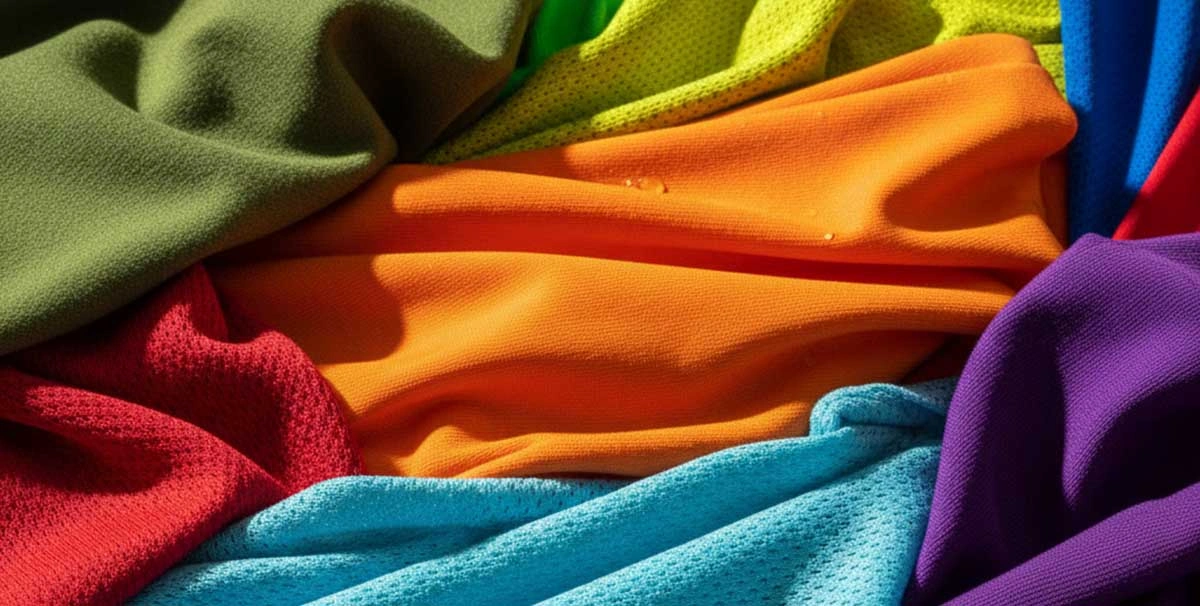
The versatility of sport mesh fabric makes it suitable for diverse industrial and apparel applications, and it is often sourced alongside durable Oxford fabric for bags and outdoor gear:
-
Team Wear: Practice jerseys and competitive uniforms rely on breathable athletic mesh to regulate body temperature.
-
Inner Linings: Soft mesh lining reduces friction and wicks moisture away from the skin inside athletic shorts, running shorts, gym shorts, and lightweight jackets. Mesh is commonly used in pants such as running shorts and gym shorts for support and ventilation. Many running shorts and gym shorts also feature mesh inner briefs or pockets to enhance support and airflow.
-
Accessories and Footwear: Backpacks, caps, and shoe panels utilize mesh fabric to introduce lightweight ventilation without sacrificing structural support, typically stitched with heavy duty high tenacity polyester sewing thread to ensure seam durability.
-
Protective Equipment: Cycling gear and contact sport padding use spacer-mesh inserts for impact distribution and airflow, assembled using wholesale 100% spun polyester sewing thread to withstand repeated stress.
Mesh is often inserted into high-sweat areas of leggings, t-shirts, and jackets to boost airflow. Mesh lining fabric is also used in athletic jackets and windbreakers to improve breathability and comfort.
Frequently Asked Questions About Sport Mesh Fabric
What is the typical lifespan of polyester sport mesh in team apparel?
High-quality polyester sport mesh is engineered to withstand heavy use and regular commercial washing. With proper seam construction and color-stable 150D/2 rayon embroidery thread for logos and numbering, these fabrics typically maintain their integrity and colorfastness for multiple athletic seasons.
How do I differentiate between breathable mesh and stretch mesh when sourcing?
Breathable mesh prioritizes open structures for maximum airflow and is usually composed of 100% polyester. Stretch mesh incorporates elastane or spandex, offering distinct multi-directional elasticity and a faster recovery rate when pulled.
What are the common failure modes for mesh garments?
The most frequent issues are seam blowout and hole enlargement. Manufacturers prevent these failures by using reinforced stitching with 40/2 spun polyester sewing thread, utilizing ballpoint needles during assembly, and applying proper edge binding techniques.
Securing Reliable Bulk Production
Procuring high-quality sport mesh fabric requires a manufacturing partner capable of meeting strict industrial standards. MH is a leading global provider of garment accessories and tailoring materials and an integrated manufacturing and trading textile company specializing in large-scale production. Operating strictly on a Make-to-Order (MTO) basis, MH provides customized textile solutions tailored to the specific needs of wholesalers and garment factories. With extensive global export expertise, particularly across Latin America, MH ensures supply chain reliability and consistent quality for your high-volume textile requirements.