
Where Can Sportswear Manufacturers Buy Sports Mesh Fabric Wholesale?
Key Takeaways
-
MH is a B2B wholesale supplier of sports mesh fabrics—including polyester mesh, spandex mesh, bird-eye mesh, and sandwich mesh—specifically designed for large-scale sportswear production.
-
Bulk orders start with MOQs typically ranging from 500–1000 meters per color per specification, with stable quality and consistent performance across repeated production runs.
-
Core technical advantages include excellent breathability, moisture-wicking properties, lightweight structure, and durability suitable for jerseys, training wear, lining fabrics, and athletic uniforms.
-
Customization options cover GSM range, mesh density, color matching (Pantone or sample-based), and functional finishes such as quick-dry and anti-bacterial treatments, with full OEM specification support.
-
MH primarily serves export regions including Africa, the Middle East, Latin America, Southeast Asia, and Eastern Europe, offering reliable long-term supply, competitive factory pricing, and stable delivery for wholesale buyers.
Running a sportswear manufacturing operation means you already know that fabric choice can make or break your product line. The wrong material leads to customer complaints, returns, and lost contracts. The right one builds your reputation season after season.
Sports mesh sits at the center of performance apparel production. From football jerseys in Lagos to training bibs in Jakarta, this fabric type powers athletic wear across every climate and sport. But sourcing it at wholesale scale—with the quality consistency your cutting tables demand—requires a supplier who understands industrial production realities.
This guide walks through everything B2B buyers need to know about sports mesh fabric wholesale: technical specifications, performance characteristics, application types, customization options, and what to expect when partnering with a dedicated supplier like MH for your bulk fabric needs.
What Is Sports Mesh Fabric?
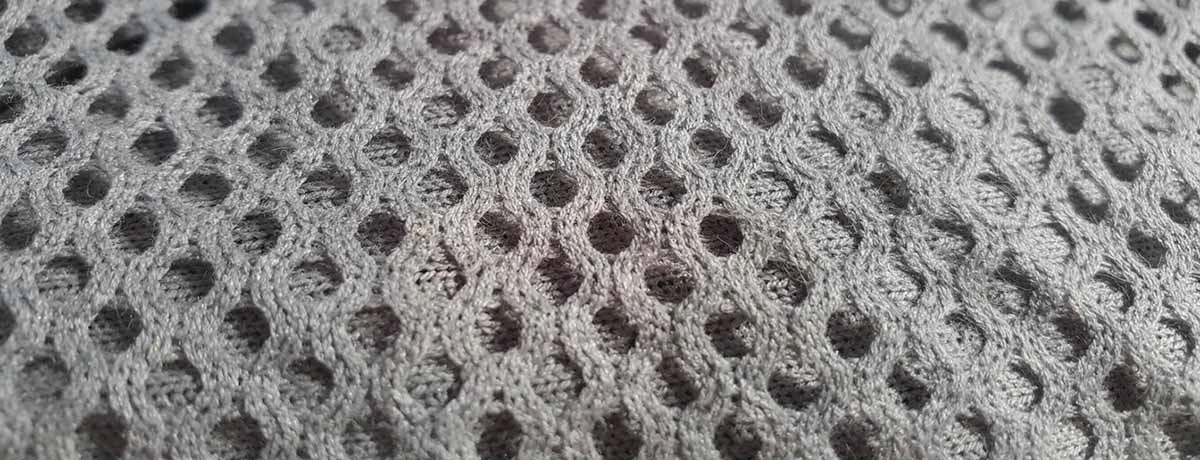
Sports mesh is a technical knit fabric engineered with a visible open-hole structure that provides ventilation and moisture management for performance apparel. Unlike solid knits, mesh fabric features intentional apertures created during the knitting process, allowing air to circulate freely across the body during high intensity sports and training activities.
MH mainly supplies four core mesh categories for professional sportswear and uniforms:
-
Polyester sports mesh: The workhorse material for jerseys, training vests, and team apparel
-
Polyester-spandex stretch mesh: Adds recovery and flexibility for fitted garments
-
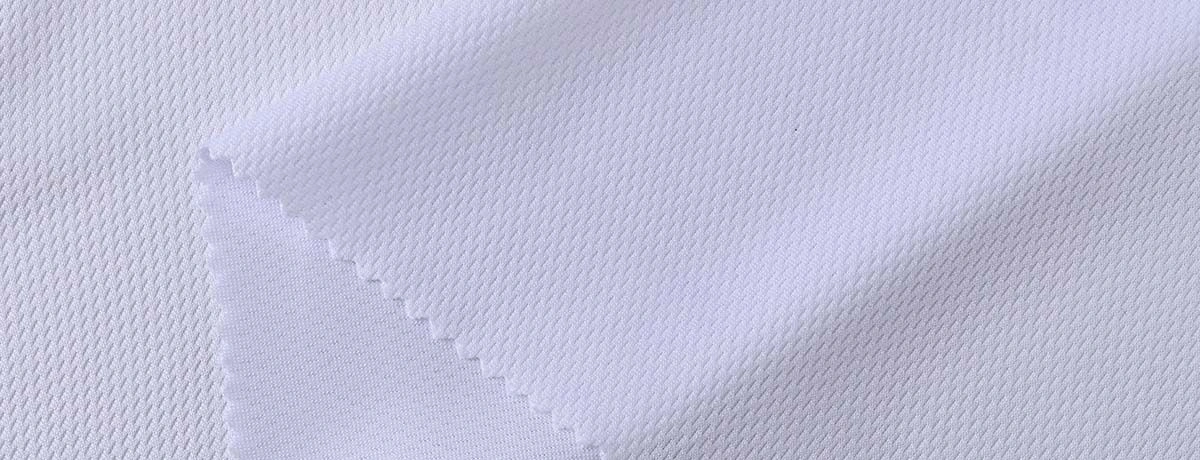
Bird-eye mesh: Features a small honeycomb or dotted texture ideal for T-shirts and polos
-
Sandwich mesh: A 3-layer spacer construction providing structure and cushioning
The weight of sports mesh varies significantly based on intended use. Light functional lining mesh typically runs 60–100 GSM, soft enough to sit comfortably against skin in shorts and jacket interiors. Heavier sports mesh for outer jerseys ranges from 180–350 GSM, providing the body and opacity needed for team uniforms in football, basketball, and school athletics.
sports mesh fabrics are designed for industrial-scale cutting, sewing, and printing operations. Whether your production line uses sublimation, heat transfer, or screen printing, these materials are manufactured to handle high-speed processing without the inconsistencies that slow down output or create quality issues.
Technical Specifications of MH Sports Mesh (Polyester, Bird-Eye, Sandwich)
When sourcing fabric for mass production, vague descriptions don’t cut it. Your technical and sourcing teams need concrete specifications to build patterns, calculate costs, and ensure consistent garment quality. Here’s what MH typically supplies across its sports mesh range:
Fiber Compositions
|
Mesh Type |
Composition |
Primary Use |
|---|---|---|
|
Standard polyester mesh |
100 polyester |
Jerseys, lining, training wear |
|
Stretch mesh |
90% polyester / 10% spandex |
Fitted tops, compression layers |
|
High-stretch mesh |
85% polyester / 15% spandex |
Gym wear, panel inserts |
|
Sandwich mesh |
100% polyester (3-layer) |
Shoe uppers, bags, structured items |
GSM Ranges by Product Type
-
Light mesh lining: 70–100 GSM for shorts, jackets, and tracksuit interiors
-
Standard bird-eye mesh: 120–160 GSM for T-shirts, polos, and casual training tops
-
Team jersey mesh: 160–220 GSM for football kits, basketball uniforms, and club wear
-
Sandwich/spacer mesh: 220–350 GSM for structured sports items, protective gear, and footwear
Standard Fabric Dimensions
Most sports mesh ships with a usable width of 150–160 cm (approximately 58–60 inches), which aligns with normal cutting marker layouts for sportswear. MH can adjust width specifications for OEM projects within agreed MOQs when your production requires non-standard dimensions.
Physical Performance Expectations
Buyers should expect these baseline characteristics from quality sports mesh:
-
Good dimensional stability under high-speed sewing without excessive stretching
-
Low shrinkage under standard sportswear washing conditions (typically under 3%)
-
Colorfastness suitable for repeated training use and commercial laundering
-
Consistent mesh appearance without dropped stitches or hole irregularities
MH can provide technical data sheets upon request, including GSM verification, fiber composition, colorfastness test results, and washing performance data. This documentation matters for factories, brands, and sourcing offices that need to ensure incoming materials meet specifications before production begins.
Performance Features for Professional Sportswear and Uniforms
The end product—whether it’s a football kit for a Nigerian club or running T-shirts for a Vietnamese brand—depends on fabric performance during actual athletic activities. Here’s how sports mesh delivers for athletes and the factories that clothe them.
Breathability That Keeps Athletes Cooler
The open mesh structure combined with careful yarn selection allows significant airflow across the body during training and matches. Studies in textile science show mesh fabrics can contribute to a 15–20% reduction in core body temperature rise during 60-minute soccer matches compared to non-mesh alternatives.
Air permeability for quality sports mesh typically ranges from 500–2000 L/m²/s, far exceeding solid knits at 100–300 L/m²/s. This breathable construction is what makes mesh the go-to choice for warm-weather sportswear.
Moisture Management for Humid Climates
Quick-dry and wicking finishes transport sweat from skin to the outer fabric surface, where it evaporates rapidly. Premium moisture-wicking treatments can move moisture at rates up to 300% faster than untreated cotton—critical for intensive use in hot, humid climates common across Africa, Southeast Asia, and Latin America.
Lightweight Comfort Without Compromise
Low GSM options keep garments from adding unnecessary weight, even when damp from perspiration. This lightweight profile matters enormously for running, football, and daily training wear where athletes need freedom of movement without feeling weighed down.
Durability for Repeated Use
High-tenacity polyester combined with stable knitting structures provides excellent resistance to abrasion and pilling. School sports uniforms and club kits endure heavy washing cycles—quality mesh should handle 50+ industrial wash cycles at 60°C without significant degradation.
Compatibility with Decoration Processes
MH’s sports mesh works seamlessly with standard factory decoration methods:
-
Screen printing for team logos and sponsor branding
-
Sublimation printing for all-over designs on white or light mesh
-
Heat-transfer vinyl for player numbers and names
This compatibility matters for production efficiency. Fabric that doesn’t hold print or transfers poorly creates waste and rework costs that eat into margins.
Sports Mesh Types from MH and Typical Applications
Different mesh constructions serve different manufacturing needs. Understanding which type fits your product line helps streamline development and sampling.
Polyester Sports Mesh
The classic open-hole mesh used throughout athletic apparel manufacturing. Typically available in 120–200 GSM, this material offers strong breathability, easy care, and straightforward processing. It’s the ideal choice for:
-
Football and soccer jerseys
-
Training vests and bibs
-
Fan apparel and promotional sportswear
-
School PE uniforms
Bird-Eye Mesh
Features a distinctive small honeycomb or “bird’s eye” texture pattern that provides a smooth outer surface perfect for printing and branding. Usually 130–160 GSM, this mesh type appears in:
-
Running and athletic T-shirts
-
Polo shirts for sports clubs
-
Training tops requiring premium aesthetics
-
Casual athleisure pieces
Spandex Sports Mesh
High-stretch mesh incorporating 8–15% spandex content delivers the recovery and fit retention needed for body-hugging garments. This type suits:
-
Compression base layers
-
Fitted gym tops and sports bras
-
Panel inserts where extra stretch is required
-
Performance running gear
Sandwich Mesh (Spacer Mesh)
A 3D structured knit with three distinct layers—outer mesh surfaces sandwiching a supportive core. Running 220–350 GSM, this durable construction serves:
-
Backpack straps and bag panels
-
Sports shoe uppers
-
Protective gear components
-
Jersey sections requiring additional body and cushioning
Light Lining Mesh
Thin, soft mesh in the 60–90 GSM range provides breathable interior layers without adding bulk. Common applications include:
-
Inner lining for sports shorts
-
Jacket and windbreaker linings
-
Team tracksuit interiors
-
Lightweight activewear panels
Whether you’re a teamwear brand, uniform factory, sports bag manufacturer, or protective gear producer, there’s a suitable mesh type within MH’s range for your specific production requirements.
Customization and OEM Service for Sports Mesh
Many brand owners and large garment factories require OEM or custom-made specifications matching their own tech packs and performance requirements. Off-the-shelf isn’t always enough when building differentiated products.
Specification Adjustments
MH can modify standard meshes to meet specific needs:
-
GSM adjustment (e.g., moving from 140 GSM to 160 GSM for more body)
-
Yarn count changes affecting drape and hand feel
-
Mesh density and hole size modifications
-
Structure variations between standard and high-stretch constructions
Color Customization
The lab-dip process enables brand-specific color development:
-
Pantone or physical sample-based color matching
-
Minimum order requirements per color (typically aligned with MOQ levels)
-
Batch-to-batch color control procedures ensuring consistency
-
Shade cards and approval samples before bulk production
Colors range across the full spectrum—from basic black and white to vibrant orange, team colors, and custom brand shades.
Functional Finishes
Performance treatments add value for specific end-use requirements:
-
Enhanced moisture-wicking for intensive training wear
-
Quick-dry coatings accelerating evaporation
-
Anti-UV treatments for outdoor sports applications
-
Anti-bacterial finishes for training tops and lining fabrics
Development Process
MH coordinates with customer technical teams throughout development:
-
Initial specification discussion and sampling
-
Pre-production yardage for test cutting, sewing, printing, and washing
-
Approval confirmation
-
Mass bulk production and shipment
Lead times differ between standard stock items (often 2–3 weeks) and made-to-order OEM specifications (typically 4–6 weeks depending on complexity). Early planning matters for seasonal teamwear programs where timing is critical.
How to Select the Right Sports Mesh for Your Production
Choosing the right mesh specification saves time, money, and headaches. Here’s a practical framework for sourcing and technical teams evaluating MH’s range.
Start from the Garment Type
|
Garment Category |
Recommended Mesh Type |
Typical GSM |
|---|---|---|
|
Shorts/jacket lining |
Light lining mesh |
70–100 |
|
Training T-shirts |
Bird-eye mesh |
130–160 |
|
Team jerseys |
Standard sports mesh |
160–220 |
|
Compression wear |
Spandex stretch mesh |
140–180 |
|
Shoes/bags |
Sandwich mesh |
220–350 |
Check Key Technical Parameters
Before confirming any order, verify:
-
GSM matches your pattern requirements
-
Stretch (or non-stretch) suits the garment design
-
Drape and hand feel align with product positioning
-
Mesh openness provides appropriate breathability and opacity
-
Compatibility with planned printing or embellishment processes
Consider End-Market Climate
Climate affects fabric selection significantly:
-
Hot, humid regions (Africa, Southeast Asia, Latin America): Prioritize highly breathable, quick-dry options with lower GSM
-
Temperate climates: Standard GSM provides adequate performance
-
Cooler regions: Slightly heavier GSM may be preferred for warmth and opacity
Request Samples Before Bulk Orders
Always request representative hangers or small sampling yardage to test:
-
Cutting behavior on your equipment
-
Sewing performance with your standard processes
-
Print adhesion and color vibrancy
-
Washing behavior and shrinkage
This step prevents costly surprises when bulk material arrives for production.
Leverage MH’s Technical Support
MH’s sales and technical teams can recommend proven mesh qualities based on your target market, price level, and garment category. Don’t guess—ask for guidance built from experience serving similar customers.


FAQ – Sports Mesh Fabric Wholesale
What is your usual lead time for bulk sports mesh orders?
Lead times depend on whether you’re ordering from stock or requesting custom specifications. Standard running items typically ship within 2–3 weeks of order confirmation. Custom OEM mesh with specific GSM, colors, or finishes usually requires 4–6 weeks for production. Peak seasons and very large orders may extend timelines, so early planning helps ensure on-time delivery for your production schedule.
Can MH supply color cards or hanger sets for my development team?
Yes. MH provides standard shade cards and physical swatches for core mesh items to support your product development process. Contact the sales team to request current color ranges and fabric hangers. For new development projects, sample lengths can be arranged to allow full evaluation before committing to bulk orders.
Is MH able to work with long-term contracts or seasonal sports programs?
Absolutely. MH has extensive experience supporting seasonal planning for teamwear brands, uniform suppliers, and corporate sports programs. This includes scheduled deliveries across multiple months, safety stock arrangements for key items when volume justifies, and price stability agreements for ongoing partnerships. Long-term customers benefit from priority production scheduling and dedicated support.
Can we mix different sports mesh qualities and colors in one shipment?
Mixed loads are possible within agreed MOQs per individual item. This flexibility helps buyers optimize freight costs and warehouse space by combining multiple mesh types—for example, jersey mesh in team colors plus lining mesh in neutrals—in a single container or LCL shipment. Discuss your specific mix requirements with MH’s logistics team to confirm feasibility.
Do you offer certifications or compliance documents for your sports mesh fabrics?
MH can provide basic compliance documentation and test reports depending on buyer requirements and target markets. Common reports include colorfastness testing, azo-free dye certification, and physical property verification. For specific compliance needs (OEKO-TEX, REACH, etc.), discuss requirements early in the sourcing process so appropriate testing can be arranged.
Moving Forward with Your Sports Mesh Supply
Selecting the right wholesale fabric partner goes beyond comparing price per meter. What matters for production success is consistent quality across every roll, reliable delivery that keeps your lines running, and technical support when specifications need adjustment.
MH’s sports mesh range covers the full spectrum of athletic apparel needs—from ultra-light lining to heavy-duty sandwich mesh—with the bulk supply capability and customization options that serious manufacturers require.
Ready to evaluate samples for your next sportswear collection? Contact MH’s team to request fabric hangers, discuss your technical specifications, and explore wholesale pricing for your production volume. The sooner you add the right mesh to your material library, the faster you can bring better products to your customers.
