
What Types of Strapping for Bags Are Best for Different Bag Manufacturing Applications?
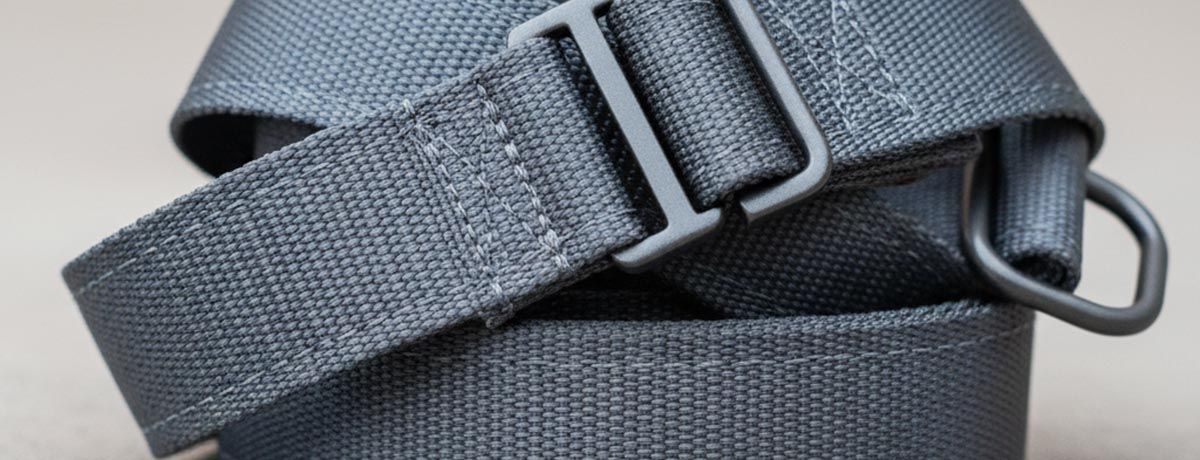
For garment factories and bag manufacturers, selecting the correct strapping material is a critical decision that impacts the durability, cost, and aesthetic appeal of the final product. Strapping, or webbing, serves as the primary load-bearing component for backpacks, luggage, totes, and industrial bags. Bag straps are a key component in bag construction, providing both durability and style for a wide range of custom projects.
The primary strapping materials for bags are nylon, polyester, polypropylene, cotton, and leather.
MH, a leading Chinese integrated industrial and trade company, specializes in the mass production of high-quality textile accessories. This guide outlines the essential properties of various strapping materials to assist procurement managers and wholesalers in making informed sourcing decisions for large-scale production.
Essential Webbing Materials for Industrial Application
Different bag designs require specific webbing properties. MH manufactures a diverse range of strapping solutions tailored to specific load requirements and price points.
Nylon Webbing: Durability and High Tensile Strength
Nylon webbing remains the standard for high-performance applications. Known for its exceptional tensile strength and resistance to abrasion, nylon is the preferred choice for manufacturing heavy-duty backpacks, outdoor gear, and luggage. It possesses a lustrous finish and a smooth hand feel, adding a premium quality to the finished goods. MH produces nylon webbing that withstands rigorous use, ensuring longevity for the end consumer.
Polypropylene (PP) Webbing: Cost-Effectiveness and Utility
For manufacturers seeking a balance between performance and cost, polypropylene webbing is an ideal solution. It is water-resistant, lightweight, and resistant to mildew, making it suitable for outdoor utility bags, promotional items, and budget-friendly product lines. While slightly less durable than nylon, PP webbing offers excellent value for high-volume orders where cost control is a priority.
Cotton Webbing: Eco-Friendly and Aesthetic Appeal
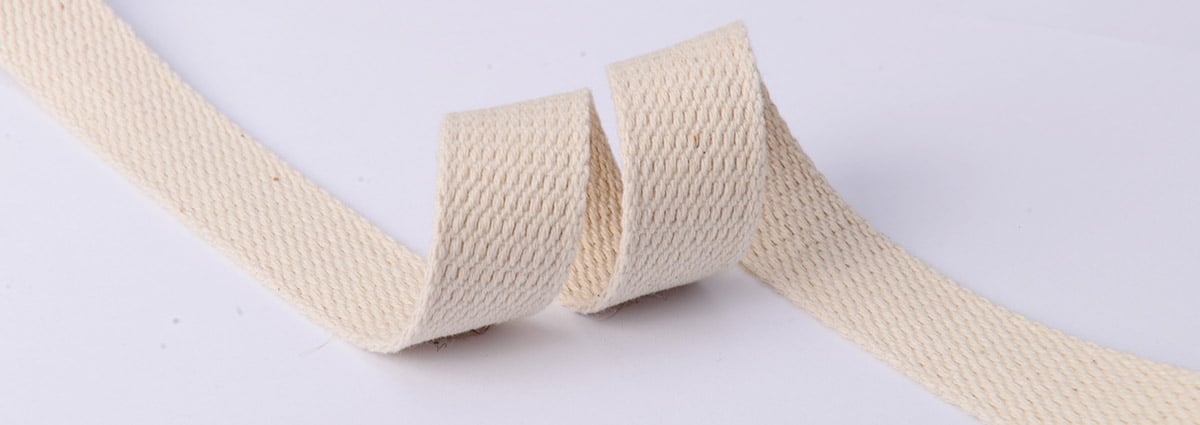
Cotton webbing provides a softer, more natural texture compared to synthetic alternatives. It is widely used in the production of fashion totes, casual shoulder bags, and eco-friendly product lines. Although it does not match the tensile strength of nylon, cotton webbing offers superior comfort against the skin and aligns with sustainable sourcing requirements. MH supplies cotton webbing in various weights to suit different design specifications.
Ribbon and Tubular Webbing: Specialized Applications
Beyond standard flat webbing, specialized options such as tubular webbing offer increased strength and flexibility without added bulk. Ribbon webbing is often utilized for decorative trims or lighter-duty handle applications. These materials allow manufacturers to differentiate their product lines through unique textural elements.
Customization Capabilities for Mass Production
MH operates on a make-to-order basis, providing extensive customization options and features for B2B clients. These features include customizable design elements and functionalities such as adjustable straps, decorative accents, and structural support, allowing for both style and practicality in strapping for bags. Unlike retailers selling off-the-shelf stock, MH tailors production to meet the precise technical packs of garment factories and distributors. Custom webbing options are available for personalized bag-making projects. Additionally, webbing is available in various colors and patterns, making it ideal for different bag styles.
Brand Integration and Jacquard Weaves
Customization is essential for brand identity. MH offers jacquard weaving services, allowing logos, brand names, or specific patterns to be woven directly into the strap. This provides a permanent branding solution that does not peel or fade, unlike printed alternatives.
Color Matching and Width Specifications
To ensure consistency across a product line, MH provides precise color matching services. Whether adhering to Pantone standards or matching a physical fabric swatch, the dyeing process ensures colorfastness and uniformity. Procurement managers can specify exact widths and thicknesses to ensure the strapping integrates seamlessly with existing hardware and buckles.
Hardware Compatibility
Strapping must function flawlessly with sliders, buckles, and fasteners. MH supplies both the textile webbing and the necessary plastic or metal hardware, ensuring compatibility and reducing supply chain complexity for the buyer.
Benefits of High-Quality Strapping in Manufacturing
Sourcing durable strapping materials directly from a manufacturer like MH offers several advantages for large-scale operations.
-
Product Integrity: High-quality webbing reduces the risk of strap failure, protecting the brand reputation of the manufacturer and minimizing returns.
-
Production Consistency: MH ensures that material specifications—such as weave density and tensile strength—remain constant across large batches, preventing issues during the sewing and assembly process.
-
Cost Efficiency: Direct sourcing minimizes overheads associated with intermediaries. MH’s integrated industrial model allows for competitive pricing on bulk orders.
Best Practices for Bag Production
Selecting the right webbing straps is a crucial step in creating high-quality, durable, and stylish bags. Whether you’re working on handmade bags, large-scale bag making projects, or DIY endeavors, the type of webbing you choose directly impacts the strength, appearance, and functionality of your finished product.
For outdoor applications such as backpacks and adventure gear, nylon webbing straps are the go-to choice. Their lightweight, water-resistant properties make them ideal for bags that need to withstand the elements and frequent use. Nylon’s strength ensures your bags are ready for action, providing security and reliability in demanding environments.
When crafting handmade bags or fashion-forward totes, cotton webbing offers a soft, comfortable feel and a polished finish. It’s perfect for projects where style and comfort are just as important as durability. Choosing a sturdy cotton webbing ensures your bag handles and straps can handle daily wear while maintaining their aesthetic appeal.
DIY projects and custom bag making benefit greatly from the versatility of webbing handles. Adding webbing handles not only enhances the professional look of your bags but also increases their security and usability. For those seeking a cost-effective yet durable solution, polypropylene webbing straps are an excellent option. They are easy to work with, available in a wide selection of colors and patterns, and provide the ideal balance of strength and affordability for tote bags, backpacks, and more.
When selecting webbing straps, always consider the specific requirements of your bag—whether it’s the need for extra strength, a soft feel, or a particular style. The right choice ensures your bags are not only functional and durable but also visually appealing and ready for any occasion.
Strategic Sourcing for Bag Lines
When selecting strapping for a new collection, procurement managers should evaluate the intended lifecycle of the bag.
-
Heavy Loads: For hiking packs or travel luggage, prioritize high-tenacity nylon.
-
Daily Use: For school bags or laptop cases, standard polyester or customized PP blends often provide the best ROI.
-
Fashion/Eco: For canvas shoppers or beach bags, specify heavyweight cotton webbing.
MH supports clients in identifying the optimal material composition for their specific manufacturing needs. By leveraging MH’s customized production capabilities, businesses ensure their products meet rigorous market standards for quality and design.
Partner with MH for Strapping Solutions
MH stands as a premier supplier for the global textile industry, delivering tailored solutions for wholesalers and manufacturers. With a focus on quality assurance and efficient mass production, MH is equipped to handle substantial orders with precise customization requirements.
Contact the MH sales team today to discuss production lead times, sample development, and bulk pricing for your next manufacturing cycle.