
How Do You Choose the Best Stretch Fabric for Workwear Durability and Comfort?
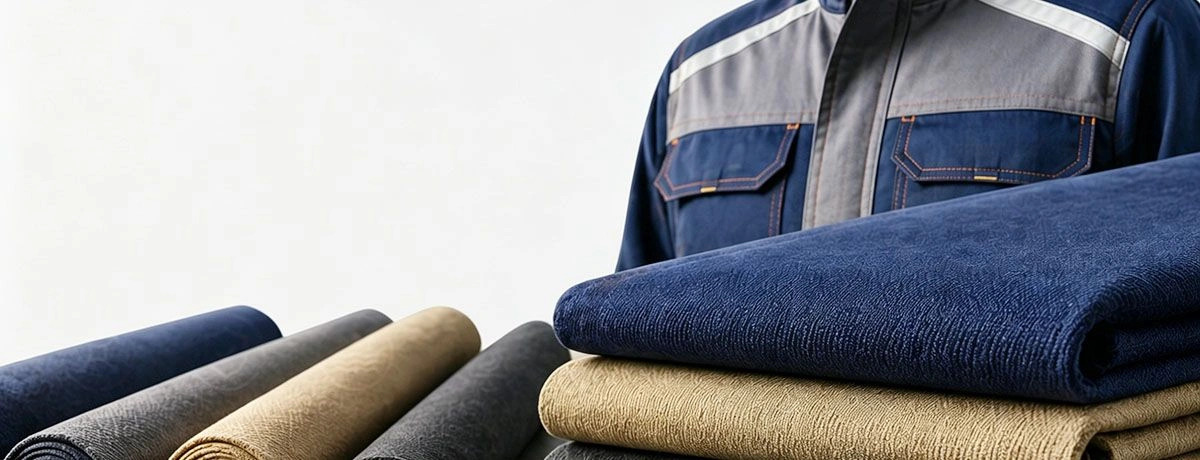
Introduction: Why Workwear Buyers Are Switching to Stretch Fabrics
For workwear manufacturers and uniform suppliers, choosing the right fabric is no longer just about durability. Today’s industrial workers demand comfort, flexibility, and performance, especially in physically demanding environments.
Traditional rigid fabrics often lead to:
-
Restricted movement
-
Faster wear and tear
-
Lower worker productivity
-
Poor user experience
-
Difficulty for workers to maintain comfort and productivity
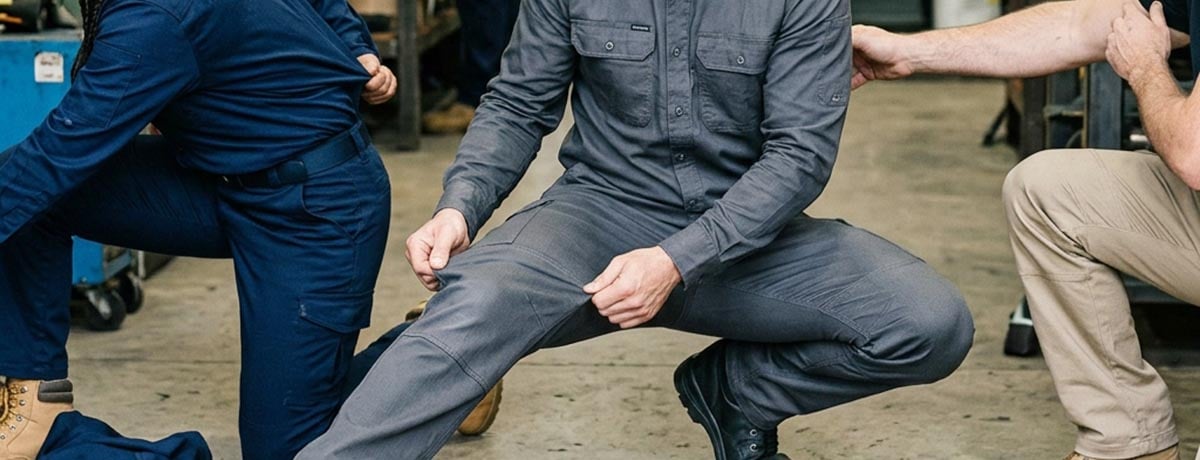
Stretch fabrics are engineered to provide exceptional elasticity and recovery, enhancing comfort, fit, and freedom of movement for the wearer. They allow for natural movement during physically demanding tasks such as climbing, squatting, or reaching.
The use of stretch fabrics in workwear improves worker mobility and comfort, reducing physical stress and fatigue, which can enhance productivity and job satisfaction. Additionally, stretch fabrics can improve worker safety by allowing for more natural movements, reducing the risk of muscle strains and joint injuries.
As a result, stretch fabrics are widely used in workwear and uniforms to enhance mobility and comfort, particularly in jobs that require significant movement, such as construction and warehouse work.
As a result, more B2B buyers are actively sourcing stretch fabric for workwear to meet modern market demands.
This guide is designed for:
-
Workwear brands
-
Uniform manufacturers
-
Fabric wholesalers
-
Industrial garment importers
It will help you quickly identify the best stretch fabric solutions and reliable suppliers for bulk orders.
Quick Recommendation: Best Stretch Fabrics for Workwear
If you need a fast decision:
-
Best overall choice: Polyester-Spandex Twill Fabric
-
Best for heavy-duty use: Mechanical Stretch Woven Fabric
-
Best for flexibility & movement: 4-Way Stretch Woven Fabric
-
Best for hot climates: Lightweight Stretch Woven or Knit Fabric
For stable supply and competitive pricing, sourcing from an experienced supplier like MH is highly recommended.
Main Content
Types of Stretch Fabric for Workwear
Understanding fabric types is key to making the right purchasing decision. Stretch fabrics are made from a variety of fibers, including synthetic fibers like polyester and nylon, and natural fibers such as cotton, wool, and silk. Each fiber type contributes unique properties to the final fabric, influencing comfort, durability, and performance.
Types of Stretch Fabric for Workwear
Stretch fabrics can be classified based on the fibers used and the method by which elasticity is achieved. Natural fibers like cotton, wool, and silk have limited inherent stretch unless they are blended with elastic fibers or treated with special manufacturing techniques. Synthetic fibers, such as polyester and nylon, are often used in blends to enhance stretch and shape recovery, making them ideal for high-performance workwear and athletic applications.
1 Mechanical Stretch
Mechanical stretch is achieved through specialized weaving techniques, often using polyester or poly-cotton blends, rather than by adding elastic fibers. This method allows the fabric to flex and move with the wearer, providing comfort and ease of movement. Mechanical stretch fabrics are more durable and handle high-temperature laundering better, making them suitable for demanding workwear environments.
2 Spandex (Elastane/Lycra) Stretch
Spandex, also known as elastane or Lycra, is a synthetic fiber that provides high-performance four-way stretch, allowing for maximum range of motion. These fabrics often combine natural breathability with a small percentage of spandex for flexibility, especially in structured weaves. This combination is popular in workwear that requires both comfort and freedom of movement.
3 EME (Elastomultiester) Stretch
EME (Elastomultiester) is a synthetic polyester stretch fiber that does not contain spandex, making it easier to recycle and reducing post-consumer textile waste. EME provides natural stretch and recovery, making it suitable for high-performance workwear fabrics, especially in polyester-cotton blends.
By understanding the role of different fibers—such as cotton for comfort and breathability, wool and silk for natural properties, and synthetic fibers like polyester and nylon for enhanced stretch and durability—buyers can select the most appropriate stretch fabric for their workwear needs.
1. Mechanical Stretch Fabric
-
Uses specialized weaving techniques to create elasticity without adding spandex
-
More affordable than elastic fabrics
-
Strong and durable for industrial use
Best for: Budget-sensitive projects and heavy-duty uniforms
2. Spandex Stretch Fabric (2-Way / 4-Way)
-
Contains elastane for superior elasticity, allowing the fabric to stretch and recover without losing its original shape.
-
Two-way stretch fabrics expand in one direction, typically side-to-side, while four-way stretch fabrics expand in both directions—side-to-side and up-and-down—offering greater flexibility and movement. The direction of stretch is important for garment performance, with four-way stretch providing enhanced comfort and shape retention for active workwear.
-
Excellent recovery and long-lasting shape retention, even when stretched in multiple directions.
Best for: Active jobs requiring frequent movement
3. Stretch Twill Fabric
-
Combines strength of twill weave with flexibility
-
Resistant to tearing and abrasion
-
Widely used in garments such as work pants, jackets, and uniforms for workwear due to durability and flexibility
Best for: Construction, factory, and outdoor workwear
4. Stretch Knit Fabric
-
Soft, breathable, and lightweight
-
Offers excellent comfort for long working hours
Best for: Indoor uniforms and light-duty applications
Key Features of Stretch Workwear Fabrics
When sourcing stretch fabric for workwear, buyers should focus on:
-
Flexibility – Allows freedom of movement
-
Durability – Withstands harsh working conditions
-
Breathability – Keeps workers comfortable
-
Shape Retention – Maintains garment structure
-
Easy Maintenance – Washable and wrinkle-resistant
Applications of Stretch Fabric in Workwear
Stretch fabrics are widely used across multiple industries and industrial applications, including:
-
Construction and engineering uniforms made from T/C 65/35 twill fabric
-
Industrial and factory workwear
-
Logistics and warehouse clothing
-
Security and service uniforms
-
Outdoor workwear using lightweight polyester Taslon fabric
-
Corporate uniforms and fashion-forward pieces using lightweight chiffon fabric
-
Protective gear and uniforms that require enhanced mobility and protection, often using durable coated Oxford fabric
These fabrics are essential in protective workwear, offering a combination of comfort, flexibility, and protection such as abrasion resistance and compliance with safety standards. Stretch fabrics support a full range of motion for workers in physically demanding jobs, ensuring both productivity and safety.
In addition to workwear and gear, stretch fabrics are utilized in the automotive industry for car seats and interior components, providing comfort and flexibility that adapt to passenger motion. They are also applied in the production of bags and luggage, allowing for expandable sections and pockets that enhance versatility and convenience for travelers.
As industries evolve, demand for functional and ergonomic fabrics continues to grow.
Why Choose MH as Your Stretch Fabric Supplier
When sourcing stretch fabric for workwear, choosing the right supplier is just as important as choosing the fabric.
MH stands out as a reliable global partner:
-
Over 20 years of textile export experience
-
Serving customers in 150+ countries
-
Strong production capacity with stable quality control
-
Wide product range:
-
Stretch fabrics
-
Twill, Oxford, Taslon, satin, and more, including polyester spandex woven 4-way stretch fabrics with specialized finishes such as laminate coatings for enhanced durability and waterproofing
-
Fabrics certified to ISO standards for safety and protective clothing from a leading global textile manufacturer
-
-
Flexible MOQ for different markets
-
Fast delivery and professional export service
-
Integrated supply chain for competitive pricing
With MH, you can reduce sourcing risks and ensure consistent supply for bulk orders.


Comparison & Selection Guide: How to Choose the Right Fabric
Choosing the right stretch fabric depends on your specific needs:
|
Factor |
Recommendation |
|---|---|
|
Heavy-duty work |
Stretch Twill or Mechanical Stretch (ideal for durability and strength) |
|
Hot climate |
Lightweight stretch fabric (ideal for breathability) |
|
Budget control |
Mechanical stretch fabric (ideal for cost-effectiveness) |
|
High comfort |
Spandex (2-way or 4-way) (ideal for flexibility and comfort) |
|
Outdoor use |
Durable woven stretch fabric (ideal for rugged environments) |
Certain fabrics are ideal for specific applications—for example, mechanical stretch is ideal for heavy-duty workwear, while four-way stretch fabrics are ideal for maximum flexibility and comfort. Always balance cost, performance, and application when making purchasing decisions.
Call to Action: Source High-Quality Stretch Fabric Today
Looking for a reliable stretch fabric supplier for workwear?
MH offers a comprehensive range of products and services, including:
-
Free fabric samples
-
Customized product recommendations
-
Competitive bulk pricing
-
Fast global delivery supported by MH’s polyester sewing thread factories
We also provide ongoing support to help you select and implement the best stretch fabric solutions for your workwear needs.
Contact MH today to get a quotation and start your next workwear project.
FAQ: Stretch Fabric for Workwear
Q1: What is the best stretch fabric for workwear?
A: Polyester-spandex twill is the most popular choice due to its balance of durability and comfort.
Q2: Is spandex necessary for workwear fabrics?
A: Not always. Mechanical stretch fabrics provide a cost-effective alternative.
Q3: What GSM is suitable for workwear fabric?
A: Typically between 180–300 GSM depending on usage.
Q4: Are stretch fabrics durable enough for industrial use?
A: Yes. Woven stretch fabrics like twill are highly durable and abrasion-resistant. High-quality stretch fabrics made with synthetic fibers such as polyester and nylon can recover their original shape after stretching, ensuring long-lasting performance.
Q5: Can I order in bulk with customized specifications?
A: Yes, MH supports bulk orders with customization options.
