
Tricot Fabric: Properties, Applications, and Sourcing
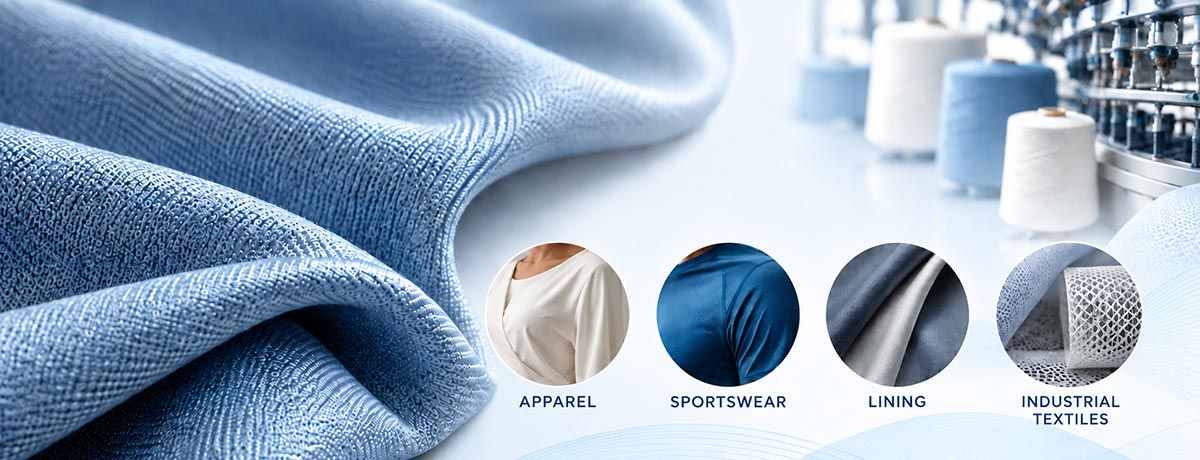
Tricot fabric is one of the most versatile warp-knit textiles in global manufacturing, serving everything from delicate lingerie to heavy-duty automotive backings. For professional buyers managing large-scale apparel products or industrial programs, understanding tricot's structure, performance envelope, and sourcing mechanics is essential to making sound procurement decisions.
Key Takeaways
-
Tricot fabric is a knit fabric produced using a warp knitting process, where yarns are inter-looped in a lengthwise direction to create a structure with excellent dimensional stability, smooth texture, and controlled stretch.
-
MH supplies tricot fabrics strictly on a Make-to-Order basis, with customized specifications for fiber content, weight, width, finish, and way stretch-engineered per buyer tech pack, not sold as ready stock.
-
Core performance benefits include reliable 2-way or 4-way stretch, moisture wicking properties, run resistance, and consistent quality across large production runs, making tricot suitable for intimate apparel, sportswear, swimwear, linings, automotive textiles, and industrial applications.
-
MH's integrated manufacturing and trading model covers warp knitting, dyeing, finishing processes, compliance testing, and global export logistics, positioning the company as a strategic long-term partner for bulk tricot sourcing.
What Is Tricot Fabric?
Tricot fabric is produced using a warp knitting process in which each warp yarn is fed to its own needle, and warp knitting machines use latch needles to form tricot fabric with loops running primarily in the warp direction. This creates vertical wales on the face and crosswise ribs on the back-a construction fundamentally different from weft knit alternatives like jersey or interlock. The result is a fabric with significantly higher dimensional stability, a much lower tendency to curl at cut edges, and strong resistance to laddering when snagged.
Tricot is often made from synthetic fibers like polyester and nylon, frequently blended with elastane or spandex when engineered stretch and recovery are required. Natural fibers such as cotton or rayon are uncommon in authentic warp-knit tricot, particularly when technical finishes or high-strength performance are specified. The smooth surface on the face, often carrying a subtle sheen from fine filament yarns, contrasts with the slightly textured reverse-a duality that allows design teams to optimize which side faces the skin or the garment shell.
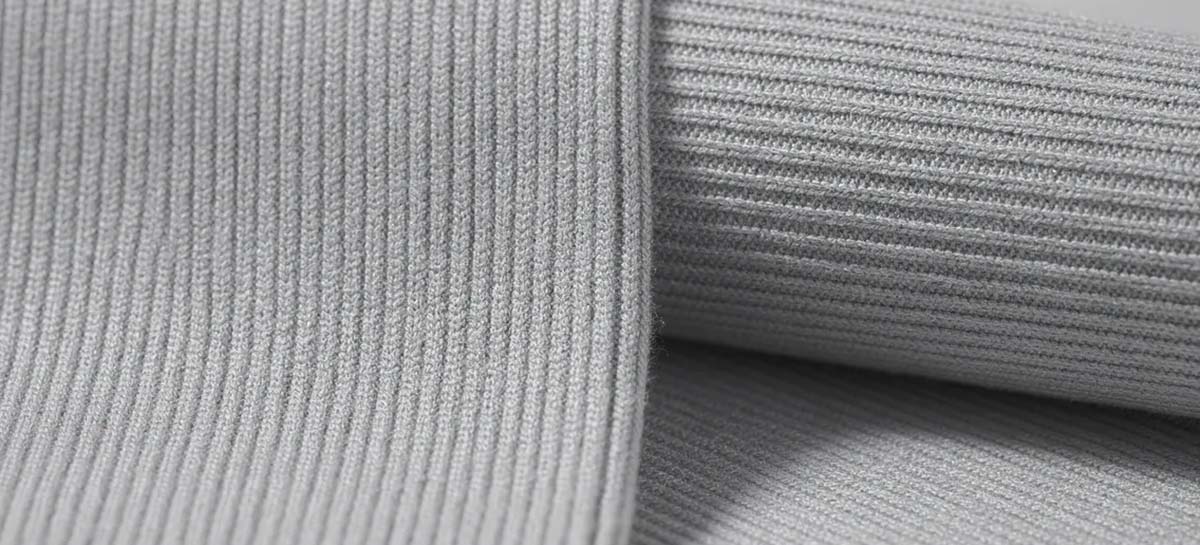
Tricot materials can be engineered across a wide weight spectrum. Lightweight sheer qualities range from 40–80 gsm for delicate lingerie linings, mid-weight constructions of 120–180 gsm serve swimwear shells and sportswear panels, and heavy constructions exceeding 200 gsm address automotive backings, filtration substrates, and protective textiles. Tricot has a smooth face with fine lengthwise ribs, is run-resistant due to its interlocking warp-knit structure, and has a unique construction that resists wrinkling and curling at the edges-properties that make it highly predictable in automated cutting and sewing lines.
Key Characteristics and Performance Properties of Tricot Fabrics
The following attributes drive most sourcing decisions for tricot material among production managers and product developers.
Smooth texture and handle. Fine-gauge needles and filament yarns produce a clean, low-friction surface. Tricot has a smooth texture that feels soft against the skin, making it a popular choice for garment linings and intimate apparel where chafing must be minimized. The soft feel and drape can be further enhanced through calendering or sueding during various finishing processes.
Stretch and recovery. Tricot fabric is known for its excellent stretchability. Widthwise elongation typically ranges from 30–80%, while lengthwise stretch falls between 15–30%, depending on elastane content and the knitting process configuration. Tricot offers great elasticity and 4-way stretch when blended with spandex. MH can tune way stretch to buyer-specified test methods (ISO, ASTM, AATCC) and validate recovery rates-often ≥90–95% for performance programs.
Moisture wicking and quick drying. Cross-section polyester, microdenier yarns, or topical hydrophilic finishes enable moisture wicking properties that keep users dry. Tricot constructions can dry 20–30% faster than comparable cotton jersey, making them well-suited for lightweight, breathable sportswear applications, teamwear, and workwear. Tricot is typically machine-washable and quick-drying.
Dimensional stability and durability. High-quality tricot fabrics exhibit less than 1–3% dimensional change after repeated washing when properly heat-set. Tricot is durable and resistant to wear and tear. Pilling resistance is generally superior to fuzzy or low-twist weft knits, a critical consideration for long-life apparel products and industrial textiles with strict tolerances.
Dyeability, colorfastness, and printability. Disperse dyes for polyester, acid dyes for nylon, and careful process control for elastane blends ensure consistent shade. The smooth surface aids print clarity for digital sublimation or rotary screen printing on branded activewear and intimates, especially when combined with colorfast polyester and rayon embroidery threads. Tricot fabric undergoes finishing processes like dyeing and printing to achieve the desired aesthetic and performance profile.
Functional finishes. Optional treatments include flame-retardant, antimicrobial, anti-odor, anti-snag coatings, or laminated membranes for waterproof-breathable structures-relevant to technical outerwear, coats, and industrial applications.
Major Application Segments for Tricot Fabrics
Tricot's platform versatility allows the same fundamental construction to serve both performance clothing and non-apparel segments, with specific constructions tuned per end-use.
Intimate apparel and lingerie. Tricot is used in lingerie and intimate apparel requiring fine gauge, breathable constructions, and controlled stretch for bras, shapewear, underwear, sleepwear, and nightwear, sometimes combined with lightweight chiffon fabric for drape and sheerness. The beautiful fabric hand and body-conforming recovery make tricot a staple in this segment.
Sportswear and athleisure. Tricot is commonly used for sportswear and activewear-active tops, leggings, tracksuits, training jackets, and yoga garments all benefit from moisture wicking, excellent elasticity, and durable four-way stretch performance, and colorfastness to sweat and light. Tricot supports active use in high-performance environments.
Swimwear. Tricot is suitable for swimwear due to its smooth texture, chlorine-resistant elastane options, higher modulus for support, and dense constructions that control transparency. Consistent bulk shade control is critical for brands placing seasonal orders.
Linings and interlinings. Tricot's smooth texture makes it a popular choice for garment linings. It is often used as lining material in jackets and coats, formalwear, outerwear, and bags. Low bulk and stability ease garment assembly on high-speed sewing lines.
Upholstery and automotive. Heavier or laminated tricot serves as backing, seat cover substrates, headliners, and foam-laminated panels. These require higher abrasion resistance and stringent VOC and flammability compliance (e.g., FMVSS 302).
Technical and industrial applications. Filtration media, reinforcement layers for composites, coating substrates, TR polyester-rayon uniform fabrics, and medical or hygiene textiles demand uniform pore size, strength, and stability. Tricot is also utilized in home textiles like bed linens and curtains, as well as accessories such as gloves and hats.
Types of Tricot Fabric Structures and Their Typical Uses
Understanding structure families helps match specifications to desired hand feel, performance, and price points.
-
Plain tricot is the most common knit structure-smooth face, fine gauge, widely used in lingerie, linings, and lightweight sportswear at 40–100 gsm. Tricot is lightweight and breathable in this form and processes efficiently with high-quality polyester sewing threads.
-
Raschel tricot combines tricot stitches with cords or laces, producing more textured surfaces with options for open-work, mesh, and decorative effects for sports panels, backpacks, or fashion applications.
-
Brushed tricot has a soft, warm finish for cold-weather clothing. Mechanical brushing on one or both sides creates a luxurious peach-skin surface for winter sportswear, outerwear linings, blankets, and upholstery backings.
-
Mesh tricot features an open, net-like structure for breathability-used in sports inserts, shoe linings, and pockets, and can be paired with specialized bag and luggage accessories in backpacks or travel gear.
-
Power mesh is highly elastic and provides support in one direction, ideal for control garments, compression zones, and waist panels.
-
Heavy-gauge or spacer-like tricot offers thicker, more structured constructions for protective garments, footwear components, or cushioning where loft matters.
When briefing MH, share your end-use, desired GSM, and stretch direction so the correct tricot structure can be recommended.
Pros and Cons of Tricot Fabrics for Large-Scale Manufacturing
For production managers evaluating tricot versus woven or other knit fabric options:
Advantages:
-
Balanced combination of stretch and dimensional stability
-
Excellent processability in automated spreading, cutting, and creating efficient production workflows
-
Run resistance compared with many weft knits-reduced waste
-
Tricot typically provides good shape retention during wear and across garment lifecycles
-
High machine productivity on modern warp knitting lines
Drawbacks:
-
Fine-denier tricot can snag under rough handling
-
Sensitivity to high heat during finishing and garment pressing (particularly elastane blends)
-
Extremely elastic constructions require careful stabilization during cutting to avoid distortion
-
Specialty colors or finishes may raise MOQs and lead times
MH's technical team helps balance these trade-offs by recommending yarn choices, constructions, and finishes aligned to target cost, lifecycle expectations, and performance standards, including guidance on 120D/2 polyester embroidery thread selection where decorative stitching is required.
How MH Supports B2B Buyers with Tricot Fabric Sourcing
MH operates as a Make-to-Order, industrial-scale tricot fabric partner for B2B buyers, garment factories, converters, and wholesalers. The integrated manufacturing and trading model covers warp knitting capacity, coordinated dyeing and finishing plants, and centralized export operations handling documentation, testing, and global logistics.
MH works from buyer tech packs specifying fiber composition, GSM target, way stretch requirements, hand feel, color standards, and compliance needs (OEKO-TEX, REACH, brand RSLs). Capacity supports seasonal programs, repeat orders, and multi-country distribution with consistent tricot material quality. Lead times are optimized through early technical alignment-development sampling, lab dips, pre-production approval, then bulk production.
MH positions itself as a strategic supplier for intimate apparel, sportswear, workwear, and industrial programs where continuity and predictability outweigh spot purchasing.


FAQs
Can tricot fabrics be customized for both 2-way and 4-way stretch in bulk orders?
Yes. Stretch behavior is engineered by combining elastane content with specific warp-knit constructions, guide-bar configuration, yarn texturing, and heat-setting parameters. MH designs the fabric structure around the buyer's target elongation and recovery values, then validates performance using standard lab tests (ISO, ASTM) before committing to bulk production.
Are tricot fabrics suitable for high-temperature industrial washing or laundering processes?
Standard polyester or nylon tricot with elastane is designed for home laundering conditions and has temperature limits. For industrial laundering or sterilization, MH can adjust yarn selection (e.g., high heat-stable elastane) and finishing protocols, but buyers must specify exact wash temperatures, chemicals, and cycle counts so the construction can be validated against those conditions before production.
How does tricot compare to woven fabrics for automotive or upholstery backings?
Tricot backings offer controlled stretch, better conformability over complex three-dimensional shapes, and strong adhesion in foam or flame lamination. Woven materials deliver very high dimensional stability with minimal stretch. For seating, headliners, and foam-laminated panels, tricot often improves assembly efficiency and comfort.
Can MH develop sustainable or recycled tricot fabrics for brand programs?
MH can source and weave tricot from recycled polyester or other lower-impact fibers on a Make-to-Order basis, provided program volumes justify the specialized raw materials, and can align trim usage with certified rayon embroidery threads for branding. Relevant sustainability documentation-GRS certification, OEKO-TEX recycled content verification-can be coordinated when required by international brands.
