
How Do You Choose the Right Trouser Elastic Band for Pants Manufacturing?
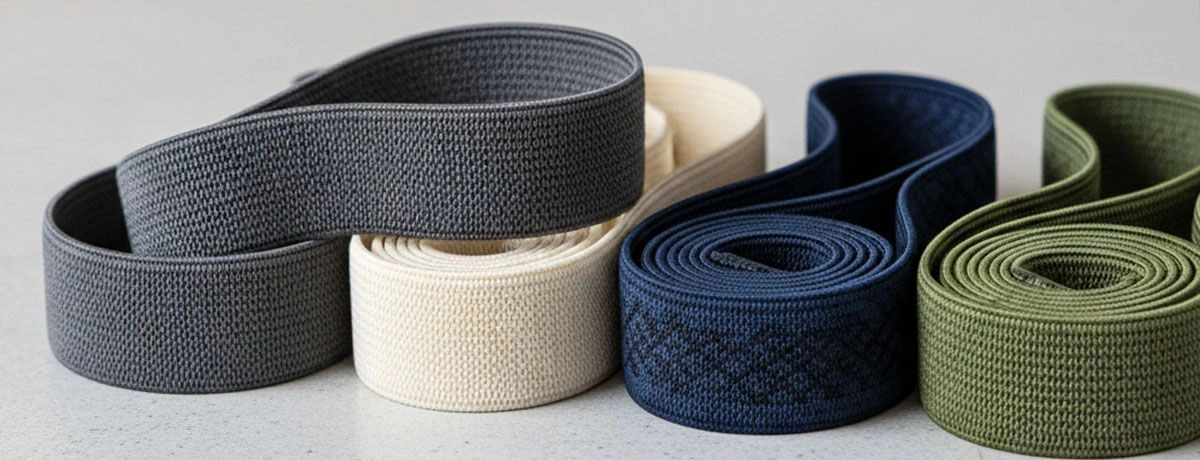
Introduction: Why Trouser Elastic Band Matters in Garment Production
In modern garment manufacturing, the trouser elastic band is a key component that directly affects comfort, fit, and durability. Whether producing casual pants, leggings, or workwear trousers, the right elastic waistband ensures flexibility and long-term performance. The choice of elastic should match the weight and type of fabric to ensure both durability and comfort. Selecting the appropriate elastic for the fabric weight helps prevent issues like sagging or excessive tightness, which can affect the quality of the final product. For example, lightweight fabrics may require a softer, narrower elastic, while heavier fabrics or workwear benefit from wider, stronger elastic bands to maintain shape and support.
For B2B buyers, including garment factories and wholesalers, selecting the right elastic band is essential for maintaining product quality while optimizing cost. Elastic waistbands naturally adjust to changes in body shape, accommodating weight fluctuations and bloating, and provide a secure, snug feel without the need for rigid buttons or belts. This improves comfort by allowing the garment to move with the body, making it ideal for long periods of wear. Additionally, replacing restrictive buttons with elastic can improve blood circulation and breathing by reducing pressure on the stomach, especially when using lightweight fabrics such as wholesale chiffon fabric for soft, flowy garments.
What is a Trouser Elastic Band?
A trouser elastic band is a stretchable material sewn into the waistband of pants to provide flexibility and secure fit around the waist and hips. Taking accurate measurement is crucial when selecting and cutting elastic for pants to ensure a comfortable and proper fit.
It is typically made of:
-
Elastic core (rubber or spandex)
-
Outer yarn (polyester, cotton, or nylon)
Choosing the right elastic width and thickness is essential for the style of pants being designed. For example, wider elastic is often used for athleisure or workwear pants to provide extra support, while thinner, more invisible elastic is preferred for dress trousers. Elastic can also be inserted into the back waistband for targeted fit adjustments, improving comfort and fit without altering the entire waistband.
Key Features:
-
Strong stretch and recovery
-
Comfortable fit for daily wear
-
Durable under repeated sewing, washing, and wearing
Materials of Elastic Bands
Elastic Core
-
Natural Rubber: cost-effective, good elasticity
-
Spandex (Elastane): higher stretch, better durability
Outer Yarn Covering
-
Polyester: durable, widely used in pants and trousers
-
Cotton: soft, skin-friendly, ideal for underwear or casual wear
-
Nylon: smooth, strong, premium feel
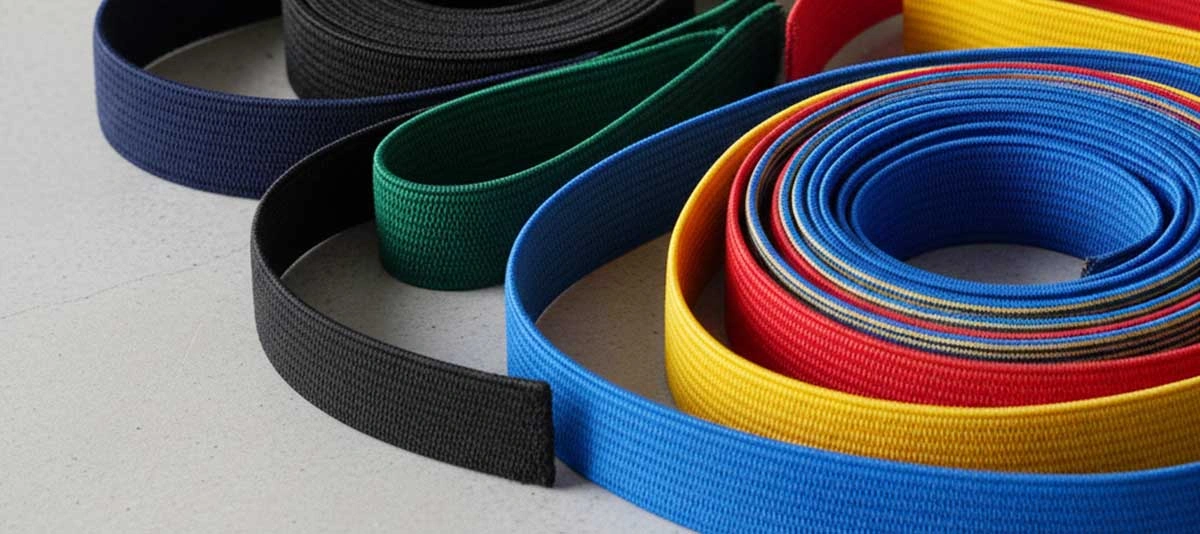
Types of Trouser Elastic Bands
Woven Elastic Band
-
Strong and firm
-
Does not narrow when stretched
-
Used for trousers, workwear, and heavy garments
Knitted Elastic Band
-
Soft and lightweight
-
Suitable for casual pants, shorts, and leggings
Braided Elastic Band
-
Narrows when stretched
-
Budget-friendly option
Jacquard Elastic Waistband
-
Custom logo or pattern
-
Ideal for branded garments
Fold Over Elastic
-
Soft and flexible
-
Used in sportswear and stretch garments
How to Attach Elastic Band to Pants (Step-by-Step Guide)
For garment factories, proper sewing technique ensures the elastic is securely attached and performs well.
When preparing elastic for a waistband replacement, use a rotary cutter and cutting mat to make clean, precise cuts. Always measure the waistband accurately and add a small margin for seam allowance before cutting the elastic. It is also helpful to mark the elastic with the date of installation or replacement to track its lifespan and know when it may need to be changed.
For sewing elastics, use a zigzag stitch or a serger to create durable, stretchy seams that can withstand tension. If possible, serge the raw edges of the elastic band to prevent fraying and achieve a professional finish. After installing the new elastic waistband, trim the elastic as needed to ensure a proper fit and secure the edges to prevent unraveling after washing.
Tools Needed:
-
Sewing machine
-
Measuring tape
-
Safety pin
-
Scissors
-
Thread
Step 1: Measure the Waist
Use a measuring tape to measure the waist or waistband length. When cutting the elastic band, add a small margin for seam allowance to ensure proper fit and flexibility during stitching. Cut the elastic band slightly shorter for a snug fit.
Step 2: Prepare the Elastic
-
Cut the elastic to the required length
-
Use a safety pin to guide the elastic through the waistband casing
Step 3: Insert Elastic into Waistband
-
Pull the elastic through the waistband casing.
-
Make sure it is not twisted inside.
-
For a clean finish, fold the elastic in half and pin it to the fabric before sewing. This helps ensure the elastic is securely attached and does not pull through during wear.
-
When joining the ends of the elastic, use a zigzag or serger stitch to create a durable and stretchy seam that can withstand tension.
Step 4: Join the Ends
-
Overlap both ends
-
Sew securely using a sewing machine
-
Use a stretch stitch or zigzag stitch for durability
Step 5: Close the Opening
-
Stitch the waistband opening
-
Adjust evenly to distribute the elastic
-
After checking the fit, trim any excess elastic if needed. Make sure to cut along the serged edge to keep the finish neat. Secure the edge of the elastic by stitching it down to prevent unraveling.
Step 6: Final Check
-
Ensure the elastic moves smoothly
-
Check fit around waist and hips
-
Confirm no twisting or folding
Applications of Elastic Waistbands in Garments
Elastic bands are widely used in:
-
Pants and trousers
-
Shorts
-
Leggings
-
Workwear made from polyester spandex stretch woven fabric
-
Children’s clothing
-
Loungewear
Different garments require different elastic width, stretch level, and durability, and many manufacturers also use interlining and woven waistband products to enhance the structure and performance of trouser waistbands.
How to Choose the Right Elastic Band for Your Business
When sourcing elastic bands, B2B buyers should consider:
Matching the elastic band to the weight and type of fabric is crucial for both durability and appearance. For example, lighter fabrics require a softer, thinner elastic, while heavier fabrics benefit from a sturdier, thicker elastic. The width and thickness of the elastic should also be chosen based on the style of pants being designed—dress trousers typically use thin, often invisible elastic, while athleisure and workwear pants require wider elastic for better support and comfort. Selecting the appropriate elastic and fabric combination ensures the final product meets quality standards and customer satisfaction.
Key Factors:
-
Width and thickness
-
Stretch performance
-
Material (rubber vs spandex)
-
Durability after washing
-
Application (pants, leggings, shorts, etc.), including the choice of waistband gripper tape and waistband lining
Customization Options
-
Custom logo (jacquard waistband)
-
Color matching
-
Packaging for wholesale
Why Choose MH as Your Elastic Band Supplier
As a professional garment accessories supplier, MH provides high-quality elastic bands for pants and trousers for global buyers and is recognized as a leading garment accessories and tailoring materials provider with a strong global presence.
Our Strengths:
-
25+ years of experience in garment accessories
-
Wide range of elastic bands:
-
Woven elastic
-
Knitted elastic
-
Jacquard waistband
-
-
Stable quality and large-scale production
-
Customization support (logo, color, packaging)
-
Serving customers in 150+ countries
-
Specialized in bulk supply (wholesale only)
Looking for a reliable elastic band supplier? MH offers consistent quality and competitive pricing for your garment business.


Conclusion
The trouser elastic band may seem like a small component, but it plays a critical role in garment comfort and performance. Understanding different types, materials, and sewing methods helps manufacturers produce better-quality apparel.
Choosing the right supplier ensures long-term stability, product consistency, and business growth.
