
Why Do Manufacturers Choose Two Way Zippers for Jackets, Bags, and Outdoor Products?
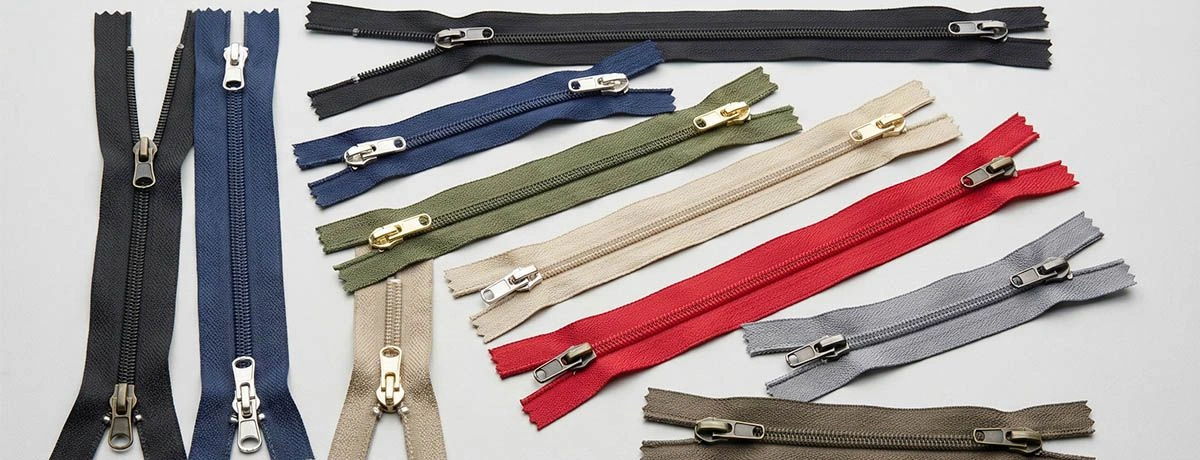
Overview: What Is a Two Way Zipper?
A two way zipper is a fastening system that uses two independent sliders traveling along a single chain of interlocking teeth, allowing the zipper to open from both the top and bottom ends. This dual-slider configuration provides flexibility in garment, bag, and equipment design that standard one-way zippers cannot offer. For manufacturers producing outerwear, workwear, luggage, and technical products, understanding this zipper type is essential for making informed sourcing decisions.
This guide is written for B2B buyers: garment factories, workwear manufacturers, bag and luggage producers, outdoor product brands, and accessory wholesalers. The focus is on technical specifications, material options, and production compatibility rather than consumer styling or retail applications.
The core distinction buyers must understand is between two way separating zippers and two way closed-end configurations:
-
Two way separating zippers feature a bottom box-and-pin assembly that allows the left and right sides to fully detach, common in jackets and coats
-
Two way closed-end zippers (head-to-head or bottom-to-bottom) have fixed stops at both ends, with sliders that operate within a continuous chain, typical in bags, luggage, and coveralls
This distinction matters for pattern design, sewing sequence, and automated production line setup. MH is a vertically integrated manufacturer supplying two way zippers in bulk, with chain stock and finished units compatible with industrial sewing lines and automated zipper attachment equipment.
Key takeaways:
-
Two way zippers use dual sliders on one chain for multi-directional opening
-
Separating vs. closed-end types require different sewing constructions
-
Specification clarity in tech packs prevents production delays
-
Bulk supply from a single source simplifies inventory and quality control
How a Two Way Zipper Works
Understanding the mechanical operation of two way zippers helps buyers specify the correct product and avoid assembly errors on the production floor. The system consists of several components working together: zipper tape (the fabric carrier), teeth or coil elements (the interlocking chain), two sliders with Y-shaped channels, and stops at the chain ends.
Both sliders travel along the same chain, but their Y-channels operate in opposing directions. When a slider moves upward, it meshes the teeth together; when it moves downward, it separates them. In a two way configuration, one slider typically controls the top opening while the other controls the bottom, allowing partial opening at either end without fully disengaging the chain.
Operational differences by type:
-
Two way separating jacket zipper: Features one bottom box-and-pin set with two sliders that can both reach the top. The insertion pin locks into the box to join the garment fronts, and either slider can then open from the top or bottom. Both sliders face the same direction.
-
Two way closed-end zipper: Sliders meet in the middle or at designated points along the chain. The chain does not separate completely. Sliders may face each other (head-to-head) or travel in the same direction depending on application.
Manufacturing implications:
-
Accurate slider positioning during assembly is critical; misaligned sliders cause jamming
-
Sewing direction must match slider orientation to ensure proper function after attachment
-
Alignment with garment or bag openings requires precise tape placement during stitching
-
Compatible with automatic zipper attaching machines when chain gauge and tape width match equipment specifications
-
Continuous chain can be cut to length on site when using zip stock supplied on rolls
The insertion pin, bottom box, and top stops must be correctly oriented relative to the garment’s left and right fronts. Specifying “left insertion” or “right insertion” in purchase orders prevents costly rework.
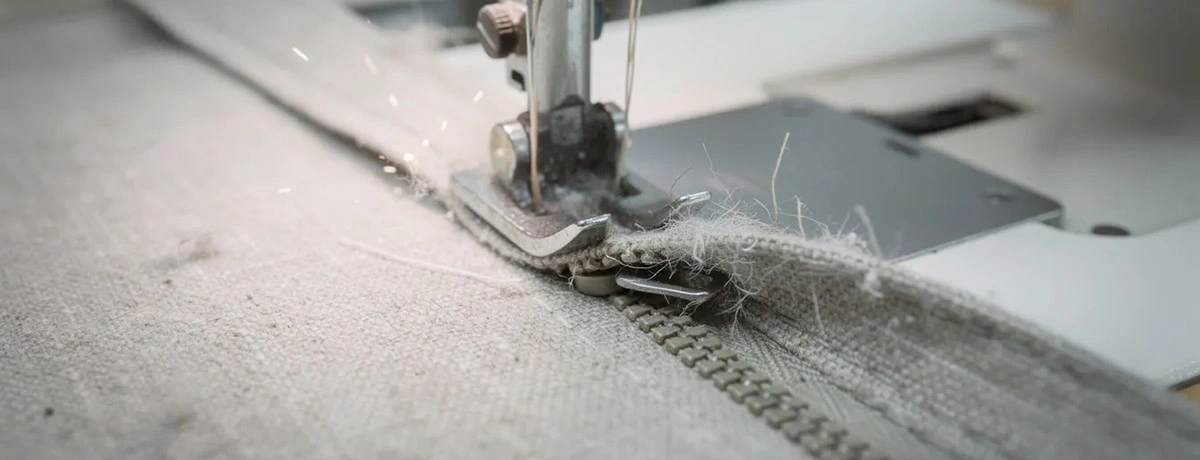
Structural Types of Two Way Zippers
Structural type directly affects both functionality and sewing construction. Buyers should specify the exact type in tech packs and purchase orders to avoid mismatched components arriving at the factory.
Two Way Separating Zippers
These are the standard choice for jackets, coats, long parkas, outdoor shells, and technical garments. The design has been prevalent in outerwear production since the early 2000s and remains the dominant configuration for full-front closures.
-
Bottom box and insertion pin allow complete separation of left and right garment fronts
-
Dual sliders enable opening from either the top or bottom hem
-
Common gauges: #5 for standard jackets, #8 and #10 for heavy workwear and technical outerwear
-
Typical length ranges: 45–80 cm for jackets, 90–150 cm for long coats and parkas
The separating mechanism must withstand repeated use cycles. For high-volume workwear programs, buyers should verify pull strength ratings (minimum 50N for heavy-duty applications).
Two Way Closed-End Zippers
These zippers do not separate completely. Instead, they use fixed stops at both ends with sliders operating within the continuous chain.
Head-to-head configuration:
-
Sliders meet in the center of the chain
-
Common for bags, luggage, tents, and protective cases
-
Allows opening from both ends toward the middle for central access
Bottom-to-bottom or same-direction sliders:
-
Both sliders travel in the same direction
-
Used in coveralls, workwear, and sleeping bags
-
Enables top-down access for donning and bottom-up opening for partial removal
These configurations use molded stops or metal stops rather than a separating box assembly.
Continuous-Chain Two Way Zippers
For bag and luggage factories, continuous chain on rolls offers production flexibility:
-
#3 and #5 coil or molded chain supplied on rolls (typically 100–200 meters)
-
Sliders assembled during bag production at the factory
-
Chain cut to custom length on site, reducing inventory of fixed-length units
-
Ideal for high-volume programs with variety in bag sizes
MH supports both finished zippers with pre-attached sliders and continuous chain supply for factories with in-house slider assembly capabilities.
Materials and Components Used in Two Way Zippers
Material selection affects strength, corrosion resistance, appearance, and compatibility with the end product. Buyers must match materials to the garment type, expected use conditions, and brand requirements.
Tape Materials
|
Material |
Applications |
Considerations |
|---|---|---|
|
Polyester tape |
General apparel, bags, uniforms |
Standard choice, good colorfastness, economical |
|
Cotton-blend tape |
Fashion garments, garment-dyed products |
Requires pre-shrinking, dye absorption differs from synthetics |
|
Recycled polyester tape |
Brands with sustainability targets |
Comparable performance, may require certification documentation |
Tape width typically ranges from 5–10mm depending on gauge, with reinforced selvedges designed to withstand 50–100kg pull-test forces without delamination.
Chain and Tooth Materials
Nylon coil (polyamide):
-
Flexible and lightweight
-
Smooth operation around curves
-
Suitable for jackets, bags, and tents
-
Available in fine gauges (#3) through heavy (#10)
Molded plastic teeth (polyester or POM):
-
Higher rigidity than coil
-
Better moisture and weather resistance
-
Common in outdoor jackets, children’s wear, and luggage
-
Elements produced via automated die-casting with tolerances of ±0.01mm
Metal teeth (brass, aluminum, nickel, zinc alloys):
-
High strength for workwear, denim, and premium outerwear
-
Surface treatments include antique, matte, polished, and nickel-free options
-
Produced via die-casting followed by tumbling for separation and finishing
Slider and Puller Components
-
Auto-lock sliders: Spring-tensioned pins engage between teeth when handle is released, preventing inadvertent sliding
-
Non-lock sliders: Free movement, suitable for applications where lock function is unnecessary
-
Double-pull sliders: For reversible garments or tents requiring operation from either side
-
Custom pullers: Branded pulls, specific shapes, or cord-loop pulls for gloved operation
Special Component Options
-
Flame-retardant tapes: FR polyester or aramid-blend for oil and gas coveralls and protective clothing
-
Water-repellent tapes: PU-coated for outdoor and technical jackets
-
Anti-corrosion finishes: For marine applications or high-humidity environments
-
Nickel-free plating: For skin-safe workwear meeting regional chemical regulations
MH can match zipper components to other trims in the same garment program, including thread colors, binding tape, and buttons, simplifying sourcing and lab testing across accessory categories.
Key Specifications for B2B Sourcing
Use this checklist when preparing tech packs and purchase orders. Clear specifications prevent production delays and quality issues.
Gauge and Size
-
#3: Light garments, small bags, interior pockets
-
#5: Standard jackets, bags, backpacks, tents (most common for two way applications)
-
#8/#10: Heavy workwear, luggage, large tents, industrial covers
-
Two way zippers for industrial workwear typically start at #5 for durability under repeated use
Length
-
Jackets: 45–80 cm
-
Long coats and parkas: 90–150 cm
-
Coveralls: 50–120 cm
-
Tents and sleeping bags: up to 4–5 meters
-
For high-volume programs with multiple lengths, continuous chain cut to size on site may be more efficient than stocking fixed-length units
End Type
-
Specify clearly: “#5 two way separating, bottom box and pin, left insertion”
-
Direction of insertion (left or right) and slider orientation are critical details
-
Closed-end types require specification of stop type (molded stops, metal stops)
Slider Configuration
-
Number of sliders (2 standard; 3+ for large bags or equipment)
-
Lock type: auto-lock, semi-auto-lock, or non-lock
-
Puller type: metal tab, cord loop, branded pull, double-sided
-
Slider spacing for pre-assembled units (typically 1.5–2x chain pitch)
Performance and Testing
-
ISO zipper durability tests: repeated open/close cycles (typically 500–2000 cycles for garment use)
-
Colorfastness to washing (domestic or industrial laundry)
-
Corrosion resistance: salt spray testing for marine gear
-
Pull strength: minimum 50N for heavy-duty applications to avoid 2–5% field failure rates
Labeling and Packing
-
Bundling per size and length
-
Clear labels with color code and item code
-
Carton quantities suitable for automated sewing lines
-
Bar coding for warehouse management integration
Functional Advantages in Garment and Product Design
Two way zippers are selected for functional benefits that impact wearer mobility, access, and maintenance—not aesthetics alone. Understanding these advantages helps buyers specify the right configuration for their products.
Jackets and Coats
-
Seated comfort: Opening from the bottom while seated in vehicles, machinery, or office seating reduces tension at the hem
-
Ventilation: Partial opening at the bottom allows airflow in long coats and outdoor shells without fully opening the front
-
Access: Easier reach to tools, harness connection points, or inner pockets in professional and technical garments
-
Mobility: Bottom opening provides leg movement freedom for cycling, hiking, or physical work
Coveralls and Workwear
-
Donning and doffing: Top-down access for putting on the garment
-
Partial removal: Bottom-up opening for restroom breaks without removing safety gear or hard hats
-
Integration: Compatibility with protective layers, harnesses, belts, and tool pouches on industrial sites
-
Big improvement over one-way designs: Reduces time lost during shift changes and breaks
Bags, Luggage, and Cases
-
Central access: Head-to-head sliders meet in the middle, opening the bag’s center section directly
-
Controlled opening: Limit opening length by positioning sliders, useful for security in equipment cases
-
Flexibility: Same zipper accommodates users who prefer opening from either end
Outdoor Equipment
-
Multiple entry points: Tent doors and sleeping bags with dual access points
-
Ventilation control: Fine adjustment of openings for temperature regulation
-
Large textile structures: Tarps, awnings, and covers with accessible inspection panels
These functional aspects translate into product differentiation. End customers appreciate the usability improvements, even if they don’t consciously identify the zipper as the reason.
Typical Industrial and Commercial Applications
This section provides a sector-by-sector overview to help buyers identify relevance to their product categories.
Apparel and Outerwear
-
Mid- to high-end jackets, parkas, raincoats, and technical shells
-
Functional fashion pieces where bottom opening is essential for sitting, cycling, or commuting
-
Ski jackets and activewear handling dynamic loads up to 150N
-
Long coats designed for urban environments with frequent seated transit
Workwear and Protective Garments
-
Industrial coveralls for oil and gas, utilities, manufacturing, and maintenance sectors
-
Flame-resistant and high-visibility suits
-
Garments subject to frequent industrial laundering (50+ wash cycles)
-
Workwear represents approximately 25% of two way zipper demand in the garment segment
Bags, Luggage, and Backpacks
-
Travel trolleys and suitcases using head-to-head configurations
-
Tool bags and sports bags with central access requirements
-
Technical backpacks for outdoor and professional use
-
Laptop sleeves and instrument cases requiring controlled opening
-
Luggage accounts for approximately 30% of two way zipper applications
Outdoor and Camping Products
-
Tents with extra-long heavy-duty zippers (#8/#10)
-
Sleeping bags requiring dual-end access
-
Marine canvas where corrosion resistance and UV stability are essential
Other Technical Textiles
-
Industrial covers and equipment enclosures
-
Large textile systems with maintenance panels
-
Custom applications in automotive, aviation, and marine sectors
MH supports both standard application ranges and customized programs for niche industrial uses, maintaining consistent quality across production seasons.
Two Way Zipper Types by Chain Construction
Chain construction must match the mechanical stress, environment, and aesthetic target of the finished product. The kind of chain selected affects performance, sewing requirements, and cost.
Nylon Coil Two Way Zippers
-
Best for lightweight to medium-weight garments, backpacks, and sports bags
-
Smooth running and flexibility around curves and shaped openings
-
Compatible with continuous chain supply for custom lengths
-
Lower cost than molded or metal options
-
Available in a wide variety of colors with good dye consistency
-
Standard choice when weight savings and flexibility are priorities
Molded Plastic Two Way Zippers
-
Suitable for outdoor jackets, children’s wear, luggage, and tents
-
Higher rigidity provides better resistance to lateral forces
-
Improved moisture resistance compared to nylon coil
-
Available in heavy-gauge versions (#8/#10) for large or load-bearing applications
-
Teeth maintain shape better under compression during packing
-
Easier to keep clean than metal in outdoor environments
Metal Two Way Zippers
-
Common for denim jackets, leather garments, workwear, and premium fashion outerwear
-
Available metals: brass, aluminum, nickel, and various alloys
-
Surface treatments: antique, matte, polished, black oxidized
-
Higher strength and durability for applications with heavy use cycles
-
Premium appearance for fashion-forward products
-
More expensive than coil or molded options (15–25% premium including dual sliders)
Production Considerations
|
Chain Type |
Needle Selection |
Sewing Tension |
Seam Construction |
|---|---|---|---|
|
Nylon coil |
Standard sharp needle |
Normal tension |
Standard zipper foot |
|
Molded plastic |
Ball-point or universal |
Slightly reduced |
May need reinforced placket |
|
Metal |
Heavy-duty needle |
Adjusted for tooth thickness |
Reinforced seam recommended |
Buyers should align zipper construction with fabric weight, seam design, and expected product life cycle. For a lot of applications, consulting with the zipper supplier early in the design process prevents costly changes later.
Whether you need to buy finished two way separating zippers for jacket production, continuous chain for bag manufacturing, or custom configurations for specialized workwear, clear communication of specifications ensures smooth integration into your production line.
For buyers ready to add two way zippers to their accessory sourcing, MH offers bulk supply with consistent quality, competitive pricing for volume orders, and technical support for specification development. Reply to your account contact or post your requirements through the inquiry system to begin the matching process.