
Types of Curtain Fabric: A Practical Guide for B2B Buyers
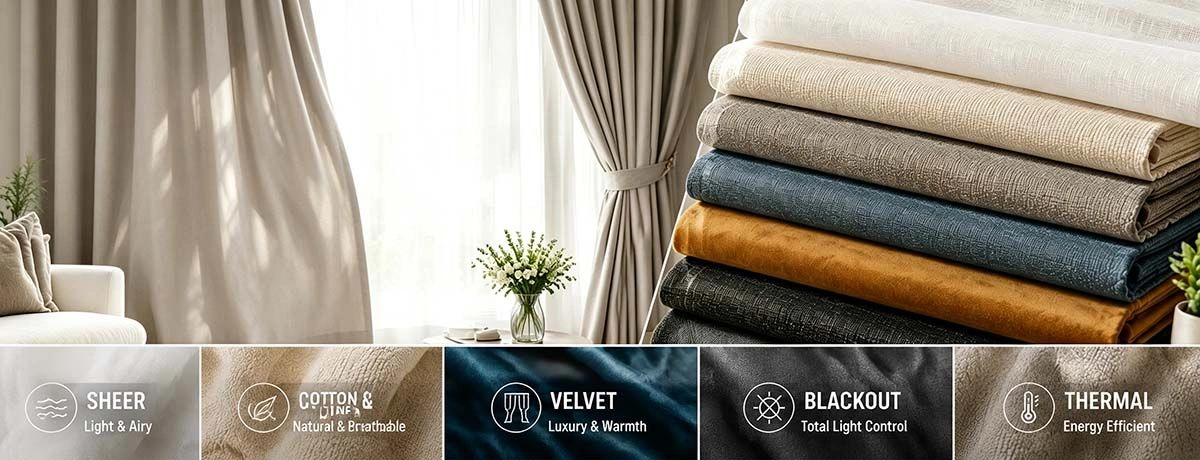
Selecting the right curtain fabric for a bulk procurement program is one of the most consequential decisions a wholesaler or project buyer can make. Curtain fabrics differ in appearance, light control, durability, maintenance, and insulation-and choosing the wrong material costs far more than a single bad panel.
This guide breaks down the major types of curtain fabric, from lightweight sheers to heavy blackout drapes, and explains what matters most when sourcing at scale, especially when working with a global curtain fabric supplier like Ningbo MH.
Key Takeaways
-
Match fabric to application first. The best fabric for sheer curtains, decorative drapery, blackout, or high traffic areas depends on measurable performance specs-not just aesthetics.
-
Core categories to consider: cotton, polyester, linen fabric, silk fabric, velvet, and specialized blackout materials each serve distinct market segments.
-
Curtain fabrics range from light, airy sheers to heavy, opulent drapes. Lightweight fabrics maximize natural light while heavier fabrics provide privacy and insulation.
-
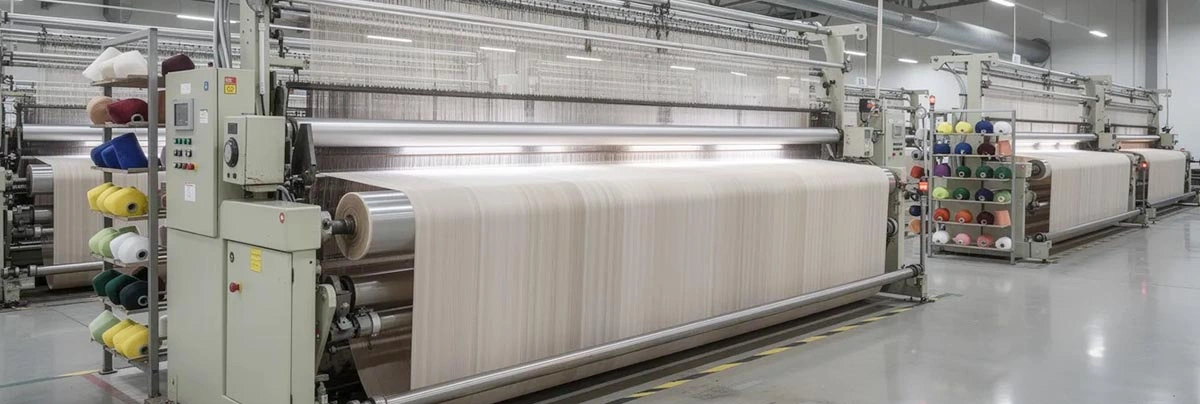
MH operates as a make-to-order (MTO) curtain fabric supplier with large-scale capacity, consistent dye-lots, and stable delivery schedules for global customers.
-
Professional buyers should define application, performance specs, GSM, finishing, and target price band before requesting samples. This approach accelerates sampling and reduces costly re-work.
Why Curtain Fabric Choice Matters in B2B Projects
Choosing the right material depends on desired light control, privacy, and durability-three factors that directly affect end-user satisfaction and post-sale claims. In commercial and residential window treatments supplied by wholesalers and factories, curtain fabric selection also drives energy efficiency, acoustic performance, and long-term maintenance costs.
For bulk procurement, fabric consistency, defect rate per roll, and repeatability across re-orders are just as important as visual style. A mismatched dye lot across hotel room drapes or a cotton curtain that shrinks 5% after the first laundering cycle creates returns that damage buyer relationships and brand reputation.
Lightweight & Sheer Curtain Fabrics
Sheer curtains are essential for light diffusion and daytime privacy in living areas, hospitality lobbies, and office spaces. B2B buyers typically specify GSM and openness factor when sourcing sheer curtain fabrics, with most falling between 50–100 GSM. Sheer and voile fabrics are very lightweight and translucent, making them a perfect solution for layering with separate blackout or dim-out panels.
Performance expectations for sheer curtains in commercial use include dimensional stability after washing, colorfastness to sunlight, and resistance to snagging in high traffic areas such as hotel corridors. Materials like chiffon and fine voile must hold up under repeated handling without losing their soft, relaxed drape.
MH can supply continuous yardage for industrial cutting as well as pre-cut lengths within MTO frameworks for wholesale chiffon fabric programs. MH does not keep ready stock-every order is produced to the buyer's specification, ensuring consistent quality across shipments.
Key Sheer Fabric Types: Voile, Lace, and Fine Silk
This section breaks down the main types of sheer curtain fabric that B2B buyers most frequently specify.
Polyester voile is the workhorse sheer: a lightweight fabric that is cost-efficient, delivers high light transmission, and maintains good drape with easy care. It is ideal for mass-market retail and contract projects where verification successful tests on colorfastness and shrinkage are mandatory before bulk shipment. Voile meshes well with virtually any interior style.
Lace curtain fabric options offers decorative openwork patterns suited to traditional or romantic aesthetics. For factories, pattern repeat sizes directly impact cutting efficiency and wastage planning-a detail often overlooked until production begins. Lace is delicate and can be easily damaged in high-traffic installations.
Silk fabric and silk blends serve as premium sheers. Silk is known for its elegant drape and natural sheen, and buyers choose silk for luxury and a high-end feel in boutique hotels or luxury residential projects. However, silk curtains require professional cleaning to maintain their beauty, and the material degrades under direct sunlight without protective lining. Rayon fabric is cheaper and easier to care for than silk, offering a comparable smooth texture at a lower price point.
MH can develop custom jacquard or dobby patterns on sheer bases for private-label programs, subject to minimum order quantities and agreed lead times.


Standard Curtain Fabrics: Cotton, Linen, and Blends
Cotton and linen fabric-along with their blends-dominate the mid-to-upper curtain segment because of their natural look, breathability, and broad design flexibility. Polyester fabrics such as Mini Matt are widely used alongside cotton, and cotton is the most popular curtain fabric worldwide as of 2023.
Cotton curtains are medium weight (typically 150–250 GSM), easy to print and dye, and suited for piece-dyed and yarn-dyed programs. However, cotton curtains may require lining for better light control-unlined cotton may only block roughly 30–45% of light. Cotton absorbs dust and moisture, so pre-washing is essential to reduce shrinkage.
Linen curtains filter light softly and add warmth to a room, with a textured, slightly crisp hand that appeals to "natural" and "eco" positioning in Latin American and European retail programs. That said, linen fabric is prone to wrinkling and requires special care; hem drift over seasons is a known limitation.
Blends of cotton, linen, and polyester deliver the linen look with better crease recovery and lower cost per meter-making them the best materials for buyers who want natural elegance without the maintenance trade-offs. For more technical or outdoor-adjacent applications, buyers may also consider polyester Oxford fabric options. When briefing suppliers, B2B buyers should specify GSM range (e.g., 180–260 GSM), weave type (plain, panama, twill), and finishing (stone-washed, softening).
Blackout, Dim-Out, and Thermal Curtain Fabrics
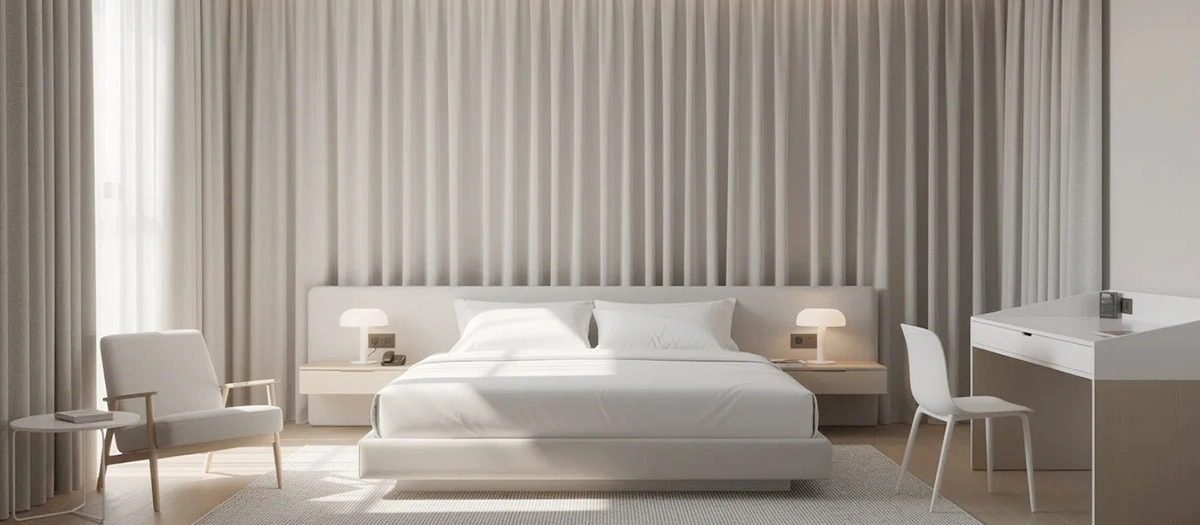
The difference between blackout and dim-out is quantifiable: blackout fabrics are designed to block up to 100% of light, while dim-out fabrics reduce light by approximately 70–90%. Both are critical for bedrooms, children's rooms, hotels, and media rooms.
Classic woven blackout fabric uses multi-layer or foam-backed constructions-including triple weave with black yarn in the middle layer-to control both light and temperature, helping keep a room cool and improving energy efficiency in large-scale projects. These heavy fabrics typically range from 300–600 GSM, and premium Holland velvet blackout fabric can add both luxury and thermal performance.
Choose velvet for warmth and excellent light-blocking capability. Velvet is excellent for blocking light due to its dense weave and is ideal for providing insulation, often delivering measurable sound reduction of 5–7 dB in mid-frequencies-helping reduce noise in premium hospitality and theatre venues. Velvet fabric is excellent for blocking light and providing insulation, though installation requires robust tracks and hardware due to its weight. Wool provides excellent insulation and sound dampening, and wool-blend curtain fabrics serve similar premium segments.
Lined systems pair cotton, polyester, or silk face fabrics with dedicated blackout lining to balance aesthetics with performance. This approach works especially well for 4–5 star hotel projects where elegance must mesh with total darkness. MH coordinates face fabrics, curtain accessories and hardware in synchronized color ranges, simplifying bulk ordering across multiple room types and properties. These systems also protect furniture from sun damage.
Selecting the Best Fabric by End Use and Market Segment
For purchasing teams, merchandisers, and product developers, matching curtain fabric types to specific end-uses is the fastest way to reduce sampling cycles and returns.
|
Segment |
Recommended Fabric |
Key Specs |
|---|---|---|
|
Volume retail |
Polyester or cotton/polyester blends; polyester voile for sheers |
Competitive price, low return rate |
|
Hotels & offices |
Dense polyester or IFR synthetics; FR-tested per NFPA 701 or local codes |
Durability, colorfastness, fire compliance |
|
Premium hospitality |
Velvet blackout, silk drapes with lining |
Aesthetics + performance |
|
Student housing / rentals |
Robust synthetics, dim-out or blackout polyester |
Easy cleaning, stain resistant, cost-efficient |
|
Natural aesthetic residential |
Linen or linen-look polyester (80–150 GSM) |
Texture, breathability, relaxed style |
Polyester blackout in bedrooms, linen-look dim-out in living spaces, and robust synthetics for high traffic areas such as student housing or rental apartments form common combinations, often finished with durable curtain grommets and eyelet rings. MH works on a make-to-order model: buyers share target specifications, volume plans, and delivery windows so MH can align yarn booking, weaving, dyeing, and shipping schedules accordingly.
FAQ: Professional Buying of Curtain Fabrics
These questions address common concerns from wholesalers, importers, and home-textile factories not fully covered above, with answers focused on B2B procurement realities.
What is the best curtain fabric for high traffic areas such as hotels or rentals?
Dense polyester, nylon, or microfibre with proven abrasion resistance and colorfastness to light and washing consistently outperform delicate natural fibers in intensive-use environments; four-way polyester spandex stretch woven fabric is a good example for hardwearing drapery and accessories. Look for fabrics tested to relevant ISO or EN standards for pilling and seam strength. These materials handle repeated laundering and direct sunlight without significant degradation-the perfect solution for rental and hospitality programs.
Can MH develop custom curtain fabrics to match my brand's color card?
Yes. As a make-to-order supplier, MH can match Pantone or physical color standards, develop exclusive weaves or prints, and run lab dips and handlooms before bulk production. All development is subject to agreed MOQs and timelines, ensuring the best materials are locked in before production begins.
How should I specify technical requirements when requesting a quotation?
Provide fabric type (e.g., linen-look polyester, blackout), GSM range, composition, width, required test standards (colorfastness, FR, dimensional change), end-use (sheer curtains, blackout, regular drapery), and target price band, plus any related needs for industrial polyester sewing thread or other accessories. This data accelerates sampling and costing significantly.
Does MH hold curtain fabrics in stock for immediate shipment?
MH operates strictly on a make-to-order model and does not keep ready stock. However, MH can set up ongoing programs with scheduled production runs to support continuous supply for long-term customers, ensuring reliable access to consistent material throughout the year.
