
What Is Velvet Fabric Material and What Types Are Available for Wholesale Buyers?
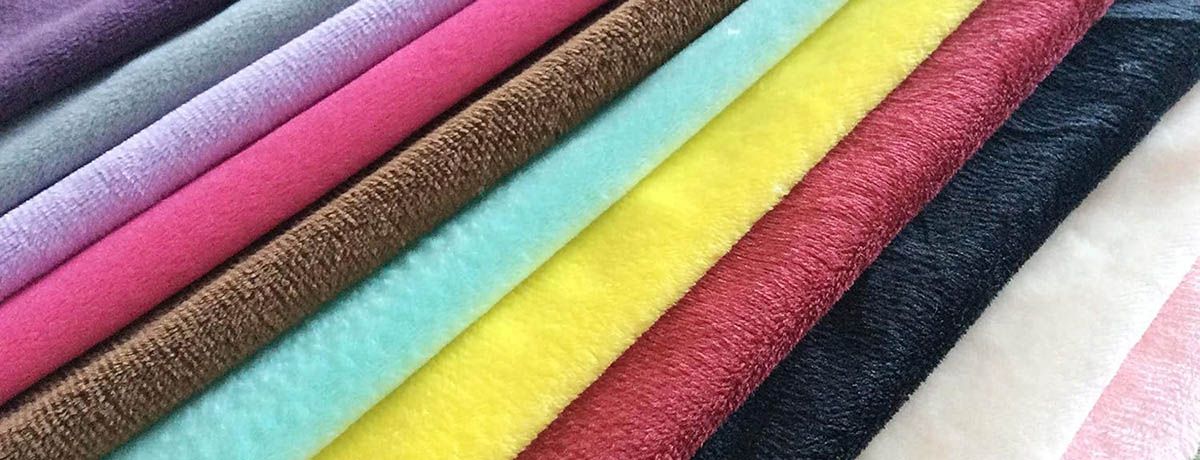
Velvet fabric material has long been associated with luxury, elegance, and opulence. Known for its soft velvet pile and rich colors, velvet fabric remains a go-to choice across fashion, home décor, upholstery, and decorative projects worldwide.
Historically, the complex manufacturing process made velvet exclusive to royalty. The art of velvet-weaving is believed to have originated in the Far East, with significant development occurring in Europe during the Renaissance. As mechanization was incorporated into textile production in the 19th century, velvet became more attainable for the middle class.
For B2B buyers — including garment manufacturers, upholstery producers, fabric wholesalers, and textile distributors — understanding different velvet fabric types, fibers, and finishes is essential before making a bulk purchase. Many suppliers now offer a curated collection of velvet fabrics, featuring a wide variety of colors, patterns, and textile options to suit diverse project needs.
This guide explores velvet fabric material in detail, including silk velvet, cotton velvet, stretch velvet, panne velvet, crushed velvet, and upholstery velvet, helping you select the right option for your market.
What Is Velvet Fabric Material?
Velvet fabric is a type of woven fabric with a dense, even pile that gives it a distinctive soft, shiny, and luxurious texture. This velvet pile is produced by weaving two pieces of fabric face to face using different yarns in a double cloth construction process, then cutting them apart to form the soft upright fibers.
Velvet fabric is woven in a pile weave style on a double cloth loom, resulting in two pieces of fabric being created from a single weaving operation.
Key characteristics of velvet fabric material:
-
Dense pile with depth and richness
-
Soft hand feel and luxurious appearance
-
Light reflection that creates shine and color variation
-
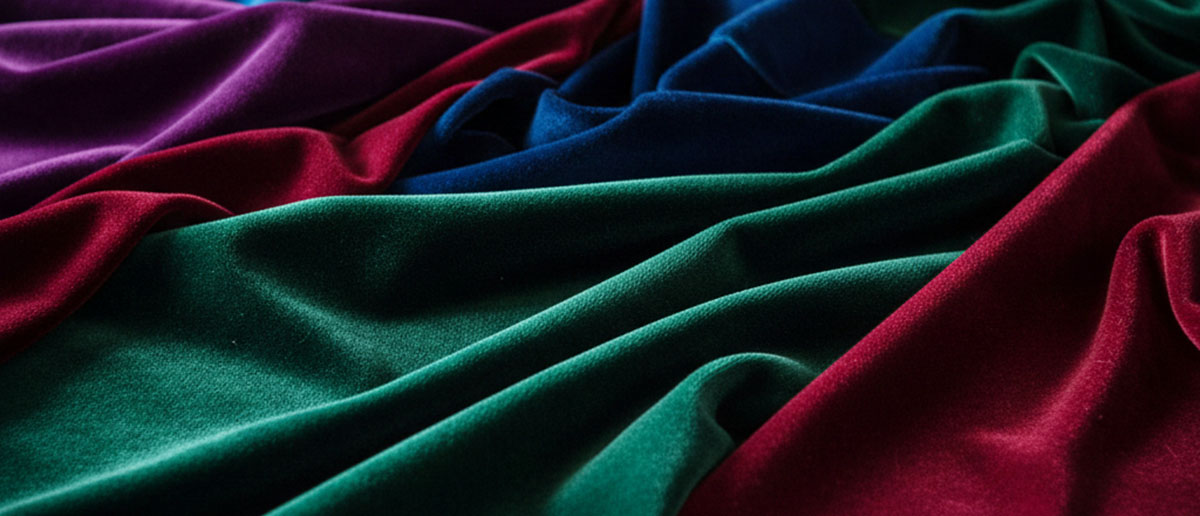
Rich colors such as red, midnight blue, pink, and deep jewel tones
-
Elegant drape and sophistication
Because velvet pile can reflect light in different directions, the appearance may change when brushed or touched. This directional effect adds visual depth and grandeur.
What Fibers Are Used in Velvet Fabric?
Velvet fabric material can be produced using different fibers, each offering unique performance and price levels. Historically, velvet was typically made from silk, but over time, cotton and synthetics have become common in modern velvet production. Synthetic fibers such as polyester and nylon are now widely used for velvet because they are durable, stain-resistant, and cost-effective. Additionally, velvet can be made from blends of natural and synthetic fibers, such as viscose mixed with silk.
1. Polyester Velvet Fabric
Polyester velvet is one of the most commonly sold options in wholesale markets.
Features:
-
Durable and wrinkle-resistant
-
Strong color retention
-
Cost-effective
-
Easy maintenance
-
Suitable for large stock production
Polyester velvet fabric is widely used in garments, curtains, home décor, and upholstery projects.
For distributors targeting Europe, the Middle East, or large retail chains, polyester velvet provides reliable quality at competitive pricing, especially when combined with other polyester performance fabrics for sportswear and casual apparel.
2. Cotton Velvet
Cotton velvet uses natural fibers and offers enhanced breathability.
Features:
-
Soft natural texture
-
Premium feel
-
Comfortable for clothing
Cotton velvet is ideal for:
-
Dresses
-
Jackets
-
Designer garments
-
Boutique collections
Although cotton velvet typically has a higher price, it appeals to brands focusing on natural fibers and sustainable fashion, while soft knits like milk silk fabric for dresses and lingerie serve as complementary options in their collections.
3. Silk Velvet
Silk velvet is considered a luxury velvet fabric material.
Features:
-
Exceptional softness
-
Elegant shine
-
Lightweight drape
Common uses:
-
Evening dresses
-
High-end fashion
-
Luxury collections
Silk velvet enhances sophistication and opulence, making it suitable for exclusive fashion projects.
4. Stretch Velvet (Spandex Blend)
Stretch velvet is a blend of polyester or cotton with spandex fibers.
Features:
-
Elastic stretch
-
Comfortable fit
-
Excellent recovery
-
Ideal for body-contouring garments
Commonly used for:
-
Dancewear
-
Performance clothing
-
Fashion dresses
-
Stage costumes
Stretch velvet fabric provides flexibility while maintaining softness and shine, and can be coordinated with polyester spandex stretch woven fabric for suits and trousers in performance-focused apparel lines.
5. Panne Velvet
Panne velvet is created by pressing or crushing velvet pile in one direction to create a shiny, textured surface.
Features:
-
High shine
-
Flattened pile
-
Dramatic appearance
Used for:
-
Costumes
-
Decorative garments
-
Event decoration
Panne velvet fabric is popular in fashion and stage production due to its bold visual effect, often styled alongside polyester satin fabric for evening wear and bridal gowns to create dramatic contrast.
6. Crushed Velvet
Crushed velvet has a wrinkled or textured appearance created by twisting the fabric during finishing.
Features:
-
Dynamic texture
-
Luxurious depth
-
Unique pattern surface
Crushed velvet is commonly used in fashion collections where it may be layered with wholesale chiffon fabric for dresses and overlays to add movement and transparency.
-
Dresses
-
Fashion collections
-
Home décor accents
Types of Velvet Fabric by Application
Velvet for Garments
Used in:
-
Dresses
-
Jackets
-
Skirts
-
Suits
Light to medium weight velvet fabric is typically chosen for clothing collections.
Upholstery Velvet
Upholstery velvet is heavier and more durable, and many buyers compare it directly with Holland velvet fabric for luxurious upholstery solutions when sourcing premium furniture materials.
Features:
-
Dense pile
-
High abrasion resistance
-
Strong backing
Used for:
-
Sofas
-
Armchairs
-
Cushions
-
Curtains
For upholstery projects, durability and resilience are critical, so buyers often evaluate velvet alongside other premium upholstery fabric for sofas and accessories to match performance with design.
Velvet for Home Décor
Velvet fabric is widely used in:
-
Curtains
-
Table covers
-
Cushion covers
-
Decorative layers
Its richness and softness create elegance in interior spaces.
Why Velvet Fabric Is a Go-To Choice for Designers
Velvet fabric material offers:
-
Rich colors and depth
-
Soft texture
-
Luxury appeal
-
Versatile design applications
-
Ability to create layered looks
Designers value velvet for creating dramatic silhouettes and refined home décor collections.
Key Considerations When Purchasing Velvet Fabric Wholesale
For B2B buyers, smart purchasing decisions require evaluating:
-
Whether velvet fabric material is sold by the yard or in bulk by the roll, depending on your project needs.
-
The supplier’s minimum order quantities and lead times.
-
The quality and consistency of the velvet fabric material across batches.
-
Pricing structures and available discounts for bulk purchases.
-
The supplier’s reputation and reliability.
-
Before cleaning velvet fabric material, always conduct a test (such as a patch test) on an inconspicuous area to ensure the cleaning method is safe and compatible with the fabric, especially when coordinating it with durable polyester mini matt fabric for home textiles.
Fabric Weight
Light velvet for garments, heavy velvet for upholstery.
Pile Density
Higher dense pile ensures durability and long-lasting appearance.
Color Consistency
Bulk stock orders must maintain consistent dye lots.
Blend Composition
Polyester, cotton, silk, viscose, or spandex blends affect performance, and decorative finishes can be enhanced further with high-quality embroidery thread for detailed embellishment.
Production Capacity
Reliable suppliers should support large orders for seasonal collections and long-term stock planning.
MH – Your Professional Velvet Fabric Supplier
Established in 1999, MH is a global textile company specializing in garment materials and fabrics, serving customers in over 150 countries.
As a professional velvet fabric supplier, MH offers:
-
Polyester velvet fabric
-
Cotton velvet
-
Silk velvet options
-
Stretch velvet with spandex blend, often paired with 150D/2 rayon thread for embroidery for branding and decorative stitching
-
Panne velvet
-
Crushed velvet
-
Upholstery velvet
-
Custom colors including red, midnight blue, pink, and more
-
Bulk yard velvet fabric supply
-
Competitive wholesale pricing
-
Stable stock and production support
-
Easy online shop experience—browse and purchase velvet fabric samples or yardage directly through our website
With strong manufacturing partnerships and strict quality control, MH ensures durable velvet fabric material suitable for garments, home décor, and upholstery projects worldwide. Modern velvet, including high-quality synthetic and cotton velvets, can be durable, long-lasting, and even stain-resistant (such as FibreGuard performance velvet) with proper care.


Conclusion
Velvet fabric material remains one of the most versatile and luxurious textiles in the global market. From silk velvet for high-end fashion to polyester velvet for durable upholstery, different types serve different industries.
For wholesalers, garment manufacturers, and upholstery producers, choosing the right velvet fabric supplier ensures stable stock, consistent quality, and long-term business growth.
If you are looking to purchase velvet fabric wholesale for your next project, contact MH today to explore available yard velvet fabric options and customized solutions.
