
How Does Velvet Fleece Fabric Perform in Warmth, Softness, and Durability for Mass Production?
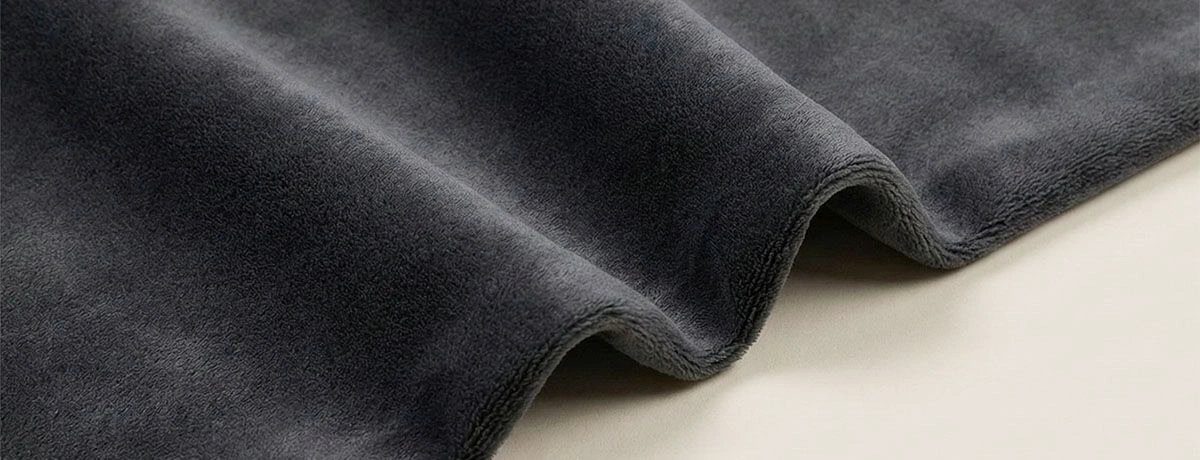
What Is Velvet Fleece? (Direct Answer for Buyers)
Velvet fleece is a warp or circular knit pile fabric featuring a brushed, velvet-like face combined with a fleece-style backing. This construction makes it well-suited for apparel, sportswear linings, and home textiles where a soft surface and thermal properties are required at production-friendly costs. Unlike traditional woven velvet fabric, velvet fleece relies on knitting technology that enables faster production cycles and consistent quality across large orders.
In B2B terminology, velvet fleece typically refers to polyester or polyester-blend knit fabrics with a dense, short pile on one or both sides. It combines properties found in coral fleece, micro-velvet, and standard fleece fabrics, offering manufacturers a middle ground between the luxurious appearance of velvet plush and the practical performance of synthetic fleece. The result is a material that delivers softness, warmth, and durability without the production complexity or cost associated with silk velvet or cotton velvet alternatives.
MH supplies velvet fleece in roll form for industrial cutting and sewing operations—not as finished garments or retail blankets. This article focuses on construction methods, performance characteristics, and application choices relevant for bulk production and long-term sourcing relationships. Whether you are weighing options for a new collection or standardizing your fabric specifications, the following sections will help you understand what parameters matter when specifying velvet fleece for manufacturing use.
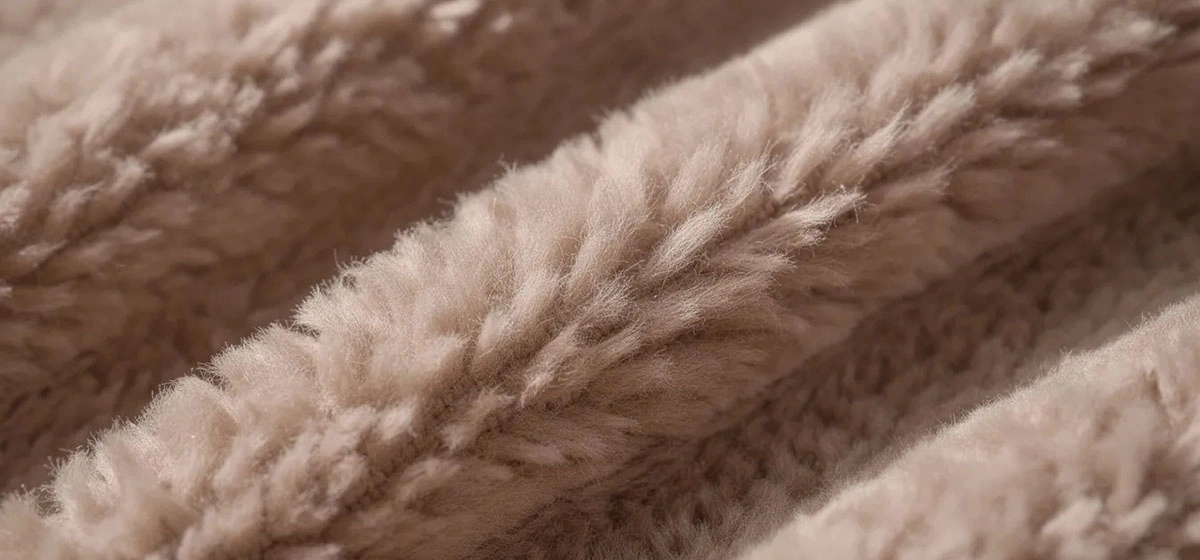
Fabric Construction and Manufacturing Process
Velvet fleece is produced on knitting machines—either warp knit systems like Raschel or tricot, or circular knit configurations—followed by pile formation and mechanical finishing processes. This approach differs fundamentally from traditional woven velvet, which requires complex double-cloth weaving where two layers are simultaneously woven, connected by extra warp yarns, and then cut apart by a blade to form an even pile.
The knit-based structure of velvet fleece offers greater flexibility, scalability for high-volume production, and improved consistency across bulk orders. Here is an overview of each manufacturing stage:
-
Base structure formation: The ground knit is typically made from continuous filament polyester, with additional yarns introduced during knitting to form pile loops. These loops create the foundation for the velvet-like surface that distinguishes this material from standard fleece fabrics.
-
Pile formation methods: Common approaches include knit-pile, weft-insertion, and warp-pile techniques. MH mainly handles knit-pile polyester velvet fleece, which is widely used for garments, blankets, and accessories due to its balance of production efficiency and surface quality.
-
Mechanical raising (brushing): After knitting, the fabric undergoes brushing to raise fibers and create a fluffy texture on the surface. This step breaks open the loops and teases fibers into a napped pile, enhancing the soft hand-feel.
-
Shearing: Pile height is controlled through shearing, typically producing a finished pile between 1.0–3.0 mm. Precise shearing ensures a smooth, even surface and contributes to the rich texture buyers expect.
-
Optional surface finishing: Embossing or calendering may be applied for pattern effects and luster control. These techniques allow manufacturers to create textured designs or enhance surface uniformity depending on end-use requirements.
-
Stabilization and treatment: Heat setting improves dimensional stability, while anti-pilling treatments, softeners, and optional anti-static or moisture-management finishes prepare the fabric for downstream garment manufacturing.
Fiber Composition, GSM Ranges, and Technical Specifications
Composition and weight are the primary parameters buyers compare when specifying velvet fleece for production. Getting these specifications right upfront helps avoid costly mismatches between fabric performance and end-product requirements.
Standard Fiber Compositions
-
100% polyester: The most common choice for cost efficiency, stability, and scalability. Polyester velvet fleece offers consistent dye uptake, excellent durability, and resistance to moisture absorption. Many variants now incorporate recycled PET from water bottles, reducing virgin petroleum use by up to 70%.
-
Polyester–spandex blends: Typically 95% polyester / 5% spandex, these blends provide stretch for form-fitting garments like sportswear base layers, casual wear, and activewear applications.
-
Polyester–rayon blends: Adding rayon increases softness and improves drape, making these blends suitable for premium loungewear and products requiring a more luxurious hand-feel.
-
Other considerations: While natural fibers like cotton can be incorporated, synthetic fibers dominate velvet fleece production due to their superior performance in thermal retention, washability, and pile stability.
GSM Ranges by Application
-
Lightweight (160–220 GSM): Ideal for base layers, youth garments, and inner linings where breathability and reduced bulk are priorities.
-
Medium weight (220–300 GSM): The ideal choice for sweatpants, sweatshirts, loungewear, jackets linings, and interlining applications. This range balances warmth with processability.
-
Heavyweight (300–420 GSM): Best suited for blankets, robes, outerwear linings, and products where maximum thermal insulation is required. This weight range is commonly used for bed sheets, throws, and the perfect winter sheet set applications.
Width and Tolerance Standards
-
Standard fabric widths: MH can supply velvet fleece in widths ranging from 150–220 cm, with options for tubular or open-width formats depending on cutting methods and end use.
-
GSM tolerance: Expect ±5–7% variation as standard for bulk orders; tighter tolerances should be specified in purchase contracts.
-
Width tolerance: Typically ±1–2 cm across the roll.
-
Shade tolerance: Requirements should reference grayscale standards (e.g., 4-level grayscale on colorfastness) to maintain consistency across production lots and ensure predictable results for customers ordering multiple shipments.
Key Performance Characteristics for Bulk Production
Velvet fleece is selected for its balance of warmth, handle, and processability rather than luxury appearance alone. Understanding these performance factors helps buyers write better specifications and avoid quality issues during manufacturing.
Thermal Performance
The pile structure of velvet fleece excels at retaining heat by trapping air within its fibers. Pile density and GSM directly influence CLO value and perceived warmth in finished garments and bedding products. For applications prioritizing comfort and insulation—such as gloves, jackets, and home decor throws—heavier GSM with denser pile construction is favored.
Mechanical Properties
-
Dimensional stability: Quality velvet fleece maintains shape after washing, with less than 3% shrinkage in properly heat-set material.
-
Stretch and recovery: When spandex is added, the fabric offers four-way stretch with recovery rates exceeding 90%, making it suitable for fitted sportswear and activewear.
-
Processing behavior: Stable fabric structure resists deformation during spreading, cutting, and sewing in mass production, reducing waste and rework.
Surface Performance
-
Anti-pilling resistance: Measured via Martindale or ICI pilling tests, quality velvet fleece typically achieves Grade 3–4 or higher after 5,000 cycles. Velvet plush makes a difference here—denser, shorter pile generally pills less than longer, looser constructions.
-
Fiber shedding: Low shedding is critical for certain markets; pile length and finishing methods directly affect shedding behavior. Shear recovery rates often exceed 90% after 5,000 abrasion cycles in well-crafted material.
-
Pile uniformity: Consistent pile height and direction support efficient cutting layout and reduce visible defects in finished products.
Comfort and Handle
The plush texture of velvet fleece creates a soft, low-friction surface that layers easily against skin. This makes it a popular choice for clothing worn close to the body, including dresses linings, robes, and loungewear. However, high GSM and dense pile may limit air permeability compared with standard lightweight fleece, so breathable constructions should be specified when ventilation matters.
Care and Durability
-
Machine-wash performance: Industrial-grade velvet fleece tolerates 50+ home launderings before experiencing 10% pile loss.
-
Colorfastness: Test washing and rubbing colorfastness according to ISO or AATCC methods; specify requirements in purchase orders to ensure colors remain vibrant across the product lifecycle.
-
Shrinkage resistance: Heat-setting during finishing minimizes shrinkage; validate via pre-shipment testing for critical applications.
Industrial and Commercial Applications of Velvet Fleece
Velvet fleece is used where a soft outer surface and efficient insulation are required at a competitive cost. Its versatility makes it one of the popular fabrics across multiple B2B sectors.
Apparel Uses
-
Youth and adult base layers for outdoor and casual wear
-
Mid-layer tops and bottoms for layered clothing systems
-
Tracksuits and coordinated suit sets for athletics and leisure
-
Loungewear and robes for hospitality and retail
-
Linings for jackets, coats, and outerwear where a smooth inner surface is desired
-
Four-way stretch velvet fleece for performance youthwear and activewear
Home Textile Uses
-
Throws and blankets in heavyweight GSM for warmth and stylish appearance
-
Bed blankets and comforter shells for bedding collections
-
Cushion covers and upholstery applications where a velvety pile is acceptable
-
Pet bedding and accessories
-
Decor items requiring a plush, inviting texture
Workwear and Corporate Apparel
-
Soft-shell jacket linings for professional and industrial uniforms
-
Promotional hoodies and branded leisurewear for corporate programs
-
Garments where a polished outer appearance must balance with cost control
Accessories and Specialty Products
-
Children’s toys and stuffed products
-
Sleep masks and travel accessories
-
Small promotional items and giveaways
-
Simple upholstery covers for light-duty furniture in hospitality settings
This variety of applications demonstrates velvet fleece’s position as an ideal fabric for manufacturers who need to explore multiple product categories without changing their core material supplier.
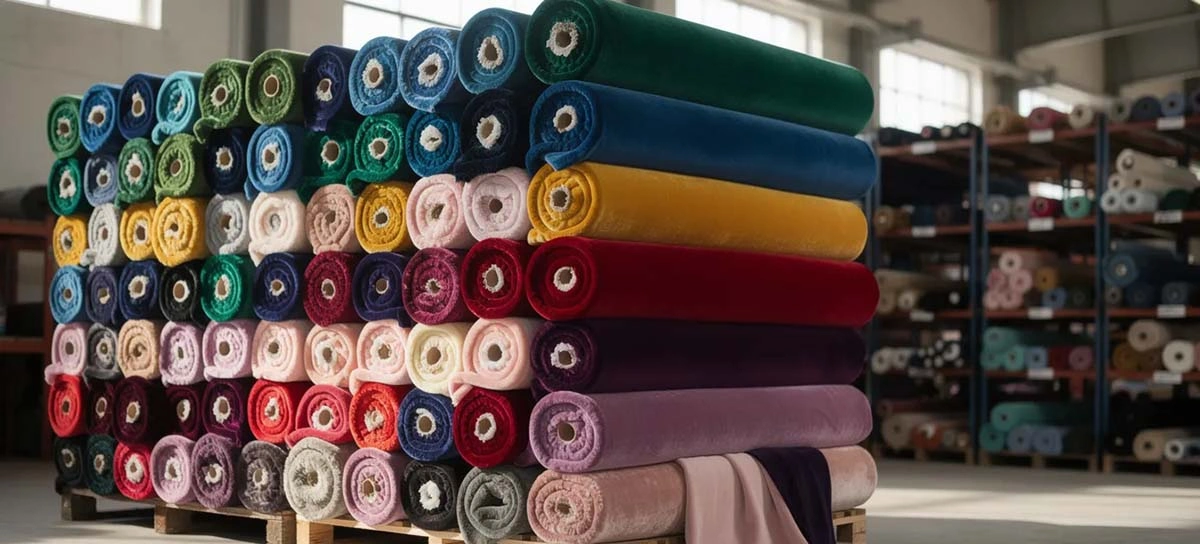
Design, Customization, and Processing Considerations
B2B buyers typically need flexibility in color, finishing, and functional performance when specifying velvet fleece for new collections. Understanding available options helps you communicate requirements clearly and avoid delays during production.
Color and Pattern Options
-
Solid-dyed fabrics: Standard option for most production runs; wide variety of colors available from stock or custom dyeing.
-
Piece-dyed lots: Aligned with Pantone references or lab-dip approvals for brand-specific color matching.
-
Printed velvet fleece: Rotary or digital printing available for blankets, children’s products, and items requiring graphic designs. Digital printing offers lower MOQs for sampling and niche collections.
Texture Variations
-
Different pile heights (1.0–3.0 mm standard range) for varied hand-feel
-
Double-sided pile versus single-sided construction
-
Embossed patterns for textured effects
-
Brushed versus sheared finishes to suit target market positioning and sophistication requirements
Functional Finishes
-
Moisture-wicking treatments for activewear applications
-
Anti-static finishes to reduce cling in dry climates
-
Anti-bacterial treatments for hygiene-sensitive products
-
Flame-retardant applications where required by national regulations
-
Recycled polyester content for sustainability programs and eco-conscious brands
Production Planning Considerations
-
Minimum order quantities (MOQs): Custom colors and finishes commonly require MOQs of 1,000–3,000 meters depending on complexity.
-
Lead times: Plan for greige booking, dyeing, and finishing cycles; typical ranges run 4–8 weeks for custom orders.
-
Sampling protocols: Pre-production samples and bulk approval processes help maintain consistency across shipments.
-
Specification checklist: When sending RFQs, clearly define GSM, width, pile height, finish requirements, color standards (Pantone or lab-dip), and test requirements (colorfastness, pilling, shrinkage).
Quality, Compliance, and Long-Term Sourcing with MH
MH (Ningbo MH Industry Co., Ltd.) operates as a vertically integrated manufacturer and exporter of garment materials and fabrics, focused on B2B bulk supply with an emphasis on full-category sourcing, quality assurance, and reliable delivery. With nine factories, over 3,000 workers, and partnerships with 1,500–2,000 manufacturers globally, MH provides the scale and stability that fabric wholesalers and garment manufacturers require for long-term cooperation.
Quality Control for Velvet Fleece
-
Inline monitoring of GSM and width during production
-
Shade control between lots to maintain color consistency across shipments
-
Pile uniformity checks to prevent surface defects
-
Laboratory testing according to buyer standards, including ISO and Oeko-Tex related requirements where applicable
Consolidated Sourcing Benefits
MH can coordinate velvet fleece supply together with related garment materials—such as sewing thread, interlining, zippers, elastic tapes, ribbon, and buttons—for buyers who prefer to consolidate sourcing with a single partner. This approach simplifies procurement, reduces lead times, and ensures material compatibility across your production runs.
Compliance and Documentation
-
Product testing reports available upon request
-
Certificates as required by destination markets (including safety and environmental compliance)
-
Technical data sheets summarizing key performance indicators for each velvet fleece specification
Next Steps for Buyers
If you are exploring velvet fleece options for your next production run, the right choice starts with clear specifications. Share your target GSM, composition, end-use application, and required test standards with MH. Our team can recommend suitable velvet fleece options, provide samples for evaluation, and coordinate bulk orders that meet your timeline and quality requirements.
Whether you need lightweight material for base layers or heavyweight fleece for blankets, MH is positioned to support your sourcing needs with consistent quality and competitive pricing across the full range of velvet fleece and related textile materials.