
How to Source the Right Waistbands for Garment Manufacturing Projects?
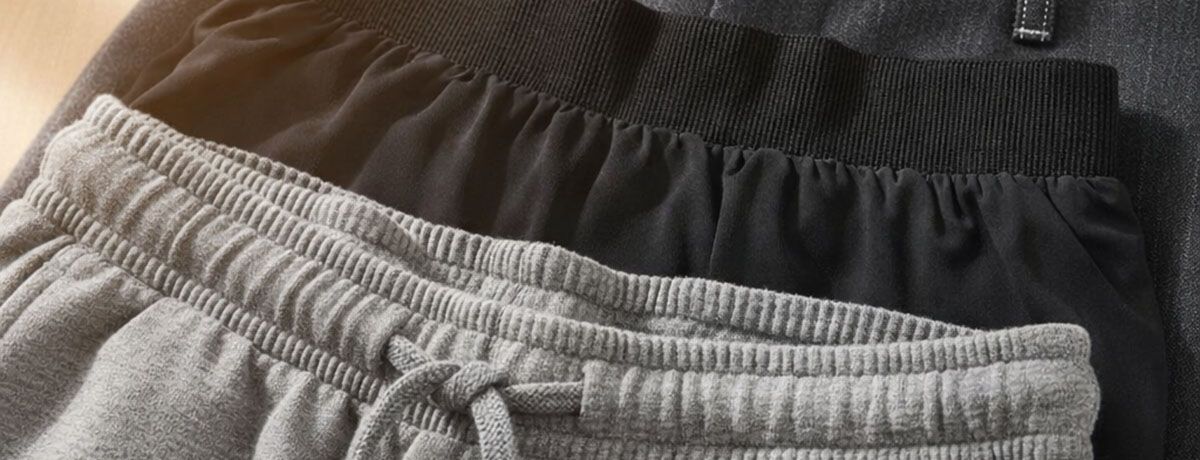
In the textile and garment industry, the waistband is more than just a functional component; it is a critical determinant of garment fit, comfort, and longevity. For garment factories and procurement managers, selecting the appropriate waistband elastic is a strategic decision that impacts the final product’s quality and the consumer’s experience.
While suspenders have historically served as an alternative for holding up trousers, waistbands are now preferred in modern garment manufacturing due to their integrated support, versatility, and ability to accommodate various styles and materials.
Waistbands provide necessary support while allowing for movement, particularly in bottoms such as trousers, skirts, and activewear. However, not all elastics perform equally under the stress of daily wear and industrial washing. Understanding the technical differences between elastic types—and sourcing them from a reliable manufacturer like MH—ensures that mass-produced garments meet international quality standards.
Categorizing Elastic Types for Industrial Application
When sourcing elastic for large-scale production, it is essential to distinguish between the three primary categories: knitted, braided, and woven. Each type possesses distinct properties regarding stretch, recovery, and bulk, making them suitable for specific manufacturing applications.
Knitted Elastic
Knitted elastic is the most versatile option for modern garment manufacturing. It is soft against the skin and, crucially, does not narrow when stretched. Because it retains its width and lies flat, it is the preferred choice for "sew-through" applications where the elastic is stitched directly to the fabric. Its construct allows for needle penetration without breaking the rubber fibers, making it ideal for high-speed industrial sewing machines.
Braided Elastic
Braided elastic is often utilized in casings (where the elastic is enclosed in a fabric tunnel) rather than being sewn through. It has parallel ribs running the length of the elastic. While durable, braided elastic narrows when stretched and loses some of its opacity. It is typically found in necklines or sleeves rather than heavy-duty waistbands, though it remains a cost-effective solution for specific lightweight garments.
Woven Elastic
Woven elastic is the strongest and firmest of the three options. It is known for its high-tension resistance and does not narrow upon stretching. Due to its heavy-duty nature, woven elastic is frequently specified for outerwear, heavy denim, and upholstery. It provides substantial structure but lacks the softness of knitted variants.
The Value of High-Performance Waistbands
For wholesalers and distributors, the quality of the raw material directly correlates to the reputation of the finished good. Integrating premium elastic into garment production offers distinct advantages.
Enhanced Garment Structure
A well-chosen waistband elastic ensures the garment maintains its silhouette. Sagging waistbands are a primary cause of consumer returns in the apparel sector. High-modulus elastics ensure that the waist remains secure without digging into the wearer, balancing tension with comfort.
Manufacturing Efficiency
In a factory setting, material consistency is key. High-quality elastic from MH is manufactured to precise specifications, ensuring uniform width and tension throughout the spool. This consistency reduces machine stoppages and defects during the sewing process, optimizing production line efficiency.
Longevity and Recovery
The lifespan of a garment is often dictated by the failure point of its elastic components. Superior elastic resists degradation from heat, sweat, and repeated laundering. It offers excellent "recovery"—the ability to return to its original measurement after extension—which is vital for maintaining size accuracy over time.
Critical Considerations for Procurement
Selecting the correct elastic requires analyzing the fabric weight, end-use, and production capabilities. Procurement managers should evaluate the following criteria when placing make-to-order requests.
Width and Customization
Standard widths range from narrow measurements for infant wear to wide bands for boxer briefs or activewear. MH operates on a make-to-order basis, allowing clients to specify exact widths and colors to match the garment fabric perfectly. This customization eliminates the need for dyeing or covering the elastic, streamlining the manufacturing process.
Stretch Modulus and Elongation
Different garments require different levels of stretch. A pajama pant requires a gentle, low-tension stretch, whereas athletic compression gear demands high-tension recovery. Specifying the desired elongation percentage ensures the manufacturer produces a batch that meets the functional requirements of the design.
Material Compatibility
The elastic must complement the fabric weight. Heavy woven elastic may distort lightweight silk or rayon, while lightweight braided elastic will fail to support heavy corduroy or wool. Matching the GSM (grams per square meter) of the elastic to the fabric ensures a professional finish.
Sampling and Testing for Quality Assurance
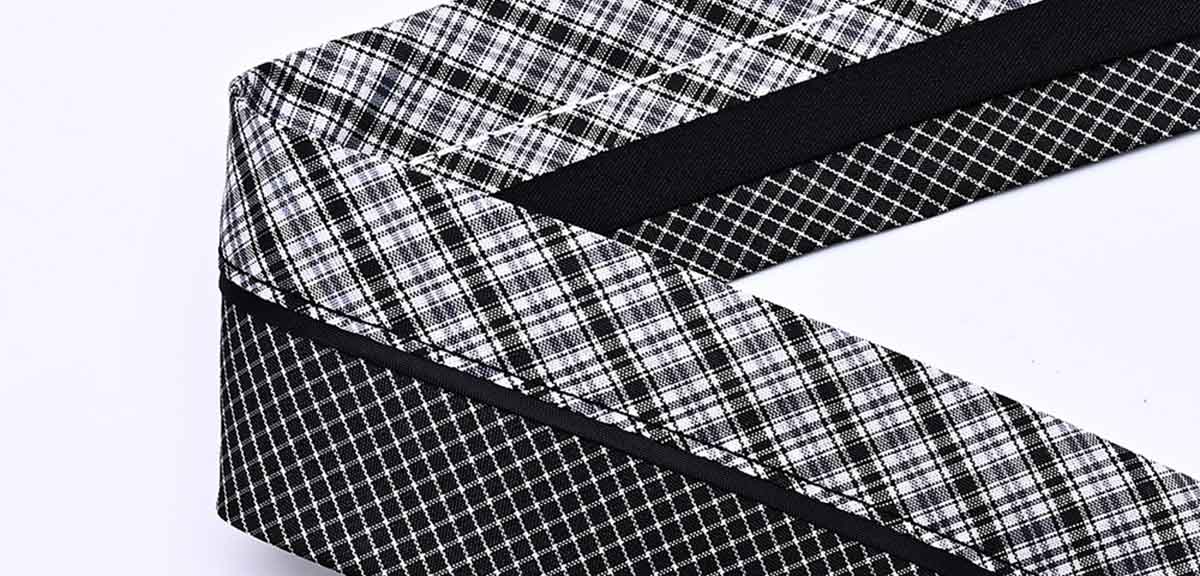
Ensuring the quality of waistband elastic is a critical step in garment manufacturing, especially for pants and trousers where comfort and durability are paramount. Manufacturers rely on rigorous sampling and testing procedures to evaluate key features such as the elastic’s ability to stay flat and resist rolling when stretched. These tests help guarantee that the elastic component will enhance the fit and longevity of the clothing, providing a comfortable experience for the wearer.
A reputable seller will always provide comprehensive details about the material, widths, and other specifications of their elastic waistbands. This transparency allows buyers to find and order the exact product that meets their needs, whether they require a narrow elastic for a sleek fashion look or a wider band for added support in activewear. The choice of waistband width and design is often influenced by current fashion trends and the specific requirements of the clothing being produced.
Online, it’s easy to browse a variety of waistband elastics, with options to select color—such as classic white or other popular shades. With a range of designed options available, manufacturers and consumers alike can find waistband elastics that not only meet technical requirements but also enhance the overall appearance and comfort of the finished garment.
By prioritizing high-quality, well-tested elastic waistbands, brands can deliver popular products that satisfy both fashion and functional demands, ensuring garments remain comfortable and stylish wear after wear.
Industrial Sewing and Application Techniques
The application of elastic in a factory setting differs significantly from domestic sewing. Manufacturers utilize specialized machinery to attach waistbands efficiently.
Multi-Needle Machines
For waistband applications, multi-needle chain stitch machines are often employed to insert elastic and stitch it simultaneously. Knitted elastic is particularly suited for this, as the needles can pierce the construction without damaging the elastane core.
Overlock and Coverstitch
In activewear production, elastics are often attached using 3- or 4-thread overlock machines (sergers) to trim and encase the edge, followed by a coverstitch to secure it flat. This technique requires elastic that remains stable under high-speed feed dogs. Using a dedicated attachment or folder on the machine ensures consistent tension distribution during attachment, preventing the "wavy" effect known as fabric bunching.
The Dominance of Knitted Elastic in Activewear
The athleisure and activewear markets utilize knitted elastic extensively. Activewear demands garments that move with the body through a full range of motion. Knitted elastic offers a "breathable" structure due to its loop formation, which manages moisture better than dense woven options.
Furthermore, activewear is frequently subjected to high-stretch scenarios. Knitted elastic's ability to maintain its width prevents it from rolling or twisting inside a waistband, a common failure point in lower-quality sportswear. For manufacturers targeting the fitness sector, specifying high-recovery knitted elastic is non-negotiable.
Product Care and Material Durability
Garment factories must consider the care instructions that will accompany the final product. The choice of elastic influences these instructions.
Heat is the enemy of rubber-based elastics. High-temperature industrial drying can cause the rubber core to become brittle and snap. However, modern synthetic elastomers offer higher heat resistance. When sourcing materials, it is advisable to confirm the heat tolerance of the elastic to ensure it aligns with the intended care label of the garment, particularly for industrial workwear that undergoes rigorous cleaning.
Secure Your Supply Chain with MH
The waistband is a small component with a massive impact on garment quality. For wholesalers, distributors, and factory procurement managers, sourcing the right elastic is the first step toward producing superior apparel.
MH stands as a premier integrated supplier in the textile industry, providing customized, make-to-order solutions for garment accessories. Whether the production line requires soft knitted elastic for loungewear or high-tension woven elastic for denim, MH delivers consistent quality tailored to industrial specifications.
By partnering directly with a manufacturer, businesses gain access to mass production capabilities that ensure supply chain stability and product uniformity. Contact the MH team today to discuss specifications and request samples from our extensive catalog.