
What Is Flannel Fabric and Why Is It Widely Used by Bulk Textile Buyers?
Quick definition & why flannel matters for B2B sourcing
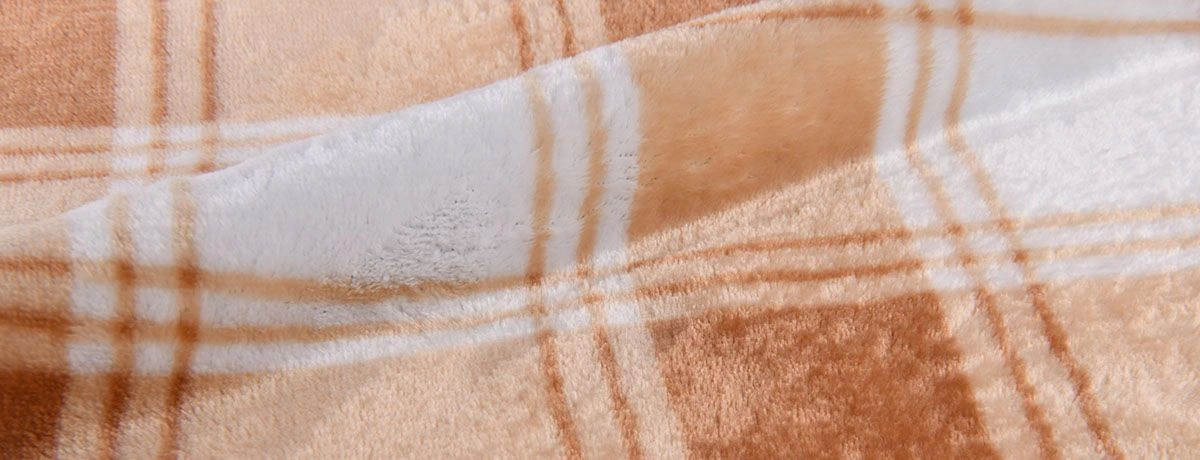
Flannel fabric is a medium-weight woven fabric—typically cotton, polyester, or blends—characterized by a napped (brushed) surface that creates its signature soft texture. Produced mainly in twill or plain weave constructions, this versatile fabric has become a cornerstone material for autumn-winter apparel and home textile programs worldwide.
In modern bulk production, most commercial flannel is cotton flannel, polyester flannel, or cotton/poly flannel rather than wool. This is important for garment factories and home-textile manufacturers to understand: when you source “flannel” at industrial scale, you’re almost always dealing with these three categories.
One common misconception worth clearing up: the term “flannel” describes the construction and napped finish of the fabric, not the pattern. Plaid shirts, tartan clothing, solid colors, and printed designs are all separate design choices that can be applied to flannel fabric. That iconic plaid flannel look is a styling decision, not a fabric definition.
Key sourcing advantages for industry buyers include:
-
Good thermal insulation from trapped air in the napped layer
-
Soft handfeel that appeals to end consumers
-
Cost-effective GSM range suitable for mass-market programs
-
Wide printability options (yarn-dyed, piece-dyed, rotary print, digital print)
-
Strong fit for autumn-winter seasonal ranges
MH focuses on bulk flannel supply for apparel and home textiles, with stable quality, OEM/ODM service, and long-term partnership focus. We do not sell retail or small quantities—our business is built around container-level shipments and seasonal programs for serious buyers.
What is flannel fabric? (Technical definition & composition)
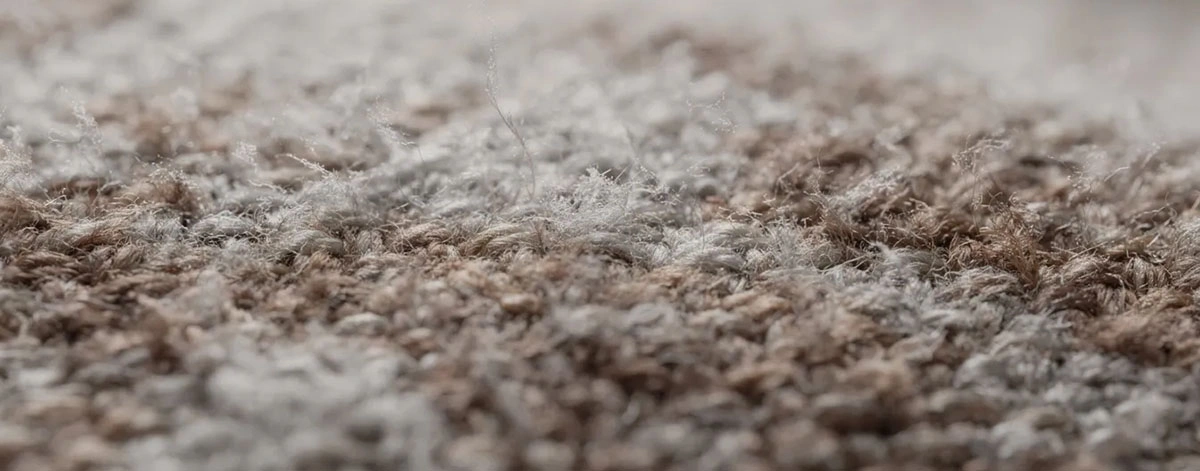
From a technical standpoint, flannel is a woven fabric characterized by a napped (brushed) surface on one or both sides, usually in the 110–250 gsm range, made from carded yarns that produce a fuller, warmer handle than standard sheeting fabrics.
The history of flannel traces back to 17th-century Wales, where it originated as a wool-based textile prized for warmth and durability in cold climates. However, today’s commercial landscape looks quite different. The main categories you’ll encounter in B2B sourcing are:
|
Flannel Type |
Common Applications |
Price Position |
|---|---|---|
|
100% cotton flannel |
Shirts, pajamas, children’s wear, bedding |
Mid to upper |
|
100% polyester flannel |
Budget blankets, throws, promotional items |
Lower |
|
Cotton/polyester blended flannel |
Institutional bedding, uniforms, value ranges |
Mid-range |
|
Wool flannel |
Suits, trousers, uniforms (tailoring) |
Premium |
For mass apparel and home textiles—think flannel shirts, pajamas, sleepwear, and flannel sheets—B2B programs typically use cotton or cotton/poly flannel due to cost efficiency, comfort properties, and print performance.
True flannel is defined by its surface and structure, not by the plaid design or fashion style often associated with it. Flannel can be solid-dyed, yarn-dyed (for checks and plaids), or printed with any pattern the market demands.
For wholesalers, sourcing managers, and garment factories, what matters most is composition, GSM, weave construction, and finishing specifications—not retail fashion aspects.
Raw materials for flannel: cotton, polyester, and blends
Fiber selection determines your cost level, performance characteristics, and market positioning for flannel-based products. Understanding the trade-offs between different raw materials is essential for making informed sourcing decisions.
Cotton flannel
Cotton flannel fabric remains the most widely used type for quality-focused programs. It’s typically produced from carded ring-spun or open-end yarns using 100% cotton.
Advantages:
-
Breathable and comfortable against sensitive skin
-
Good moisture absorption and moisture wicking properties
-
Excellent print clarity and color vibrancy
-
Natural fibers appeal to eco-conscious markets
-
Suitable for frequent washing
Typical uses: Casual shirts, pajamas, children’s wear, double-sided brushed bed sheets, autumn-winter sleepwear, and baby flannel for sensitive baby skin applications like reusable baby diapers.
Cotton flannel is often described as incredibly soft when properly finished, making it ideal for skin-contact applications.
Polyester flannel
Synthetic flannel is produced from PET-based fibers, often using microfibers to achieve a very soft touch despite the synthetic materials.
Advantages:
-
Lower cost per meter than cotton
-
High bulk and extra warmth per weight
-
Fast drying and good dimensional stability
Considerations: Lower breathability than cotton fabric, may require attention to pilling resistance, and some markets have specific flammability standards for petrochemical based fabrics that must be met.
Cotton/polyester blended flannel
Blended flannel uses common ratios like 65/35, 60/40, or 50/50 cotton/poly to balance performance characteristics.
This approach aims to combine the softness and absorbency of cotton with the strength, wrinkle resistance, and cost advantages of polyester. Blended flannel is widely used for institutional or volume programs such as uniforms, budget bedding, and value apparel ranges.
Wool flannel
Wool flannel represents the original form of the fabric, typically using worsted yarn or carded wool. While vegetable flannel lost favor in commercial production long ago, wool flannel remains relevant in specific segments.
This higher-cost option is mainly for tailored garments (suits, trousers, uniforms) rather than mass flannel shirts or bedding. Historically, irish flannels and older welsh plains were prized for their quality, though modern production has largely shifted to other regions.
For bulk buyers: Confirming exact fiber content, yarn count (e.g., 20s, 32s), and GSM is essential for cost and performance consistency across production runs.
Common industrial and commercial applications of flannel
Flannel is a workhorse material for mid-priced autumn-winter product lines across apparel and home textiles. Applications depend on composition and GSM selection.
Apparel manufacturing
Main product categories:
-
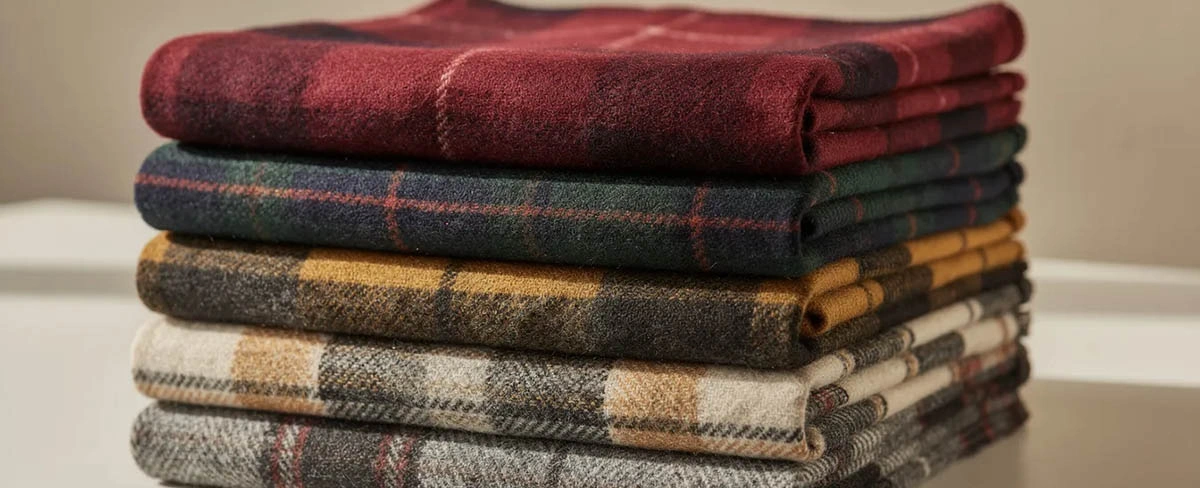
Casual shirts and plaid shirts
-
Overshirts/shackets
-
Pajamas and loungewear (casual wear staples)
-
Lined jackets and hoodies
-
Children’s wear
Welsh cotton traditions and flannel gained popularity through practical work clothing, evolving into today’s fashion statement pieces while maintaining their functional origins.
Typical market segments: Mid-mass retailers, supermarket apparel programs, promotional clothing, and private-label brands all source flannel regularly for seasonal ranges.
Home textiles
Key items:
-
Flannel sheets and bed sheets
-
Duvet covers and pillowcases
-
Mattress protectors
-
Blankets and throw blankets
-
Light winter bedsheets and quilts
Double-sided brushed cotton flannel is common for winter bedding in Europe, North America, and parts of Asia. The fabric works well in tumble dry applications when properly finished.
Institutional and commercial uses
-
Hospital and nursing facility bedding
-
Budget hospitality bedding
-
Uniforms requiring warmth and comfort
Cotton/poly flannel blends are often chosen for these applications due to durability and easier industrial laundering requirements.
Other technical uses
-
Interlining or backing material for garments and accessories
-
Cleaning cloths where softness and absorbency matter
-
Specialty applications like scots pine needle sachets or similar products
MH can adjust composition, weight, and finish to match different market and product requirements within large, repeatable production runs.
Flannel types in the market (by fiber & construction)
While many “named” flannel types exist historically, most B2B programs focus on a few core industrially relevant categories. Understanding these helps you weave flannel specifications into your sourcing strategy effectively.
Cotton flannel
Standard brushed cotton flannel comes in various weights and napping intensities. Baby flannel or double-sided brushed variants offer enhanced softness for skin-contact items.
This type is particularly suitable for products subject to chemical and safety standards, including children’s wear and products for sensitive baby skin.
Polyester flannel
Widely used for budget blankets, promotional throws, and low-cost winter bedding. Offers strong warmth and softness but lower breathability than cotton.
Anti-pilling finishing is often required to maintain appearance after multiple washes. Synthetic fibers in this category must meet flammability standards in certain markets.
Cotton/poly blended flannel
This compromise between comfort and durability serves institutional and volume retail products well. Blends can be engineered to reach specific price points and performance criteria.
Popular ratios include 65/35 and 60/40 cotton/poly, balancing natural fibers benefits with synthetic materials advantages.
Wool flannel
Keep this separate in your sourcing—wool flannel is a higher-end tailoring fabric mainly for suits and trousers, produced from worsted yarn or carded wool. It’s not the same as mass flannel shirting fabric.
Flannelette and lightweight flannels
Flannelette is a lighter, often cheaper, cotton or cotton-blend fabric with a lighter nap and sometimes lower density. This lightweight fabric works for warm-climate sleepwear or budget bedding where a lighter hand is needed.
Buyer guidance: Look beyond marketing names and focus on hard specs:
-
Composition (fiber percentages)
-
Yarn count
-
Weave type
-
GSM
-
Napping sides
-
Finishing requirements (For detailed specifications, see 180T Pongee Geena Fabric)
Is flannel suitable for your product line? (Selection guidelines for buyers)
This section serves as a decision aid for sourcing managers considering flannel for specific projects or markets.
Match flannel type to end use
Cotton flannel: Recommended for mid-range to better-quality shirts, pajamas, children’s wear, and winter bedding where comfort and breathability are key. Works well for products marketed as a versatile fabric for cold weather.
Polyester flannel: Recommended for budget blankets, promotional throws, and cost-sensitive programs where warmth and softness matter more than breathability.
Cotton/poly flannel: Recommended for institutional bedding, uniforms, and large-volume private-label programs needing durability and easier care.
Consider market climate and season
-
For cold or temperate markets with strong autumn/winter seasons, flannel suits main seasonal ranges
-
For tropical markets, flannel may work in lighter GSM for air-conditioned environments
Technical and regulatory requirements
Check these factors when choosing flannel composition and finishes:
-
Flammability standards (especially children’s sleepwear)
-
Colorfastness requirements
-
Chemical limits (particularly for sensitive skin products)
Supply and customization
Flannel can be produced in solid colors, yarn-dyed checks, and custom prints. OEM/ODM projects can be developed based on buyer tech packs.
MH can work with buyers on customized specs (composition, GSM, width, printing, finishing) as long as MOQs and lead times align with industrial production norms.


Key takeaways for flannel sourcing
-
Flannel is defined by its napped surface, not by plaid design
-
Cotton flannel dominates quality-focused programs
-
Specify GSM, composition, weave, and finishing clearly
-
Partner with mills experienced in large-scale flannel production
-
Consider compliance requirements early in development
Flannel is a practical, scalable fabric choice for many autumn-winter programs, provided you define clear technical specifications and work with partners who understand bulk production requirements.
Ready to discuss flannel sourcing for your next seasonal program? MH offers bulk supply, OEM/ODM cooperation, and stable quality for serious buyers focused on long-term partnerships.
