
Which Types of Wholesale Satin Material Are Best for Different Garment Applications?
Introduction to Wholesale Satin Material
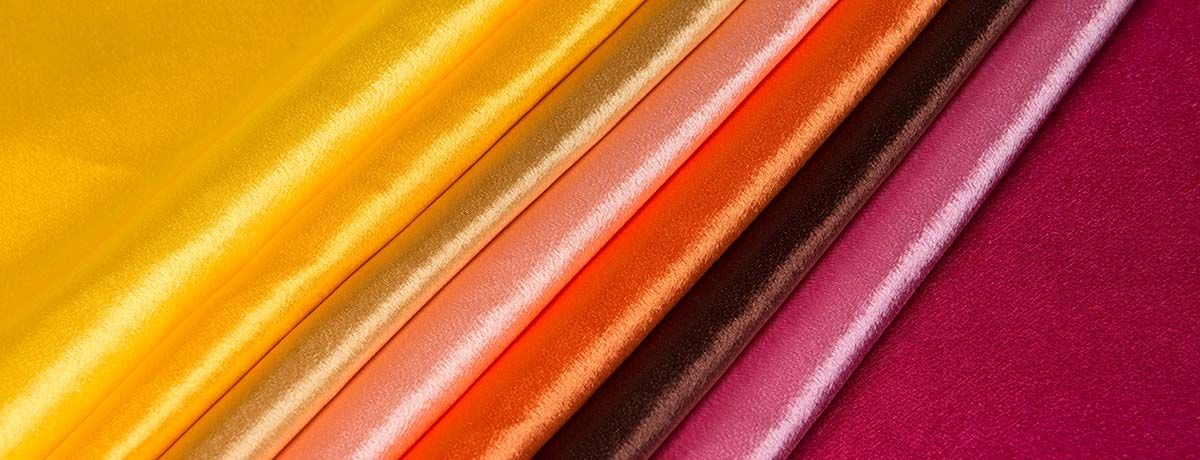
Satin is a weave structure, not a fiber type. This distinction matters for wholesale purchasing because the same satin weave can be produced from polyester, silk, nylon, cotton, or blended yarns—each delivering different performance characteristics and cost structures. The satin weave creates a smooth, lustrous face with a matte back, achieved through long floating threads that reflect light efficiently across the fabric surface. For B2B buyers sourcing satin in bulk, understanding this weave-based definition is the foundation for specifying the right material for production.
MH (Ningbo MH Industry Co., Ltd.) supplies wholesale satin material in rolls and bolts for garment factories, apparel exporters, fabric distributors, and textile converters. As a vertically integrated manufacturer and exporter, MH coordinates satin fabric sourcing alongside complementary garment accessories—sewing thread, zippers, ribbons, and interlining—enabling buyers to consolidate purchasing through a single supplier for streamlined logistics and cost savings.
Common wholesale use cases for satin material include large-scale apparel production (evening wear, dresses, blouses, lingerie linings), uniform programs for hospitality and performance sectors, home textile lines (bedding, cushion covers, curtains), event décor programs (tablecloths, chair sashes, backdrops), and textile converters producing finished goods for retail distribution. In 2024, production runs for bridal gowns, corporate uniforms, and hotel textile programs continue to drive substantial satin demand across global markets. When sourcing satin in bulk, buyers should evaluate fiber content, GSM (grams per square meter), width, finish, and batch consistency as primary specification criteria before placing orders.
What Satin Material Is and How It Is Woven
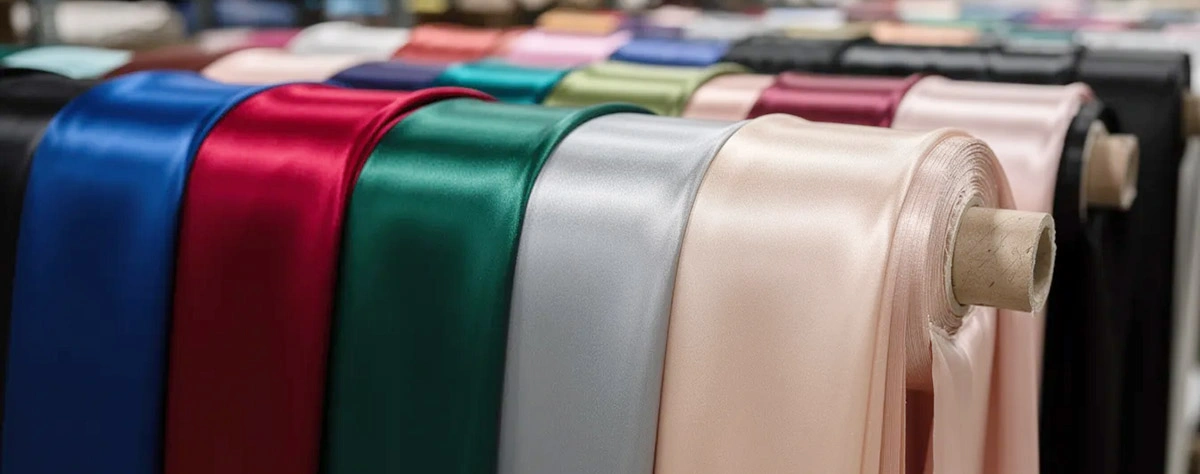
The term “satin” refers specifically to a weave structure characterized by long floats creating high surface coverage and directional gloss. Unlike plain weave (where threads interlace in a simple over-under pattern) or twill weave (which creates diagonal lines), satin weave minimizes interlacing points to produce an exceptionally smooth hand and shiny appearance on the face side.
The basic satin weave principle involves warp- or weft-faced floats arranged so that threads pass over multiple opposing threads before interlacing. Common weave ratios include:
-
4/1 satin: Warp thread passes over four weft threads before going under one, creating a moderately lustrous surface suitable for apparel linings and lightweight dress fabrics.
-
5/1 satin: Warp floats over five weft threads, producing increased sheen and a softer drape commonly used in charmeuse and bridal satin.
-
8/3 satin: A denser construction where warp floats over eight threads, used for heavier duchess satin and upholstery applications requiring body and structure.
The fewer interlacing points in satin weave directly affect the fabric’s behavior: greater luster, more fluid drape, and a texture that feels soft against the skin. However, this structure also means the fabric is more prone to snagging compared to plain weave constructions.
Modern wholesale satin is typically produced on air-jet or rapier looms. Standard production widths include:
-
57–60 inches (145–152 cm): Common for apparel applications including dresses, blouses, and garment linings.
-
110–118 inches (280–300 cm): Wide-width satin for bedding, tablecloths, curtains, and large-scale décor projects.
MH can coordinate with partner mills for specific satin constructions—charmeuse satin for lightweight elegance, bridal satin for structured gowns, or crepe-back satin offering reversible style options—according to buyer specifications.
Common Fiber Compositions in Wholesale Satin
Satin can be woven from multiple fiber types, with selection driven by cost targets, performance requirements, and regulatory compliance for end products. The fiber composition directly impacts dyeing method, color consistency, hand feel, durability, and suitability for specific applications.
-
Polyester satin: The most common choice for bulk orders due to its affordable price point, good durability, and excellent colorfastness. Polyester satin offers wrinkle resistance and resistance to shrinkage, making it practical for high-volume production. Typical applications include fashion apparel, uniforms, costumes, and décor textiles. Its easy-care properties suit products requiring frequent laundering. Polyester satin is sold at wholesale prices significantly below natural fiber alternatives.
-
Silk satin: The premium natural option delivering luxurious sheen and superior drape. Silk satin is breathable, hypoallergenic, and cool to the touch, making it suitable for high-end apparel, scarves, and accessories. However, higher material costs and more demanding cleaning requirements limit silk satin use in mass uniform programs or volume décor projects where economy is prioritized.
-
Nylon satin: Selected where higher abrasion resistance, elasticity, or specific mechanical strength is required. Nylon satin provides a soft, silky feel with subtle sheen and is commonly used for lingerie, athletic wear linings, raincoat linings, and technical applications where durability under stress matters.
-
Acetate/triacetate satin: Chosen for specific drape and hand requirements, particularly in evening wear and bridal applications. Acetate satin is lightweight with elegant flow but less durable than polyester or silk options. It is less common in contexts requiring industrial laundering or high-temperature processing.
-
Cotton satin (sateen-type constructions): Suitable for bedding, shirts, pajamas, and garments needing better breathability and a soft, matte luster rather than high gloss. Cotton satin enhances comfort for direct skin contact and provides anti-allergenic properties. Long-staple cotton produces shinier sateen than shorter-staple varieties.
-
Blended compositions: Polyester/spandex stretch satin (e.g., 95/5, 97/3 blends) incorporates controlled stretch and recovery for fitted garments including lingerie, dance costumes, and form-fitting dresses. These blends maintain satin’s smooth surface while adding functional elasticity.
Fiber choice affects dyeing method and color consistency across production batches. For export markets, compliance with standards like Oeko-Tex Standard 100 (testing for harmful substances) may be required, and certain fibers respond differently to the testing and certification process.
Typical Satin Specifications for Wholesale Orders
B2B buyers typically define satin material by GSM, yarn count, density, width, and finish when issuing purchase specifications. Clear technical parameters ensure the fabric performs as expected during cutting, sewing, and end-use.
GSM ranges by category:
-
80–110 GSM: Lightweight charmeuse, linings, and delicate blouses requiring fluid drape with minimal weight.
-
110–150 GSM: Standard dress satin for dresses, evening wear, and general apparel applications.
-
150–230 GSM: Bridal satin and duchess satin with more body and structure for wedding gowns and formal garments.
-
200–280 GSM: Heavyweight satin for upholstery, heavy décor applications, and tablecloths requiring opacity and durability.
Yarn specifications for polyester satin:
-
75D/36F: Fine denier with 36 filaments per yarn, producing a soft hand and refined sheen for charmeuse and lightweight dress fabrics.
-
100D/48F: Mid-weight construction offering balance between softness and durability for standard apparel satin.
-
150D/48F: Heavier denier for duchess satin and applications requiring more substantial weight and body.
Standard fabric widths:
-
57/58 inches and 58/60 inches: Industry-standard widths for apparel production, suitable for most garment pattern layouts.
-
110 inches and 118 inches: Wide-width options for décor, tablecloths, curtains, and hotel bedding programs where seamless panels reduce labor and enhance appearance.
Structural parameters:
-
Ends per inch (EPI) and picks per inch (PPI): Higher density improves opacity, surface uniformity, and luxurious feel for high-end garments. Typical quality satin constructions range from 120–180 EPI depending on yarn fineness.
Common finishes:
-
Piece-dyed, yarn-dyed, pigment printed, digital printed
-
Mechanical/chemical finishes: soft finish, anti-static, stain-resistant
-
Flame-retardant finishes for contract and hospitality use where fire safety codes apply
MH can coordinate customized specifications including target GSM range, width, finish type, and color standards (Pantone references or Lab* values) for recurring orders. This ensures buyers receive just what their production lines require across multiple shipments.
Common Industrial and Commercial Applications of Wholesale Satin
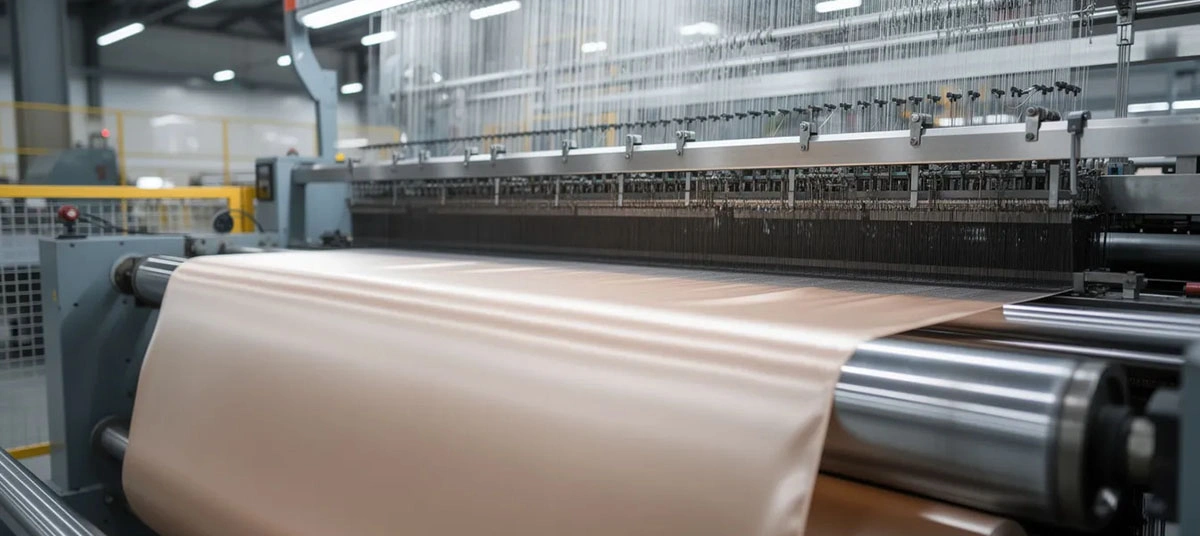
Application determines the optimal satin type, GSM, finish, and required certifications. Understanding end-use helps buyers specify material that performs correctly throughout the product lifecycle.
-
Apparel manufacturing: Evening wear, dresses, blouses, lingerie, sleepwear, and outerwear linings represent core satin applications. Lightweight charmeuse (80–110 GSM) suits lingerie and flowing blouses, while heavier bridal and duchess satin (150–230 GSM) provides structure for wedding gowns and formal dresses. Stretch satin serves fitted garments requiring mobility.
-
Uniforms and corporate wear: Stage uniforms, performance costumes, and hospitality uniforms benefit from polyester satin’s controlled sheen, durability, and easy care. Colorfastness to frequent washing and consistent appearance across uniform programs are key requirements.
-
Home textiles and décor: Curtains, cushion covers, bed runners, pillow shams, and decorative throws often require wide-width satin (110–118 inches) at higher GSM (180–260 GSM). Cotton sateen serves bedding applications where breathability and skin contact comfort are priorities.
-
Event and rental textiles: Tablecloths, chair covers, sashes, and backdrop draping for wedding venues, hotels, and event companies require wrinkle resistance, colorfastness to frequent laundering on delicate cycle, and consistent shade across repeat orders. Good quality polyester satin at 140–180 GSM balances appearance with durability for rental inventory.
-
Accessories and trimmings: Ties, scarves, sashes, hair accessories, labels, and decorative ribbons utilize satin’s luxurious feel and smooth texture. These applications often involve smaller yardage per color but multiple colorways. MH’s ribbon and trimming product ranges complement satin fabric sourcing for integrated accessory production.
-
Industrial and technical uses: Bag linings, shoe linings, specialty packaging, and stitched branding elements benefit from satin’s smooth, low-friction surface. These applications may have specific weight or abrasion requirements beyond standard apparel specifications.
Typical B2B order sizes range from hundreds to thousands of meters per color, depending on program scale. Event décor projects and hotel textile programs often require 5,000–20,000+ meters across a color range.
Working with MH for Wholesale Satin Material Sourcing
MH (Ningbo MH Industry Co., Ltd.) is a B2B-focused manufacturer and exporter of garment materials, including satin fabrics and satin-related accessories. The company serves overseas garment manufacturers, apparel brands, uniform producers, and fabric distributors seeking reliable wholesale options with consistent supply.
-
Full-package sourcing capability: MH supports satin-based product lines with matching sewing thread, zippers, lace trims, ribbons, and interlining from a single supplier. This consolidation reduces vendor management complexity and can improve access to volume discount pricing.
-
Typical cooperation process: Buyers share end-use requirements and target specifications. MH provides fabric suggestions and sample yardage for evaluation. After confirming lab dips and approving hand/appearance, bulk production proceeds with agreed delivery schedules. This structured approach reduces miscommunication and ensures the project moves efficiently from sample to stock.
-
Production scale: MH operates multiple factory zones in Ningbo with thousands of workers and maintains long-term cooperation with 1,500–2,000 partner manufacturers globally. This scale enables stable volume supply and flexible MOQs adapted to market requirements—from sample quantities for development to container-load production runs.
-
Export experience: Regular shipping to major markets in Europe, North America, South America, Africa, and Southeast Asia. Familiarity with required testing, documentation, and compliance standards reduces friction for buyers navigating international trade requirements.
-
Getting started: Prepare technical requirements including fiber type, GSM range, width, finish, applicable standards, and target wholesale prices. Contact MH to discuss your satin sourcing needs, request fabric samples, and develop or match a satin quality suited for ongoing production.
For B2B buyers seeking versatile satin material with good quality at an affordable price, establishing a long-term sourcing relationship with a vertically integrated supplier delivers both cost savings and supply chain stability. Whether your project involves bridal gowns, hospitality uniforms, hotel bedding, or event décor, defining specifications upfront and working with an experienced supplier streamlines the path from inquiry to production.
Ready to source wholesale satin material for your next production run? Contact MH to discuss your specifications, request fabric samples, and explore wholesale options tailored to your manufacturing requirements. With commitment to quality, on-time delivery, and full-category garment material supply, MH supports your business from sample development through bulk production.