
How to Source High-Quality Wholesale Tassel for B2B Applications?
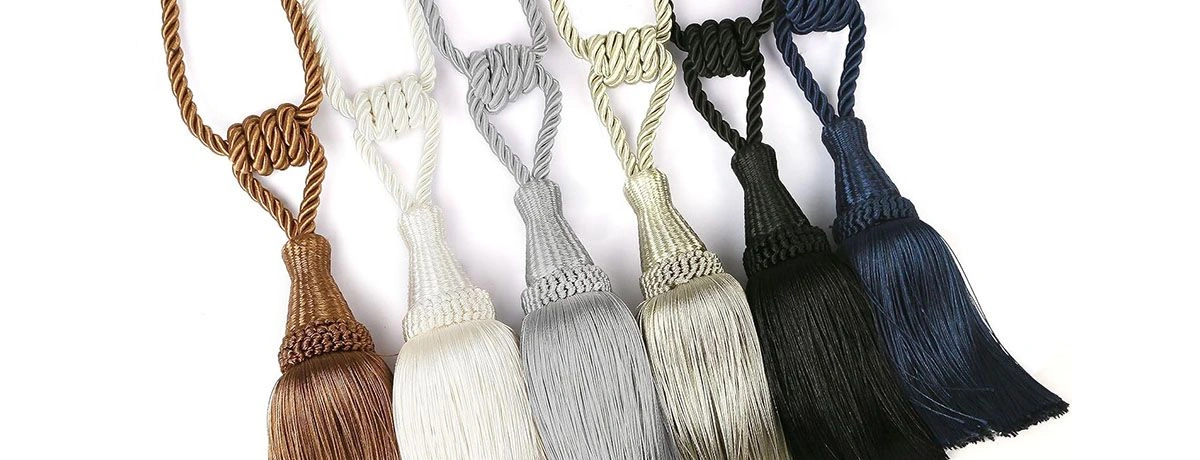
Tassels serve as essential finishing components in the textile and garment industries. For procurement managers and distributors, securing a reliable source for wholesale tassels determines the final quality and marketability of the end product. Whether applied to home textiles, fashion accessories, or high-end garments, the quality of a tassel reflects the overall standard of the brand. Finding reliable suppliers for wholesale tassels can involve using online B2B marketplaces and attending trade shows.
This guide provides professional B2B buyers with the necessary criteria to evaluate manufacturers, understand pricing structures, and manage the logistics of sourcing bulk tassels. Wholesale tassels consist of a gathered bundle of threads, cords, or materials sold in bulk, typically to manufacturers, designers, and crafters. MH, with its business expertise and reputation as a leading provider in the silk tassel industry, emphasizes the importance of direct manufacturing relationships for ensuring product consistency and competitive pricing. Wholesale tassels allow for cost-effective, high-volume sourcing for projects, as they are generally pre-packaged.
Defining Quality in High Quality Tassels Manufacturing
High-quality tassels are defined by their material composition, density, and construction. When evaluating samples from a manufacturer, buyers should inspect the filament quality. Premium polyester and rayon are standard choices for their sheen and durability, while cotton offers a matte, natural finish suitable for specific aesthetic requirements. Tassels are commonly made from materials such as rayon, polyester, cotton, leather, and metallic threads. Cords are a fundamental material used to create tassels, forming the core of many tassel designs. Common materials for tassels promote different aesthetics, such as silk and rayon for luxury and natural fibers like cotton for a bohemian feel.
Construction quality is equally critical. A high-quality tassel features a tightly secured head (the bound section) that does not unravel under stress. The fringe should be uniform in length and density, with no sparse areas. Durability indicators include colorfastness and resistance to friction, ensuring the accessory withstands the product’s intended lifecycle.
Types and Commercial Applications
Understanding the categorization of tassels assists buyers in specifying orders accurately. Tassels typically fall into categories based on size, material, and attachment method. Tassels are versatile embellishments used to add texture, movement, and a finishing touch to products. They are used in various contexts, including academic graduation caps, stationery, and crafts. Tassels are also frequently added to handbags, backpacks, and wallets as charms or zipper pulls. In home decor, tassels are popular in bohemian, traditional, and modern styles for items like curtain tiebacks and furniture accents.
-
Material: Options range from synthetic fibers like polyester and nylon to natural fibers like cotton and silk, as well as metallic threads for decorative purposes.
-
Attachment: Common styles include cord loops (for hanging) and key ring attachments, depending on the application. Tape is also used as a securing or attachment method for tassel fringe trim.
-
Functionality: Styles vary from decorative fringe for curtains and cushions to functional pulls for zippers and bags. Decorative fringe can incorporate beads into the tassel fringe trim to enhance decoration and add sparkle. Tassel fringe trim is available in a wide variety of colors, allowing for easy matching with different materials and styles. Tassel fringe trim is often sold by the spool, making it convenient for bulk purchasing, storage, and professional use.
MH supports a make-to-order production model, allowing buyers to customize these specifications to meet precise design requirements for home decor, fashion, or craft industries.
Navigating Wholesale Prices and MOQs
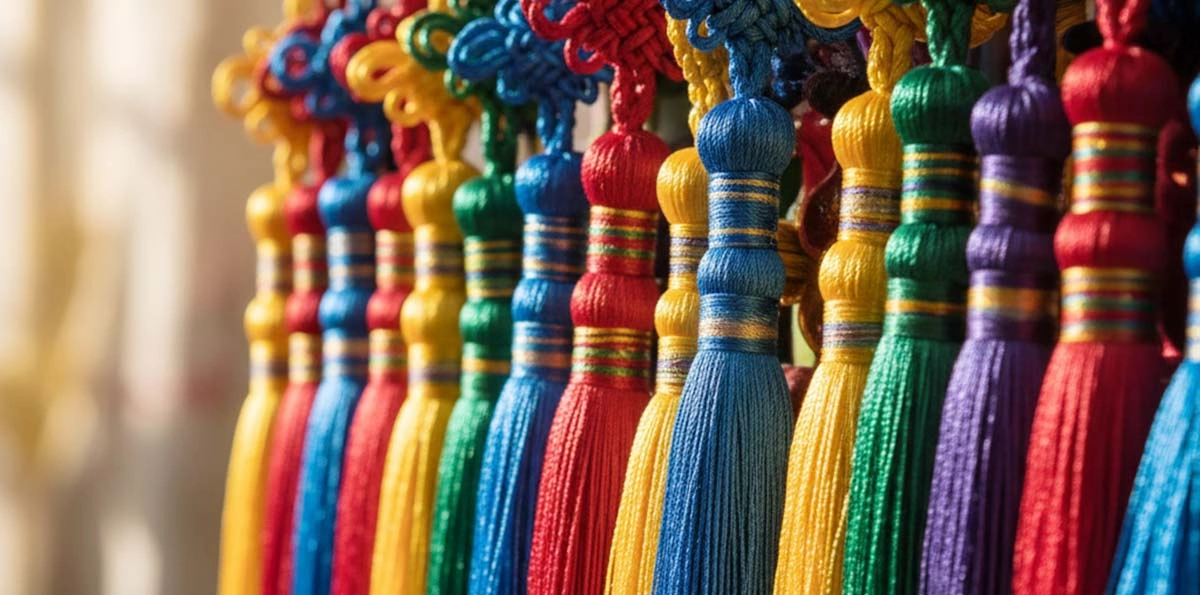
As a B2B supplier operating on a make-to-order basis, understanding the Minimum Order Quantity (MOQ) is vital. Wholesale prices are directly linked to production volume. Higher quantities allow manufacturers to optimize material usage and machine time, resulting in lower per-unit costs.
Buyers should request a formal quote that outlines price breaks at different volume tiers. Since there is no ready stock, the pricing structure accounts for the setup costs of custom production runs. This model ensures that the client pays for fresh, specification-exact inventory rather than aging stock.
Sourcing and Customization Strategies
Identifying a reliable manufacturer involves evaluating their ability to produce consistent lots over time. MH advises buyers to request pre-production samples to verify color accuracy and physical dimensions before authorizing mass production.
Customization and Branding
Private labeling and customization are significant advantages of the make-to-order model. Buyers can request:
-
Custom Color Matches: Utilizing Pantone codes to ensure the tassel matches the garment or textile perfectly.
-
Branding: Incorporating branded tags or specific packaging requirements for retail readiness.
-
Material Blends: Adjusting the fiber composition to meet specific price points or performance metrics.
Negotiation Tips
To secure the best terms, buyers should consider bundling multiple SKUs into a single order to meet MOQs across different styles. Negotiating payment terms and asking for sample discounts on large projected orders are standard practices in B2B procurement.
Logistics: Packaging, Shipping, and Quality Control
Tassels are delicate items that require specific packaging to prevent the fringe from becoming crushed or tangled during transit.
Packaging and Shipping
Professional manufacturers will pack tassels with protective sleeves or arrange them flat in cartons to maintain their shape. Orders for wholesale mini tassel charms can be shipped the same day if placed before noon. Tassel Fringe Trim is sold by the yard, or in bulk by the spool, which is convenient for larger projects. Spools are a common and efficient way to package tassel fringe trim for bulk orders, making handling, storage, and application easier for sewing and craft projects. Shipping costs are influenced by volume and weight; therefore, planning reorder cadences to maximize container space is a cost-effective strategy.
Quality Control Checklist
Upon receipt of a shipment, procurement teams should perform a standard inspection:
-
Visual Inspection: Check for uniform length and color consistency across the batch.
-
Stress Test: Gently pull the fringe to ensure the binding is secure.
-
Defect Documentation: Document any defects immediately. Establishing an acceptable defect rate threshold in the initial contract prevents disputes.
Care and Marketing Support
Providing end-users with care instructions adds value to the product. Most synthetic tassels require gentle hand washing or spot cleaning to prevent fraying. Storage recommendations should advise against compressing the fringe.
Silk tassels are incredibly versatile for arts and crafts projects. They can be used to make jewelry and other fun arts and crafts projects, allowing individuals to express their personal style in creative ways. Engaging in arts and crafts activities with tassels is helpful for stimulating creativity and personal expression. There are numerous options available for silk tassels in the market, making them a great choice for creative projects. Mini tassel charms can also be used for various crafting projects.
For distributors, clear marketing copy enhances sales. Use specific terms like “high-quality tassels” in product listings and highlight the durability and custom nature of the materials. Displaying wholesale pricing tiers clearly for your downstream B2B clients facilitates faster decision-making.
Buying Checklist and FAQ
Before placing an initial order with a manufacturer like MH, buyers should ensure they have the following:
-
Tech Pack or Physical Sample: For accurate replication.
-
Pantone Color Codes: For precise dyeing.
-
Volume Estimates: To secure accurate tiered pricing.
Additionally, you can find and select the tassels that best suit your needs from a wide range of available options. You can also shop Tassel Fringe online by the yard at wholesale prices.
Frequently Asked Questions
What is the lead time for custom orders?
Lead times vary based on order volume and the complexity of the design. Typically, production commences after sample approval. Confirm specific timelines during the quoting phase.
Can I order samples before the full bulk run?
Yes. Requesting a sample is standard procedure to verify quality and color accuracy.
Is there a return policy for custom orders?
Custom make-to-order products generally have strict return policies. Returns are usually only accepted in cases of manufacturing defects or deviations from the approved sample.
Partner with MH for Your Textile Needs
Securing high-quality wholesale tassels requires a manufacturing partner who understands the intricacies of textile production. MH offers the customization capabilities and industrial scale necessary to support large wholesale and distribution operations.
Request a sample today to evaluate our quality firsthand, or contact our sales team for a competitive quote on your next bulk order.