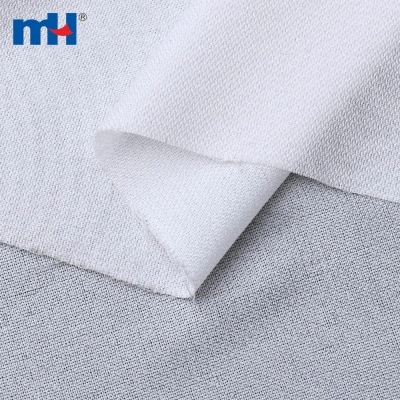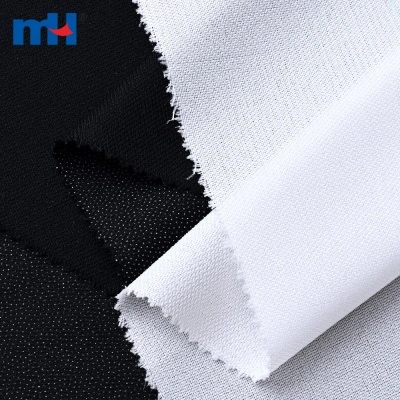
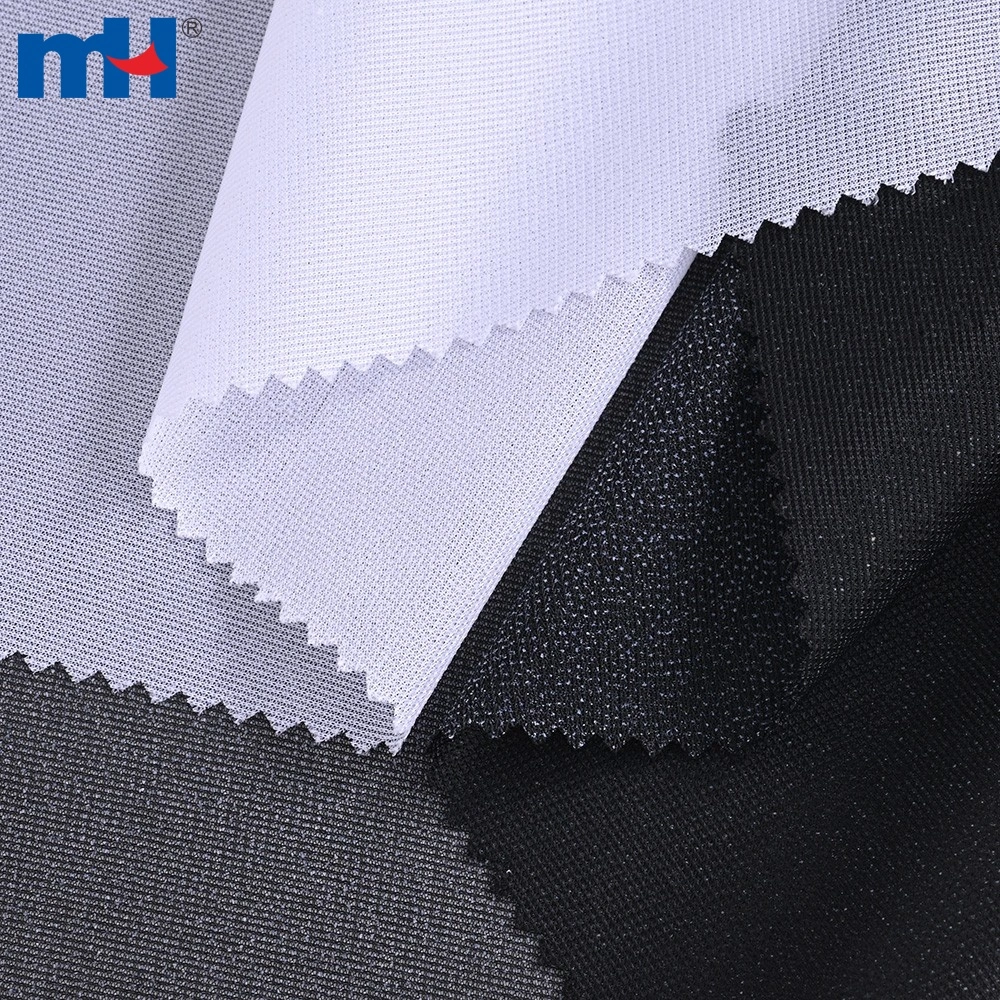
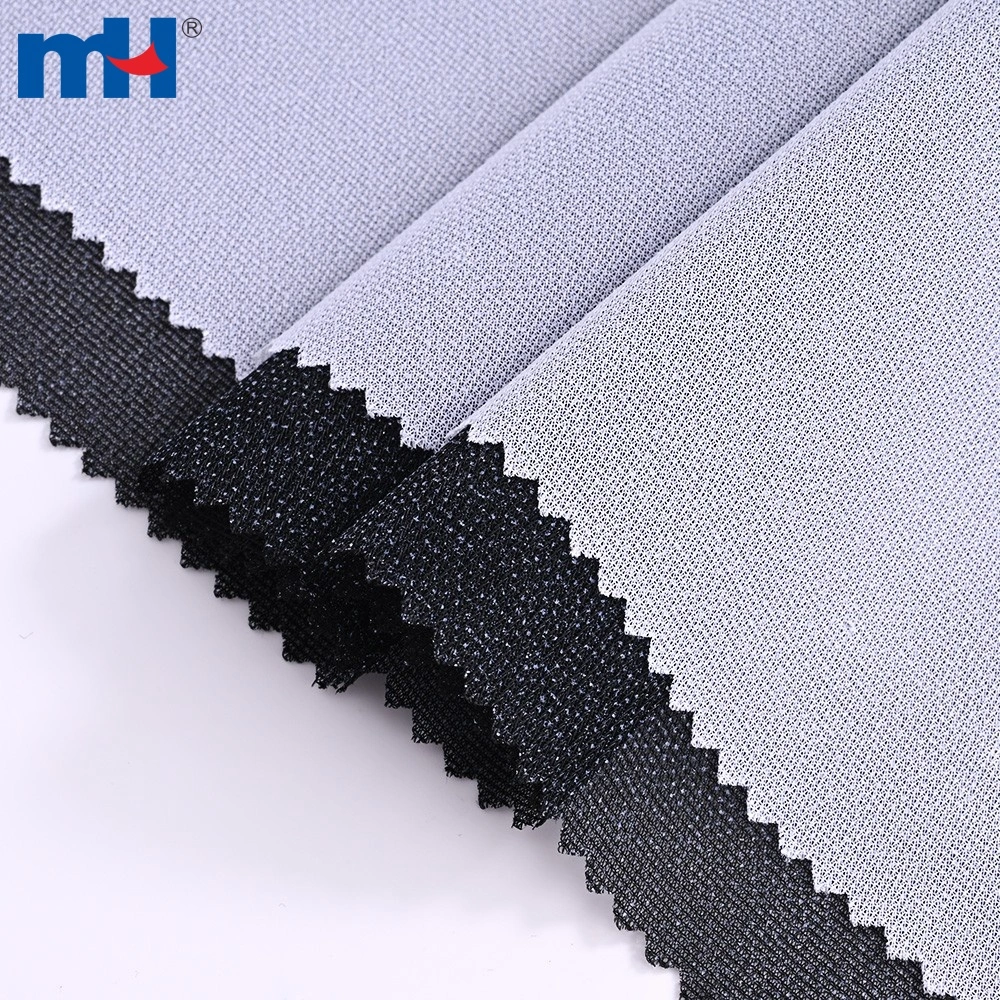
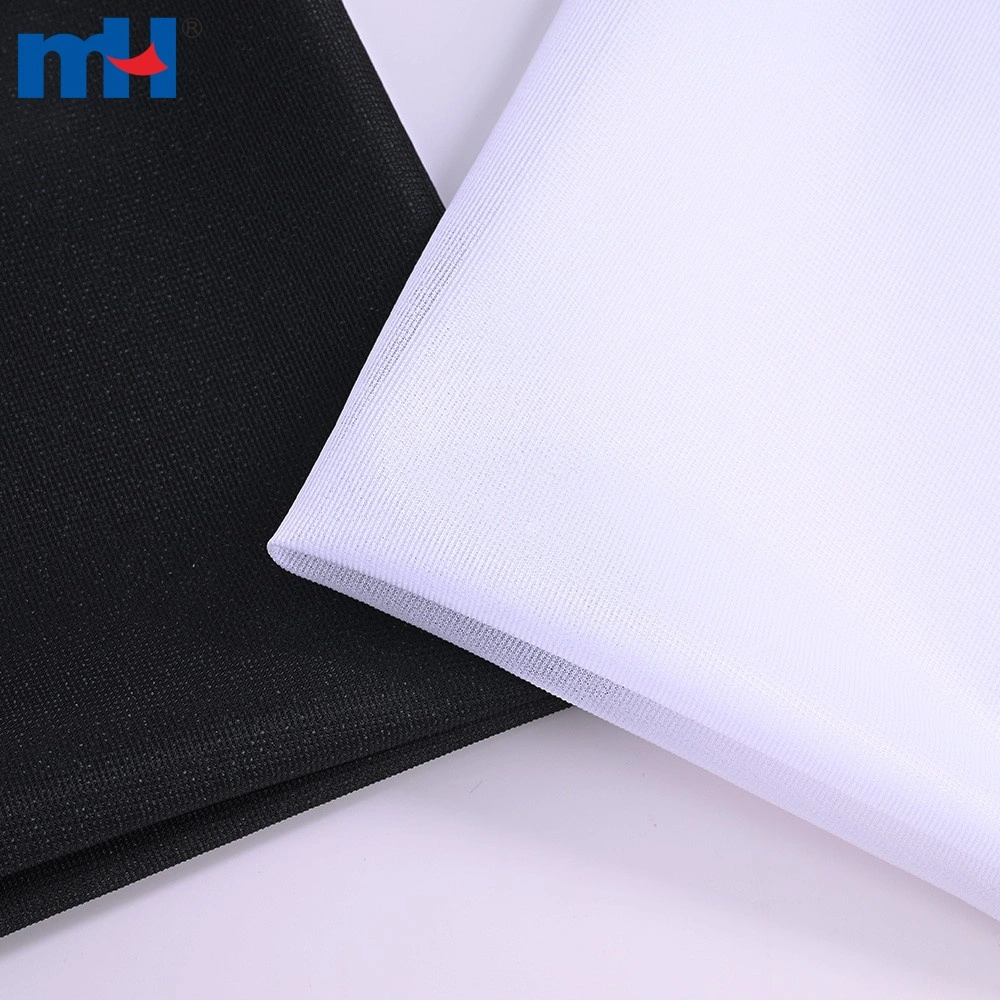
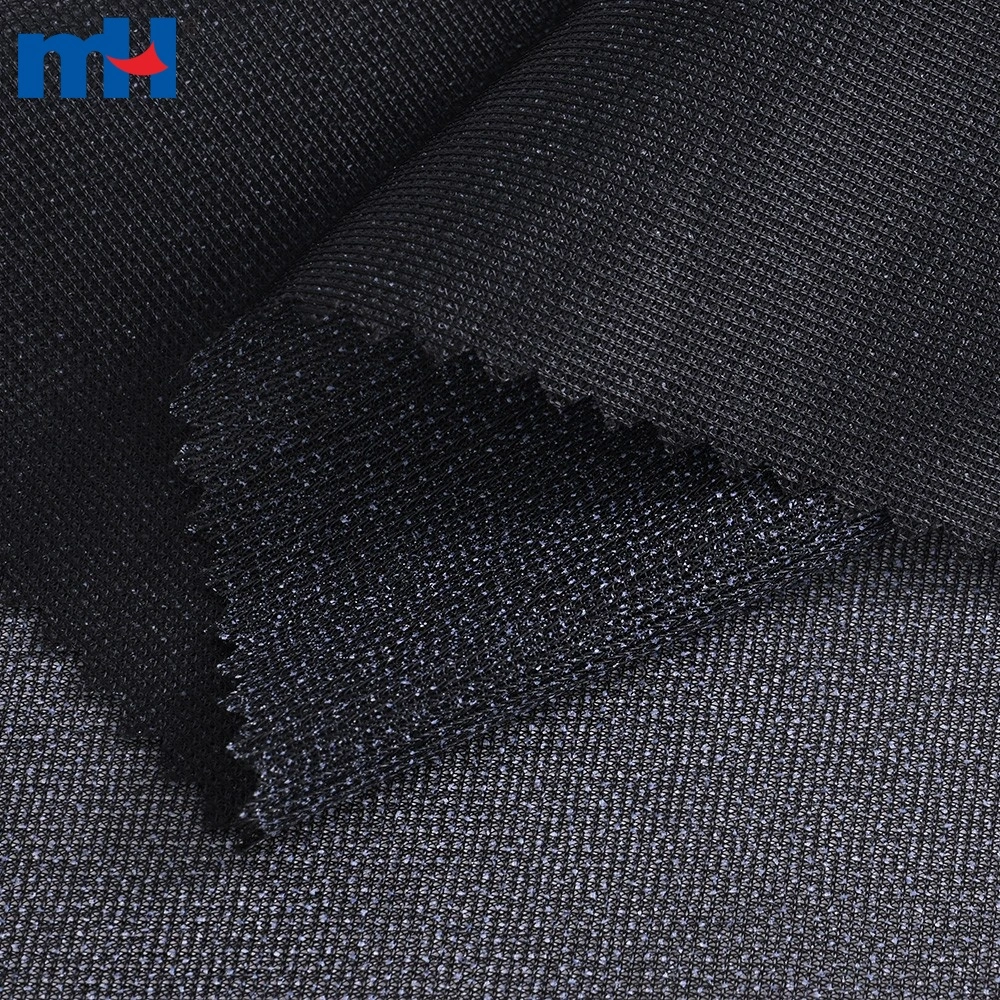
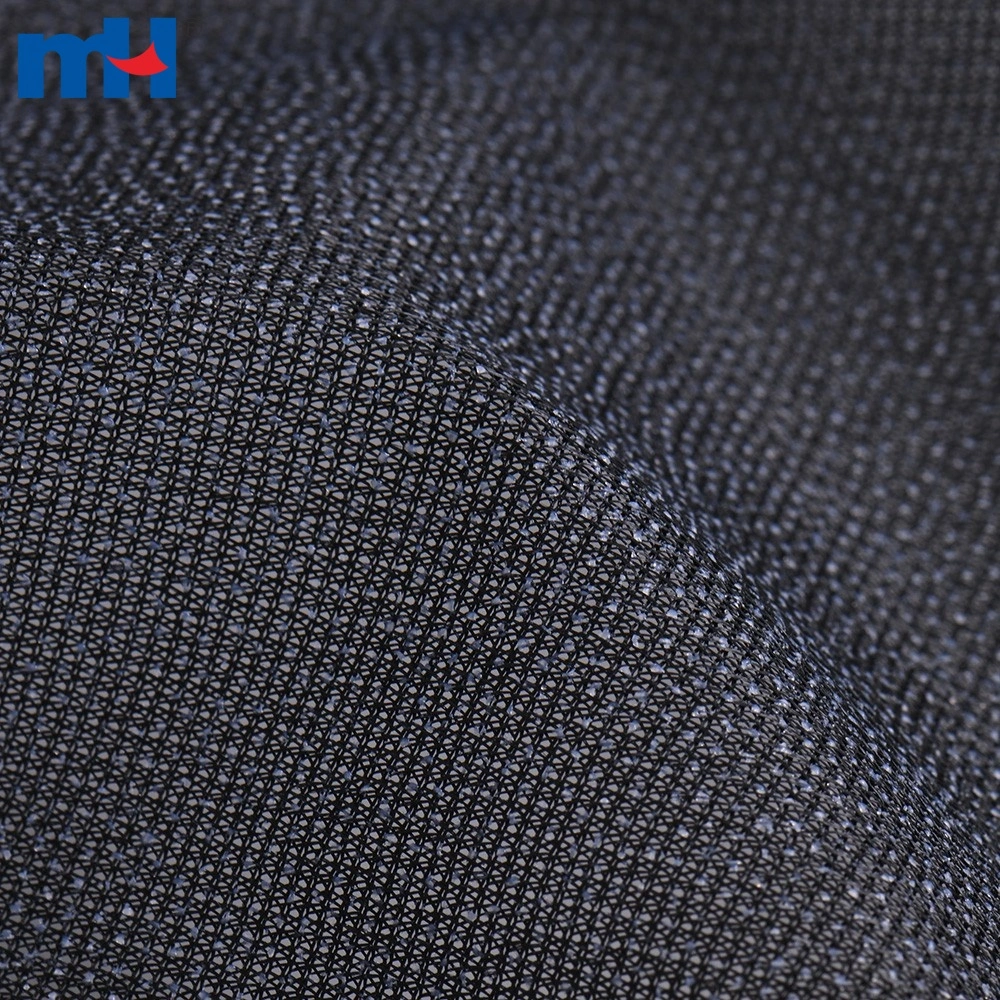
Knitted Polyester Tricot Interlining for Hat Making
Tricot Interlining for Hat


| Material: | PES |
| Width: | 35″–78″ (90 cm–200 cm) |
| Weight: | 60–90 g/m² |
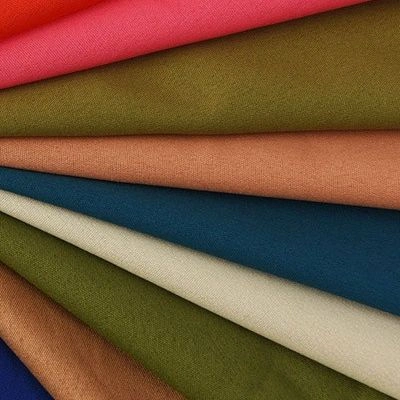
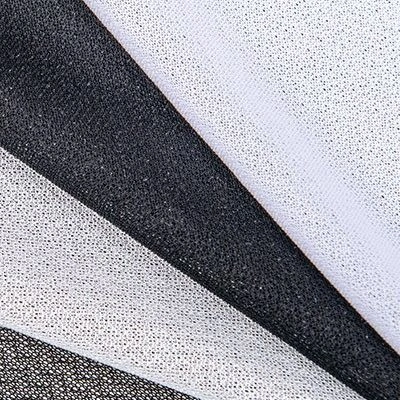
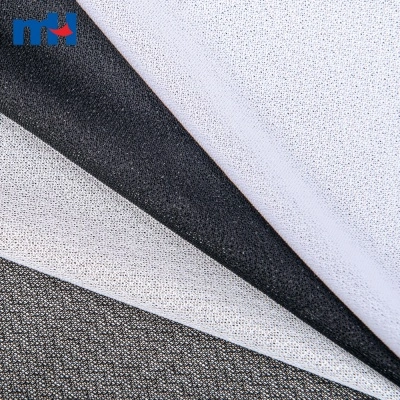
| Color: | Snow white, Off white, Black |
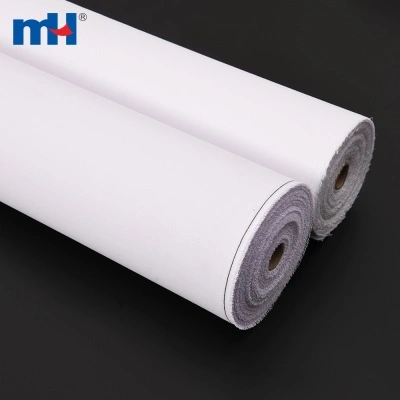
| Packaging: | 50m/roll, 100m/roll |
| MOQ: |
|
| Certification: | OEKO-TEX® CERTIFIED   |
◆ Lead Time: 25-35 days
◆ Shipping: Sea freight, Railway freight
◆ Payment: T/T, L/C ...
Product Details
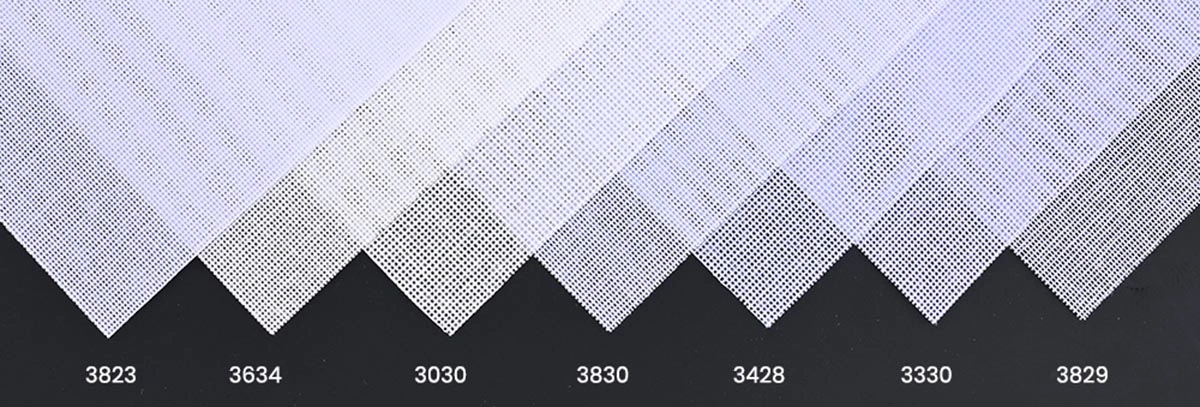
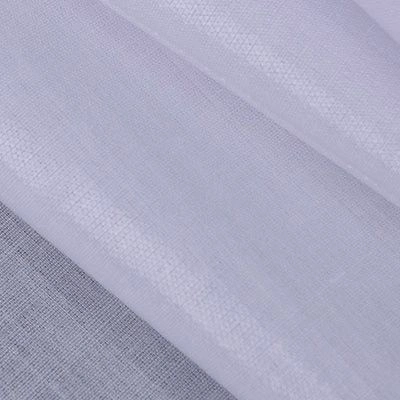
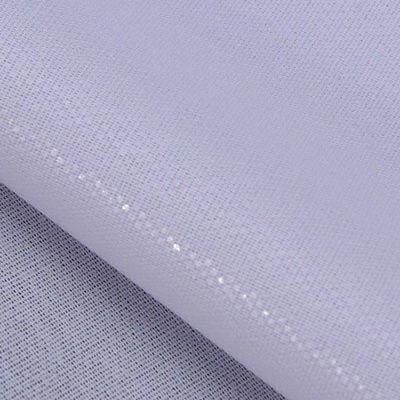
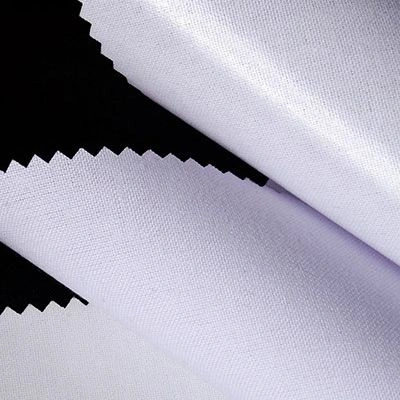
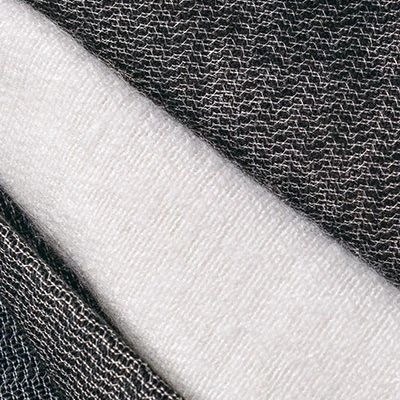
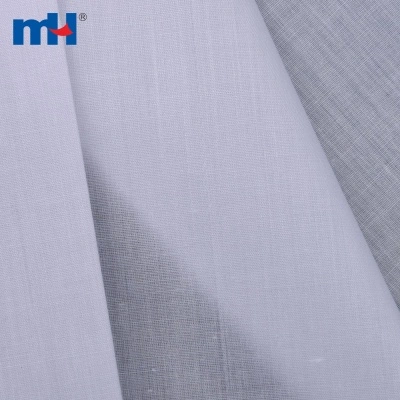
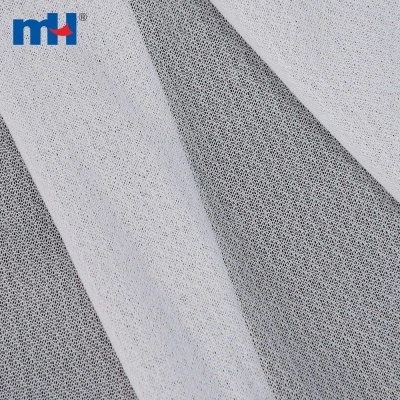
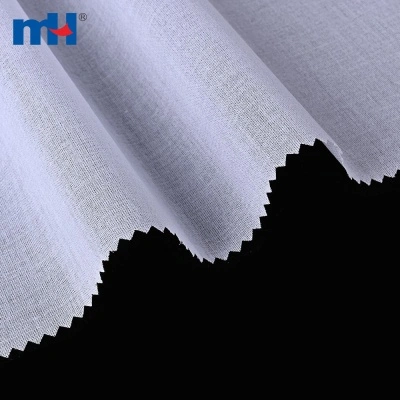
MH tricot hat interlining is a knitted polyester tricot fabric that reinforces headwear panels and helps a cap or brim hold its shape while staying breathable next to the head.
The warp-knit structure gives the interlining a stable yet slightly flexible body, so it supports the crown without making the finished hat feel stiff.
Because tricot resists abrasion and lets air pass through, it suits sports caps, structured hats and other headwear where both durability and comfort matter; the same knit is also used behind sportswear and footwear panels.
| Composition | PES |
| Width | 35″–78″ (90 cm–200 cm) |
| Weight | 60–90 g/m² |
| Color | Snow white, Off white, Black |
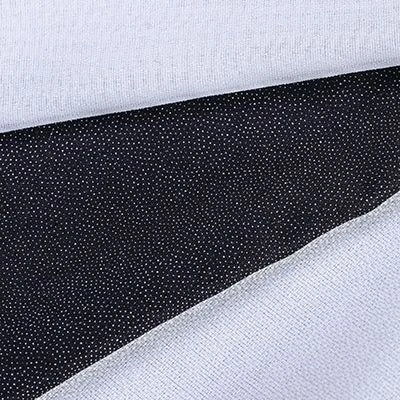
| Technology | Powder dot |
| Point | 21 |
Characteristics:
Tricot has characteristics such as wear resistance and breathability, making it widely used in sports clothing, sports hats and sports shoes. lt increases the friction of sports fabrics, improves sports performance, maintains the shape of clothing and shoes, and increases comfort.
Recommended Fusing Conditions
| Temperature | Glue‑line Temperature | Pressure | Time | |
| Continuous Fusing | 130–150 ℃ | 121–143 ℃ | 2–4 kg/cm² | 12–15 s |
| Flat Press Fusing | 130–150 ℃ | 121–143 ℃ | 2–4 kg/cm² | 12–15 s |
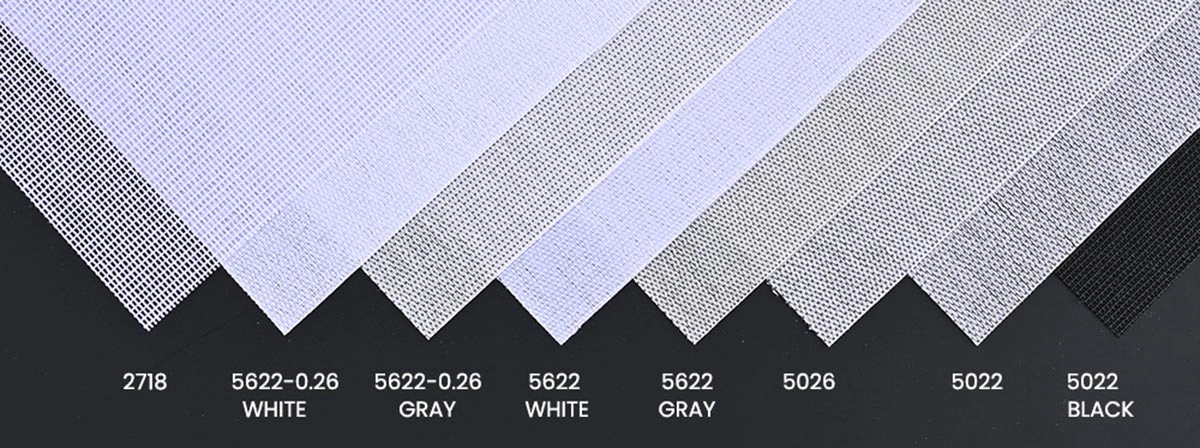
Sample Card