
How Can Anti Static Sewing Thread Improve Safety and Static Control in Professional Work Environments?
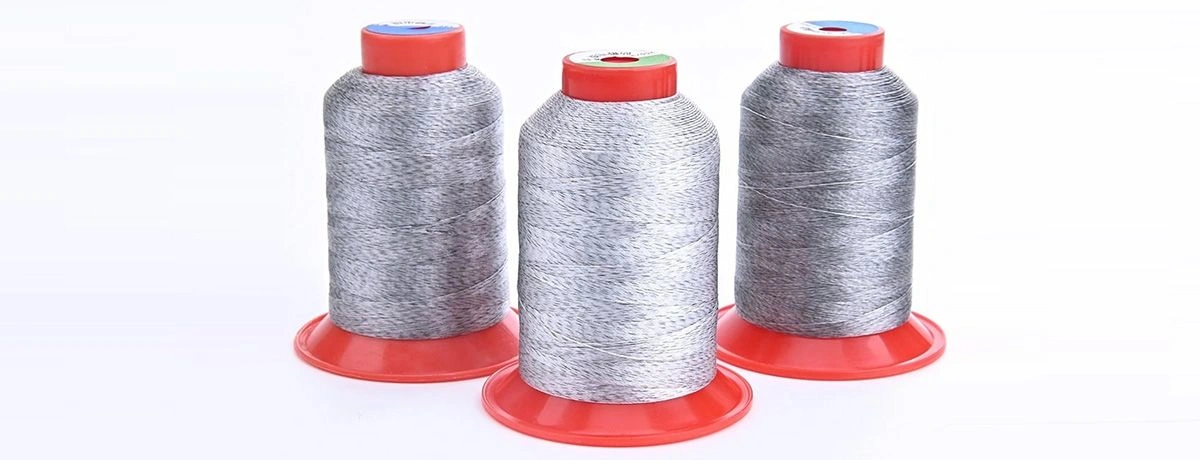
In electronics manufacturing and many factory environments, static electricity is not just uncomfortable—it can damage electronic components, attract dust, and create production risks. Static electricity is a serious problem in these settings, as electrostatic charge and sparking can cause malfunctions or even fires, especially in industries like PPE manufacturing. Most people focus on anti-static fabrics, but the seam is part of the system too. If the fabric is antistatic and the seam is not, the garment may lose consistency in real use.
That’s why anti static sewing thread matters. It helps prevent excessive electrostatic charge buildup around seams and supports the overall anti static properties of ESD workwear.
What Is Anti Static Sewing Thread?
Anti static sewing thread is a functional sewing thread designed to reduce static buildup and support more stable charge control around stitched areas. In this context, 'anti static' means the thread is engineered to meet specific standards for electrostatic discharge (ESD) protection, minimizing the risk of static electricity that can damage sensitive electronics or cause discomfort. Depending on construction, it may include or be blended with conductive material to improve conductivity, often using special fiber blends (some designs incorporate carbon-based elements).
It is different from standard polyester thread in purpose. A regular polyester thread focuses mainly on strength, appearance, and sewing efficiency. Anti static thread keeps those basics but adds performance related to anti static properties—especially after friction and repeated washing.
Why It Matters for ESD Protective Clothing & Workshop Uniforms
1) Electronics Protective Clothing (ESD Garments)
ESD garments are worn to protect sensitive electronic components from sudden discharge. Seams are high-friction, high-movement zones, so they’re common points where charge can build up. Using anti static sewing thread helps the garment maintain more consistent behavior across the whole body, not just in flat fabric areas.
Common sewing areas that benefit:
-
side seams, shoulders, sleeves
-
cuffs, collars, hems
-
zipper edges, pocket openings
-
binding and reinforcement stitches
2) Industrial Workshop Uniforms (Industry Workwear)
In dry environments and high-movement work conditions, static electricity can become a daily issue. Anti static sewing thread is suitable for workshop uniforms where you need:
-
stable seam performance over time
-
strong seam durability and abrasion resistance
-
consistent sewing quality on production lines
In some industry settings that handle powders or flammable liquids, controlling electrostatic risk is even more important. In these cases, garments are usually part of a broader safety system—thread selection is one helpful item within that combination, not the only solution.
Materials & Construction: What Buyers Should Know
Anti static thread performance depends on the material and design. Typical approaches include:
-
blending with conductive material
-
using functional fiber combinations (including options with carbon)
-
special finishing or yarn engineering (some threads are described as treated)
You may also see different yarns and constructions optimized for different sewing methods (lockstitch, overlock, coverstitch). The best choice depends on your fabric type, garment structure, and usage conditions.
How to Choose the Right Thread (Quality Checklist)
When evaluating anti static sewing thread for protective clothing, focus on these factors:
-
Material composition: Ensure the thread contains conductive fibers (such as carbon or stainless steel) blended with polyester or cotton for effective static dissipation.
-
Thread strength: Choose a thread with high tensile strength to withstand repeated wear and washing.
-
Certification: Look for threads that meet industry standards and certifications for anti static performance and safety.
-
Color fastness: Select threads with good color retention, especially for garments that require frequent laundering.
-
Compatibility: Confirm the thread is suitable for your fabric type and intended garment use.
If you have any questions about selecting the right anti static sewing thread for your application, please contact us for expert advice.
1) Anti Static Properties After Washing
Ask how the anti static properties behave after repeated laundering and friction. The goal is stable performance, not a short-term effect.
2) Conductivity / Discharge Behavior
A good system should help charges spread and discharge more safely rather than concentrate. Share your application so the supplier can recommend the right conductivity level.
3) Strength & Seam Durability
You want a strong seam that holds up in industrial wear. Match thread size to fabric weight and seam type to avoid breaks or seam damage.
4) Sewing Performance on High-Speed Lines
Production teams care about stable tension, low lint, fewer breaks, and consistent stitch formation. Good sewing performance protects efficiency and overall quality.
5) Fabric Compatibility
Different fabrics (and different garment weights) need different thread sizes and needle recommendations. Provide fabric GSM and structure so your supplier can ensure a proper match.
Application Tips: Where to Use It
For Electronics ESD Garments
Use anti static sewing thread on main structural seams and high-friction zones to maintain consistent performance across the garment.
For Industrial Workshop Uniforms
Prioritize seams exposed to abrasion and movement—inner legs, underarms, cuffs, waist areas—where static and wear are both higher.
Optional: Footwear & Accessories
Some buyers also ask about antistatic footwear and related products. While thread is mainly for garments, the same idea applies: control static across the full system (garment + accessories + environment).
Sourcing for B2B: Price, Seller, Offer, Customized Options
When comparing a seller or planning a purchase, buyers usually care about:
-
stable quality and batch consistency
-
the right packaging and flexible order options, such as avoiding minimum order quantities or set lengths, to reduce waste and costs for factories
-
clear communication on performance and testing
-
reasonable price for long-term supply
To get an accurate offer, send these details:
-
fabric type and GSM (fabrics)
-
garment type and sewing method (sewing)
-
expected wash frequency and environment
-
color requirements
-
estimated annual consumption
-
whether you need customized packaging, labeling, or thread sizes
This helps ensure the thread is truly suitable and reduces trial-and-error costs for the customer.
You can easily shop for anti static sewing thread online, browse product options, and add items to your cart for convenient ordering.
Thanks for considering our anti static sewing thread solutions—we are committed to quality and your satisfaction.
Conclusion
If you want ESD protective wear to work reliably, treat seams as part of the solution. Choosing the right anti static sewing thread helps ensure consistent performance, improves durability, and supports safer control of electrostatic charge—especially in electronics manufacturing and industrial workshops.