
Why Is Antibacterial Sewing Thread Ideal for Underwear, Babywear, and Medical Textiles?
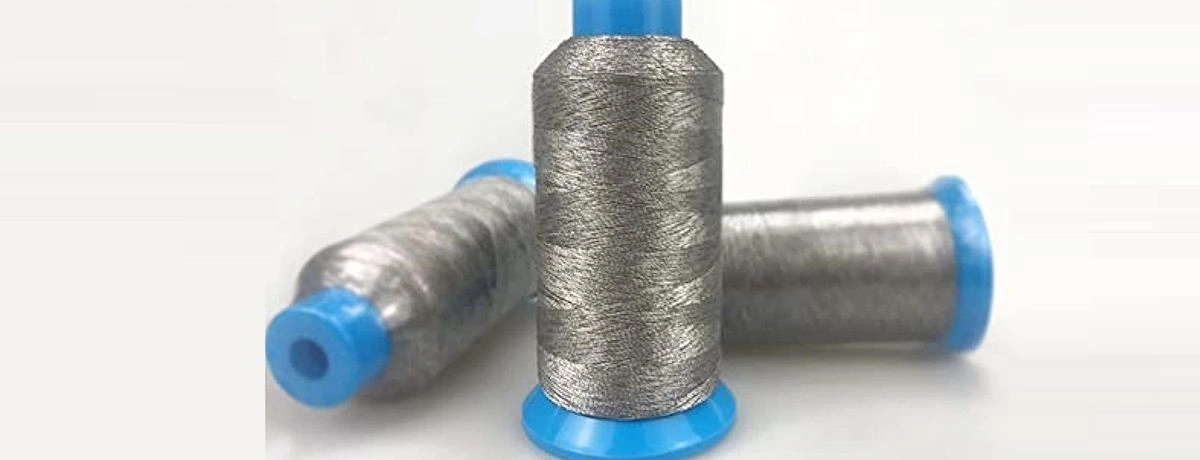
In hygiene-sensitive environments—like underwear production, baby clothing, and medical textiles—the smallest details can influence the final product. Seams can trap moisture, sweat, and residue inside seam crevices, creating conditions where bacteria and other microbes may growth faster and lead to odor or hygiene concerns.
Antibacterial sewing threads provide an added layer of security in medical and protective textile applications, ensuring protection and compliance with safety standards for both apparel and healthcare industries.
That’s why more manufacturers choose antibacterial sewing thread (also called treated sewing threads): functional sewing threads designed to help inhibits bacterial activity on the thread surface, supporting hygiene and anti-odor performance—especially for products close to the skin.
What Is Antibacterial Sewing Thread (Treated Sewing Threads)?
Antibacterial sewing thread is a type of treated sewing threads with an antibacterial treatment developed to help reduce bacterial buildup on the thread. Because odor is often linked to bacteria breaking down sweat and body oils, antibacterial threads can be an effective way to reduce odor risk in high-contact areas.
Key idea: antibacterial thread supports cleanliness at the seam level—where normal threads may be exposed to moisture and friction repeatedly.
Why Seams Matter: Stains, Bacteria, and Seam Crevices
Even when the fabric looks clean, seams can behave differently:
-
Seam crevices can hold moisture and residue.
-
Some stain or body-fluid residue may become a “food source,” contributing to stain causing bacteria and odor over time.
-
In close-to-skin garments, seam areas get more friction and warmth—conditions bacteria often prefer.
Using antibacterial thread is a practical upgrade for seam hygiene, especially where frequent washing is expected.
Key Benefits (Hygiene + Performance)
Choosing antibacterial sewing thread can offer real manufacturing and branding benefits:
-
Anti-odor support: helps reduce odor-causing bacterial buildup
-
Better seam hygiene for sensitive textiles
-
More suitable for close-to-skin products (underwear / babywear)
-
Helps maintain premium positioning in the market (a stronger story for the seller)
-
Reliable stitching performance when matched correctly for strength and seam type
-
Options can be long lasting, depending on the antibacterial treatment and wash conditions
Best Applications for Antibacterial Sewing Threads
1) Underwear & Intimates (Close-to-Skin, High Odor Risk)
Underwear is one of the most ideal applications for antibacterial thread because it faces sweat, warmth, and friction daily.
Typical use points:
-
Gusset seams
-
Elastic attachment seams
-
Overlock/coverstitch areas
-
Side seams and bindings
2) Baby Clothing (Sensitive Skin + Frequent Washing)
Babywear needs comfort and reliable hygiene.
-
Antibacterial thread is suitable for bodysuits, pajamas, base layers, and other baby garments
-
Focus on soft seam feel, stable quality, and wash durability
3) Medical Textiles (Hygiene-Oriented Use Environments)
In medical-related environments, textiles are washed frequently and used repeatedly.
-
Uniforms, patient garments, bedding textiles, and more
-
The goal is stronger seam cleanliness support—not “medical claims”
How to Choose the Right Antibacterial Sewing Thread (Buyer Checklist)
To get consistent results in the final product, selection should consider:
1) Thread Material & Thread Size
Choose based on fabric type and seam construction. Different threads behave differently in stretch, abrasion resistance, and seam appearance.
2) Sewing Performance + Durability
Ask about:
-
Seam strength and abrasion resistance
-
High-speed machine stability
-
Durability after repeated washing
3) Antibacterial Treatment & Testing
A serious supplier should be ready to share:
-
Treatment method basics (without vague claims)
-
Testing approach and batch consistency
-
Recommended care conditions to keep performance stable
4) Safety & Quality Control
For underwear, babywear, and medical textiles, buyers often require:
-
Clear safety documentation aligned with your market needs
-
Stable quality control and traceability
Ordering & Supply Notes (For Bulk Buyers)
If you want to browse options, request a spec sheet or sample pack through our website. Buyers can also reach out via email for questions, support, or to discuss order details.


FAQ
Does antibacterial thread guarantee no odor?
It helps inhibit bacterial buildup, which can reduce odor risk, but odor also depends on fabric, sweat level, washing habits, and use environments.
Is it suitable for elastic underwear fabrics?
Yes—choose the right thread size and seam type; we recommend trial sewing on your actual fabric.
Is the antibacterial effect long lasting?
It depends on the treatment, washing temperature, detergent, and number of wash cycles. Ask for durability data.
Conclusion: A Small Upgrade That Improves Hygiene Where It Counts
For close-to-skin garments and hygiene-sensitive textiles, seams matter. Antibacterial sewing thread (treated sewing threads) is an effective way to support hygiene, reduce odor risk, and improve the final product—especially in underwear, babywear, and medical textiles.
