
Bridal Satin Fabric: Premium Quality for Wedding Dress Manufacturers
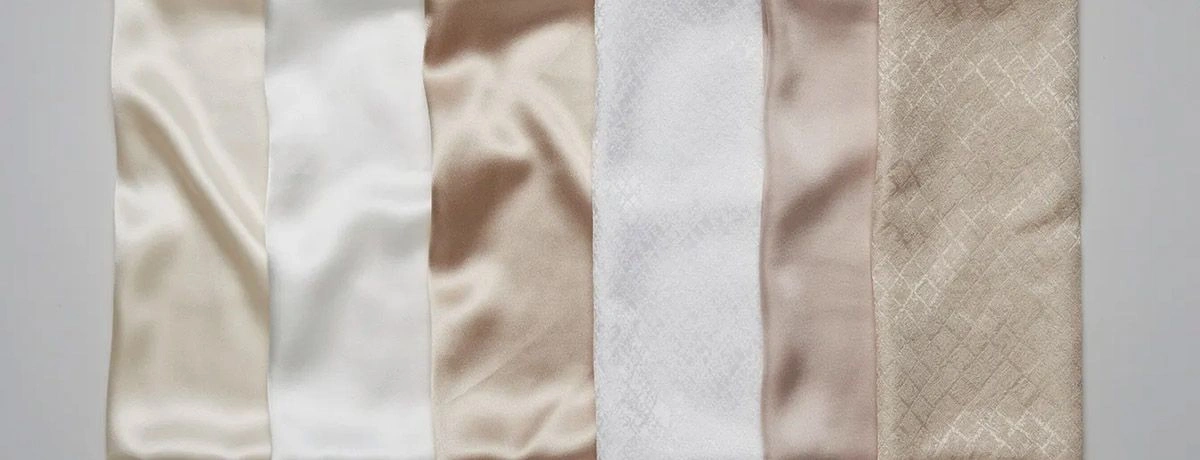
In the competitive wedding dress manufacturing industry, fabric choice determines both garment quality and production success. Among luxury materials, bridal satin fabric stands as the gold standard for creating elegant, structured gowns that photograph beautifully and maintain their shape throughout extended wear. As a global B2B textile manufacturer, MH understands the critical importance of providing premium satin fabric that meets the demanding requirements of wedding dress manufacturers, fashion houses, and apparel factories worldwide.
The difference between standard satin and bridal satin extends far beyond surface appearance. This specialized fabric offers superior structural integrity, refined sheen, and enhanced durability that justify its position as the preferred choice for luxury bridal wear production. For manufacturers seeking reliable wholesale prices and consistent quality across high-volume orders, understanding the technical specifications and applications of bridal satin becomes essential for business success.
What is Bridal Satin Fabric
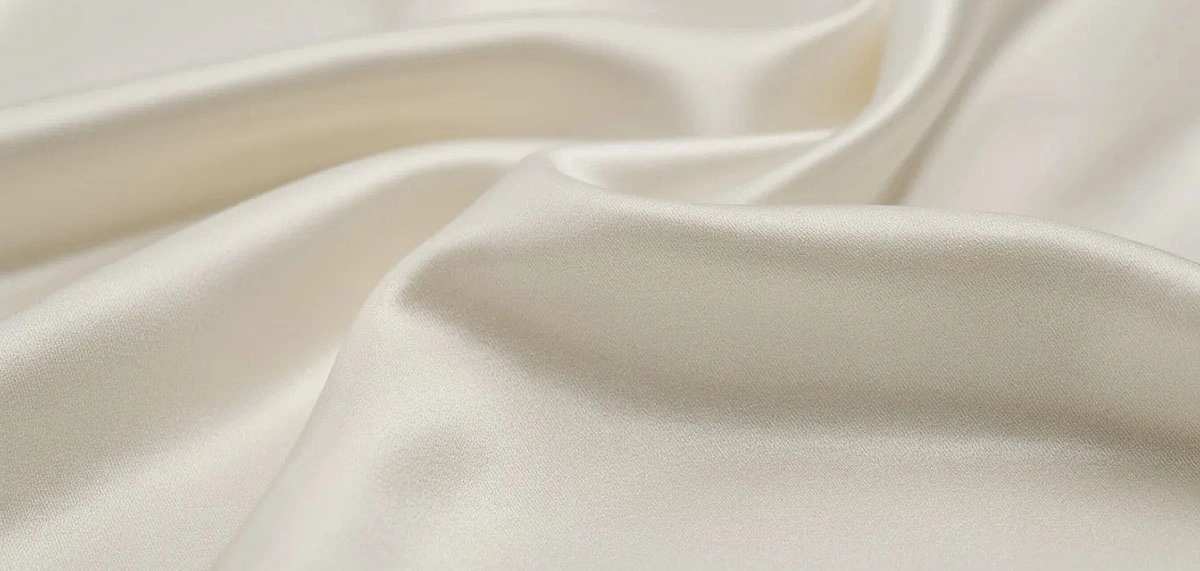
Bridal satin represents a premium heavyweight satin fabric characterized by its smooth, lustrous surface and elegant drape characteristics. Unlike regular satin that may appear overly shiny or lack structural support, bridal satin achieves a refined, sophisticated sheen that photographs exceptionally well under various lighting conditions. This nice fabric maintains its beautiful appearance throughout extended wear periods, making it ideal for all-day wedding events.
The fabric is manufactured using advanced satin weave construction, typically employing 100 polyester fibers for optimal durability and cost-effectiveness in commercial production. The weave structure creates the signature glossy face while maintaining a matte reverse side, providing versatility for garment construction. This dual-sided characteristic allows designers to utilize either surface depending on the desired aesthetic effect.
Standard bridal satin fabric specifications include a width of 58-60 inches, accommodating most wedding dress patterns efficiently. The fabric weight ranges from 120-180 GSM (grams per square meter) depending on specific application requirements, with thicker variants offering enhanced structure for ballgowns and fitted bodices. The smooth texture feels luxurious against skin while providing sufficient body to support intricate design elements like pleating, gathering, and corseted construction.
The lustrous quality of bridal satin results from tight weave density and high thread count, enabling superior light reflection that adds elegance to finished garments. This technical construction also contributes to the fabric’s wrinkle resistance - a crucial performance characteristic for garments requiring pristine appearance from ceremony through reception activities.
Technical Specifications and Manufacturing Details
Understanding the precise technical specifications of bridal satin fabric enables manufacturers to make informed decisions about material selection for specific garment styles. The fiber composition consists of 100% polyester utilizing high-tenacity filament yarns that provide enhanced durability and consistent performance across production runs.
|
Specification |
Standard Range |
Custom Options |
|---|---|---|
|
Fiber Content |
100% Polyester |
Silk blends available |
|
Fabric Weight |
120-180 GSM |
Custom weights to 220 GSM |
|
Width |
58/60 inches (147-152 cm) |
Custom widths for large orders |
|
Thickness |
0.18-0.25 mm |
Varies with weight |
|
Weave Structure |
5-harness or 8-harness satin |
Custom weave patterns |
|
Shrinkage |
±3% maximum |
Pre-shrunk options available |
The fabric weight options serve distinct manufacturing purposes. Lightweight 120 GSM material works excellently for linings, flowing skirts, and draped elements. Medium weight 150 GSM provides versatility for most wedding dress styles, offering adequate structure while maintaining soft drape. Heavy weight 180 GSM delivers maximum support for structured bodices, ballgown skirts, and formal gowns requiring crisp silhouettes.
Weave structure significantly impacts fabric performance. The 5-harness satin weave offers good luster and drape for standard applications, while 8-harness construction provides enhanced smoothness and superior light reflection for luxury collections. The increased float length in 8-harness weaves creates more pronounced sheen while maintaining fabric stability.
Thread count and yarn denier specifications ensure consistent quality across production runs. Standard bridal satin employs 150-200 denier polyester yarns in both warp and weft directions, creating balanced fabric hand and appearance. This consistency enables manufacturers to maintain uniform quality across large production quantities.
Types and Variations of Bridal Satin
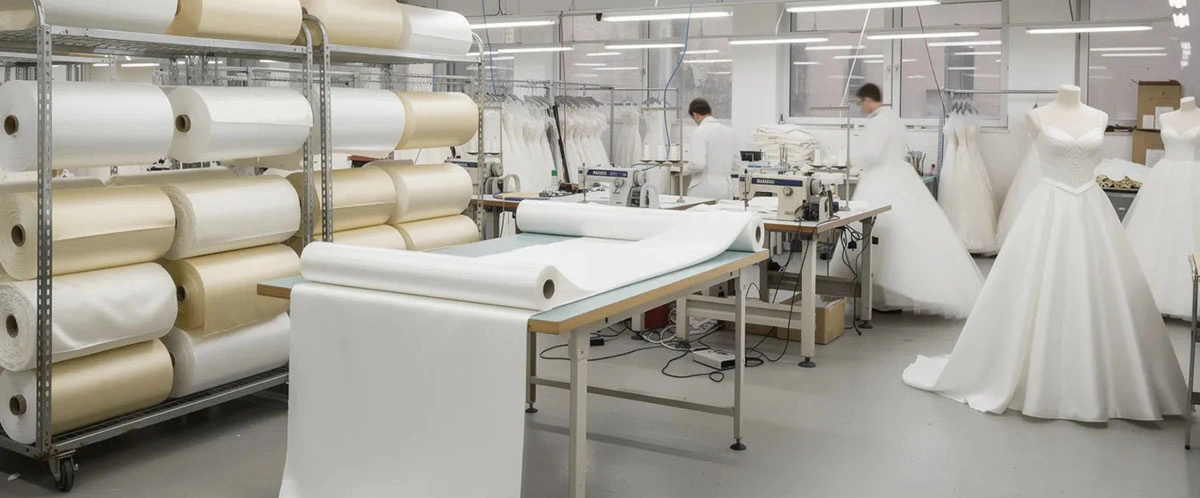
The versatility of satin style options allows manufacturers to select optimal materials for specific garment designs and target market segments. Each variation offers distinct characteristics that influence drape, structure, and visual appeal in finished garments.
Duchess Satin represents the heavyweight option at 180 GSM, featuring a crisp hand feel that holds its shape exceptionally well. This type excels in structured bodice construction and full ballgown skirts where maintaining silhouette integrity becomes paramount. The substantial weight provides excellent support for extensive beadwork, embroidery, and built-in foundation elements. Manufacturers appreciate its ability to create clean lines and maintain pressed edges throughout the garment construction process.
Crepe Back Satin features a unique dual-surface construction with traditional smooth satin on one side and a textured crepe surface on the reverse. This innovative design offers manufacturers versatility in design applications, enabling reversible garments, contrast trim details, and varied textural effects within single pieces. The textured reverse side provides excellent grip for foundation garments and built-in support structures.
Stretch Satin incorporates 5-8% elastane blend with polyester base, delivering comfort and fit advantages for contemporary bridal designs. This variation accommodates body movement while maintaining the elegant appearance of traditional satin. The stretch properties prove particularly valuable for fitted bodices, mermaid silhouettes, and form-fitting designs that require flexibility without compromising structure.
Double-face Satin presents equal luster on both sides, eliminating concerns about fabric orientation during cutting and construction. This premium option works perfectly for reversible garments, scarves, and accessories where both sides remain visible. The consistent appearance simplifies manufacturing processes while offering design flexibility for creative applications.
Mikado Satin delivers silk-like hand and feel while maintaining polyester’s practical advantages. This premium variation features enhanced body and structure, making it popular for luxury bridal collections targeting high-end market segments. The sophisticated drape and substantial weight create garments with exceptional presence and longevity.
Applications in Bridal and Formal Wear Manufacturing
The versatility of bridal satin fabric extends across numerous manufacturing applications, making it an essential material for companies producing wedding-related garments and formal wear. Understanding optimal applications helps manufacturers maximize material utilization while achieving superior finished product quality.
Wedding Dress Construction represents the primary application, encompassing bodices, skirts, sleeves, and complete dress production. The fabric’s structural properties support complex construction techniques including boning, internal corseting, and multi-layer assemblies. Its ability to hold pleats and maintain pressed edges proves invaluable for intricate design elements. The material works exceptionally well for creating volume in ballgown skirts while providing adequate support for extensive embellishment work.
Bridesmaid Dresses and Evening Wear production benefits from bridal satin’s consistent performance and elegant appearance. The fabric photographs beautifully, ensuring wedding party coordination while maintaining individual garment integrity. Its wrinkle resistance proves particularly valuable for destination weddings and extended event schedules. Manufacturers can efficiently produce matching sets while accommodating various body types and style preferences.
Bridal Accessories Manufacturing opens additional revenue streams for fabric suppliers and manufacturers. Applications include sashes, belts, hair accessories, and jewelry pouches. The smooth surface accepts embroidery, beading, and printing exceptionally well. Small accessory production utilizes fabric remnants efficiently, reducing waste while expanding product lines.
Formal Menswear Applications encompass lapel facings, cummerbunds, and bow tie manufacturing. The refined sheen complements formal wear requirements without overwhelming other garment elements. The fabric’s ability to hold sharp creases and maintain pressed appearance throughout extended wear makes it ideal for these structured applications.
Garment Design Compatibility
Bridal satin fabric demonstrates exceptional compatibility across diverse garment silhouettes and construction methods. A-line designs benefit from the material’s ability to create smooth, flowing lines while maintaining adequate body for structured waistlines. The fabric drapes beautifully over crinolines and foundation garments without appearing stiff or unnatural.
Ballgown construction relies heavily on bridal satin’s structural properties. The fabric supports voluminous skirts while creating clean, elegant lines that photograph well under various lighting conditions. Its ability to maintain shape throughout extended wear periods ensures garments retain their intended silhouette from ceremony through reception activities.
Mermaid silhouettes require materials that conform closely to body contours while maintaining smooth surface appearance. Bridal satin’s balanced drape and subtle stretch characteristics (in stretch varieties) accommodate fitted designs without creating unwanted wrinkles or stress points. The fabric’s recovery properties help garments return to original shape after wearing.
The material proves excellent for overlay applications, working harmoniously with lace, beading, and embroidery. Its neutral base provides ideal foundation for embellishment work while contributing structural support. The smooth surface prevents snagging of delicate overlay materials during construction and wear.
Care Instructions and Handling Guidelines
Proper handling and care protocols ensure optimal performance throughout the manufacturing process and garment lifespan. Pre-production preparation significantly impacts final product quality and customer satisfaction.
Pre-production Testing should include fabric relaxation and shrinkage evaluation. Allow fabric to rest flat for 24 hours before cutting to minimize distortion. Conduct shrinkage tests on sample pieces using intended care methods to determine dimensional stability. This testing prevents unexpected shrinkage issues in finished garments and ensures accurate pattern sizing.
Cutting Considerations require specific techniques to maintain fabric integrity. Use sharp rotary cutters or industrial cutting equipment to prevent thread disturbance and edge fraying. Lay fabric flat on cutting tables without tension to prevent stretching during pattern placement. When working with continuous yards, ensure consistent grain alignment throughout cutting processes. Mark fabric edges clearly to maintain proper orientation during assembly.
Construction Guidelines emphasize temperature control and proper pressing techniques. Set pressing equipment to 280-300°F (140-150°C) using press cloth protection to prevent shine or surface damage. Use steam sparingly to avoid water spotting on finished surfaces. French seams or professionally serged edges provide optimal finish quality for luxury garments.
Quality Control During Manufacturing includes monitoring thread tension, stitch quality, and seam appearance. The fabric responds well to standard industrial sewing equipment when properly adjusted for material weight. Recommend ordering small quantities for initial testing before committing to large production runs.
End-Customer Care Instructions should emphasize dry cleaning for optimal results, though machine wash options exist for specific fabric treatments. When wash instructions apply, recommend cold water settings with gentle agitation. Iron at low temperatures with protective pressing cloth to maintain surface appearance. Professional pressing services provide optimal results for maintaining garment appearance long-term.
Storage considerations include hanging garments properly to prevent creasing and protecting from direct sunlight that may cause color fading over time. Proper care extends garment lifespan significantly while maintaining original appearance and performance characteristics.
Wholesale Supply and Bulk Manufacturing Capabilities
Understanding wholesale supply parameters and bulk manufacturing capabilities enables efficient production planning and cost optimization for large-scale operations. MH’s global supply chain infrastructure supports diverse manufacturing requirements across international markets.
Minimum Order Quantities vary based on fabric specifications and customization requirements. Standard stock colors require 500 meters minimum per color, ensuring cost-effective production while accommodating smaller manufacturers. Custom color development requires 1000 meters minimum to justify dyeing setup costs and maintain quality consistency. These quantities balance manufacturing efficiency with accessibility for growing businesses.
Standard Roll Configuration optimizes shipping and handling efficiency. Rolls typically measure 50-100 meters in length, facilitating manageable handling during warehouse operations and production cutting. This configuration minimizes fabric waste while providing sufficient yardage for most garment production runs. Custom roll lengths accommodate specific manufacturing requirements for large-volume orders.
Lead Time Management reflects current market conditions and production capacity. Stock colors ship within 15-20 days from order confirmation, supporting just-in-time manufacturing schedules. Custom dyeing extends lead times to 25-35 days, including color development and approval processes. Rush order capabilities exist for qualified customers with premium pricing adjustments.
Color Development Services provide comprehensive support for brand-specific requirements. Pantone matching services ensure precise color reproduction across production runs. Lab dip development allows physical color approval before bulk production commitment. Strike-off approvals confirm color accuracy on actual fabric substrates, preventing costly production errors.
Packaging and Shipping Options accommodate diverse customer preferences and logistics requirements. Tube rolling provides wrinkle-free delivery for immediate production use. Folded bales optimize shipping costs for price-sensitive orders. Flat pack options suit specific handling equipment or storage constraints. International shipping coordination includes documentation support and customs clearance assistance.
Partnering with MH for Your Bridal Fabric Needs
MH’s global textile manufacturing expertise and comprehensive B2B support services position us as the ideal partner for wedding dress manufacturers, fashion houses, and apparel companies seeking reliable bridal satin fabric supply. Our integrated approach combines technical excellence with business flexibility to support customer success across diverse market segments.
Global Manufacturing Infrastructure enables consistent supply regardless of order size or delivery location. Our production facilities in China utilize advanced weaving technology and quality control systems to maintain fabric standards across all production runs. Worldwide shipping capabilities ensure timely delivery to customers in the USA and international markets, supporting global supply chain requirements.
Technical Support Services extend beyond basic fabric supply to include comprehensive manufacturing consultation. Our team provides fabric development assistance, helping customers optimize material selection for specific garment styles and target markets. Pattern grading assistance ensures efficient material utilization while maintaining design integrity. Production consulting services address manufacturing challenges and optimize workflow efficiency.
Flexible Business Solutions accommodate diverse operational requirements and growth patterns. Seasonal collections support customers with predictable demand cycles. Rush order capabilities assist with unexpected opportunities or urgent customer requirements. Just-in-time delivery options reduce inventory carrying costs while ensuring material availability when needed.
Financial Partnership Options provide payment flexibility for established and growing businesses. Letter of credit arrangements support international transactions with secure payment protection. Traditional T/T terms accommodate customers preferring direct payment methods. Trade credit options for qualified wholesale customers enable improved cash flow management during peak production periods.
Dedicated Customer Service ensures responsive communication and proactive problem resolution. Account managers assigned to wedding dress manufacturers and fashion brands understand specific industry requirements and challenges. Regular contact maintains awareness of changing needs and market conditions. Technical support teams provide rapid response to production questions or material performance issues.
Our commitment to long-term partnerships drives continuous improvement in products and services. Customer feedback integration enables product development that addresses evolving market needs. Investment in technology and process improvements ensures our customers maintain competitive advantages in their markets.


Conclusion
Bridal satin fabric represents a critical material choice for manufacturers seeking to produce premium wedding dresses and formal wear that meet demanding quality and performance standards. The technical specifications, diverse variations, and proven applications outlined demonstrate why this sophisticated material continues dominating luxury bridal markets worldwide.
For fashion manufacturers, apparel factories, and wholesale customers, selecting the right supplier becomes equally important as choosing optimal fabric specifications. MH’s comprehensive B2B capabilities, from technical support through flexible financing options, provide the foundation for successful long-term partnerships in this competitive industry.
The combination of superior product quality, reliable supply chain performance, and responsive customer service creates value beyond simple material transactions. Our understanding of manufacturing requirements and market dynamics enables customers to focus on design innovation and business growth while relying on consistent, high-quality fabric supply.
Ready to explore how premium bridal satin fabric can enhance your product offerings and manufacturing capabilities? Contact our B2B sales team to discuss your specific requirements, request samples, and discover the advantages of partnering with a globally recognized textile manufacturer committed to your success.
