
Cotton Thread for Embroidery: Complete Guide for Professional Applications
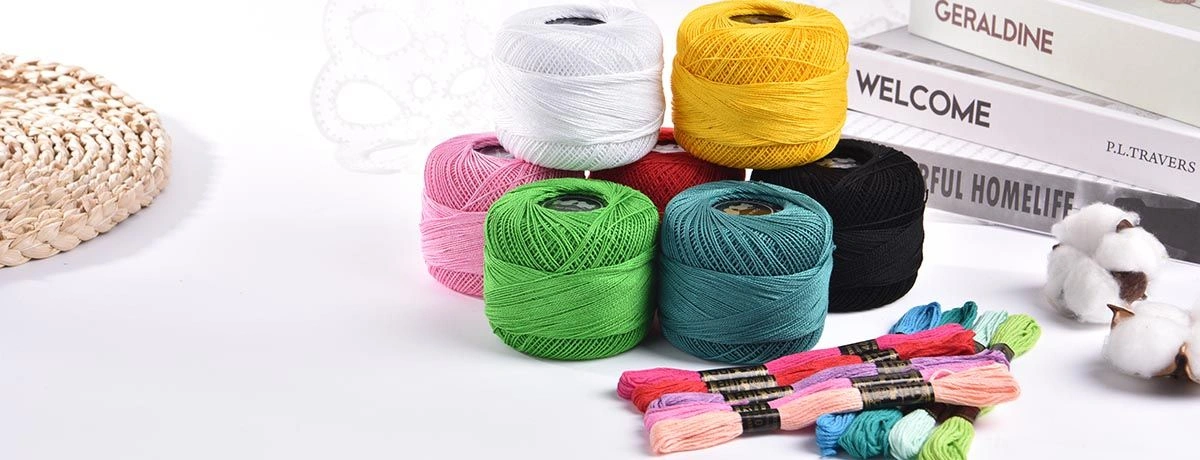
When it comes to professional embroidery applications, cotton thread for embroidery stands as one of the most versatile and reliable materials in the industry. While synthetic alternatives have gained popularity for their sheen and elasticity, cotton embroidery thread continues to be the preferred choice for manufacturers seeking natural fiber properties, superior comfort, and exceptional dyeability. From delicate cross stitch patterns to bold tapestry wool applications, cotton thread delivers consistent performance across diverse embroidery techniques.
Cotton thread for embroidery is an affordable option, offering high quality and a wide range of colours, making it worth the money for both beginners and professionals.
What is Cotton Embroidery Thread
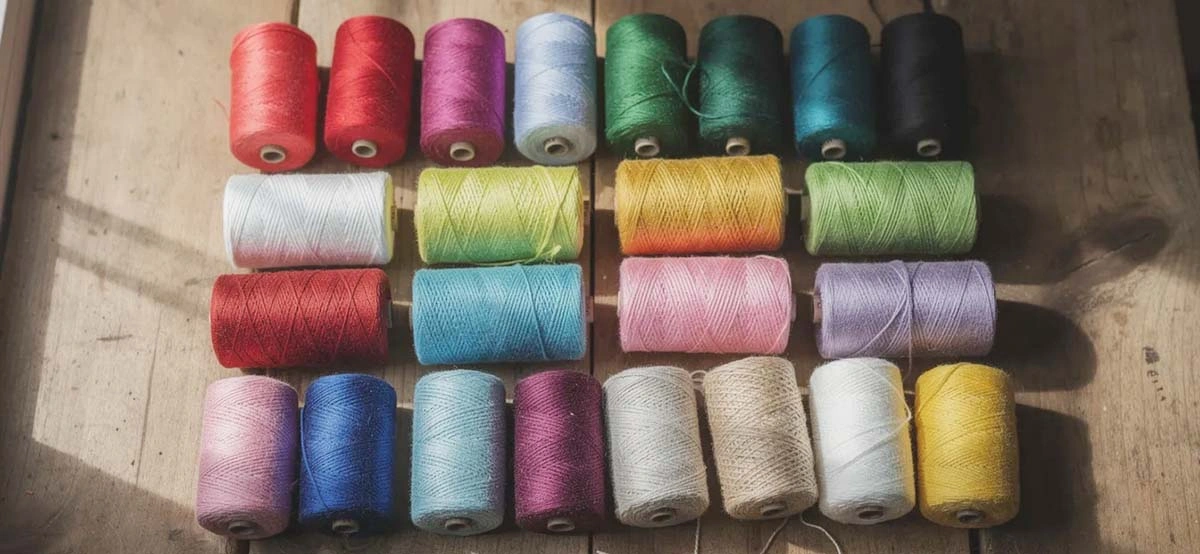
Cotton embroidery thread is a specialized natural fiber thread crafted from 100% cotton fibers and engineered specifically for decorative stitching applications. Unlike general-purpose sewing threads, embroidery thread is designed with specific twist levels, ply construction, and surface treatments that optimize performance for both hand embroidery and machine embroidery operations.
The fundamental difference between cotton thread and synthetic alternatives lies in fiber structure and resulting performance characteristics. While polyester and rayon threads offer high luster and elasticity, cotton provides natural breathability, superior moisture absorption, and a distinctive matte appearance that many designers prefer for sophisticated applications. Each kind of cotton embroidery thread offers a unique textured appearance and comes in different weights, allowing you to choose the best option for various embroidery techniques.
Key Differences Between Thread Types
Cotton embroidery thread distinguishes itself from other embroidery materials through several critical factors:
Fiber Origin: Cotton is a natural cellulose fiber harvested from cotton plants, making it biodegradable and environmentally sustainable. This contrasts with synthetic polyester (petroleum-based) and rayon (chemically processed cellulose).
Appearance: Cotton maintains a natural matte finish that provides subtle elegance, while polyester and rayon typically exhibit high sheen. This matte quality makes cotton particularly suitable for minimalist designs and professional applications where understated sophistication is preferred.
Performance Under Heat: Cotton thread can withstand high ironing temperatures without melting, unlike some synthetic alternatives. This heat resistance makes it ideal for garments requiring frequent pressing or steam finishing.
Comfort Factor: The natural soft texture of cotton thread becomes even softer with repeated washing, making it the preferred choice for children’s clothing, nightwear, and garments worn against sensitive skin.
Cotton’s historical significance in embroidery dates back centuries, with artisans across cultures recognizing its versatility for everything from delicate whitework to robust canvas applications. Despite technological advances in synthetic fiber production, cotton remains the gold standard for applications where natural fiber properties, comfort, and traditional aesthetics are paramount.
Properties and Characteristics of Cotton Embroidery Thread
Understanding the inherent properties of cotton embroidery thread is essential for manufacturers selecting materials for specific applications. Cotton’s natural fiber structure provides unique characteristics that directly impact embroidery performance, end-product quality, and customer satisfaction. Quality cotton thread becomes progressively softer with each wash, and it feels nice to the touch while maintaining its quality even after being washed multiple times.
Natural Fiber Properties
Cotton’s cellular structure creates natural breathability that prevents static buildup during high-speed machine operations. This property reduces thread tangling and minimizes production downtime—critical factors for commercial embroidery factories operating on tight schedules. The fiber’s natural moisture absorption capacity also contributes to superior dye penetration, resulting in vibrant colors that maintain intensity through repeated wash cycles.
The inherent softness of cotton fiber makes it comfortable against skin, particularly important for garments worn by children or individuals with sensitive skin. Unlike synthetic threads that can feel harsh or scratchy, quality cotton thread becomes progressively softer with each wash, enhancing garment comfort over time.
Distinctive Matte Finish
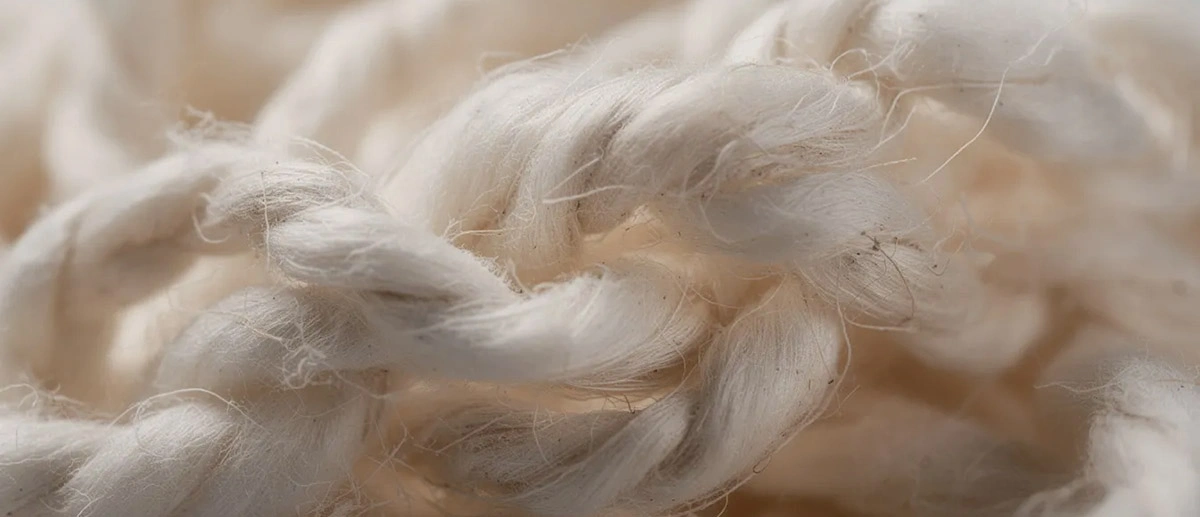
Cotton embroidery thread’s matte appearance provides a sophisticated, understated look that contrasts sharply with the high-gloss finish of synthetic alternatives. This natural matte quality is particularly valued in:
-
Corporate uniform embroidery where professional appearance is essential
-
Luxury fashion applications requiring refined aesthetics
-
Traditional and heritage embroidery styles
-
Minimalist design approaches popular in contemporary fashion
The matte finish also photographs well under various lighting conditions, making it suitable for garments intended for media appearances or professional photography.
Additionally, the matte finish of cotton embroidery thread results in pretty, understated designs that appeal to those seeking elegance in their embroidery projects.
Superior Dyeability
Cotton’s natural absorbency allows for exceptional dye penetration, resulting in rich, saturated colors that remain vibrant throughout the product’s life cycle. This superior dyeability enables:
-
Deep, consistent color saturation across large production runs
-
Excellent color matching capabilities for brand-specific requirements
-
Superior colorfastness compared to poorly dyed synthetic alternatives
-
Ability to achieve subtle color variations and custom hues
Premium cotton threads often undergo mercerization treatment, which further enhances dye absorption and creates a silk-like luster while maintaining cotton’s natural properties.
Environmental Benefits
As environmental consciousness grows among consumers and brands, cotton’s biodegradable nature becomes increasingly important. Cotton thread breaks down naturally at the end of its life cycle, unlike synthetic alternatives that persist in landfills. This environmental advantage appeals to brands marketing sustainable or eco-friendly products.
Additionally, cotton production supports agricultural communities worldwide, contributing to rural economies in cotton-growing regions. Cotton embroidery thread is also widely available through both local and online suppliers, supporting communities and making it accessible for manufacturers globally.
Strength and Durability Features
While cotton thread may not match the tensile strength of high-quality polyester, it provides adequate strength for most embroidery applications when properly selected and handled. Cotton’s strength characteristics include:
Tensile Strength: Quality cotton embroidery thread offers sufficient strength for standard embroidery machine operations, though tension settings may require adjustment compared to synthetic threads.
Break Resistance: Properly manufactured cotton thread resists breakage under normal embroidery machine tension, though excessive tension can cause problems due to cotton’s limited elasticity.
Abrasion Resistance: Cotton thread performs well in applications involving moderate abrasion, making it suitable for workwear and frequently laundered items.
Colorfastness: Superior dye penetration contributes to excellent color retention through repeated washing cycles, with properly processed cotton thread maintaining color integrity better than many synthetic alternatives.
The key to maximizing cotton thread durability lies in proper thread selection, appropriate machine settings, and understanding the thread’s limitations compared to synthetic alternatives.
Applications Across Industries
Cotton embroidery thread serves diverse industries, each with specific requirements for thread performance, appearance, and durability. Manufacturers and artisans use cotton thread to embroider a wide range of products, from garments to home textiles, due to its versatility and reliable performance. Understanding these applications helps manufacturers select appropriate thread specifications and develop targeted solutions for different market segments.
Fashion Garments
In fashion applications, cotton thread for embroidery provides the natural aesthetic that many designers prefer. Many designers love the natural look and feel that cotton embroidery thread brings to their fashion creations. The matte finish complements both casual and formal wear, while the thread’s comfort properties make it suitable for garments worn directly against skin.
Logo Embroidery: Corporate and brand logos benefit from cotton’s professional appearance and color stability. The thread’s heat resistance allows for pressing without damage, important for maintaining crisp logo definition.
Decorative Embroidery: Fashion embroidery often requires intricate detail work where cotton’s natural handling properties and precise stitch formation excel. The thread works particularly well for traditional techniques and contemporary interpretations of classic styles.
Brand Labels: Woven and embroidered brand labels using cotton thread provide a premium feel that aligns with natural fiber garments, particularly in the growing sustainable fashion market.
Uniform Embroidery
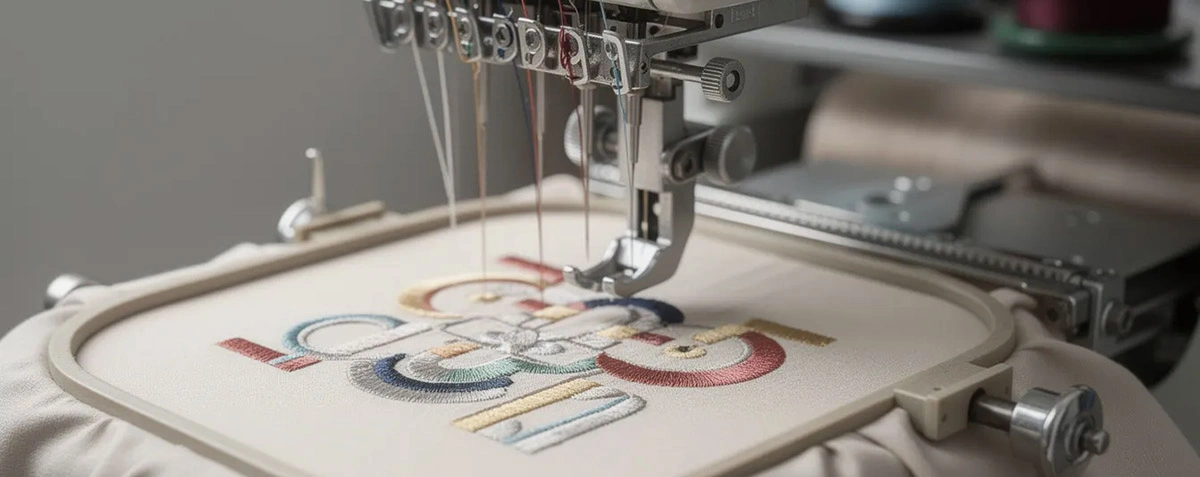
Professional uniforms require embroidery threads that maintain appearance through frequent washing while providing comfort for all-day wear. Cotton thread excels in these demanding applications: it sews smoothly and withstands frequent laundering, making it ideal for professional uniforms.
Corporate Logos: The professional matte appearance of cotton thread suits business environments where understated branding is preferred over flashy synthetic sheen.
Name Tags and Insignia: Cotton thread’s excellent colorfastness ensures uniform appearance across large employee groups, while its comfort properties prevent irritation during extended wear.
Safety Apparel: In industrial environments, cotton’s natural properties and heat resistance make it suitable for safety apparel marking, particularly where synthetic materials might pose melting risks.
Home Textiles
The home textile market represents a significant opportunity for cotton embroidery thread applications, where comfort, durability, and aesthetic appeal are paramount. Cotton thread helps create beautifully stitched designs on decorative pillows, curtains, and other home textiles, enhancing both the look and quality of the finished products:
Decorative Pillows: Cotton thread’s soft texture and matte finish complement natural home décor trends, while its durability ensures long-lasting appearance.
Curtains and Drapery: The thread’s dimensional stability prevents embroidery distortion, crucial for large textile installations.
Table Linens: Cotton’s absorbent properties and natural feel make it ideal for dining textiles, while superior colorfastness maintains appearance through frequent laundering.
Bedding: Premium bedding applications benefit from cotton’s comfort properties and natural breathability.
Specialized Applications
African Traditional Wear: Cotton thread’s versatility makes it suitable for both traditional and contemporary African garment styles, supporting cultural authenticity while meeting modern performance requirements.
Children’s Clothing: Safety and comfort considerations make cotton the preferred choice for children’s embroidered garments. The thread becomes softer with washing, reducing skin irritation risks.
Workwear Applications: Industries requiring comfortable, durable embroidered workwear benefit from cotton’s natural properties and professional appearance. Cotton thread is also commonly used for installing pockets on custom garments, ensuring a professional and durable finish.
Luxury Goods: High-end fashion and accessories often specify cotton thread for its refined aesthetic and natural fiber compatibility.
Specific Use Cases by Fabric Type
Cotton on Cotton: Optimal fiber compatibility ensures consistent shrinkage rates and complementary performance characteristics.
Natural Fiber Blends: Cotton thread works well with linen, hemp, and cotton-blend fabrics, providing harmonious natural fiber composition.
Denim Applications: Heavy-duty cotton threads (20s/2 or 30s/3) provide adequate strength for denim embroidery while maintaining the natural aesthetic denim wearers prefer.
Delicate Fabrics: Fine cotton threads (40s/2 or 50s/2) suit lightweight fabrics where gentle thread properties prevent fabric damage.
The variety of applications demonstrates cotton thread’s versatility, though each use case requires careful consideration of thread weight, construction, and quality standards to ensure optimal performance. Cotton embroidery thread stands out from the rest due to its combination of strength, comfort, and natural appearance.
Choosing the Right Cotton Embroidery Thread
Selecting appropriate cotton embroidery thread requires balancing multiple factors including fabric characteristics, design requirements, production constraints, and end-use considerations. Many customer reviews mention the impressive quality and color variety of cotton embroidery thread, highlighting its popularity among both hobbyists and professionals. Professional embroidery operations depend on making informed thread choices to ensure consistent quality and production efficiency.
Fabric Weight Considerations
Fabric weight directly influences thread selection, as heavier fabrics require stronger threads while delicate materials need gentle handling:
Lightweight Fabrics (under 150gsm):
-
50s/2 cotton thread provides adequate strength without overwhelming delicate fibers
-
40s/2 offers slightly more presence for visible embroidery designs
-
Fine threads prevent puckering and fabric distortion common with heavier alternatives
Medium-weight Fabrics (150-300gsm):
-
40s/2 cotton thread delivers optimal balance of strength and appearance
-
30s/3 provides enhanced durability for frequently laundered items
-
Most versatile fabric category allowing broader thread selection range
Heavy Fabrics (over 300gsm):
-
30s/3 cotton thread ensures adequate penetration and hold
-
20s/2 offers maximum strength for demanding applications like denim or canvas
-
Thicker threads provide necessary visibility and durability on substantial fabrics
Design Complexity Requirements
Thread selection must align with embroidery design characteristics:
Fine Detail Work:
-
Requires 40s/2 or 50s/2 cotton thread for precise stitch formation
-
Higher thread counts allow closer stitch spacing without thread buildup
-
Essential for text, small logos, and intricate patterns
Bold, Simple Designs:
-
20s/2 or 30s/3 cotton thread provides visual impact and coverage
-
Thicker threads fill large areas efficiently
-
Suitable for logos, geometric patterns, and decorative elements
High Stitch Density:
-
Fine threads (40s/2, 50s/2) prevent thread buildup and maintain fabric flexibility
-
Critical for preventing stiffness in heavily embroidered areas
-
Important consideration for garments requiring drape and comfort
Color Matching Principles
Cotton thread’s superior dyeability enables precise color matching, but selection requires understanding color behavior:
Exact Color Matching: Cotton’s excellent dye absorption allows close color matching to fabric and design specifications. Custom color development is often possible for large orders.
Color Coordination: Consider how cotton’s matte finish will appear against different fabric textures and finishes. The natural appearance may require adjustment from synthetic thread color references.
Colorfastness Requirements: Applications requiring frequent washing benefit from high-quality mercerized cotton threads with superior color retention properties.
Thread Selection Matrix
|
Application |
Fabric Weight |
Recommended Thread |
Key Benefits |
|---|---|---|---|
|
Fashion details |
Light-Medium |
40s/2 |
Comfort, appearance |
|
Corporate uniforms |
Medium-Heavy |
30s/3 |
Durability, professional look |
|
Home textiles |
Medium |
40s/2, 30s/3 |
Comfort, washability |
|
Children’s wear |
Light-Medium |
40s/2, 50s/2 |
Softness, safety |
|
Workwear |
Heavy |
30s/3, 20s/2 |
Strength, durability |
Production Considerations
Machine Capabilities: Verify embroidery machine specifications can handle selected thread weight and tension requirements. Some older machines may struggle with very fine or very thick cotton threads.
Production Speed: Cotton thread may require slower machine speeds compared to synthetic alternatives, particularly for complex designs or challenging fabrics. Maintaining adequate stock of essential thread colors is crucial to prevent production delays and ensure smooth workflow.
Operator Training: Ensure operators understand cotton thread handling requirements, including proper tension adjustment and troubleshooting techniques.
End-Use Requirements
Wash Frequency: Items requiring frequent laundering benefit from high-quality mercerized cotton threads with superior durability and colorfastness.
Comfort Requirements: Applications where thread contacts skin (children’s wear, underwear, activewear) should prioritize soft, high-quality cotton threads.
Professional Appearance: Corporate and uniform applications often specify cotton for its professional matte appearance and sophisticated look.
Environmental Considerations: Brands marketing sustainable or eco-friendly products may require natural cotton threads to maintain product authenticity.
Budget considerations often influence thread selection, but the cost difference between thread qualities is usually minimal compared to the impact on final product quality and customer satisfaction. Investing in appropriate thread quality typically reduces production issues and enhances end-product value.
Partner with MH for Cotton Embroidery Thread Solutions
As the global textile industry continues evolving toward sustainable, high-quality materials, cotton thread for embroidery represents an essential component for manufacturers seeking to meet demanding market requirements. MH’s comprehensive cotton embroidery thread solutions combine traditional natural fiber benefits with modern manufacturing excellence and global supply capabilities.
Our extensive product range, from robust 20s/2 heavy-duty threads to delicate 50s/2 fine threads, ensures optimal solutions for every embroidery application. Whether you’re manufacturing corporate uniforms requiring professional durability, children’s clothing demanding comfort and safety, or luxury fashion pieces needing refined aesthetics, our cotton embroidery threads deliver consistent performance and quality.
The combination of superior dyeability, natural breathability, heat resistance, and environmental sustainability makes cotton thread perfectly suitable for today’s diverse embroidery applications. Our advanced quality control systems, global supply network, and comprehensive OEM/ODM capabilities enable customers to access premium cotton threads with the reliability and support their operations require.
For embroidery factories and wholesale buyers seeking dependable cotton thread supply, MH offers the technical expertise, production capacity, and global reach necessary to support both current operations and future growth. Our commitment to quality, innovation, and customer service has enabled successful partnerships with manufacturers across 150+ countries, from small specialty operations to large industrial facilities.
MH’s cotton embroidery threads represent the perfect synthesis of natural fiber advantages, technical performance, and manufacturing reliability. Partner with us to access premium cotton threads that enhance your products while supporting efficient production operations and sustainable business practices.
Contact MH today to discuss your cotton embroidery thread requirements and discover how our solutions can support your manufacturing excellence and business growth objectives.


Hand Embroidery Techniques
Hand embroidery is a rewarding technique that uses a needle and embroidery thread to craft decorative designs directly onto fabric. There are numerous stitches to explore, each contributing a unique texture and style to your projects. Common techniques include the running stitch for outlines, backstitch for strong lines, and satin stitch for smooth, filled areas. The choice of stitch can dramatically influence the look and feel of your embroidery, from flat, subtle effects to raised, dimensional patterns.
Selecting the right embroidery thread is essential for achieving the desired result. Consider the weight and thickness of the thread in relation to your fabric—finer threads are ideal for delicate materials and detailed designs, while thicker threads provide boldness and coverage on sturdier fabrics. Using a high-quality needle and embroidery hoop can greatly enhance the ease and quality of your stitching, helping to maintain even tension and prevent puckering. For those new to hand embroidery, starting with simple projects and gradually advancing to more complex designs is a helpful approach. Online tutorials, classes, and community feedback can provide valuable guidance, making it easier to master new stitches and techniques as you progress.
