
How to Source Cross Stitch Cloth for Global Markets?
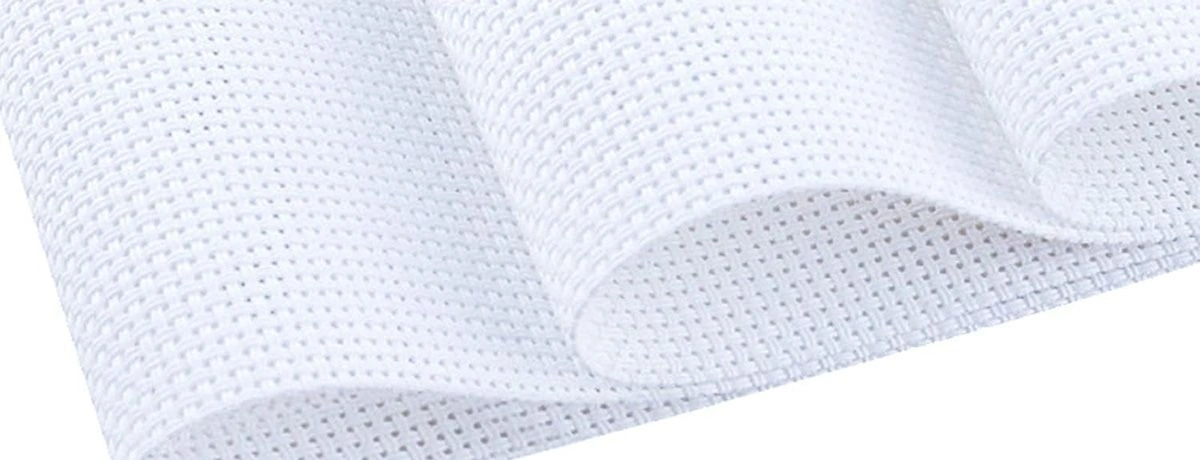
The global demand for needlecraft supplies continues to demonstrate resilience, driven by a dedicated community of artisans and the rising popularity of DIY textile kits. For wholesalers, distributors, and manufacturers in the textile industry, securing a reliable supply of cross stitch cloth is critical to maintaining a competitive edge. Sourcing the correct materials involves more than simply filling a container; it requires a technical understanding of fabric types, counts, and compositions to meet the varying needs of the market. Cross stitch fabric can be purchased in different count sizes, colors, and brands, and buyers can find a wide variety of options to choose from when sourcing for their business or next project.
Embroidery materials encompass a diverse range of textiles, with cross stitch fabric acting as the foundation for both hobbyist projects and commercial finished goods. When planning a cross stitch project, it is important to choose the right type of cross stitch cloth, as this choice can significantly impact the final outcome in terms of appearance and complexity. Whether stocking inventory for retail distribution or procuring raw materials for kit assembly, understanding the distinctions between Aida, linen, and evenweave is essential. Aida fabric is the most popular choice among cross stitchers and is widely available, making it easy for businesses to shop for and find the right supplies. This guide outlines the technical specifications and sourcing considerations for embroidery textiles, helping businesses make informed purchasing decisions for bulk orders.
Categorizing Embroidery Materials for Wholesale Inventory
A robust inventory strategy requires a diverse selection of cross stitch fabrics to cater to different market segments, from entry-level consumers to professional textile artists. Cross stitchers, in particular, have unique preferences that may change with trends or seasons, influencing which fabrics are most in demand. Wholesalers should consider what cross stitchers might need for their next project when planning inventory and can add new types of fabrics to their offerings to stay competitive. Refer to our catalog page or inventory page for a comprehensive listing of available cross stitch cloth options.
Cross stitch fabric differs from standard textiles due to its specific weave structure, which facilitates counting threads and creating uniform stitches.
The primary categories of embroidery cloth available for bulk export include:
Aida Cloth
Aida remains the most commercially significant fabric in the cross stitch market. Aida cloth is available from multiple manufacturers in various counts and colors, offering a wide selection for different project needs. Manufactured with a specialized open weave, it features clearly defined squares that make stitch counting straightforward. For example, Aida is commonly found in 14 count or 18 count, allowing stitchers to choose the fabric fineness that best suits their pattern. For manufacturers producing pre-packaged embroidery kits, Aida is often the material of choice due to its stiffness, which holds shape well without a hoop, and its resistance to fraying during the cutting and packaging process. Aida is an excellent choice for beginners because it doesn't warp and the holes are easy to see due to the open weave, making it easy to use. It is typically produced in 100% cotton, providing durability and a crisp finish. Always check the fabric specifications, such as count and color, before purchasing to ensure it matches your project requirements.
Linen
Linen represents the premium segment of the market. Linen is a luxurious fabric made of woven flax fibers that adds a vintage and traditional look to finished pieces. It may contain natural irregularities called 'slubs', which contribute to its unique texture. Linen offers a more traditional appearance and is available in several different counts, colors, and styles, allowing crafters to select the perfect option for their project. Sourced from flax fibers, linen offers a natural, textured appearance and a soft hand-feel that appeals to advanced users and high-end finished goods manufacturers. Unlike Aida, linen does not have a clearly defined block weave, requiring the end-user to stitch over two threads. Working with linen can be challenging due to its uneven weave, requiring special care with each stitch. Wholesale buyers often source linen to satisfy the demand for “heirloom quality” textile products.
Evenweave
Evenweave fabrics are typically cotton or cotton-rayon blends. Once beginners gain more experience, they may want to try linen or Evenweave cloth for a more refined look. Evenweave offers a refined alternative to Aida, characterized by a smooth, consistent thread count and even spacing across the warp and weft. This uniformity makes it an excellent substrate for intricate and detailed cross stitch projects. Evenweave is similar to Aida in that both are popular choices for cross stitch cloth, but Evenweave's finer spacing allows for more detailed work. When working with Evenweave, stitchers often use a needle to split the threads, which requires more precision but results in a more delicate finish. For distributors, Evenweave serves as a bridge product, offering a higher quality finish than Aida while remaining more cost-effective and uniform than natural linen.
Specialty Fabrics (Jobelan, Lugana, Hardanger)
To round out a comprehensive product catalog, importers often include specialty blends. Jobelan is an elegant, soft, smooth, and woven cross stitch cloth available in 28 or 32 count, offered in many solid and hand dyed colors. Its soft, smooth sheen and resistance to wrinkles make it great for stitching and making table linens, cushions, and other decorative items. Jobelan drapes nicely, making it a pleasure to work with for cross stitchers looking to create refined projects.
Lugana is a blend of cotton and viscose rayon, available in various counts. This soft, heavy, evenly woven cross stitch cloth features a subtle sheen that gives it an elegant look. Lugana is easy to count and stitch, making it a great choice for both beginners and experienced cross stitchers. Its beautiful drape and refined appearance are ideal for making samplers, pillows, and other decorative projects.
Fiddler's Cloth is available in various counts and is suitable for more rustic projects. It is similar to Aida but has a slightly irregular weave, which adds unique texture to finished pieces.
Hardanger is made of 100% cotton at 22 count and is used for more delicate detail in stitching projects, especially whitework embroidery, a niche but steady market sector. These specialty fabrics allow cross stitchers to create a wide range of beautiful, high-quality finished pieces.
Procurement Specifications: Selecting the Right Fabric
When sourcing cross stitch fabric for large-scale distribution or manufacturing, buyers must check technical data sheets and specifications before finalizing orders to ensure consistency across production lots. Changes in dye lots or weave can impact product quality and lead to customer dissatisfaction. Buyers can add new fabrics to their procurement lists to meet changing market demands. It is important to find reliable suppliers and choose the right fabric for each application. Buyers can shop for cross stitch cloth and related supplies at specialized retailers or online stores.
Fabric Count and Density
The “count” refers to the number of stitches (or squares) per inch. Fabric count refers to the number of squares per inch; higher counts yield finer detail. For example, 14-count Aida means there are 14 squares per inch, while 28-count linen has 28 squares per inch, resulting in a much finer fabric. This specification dictates the resolution of the final embroidery. Lower counts yield larger stitches and are easier for beginners, while higher counts allow for smaller, highly detailed designs.
-
Low Count (6-11 count): Used primarily for children’s kits and beginner products.
-
Standard Count (14-18 count): The industry standard for Aida. 14-count Aida constitutes a significant volume of global cross stitch fabric trade.
-
High Count (28-40 count): Common for linens and evenweaves, targeted at high-detail applications.
For factories assembling kits, ensuring the fabric count matches the accompanying embroidery floss and pattern dimensions is vital to avoid material shortage claims.
Composition and Durability
While 100% cotton is the standard for Aida, a woven cross stitch cloth, blends offer specific advantages for different manufacturing use cases. Cotton-modal or cotton-viscose blends, for example, blend fibers to provide a softer sheen and improved drape for decorative items. Buyers can add new blends to their inventory to meet specific project needs, and can find the right blend for their intended application by reviewing technical data sheets confirming fiber content and colorfastness ratings, particularly for fabrics intended for garments or home wash items.
Color Consistency
A critical challenge in bulk textile procurement is maintaining color consistency across batches, especially given the wide variety of colors available for cross stitch cloth. Wholesalers should prioritize manufacturers who utilize advanced dyeing technology to minimize variance. In addition to standard offerings like bleached white and cream, buyers can now find cross stitch fabrics in a broad spectrum of colors, including hand dyed options that add unique, one-of-a-kind effects to projects. To meet customer demand and keep up with design trends, wholesalers can add new colors to their inventory and find specific shades that coordinate with popular patterns and floss choices.
Market Applications and Product Positioning
Understanding the end-use of these materials helps distributors position their products effectively within the supply chain. Choosing the right cross stitch cloth for each project is essential, as it influences the final appearance and complexity of the piece. Selecting the perfect fabric allows crafters to create beautiful finished projects and enjoy the process from start to finish.
Aida Cloth: For other types of fabric, such as jet black polyester Nida fabric for abaya and hijabs, see our product selection.
-
Best for: Mass-market embroidery kits, school supplies, and high-volume retail distribution. Aida is perfect for beginners looking to start a new project, as it is easy to work with and makes learning cross stitch enjoyable.
-
Distributor Benefit: High turnover rate and lower manufacturing cost.
Linen:
-
Best for: Premium kits, professional textile artists, and high-end finished home decor. Linen is ideal for those who want to create elegant, detailed pieces and enjoy working with a more sophisticated fabric.
-
Distributor Benefit: Higher profit margins and appeal to the luxury demographic.
Evenweave and Blends:
-
Best for: Tablecloth manufacturing, pillow production, and intermediate-level craft supplies. These fabrics are perfect for making a variety of finished goods, allowing crafters to create unique home decor items and enjoy the versatility of working with different materials.
-
Distributor Benefit: Versatility in application, bridging the gap between craft supplies and home textile manufacturing.
Handling and Logistics for Bulk Orders
For importers and factories, the logistics of handling cross stitch fabric differ from standard apparel textiles. Proper handling ensures the product reaches the warehouse in pristine condition.
Packaging Configurations
Cross stitch cloth is typically supplied in two main configurations:
-
Bolts/Rolls: Ideal for factories and large distributors who have their own cutting and packaging facilities. Rolls maximize container space and reduce shipping costs per meter.
-
Pre-cut Packages: Retail-ready packaging is suitable for distributors supplying directly to retail chains.
Storage and Preservation
Embroidery fabrics, particularly linens and specialized blends, are sensitive to humidity and light. Warehousing solutions must ensure climate control to prevent mold or discoloration, which can render inventory unsellable. Furthermore, rigid packaging protocols are necessary to prevent creasing, as deep creases in starched fabrics like Aida can be difficult to remove and may result in product rejection.
Establishing a Reliable Supply Chain
The textile industry relies heavily on the stability of the supply chain, and businesses must adapt to changes in the market to maintain reliability. Sourcing cross stitch cloth requires finding partners capable of meeting Minimum Order Quantities (MOQs) while adhering to strict quality control standards. It is important to find reliable suppliers who can provide consistent thread counts, uniform dyeing, and reliable lead times, as these are essential for long-term growth.
For distributors and factories, the goal is to secure a diverse range of embroidery substrates—from the utilitarian Aida to the luxurious linen—under one procurement strategy. Businesses can add new suppliers or products to their sourcing strategy to ensure flexibility and resilience. By understanding the technical nuances of fabric counts, compositions, and weave types, businesses can optimize their inventory to meet the global demand for high-quality embroidery materials. Companies can shop for cross stitch cloth and related supplies through specialized online shops or wholesale distributors to further strengthen their supply chain.
MH – Cross Stitch Fabric Supplier for Global Wholesale Markets
MH (Ningbo MH Industry Co., Ltd.) is a professional cross stitch fabric supplier and exporter, serving wholesalers, distributors, and embroidery kit manufacturers worldwide. Established in 1999, MH supplies Aida cloth, evenweave fabric, linen, and specialty embroidery fabrics in bulk.
With stable fabric counts, controlled dye lots, and flexible MOQs, MH supports both mass-market and premium embroidery applications. Fabrics are available in rolls or pre-cut sizes, suitable for kit assembly and retail distribution. Backed by strong manufacturing capacity and global export experience, MH provides a reliable sourcing solution for cross stitch fabric wholesale buyers.