
Double Sided Fleece Fabric for Bulk Production

When sourcing fleece for mass production, fabric buyers need clear technical parameters that translate directly into product performance and manufacturing efficiency. Double sided fleece represents a specific construction category with distinct advantages for certain product lines—but understanding when and why to specify it requires more than surface-level knowledge.
This guide breaks down double sided fleece from a manufacturing and sourcing perspective, covering everything from fabric structure and fiber composition to performance benchmarks and procurement checkpoints that matter for bulk orders.
What Is Double Sided Fleece?
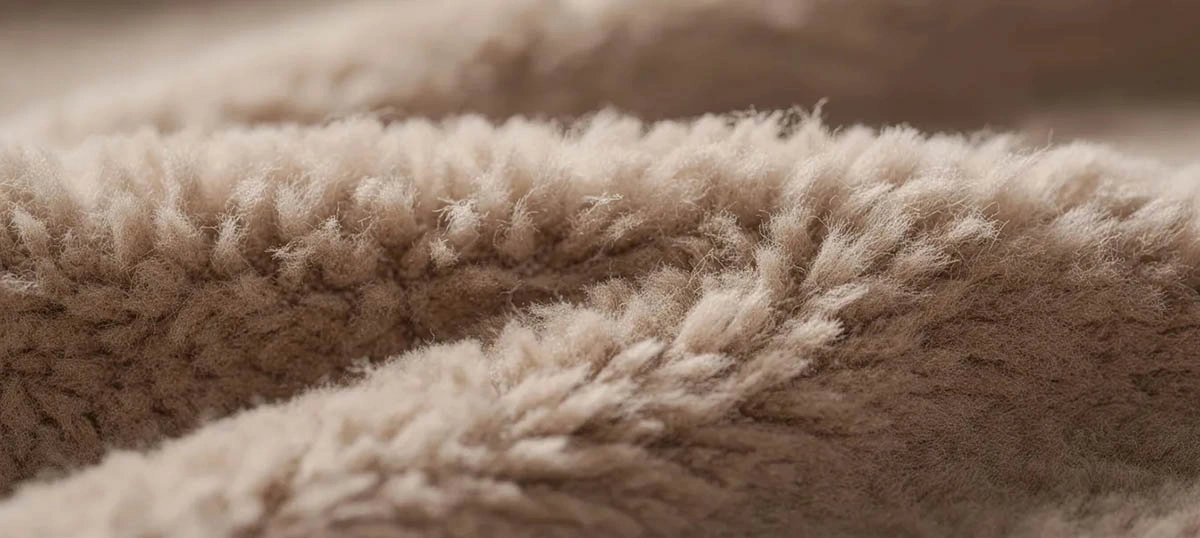
Double sided fleece is a knitted textile characterized by a raised, plush pile or nap on both the face and back surfaces. This dual-surface construction distinguishes it from single sided fleece, where only one side undergoes brushing or napping while the other retains a smoother jersey-like finish.
The fabric is commonly produced on circular knitting machines, with both surfaces subsequently raised and sheared to create uniform piles. This symmetrical pile formation delivers consistent tactile performance regardless of orientation—a critical factor for bulk production where garments or linings may be assembled without designated inside-outside distinctions.
Typical basis weights used in industry:
|
Category |
GSM Range |
Common Applications |
|---|---|---|
|
Lightweight |
165–180 GSM |
Mid-layers, linings |
|
Standard |
220–280 GSM |
Hoodies, sweatshirts, jackets |
|
Heavyweight |
300–380 GSM |
Outerwear, blankets, throws |
Standard industrial widths range from 58–60 inches for apparel to 62–72 inches for broader applications, with some blanket and home textile lines extending to 80 inches or wider. These width specifications directly impact marker making and yield calculations for production planning.
Key sourcing advantages include balanced hand feel on both sides, reversibility potential, higher warmth per weight compared to similar single sided constructions, and suitability for value-added finishing such as anti-pill treatments, moisture management, print applications, and bonded constructions.
Fiber Composition Options for Double Sided Fleece
Most commercial double sided fleece is polyester-based, but fiber blends are used to tune performance, cost, and sustainability profiles according to market requirements.
100% Polyester
The mainstream option for polar fleece and super plush fleece fabric. Polyester delivers consistent quality batch-to-batch, excellent color fastness, dimensional stability after washing, and favorable cost per yard in bulk production. The fiber’s hydrophobicity enables quick-drying properties and natural moisture-wicking behavior.
Polyester/Wool Blends
Typical ratios of 90/10 or 80/20 are used in higher-end cold-weather garments. Wool content improves thermal performance through moisture buffering and adds a natural softness. However, raw material costs increase significantly, and care requirements become more complex—factors that affect price positioning and target markets.
Cotton/Polyester Blends
Suitable where breathability and natural hand are priorities. A common blend like 65% cotton/35% polyester creates two-color effects and a soft, comfortable feel against the body. These brushed surfaces work well for fleece-backed sweatshirting with moderate insulation properties.
100% Organic Cotton Double Sided Fleece
Typically in the 300–340 GSM range, used for premium loungewear and baby products where natural fiber content is a selling point. Production speeds are lower, fiber costs higher, and mechanical finishing must be gentler to preserve softness without damaging the cotton pile. For more information or inquiries, please contact us.
Performance Blends (Polyester + Spandex)
Used in stretch outerwear and athleisure where movement matters. Typical stretch levels reach 15–30% in both directions, with implications for pattern grading, sewing parameters, and recovery performance. The wide construction allows for athletic cuts without restricting motion.
Sustainability Considerations
Recycled polyester (rPET) options are increasingly available, with content levels ranging from 30% to 100% recycled material. Current production data indicates up to 100% recycled content without performance loss post-processing. However, buyers should factor in potential impacts on lead time and certification requirements such as GRS or OEKO-TEX verification. Hemp and other alternative fibers remain niche but are emerging in specialty markets.
Key Performance Characteristics for Mass Production
When evaluating double sided fleece for bulk production, focus on measurable properties that directly impact sourcing decisions, quality control protocols, and end-use selection.
Thermal Insulation
Pile height, fiber fineness, and GSM drive CLO values (thermal resistance). Lightweight constructions around 160 GSM suit mid-layer applications, while heavy constructions at 340 GSM provide warmth suitable for outerwear and blankets. The loft created by trapped air between raised fibers on both surfaces delivers warmth without excessive weight.
Handfeel and Bulk
Super plush and berber constructions offer maximum soft texture but create trade-offs with drape and shipping volume per roll. Standard polar fleece balances comfort against practical logistics. The fuzzy surface on both sides creates an ideal tactile experience for items worn close to the body.
Pilling Resistance
Anti-pill finishes and tighter yarn construction reduce surface fiber migration. Common lab standards include Martindale and ICI pilling tests—buyers should specify minimum acceptable grades (typically Grade 4+) in purchase specifications. Three-end knitting constructions offer superior pilling resistance compared to two-end alternatives.
Dimensional Stability and Shrinkage
Acceptable shrinkage levels after washing typically fall within 3–5% in both length and width. Heat setting during finishing controls dimensional stability. Buyers should request shrinkage test reports before confirming bulk orders.
Mechanical Stretch and Recovery
Standard 100% polyester fleece offers minimal stretch. Polyester/spandex blends deliver 20–25% four-way stretch with good recovery, affecting sewing parameters and seam performance in athletic and fitted garments.
Color Fastness and Shade Consistency
Consistent dyeing across bulk lots requires ΔE variation control—typically maintained below 1.0 within batches. For long-term repeat orders, batch tracking and retain samples ensure color reproducibility across seasons. Common stock colors like black, navy, charcoal, brown, white, red, orange, and purple typically ship faster than custom shades.
Breathability and Moisture Behavior
Double sided brushed surfaces trap air for insulation but can still offer reasonable vapor permeability. Hydrophilic or wicking treatments enhance moisture transport for performance products where breathability is a priority.
Flammability and Compliance
For EU and US markets, buyers may require flammability testing, particularly for baby products, blankets, and upholstery applications. Design specifications around target standards early to avoid compliance issues at delivery.
Double Sided vs Single Sided Fleece: Technical Comparison
The fundamental structural difference is clear: double sided fleece has both faces brushed, while single sided fleece has only one brushed face with the other remaining a smooth knit surface.
|
Characteristic |
Double Sided Fleece |
Single Sided Fleece |
|---|---|---|
|
Surface texture |
Plush pile both sides |
Pile one side, smooth backing |
|
Warmth (same GSM) |
Higher |
Lower |
|
Reversibility |
Yes |
Limited |
|
Processing cost |
Higher |
Lower |
|
Typical use |
Reversible items, blankets |
Linings, single-face garments |
Warmth and Insulation
For similar GSM and fiber composition, double sided fleece typically offers higher warmth because both surfaces have pile trapping air. However, total thickness and density matter more than terminology alone—a high-quality heavyweight single sided construction may outperform a lightweight double sided option.
Comfort and Contact Surfaces
Double sided fleece feels soft against the skin on either side, making it perfect for reversible garments, blankets, or items where backing may be exposed during use or crafts applications.
Usage in Garment Construction
Single sided fleece is often used as lining or as a face fabric with smooth backing oriented toward other layers in quilted or bonded constructions. Double sided is the clear choice where both surfaces may be visible or in unlined pieces.
Cost and Processing
Double sided brushing and shearing add processing steps, resulting in slightly higher cost per yard versus comparable single sided. In return, products may require fewer lining or facing fabrics, potentially offsetting the material premium.
Weight Efficiency
For ultralight applications like technical hiking layers, buyers may choose high-quality single sided fleece with optimized thickness rather than heavier double sided constructions. This trade-off aligns with performance priorities in activewear markets.
Sourcing decision guidance:
-
Budget hoodies and sweatshirts → single sided fleece
-
Premium reversible jackets → double sided fleece
-
Baby blankets and premium loungewear → double sided fleece
-
Athletic mid-layers with printed exteriors → single sided fleece
Industrial and Commercial Applications
Double sided fleece serves diverse product categories, each with specific manufacturing requirements and quality expectations.
Outerwear and Mid-Layers
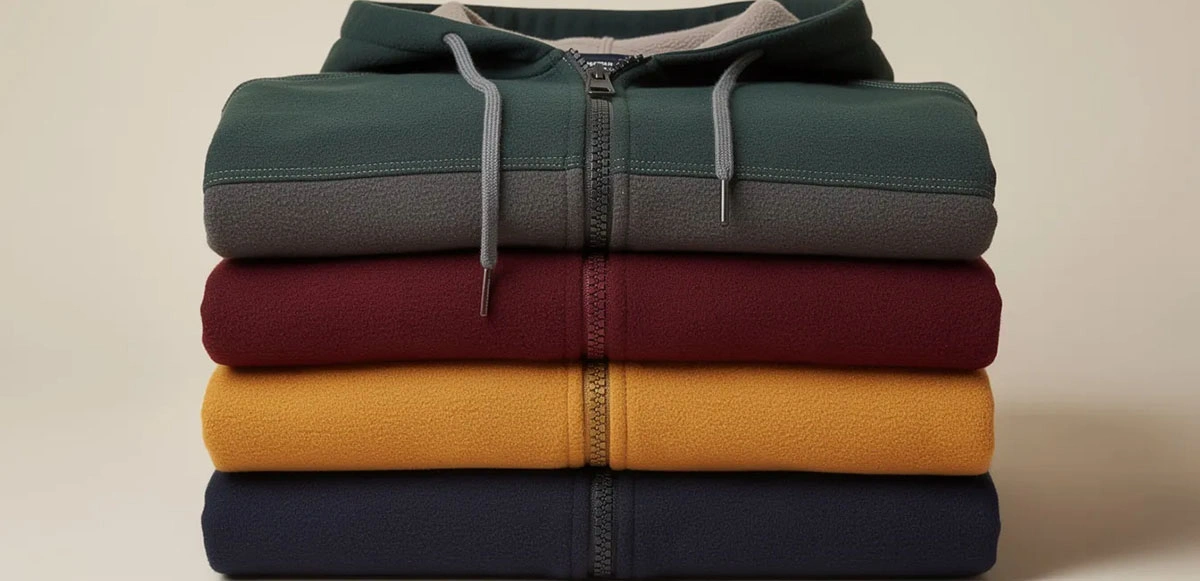
Jackets, zip-ups, pullovers, and vests typically use 220–340 GSM constructions. Production requirements emphasize stable width for consistent pattern lay, low pilling for extended product life, and color continuity across seasonal orders. The thicker pile provides warmth without excessive weight.
Sportswear and Athleisure
Stretch double sided fleece with polyester/spandex blends suits training tops, hoodies, and joggers. Key needs include good recovery after stretching, abrasion resistance for active use, and compatibility with heat-transfer prints or screen printing. DIY customization options appeal to team markets.
Children’s and Baby Products
Blankets, sleep sacks, stroller covers, and plush accessories demand soft handfeel on both sides for comfort against sensitive skin. Hypoallergenic fiber options, strict quality control, and safety compliance (flammability, chemical testing) are non-negotiable requirements in this segment.
Home Textiles and Blankets
Throws, bed blankets, travel blankets, and cushion covers typically use heavier GSM constructions (280–360) in wide widths (72 inches or more) to optimize cutting efficiency and reduce seaming. The cozy texture on both surfaces enhances perceived value.
Corporate and Institutional Products
Uniforms, team wear, promotional hoodies, and workwear mid-layers require precise color reproducibility for brand standards. Long-run availability for repeat orders and consistent quality across shipments support institutional purchasing programs. Items sold through corporate channels need reliable stock availability.
Technical and Industrial Uses
Lining for protective garments, pet products, and insulated covers represent specialized applications. Double sided fleece may be combined with membranes or bonded to woven shells for enhanced wind and water resistance in security and industrial contexts.
Key Sourcing Considerations for B2B Buyers
Use this checklist when developing specifications and evaluating suppliers for double sided fleece procurement.
Define Technical Requirements
-
Target GSM, width, and construction type (polar, berber, super plush, organic cotton, stretch)
-
Match specifications to final product category and market positioning
-
Consider how the fleece will function in sewing and assembly
Specify Fiber Composition and Certifications
-
Confirm required certifications before bulk sampling (recycled content percentage, organic cotton standards, OEKO-TEX, GRS)
-
Verify supplier certification validity and audit status
-
Document human and environmental compliance requirements
Agree on Technical Tolerances
-
GSM range (typically ±3–5%)
-
Width tolerance (typically ±1–2%)
-
Shade variation limits (ΔE specifications)
-
Pilling resistance grade
-
Shrinkage limits after washing
Request lab dips and test reports before confirming orders. Review the page of test results carefully.
Confirm Finishing Options
-
Anti-pill treatments
-
Moisture-wicking finishes
-
Anti-static treatments
-
Brushed height levels
Verify that finishes are repeatable in bulk production and won’t become unavailable mid-program.
Plan for Scalability
-
Assess supplier knitting and finishing capacity
-
Compare lead times for standard colors (black, navy, charcoal, light blue) versus custom shades
-
Understand minimum order quantities by color and construction
-
Evaluate date commitments for new color development
Review Packaging and Logistics
-
Roll length preferences (typically 40–60 meters per roll)
-
Allowable joint count per roll
-
Palletizing methods to protect pile surface during transport
-
Package labeling requirements for customs and receiving
-
Availability of air or ship delivery options
For long-term programs, establish a standard spec sheet and retain samples from each production batch to support consistent quality across multiple seasons. Use clear documentation in your cart of approved specifications.
Pay attention to checkout details: confirm that quoted price includes all finishing, that delivery terms are understood, and that any security deposits or registered payment terms are documented.
MH Double Sided Fleece Supply Capabilities
MH operates as a wholesale fabric supplier serving garment manufacturers, fabric converters, importers, and large distributors. MH does not sell retail or small quantities—the focus is exclusively on bulk orders suitable for mass production.
Double sided fleece ranges MH can support:
-
Polyester polar fleece from approximately 180–360 GSM
-
Super plush and berber styles with premium handfeel
-
Polyester/spandex stretch fleece for athleisure applications
-
Cotton/polyester blends for sweatshirting and loungewear
Color Development
MH can coordinate color development for brand programs, with lab dips and bulk dye lots managed for shade continuity over repeated orders. This supports customers requiring consistent seasonal color matching or long-term program needs.
Order Options
Bulk orders are available by roll or by container, with stable qualities suitable for mass production runs and long-term cooperation. Best selling constructions in standard colors typically offer faster availability compared to custom development.
Contacting MH
Buyers should prepare detailed technical requirements before initial contact:
-
Target GSM and width
-
Fiber composition requirements
-
Required test standards and certifications
-
End-use application
-
Estimated annual volume
This preparation allows MH to propose a matching double sided fleece specification efficiently, reducing back-and-forth and accelerating the sampling process. Compare specifications against your product requirements, and review previous production data if available from similar programs.


Key Takeaways
-
Double sided fleece offers balanced warmth and softness on both surfaces, making it ideal for reversible garments, blankets, and items where both sides are exposed
-
Manufacturing involves dual-sided napping and shearing, adding processing steps compared to single sided fleece but eliminating lining requirements
-
Polyester remains the mainstream fiber for cost-effective bulk production, while blends serve specialized performance and sustainability requirements
-
Technical specifications including GSM tolerance, pilling resistance, and shade consistency should be confirmed before bulk orders
-
Match fleece construction to end-use requirements—the selling decision depends on product category, price positioning, and market expectations
For bulk sourcing programs, detailed specifications ensure consistent quality across production runs. When evaluating double sided fleece suppliers, prioritize those with demonstrated capacity for your volume requirements and a track record of alphabetically organized documentation and quality control systems that support long-term cooperation.
