
Elastic Cord Round: Complete Guide for B2B Manufacturing and Procurement
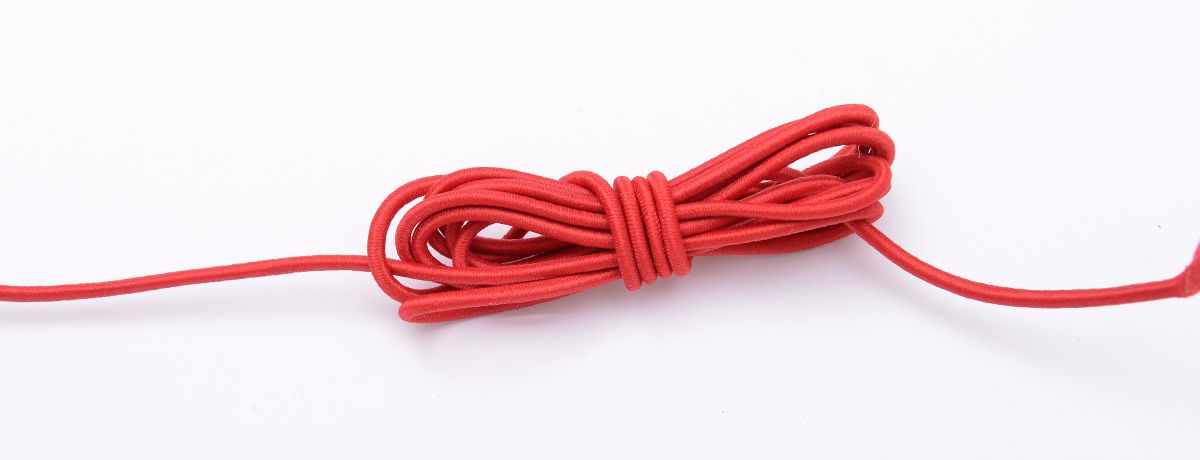
Round elastic cord represents a critical component material in manufacturing operations spanning garment production, medical textiles, and industrial packaging applications. As global manufacturing demand increases across multiple sectors, understanding the technical specifications and supply chain advantages of elastic cord round becomes essential for procurement teams managing large-scale production operations.
This comprehensive guide provides detailed technical specifications, industrial applications, quality standards, and procurement considerations specifically designed for B2B manufacturing and sourcing professionals. From material composition to bulk supply advantages, this analysis covers the complete spectrum of round elastic cord manufacturing and procurement requirements.
What is Round Elastic Cord
Round elastic cord is a specialized textile component featuring a cylindrical cross-section with inherent stretch and recovery properties essential for industrial manufacturing applications. The construction consists of an elastic core material wrapped or braided with textile fibers, creating a versatile product that maintains consistent diameter while providing controlled elasticity under tension. Durability is provided by a strong inner core, often made of rubber or latex, covered by a protective outer sheath made of nylon.
The braided structure distinguishes round elastic cord from flat elastic alternatives, offering superior durability and consistent performance in applications requiring repeated extension cycles. The braid process interlocks the fibers, enhancing the cord's flexibility and strength. Core elastic materials typically include natural rubber, synthetic rubber, latex, or spandex, each providing distinct performance characteristics for specific industrial applications.
Standard diameter ranges for industrial applications span from 1mm to 10mm, with the most commonly specified sizes being 2mm, 3mm, and 5mm for bulk manufacturing operations. These dimensions accommodate the majority of garment manufacturing, medical textile, and packaging requirements while maintaining cost-effective production volumes. Round elastic cords can also be produced in diameters up to 1 inch using cotton and synthetic fibers such as nylon, polyester, and polypropylene.
Compared to flat elastic and other elastic cord types, round elastic cord provides superior knot retention, reduced bulk in seam applications, and enhanced durability under repeated stress cycles. The manufacturing process includes preparing elastic yarn, setting up a knitting machine, braiding the cord, and implementing quality control measures. Quality control measures are taken throughout production to ensure the cord meets the desired specifications. These performance advantages make round elastic cord the preferred choice for applications requiring reliable elastic properties in confined spaces or decorative applications where visual bulk must be minimized. Related products, such as elastic string, are also used in crafting, jewelry making, and DIY projects for their flexibility and range of available sizes.
Material Composition and Construction
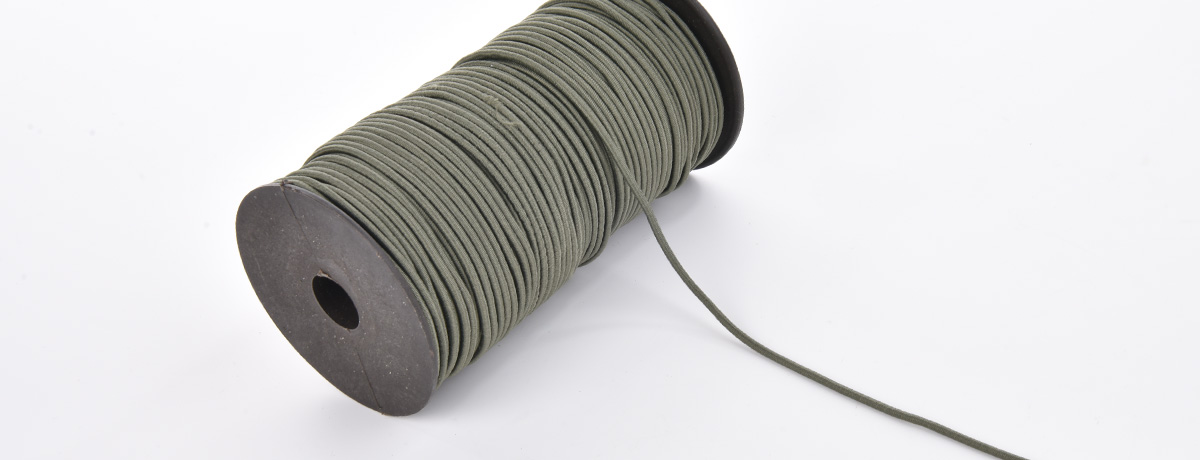
The performance characteristics of elastic cord round depend fundamentally on core material selection and outer covering construction. Understanding these material options enables procurement teams to specify products that optimize both performance and cost for specific manufacturing applications.
Polyester is a popular choice for the outer jacket of round elastic cords. Polyester jackets are ideal for long-term outdoor exposure due to superior UV and moisture resistance.
Construction Methods: After the core is braided and the outer covering is applied, the cord undergoes quality control checks. Once these steps are complete, the cord is finished and ready for shipment or application.
Color Options and Custom Matching: Round elastic cords can be customized in various colors and finishes for specific applications such as packaging and beading.
Core Materials
Natural rubber cores provide excellent elasticity with stretch ratios typically ranging from 400% to 700%, making them suitable for applications requiring maximum extension capability. Natural rubber demonstrates superior recovery properties but exhibits temperature sensitivity and reduced UV resistance compared to synthetic alternatives.
Synthetic rubber cores, including EPDM and neoprene, offer enhanced temperature stability and chemical resistance while maintaining stretch ratios between 200% and 400%. These materials prove essential for automotive and marine applications where exposure to oils, solvents, or extreme temperatures occurs during service life.
Polyurethane cores deliver exceptional durability and consistent performance across temperature ranges from -40°F to 200°F. Stretch ratios typically range from 300% to 500%, with superior recovery characteristics that maintain elasticity through thousands of extension cycles.
Latex cores provide cost-effective elasticity for applications not requiring extreme durability or temperature resistance. Stretch ratios range from 500% to 800%, but latex cores demonstrate reduced service life in applications involving repeated stress cycles or exposure to UV radiation.
Outer Covering Materials
Nylon outer covering provides superior abrasion resistance and tensile strength, making it ideal for applications involving contact with rough surfaces or mechanical handling equipment. The smooth surface finish facilitates threading through automated insertion equipment common in garment manufacturing.
Polyester covering offers excellent UV resistance and color retention while maintaining cost-effectiveness for high-volume applications. Chemical resistance properties make polyester suitable for medical and automotive applications where cleaning solvents or disinfectants may contact the product.
Cotton covering delivers natural fiber aesthetics and breathability required for direct skin contact applications. While less durable than synthetic alternatives, cotton covering provides comfort characteristics essential for medical textiles and intimate apparel applications.
Polypropylene covering combines chemical resistance with lightweight properties, proving suitable for marine and outdoor applications where weight reduction and moisture resistance are critical performance factors.
Construction Methods
Single-strand core construction utilizes one continuous elastic element wrapped with textile fibers, providing uniform stretch characteristics and simplified manufacturing. This construction method proves suitable for applications requiring consistent elasticity and cost-effective production.
Multi-strand core construction employs multiple elastic elements braided or twisted together before textile covering application. This method enhances load distribution and provides redundancy that prevents complete failure if individual strands break during service.
Braided outer cover construction creates a protective textile sleeve over the elastic core, providing superior abrasion resistance and dimensional stability. The braided structure distributes stress evenly and prevents core exposure during repeated extension cycles.
Knitted outer cover construction offers enhanced flexibility and comfort characteristics while reducing manufacturing costs compared to braided alternatives. This method proves suitable for applications prioritizing comfort over maximum durability.
Technical Specifications
|
Specification |
Range |
Standard Tolerances |
Testing Method |
|---|---|---|---|
|
Diameter |
1mm - 10mm |
±0.1mm |
ASTM D1776 |
|
Stretch Ratio |
200% - 800% |
±25% |
ASTM D412 |
|
Breaking Strength |
5N - 500N |
±10% |
ASTM D412 |
|
Recovery Rate |
95% - 99% |
±2% |
ASTM D1774 |
|
Temperature Range |
-40°F to 200°F |
N/A |
ASTM D1349 |
Color Options and Custom Matching
Standard color availability includes black, white, navy, red, and clear, with custom color matching available for orders exceeding 10,000 meters. Color fastness testing ensures compliance with industrial washing and UV exposure requirements. Custom color development typically requires 3-4 weeks lead time and involves spectrophotometric matching to customer specifications.
Temperature Resistance Specifications
Natural rubber cores maintain elasticity from 32°F to 140°F with reduced performance outside this range. Synthetic rubber cores extend operating range from -20°F to 180°F while maintaining 90% of room temperature stretch properties. Polyurethane cores provide the broadest temperature range from -40°F to 200°F with minimal performance degradation.
UV Resistance and Weatherproofing
Polyester and nylon outer coverings provide excellent UV resistance with minimal degradation after 1000 hours of accelerated weathering exposure. Natural fiber coverings require UV stabilization treatment for outdoor applications. Clear polyurethane coatings enhance weather resistance while maintaining flexibility and color appearance.
Industrial Applications and Use Cases
Round elastic cord serves critical functional roles across diverse manufacturing sectors, offering a variety of sizes, colors, and applications to suit different needs. These cords are used in a wide range of industries, including the print industry, merchandising, and outdoor products. When selecting round elastic cord, key factors to consider include elasticity, durability, size, compatibility, color, cost, environmental impact, safety, and quality. Specific diameter and material requirements vary by application demands. Understanding these applications enables specification optimization for performance, durability, and cost-effectiveness.
Garment Manufacturing
Waistbands and Drawstrings: Round elastic cord in 3mm to 5mm diameters provides the primary tensioning mechanism for adjustable waistbands in activewear, loungewear, and children’s clothing. The round profile minimizes bulk when inserted through fabric casings while maintaining consistent tension throughout the circumference.
Cuffs and Sleeve Applications: Smaller diameter cord ranging from 1mm to 3mm enables elastic insertion in narrow cuff applications for jackets, shirts, and athletic wear. The round geometry facilitates smooth insertion through automated threading equipment while providing secure retention that withstands repeated washing cycles.
Closure Mechanisms: Hood and bag closures utilize round elastic cord for both functional and decorative purposes. The ability to tie secure knots while maintaining stretch properties makes round cord superior to flat alternatives for applications requiring user adjustment.
Medical Textiles and Healthcare Applications
Surgical Face Masks: The healthcare sector represents a significant volume application for round elastic cord in diameters ranging from 2mm to 4mm. Medical-grade materials must meet biocompatibility standards while providing comfortable ear loop tension that maintains mask positioning without excessive pressure.
Medical Garments: Compression garments, support hose, and therapeutic clothing incorporate round elastic cord for graduated pressure applications. The consistent stretch characteristics enable precise pressure control essential for medical efficacy while maintaining patient comfort during extended wear.
Therapeutic Devices: Physical therapy and rehabilitation equipment utilize larger diameter cord (5mm to 8mm) for resistance training applications. The round profile prevents pressure concentration while allowing secure grip for exercise protocols requiring controlled resistance levels.
Automotive Industry Applications
Seat Covers and Interior Trim: Automotive applications require elastic cord capable of withstanding temperature extremes and chemical exposure from cleaning products. Synthetic rubber cores with nylon or polyester covering provide the durability required for seat cover retention and interior component tensioning.
Functional Components: Hood and trunk closure mechanisms incorporate round elastic cord for tension control and vibration damping. The material specifications must accommodate temperature cycling from -20°F to 160°F while maintaining elasticity and strength properties.
Marine and Outdoor Equipment
Boat Covers and Tarps: Marine applications demand UV-resistant materials capable of withstanding saltwater exposure and wind loading. Polyurethane core construction with polyester covering provides the environmental resistance required for long-term outdoor exposure while maintaining sufficient elasticity for secure cover retention.
Tent and Shelter Systems: Camping and outdoor equipment manufacturers utilize round elastic cord for guy line tensioning and component retention. The round profile reduces wind noise compared to flat alternatives while providing reliable tension control in varying weather conditions.
Shock Cord Applications: Larger diameter round elastic cord (6mm to 10mm) serves as shock cord for marine rigging and outdoor equipment where energy absorption and controlled extension are required. These applications require high breaking strength combined with consistent elasticity under repeated loading cycles.
Packaging Industry Uses
Bag Closures: Drawstring applications in packaging utilize round elastic cord for reusable closure mechanisms that maintain product security while enabling easy access. The material must withstand repeated opening cycles while providing consistent tension.
Securing Mechanisms: Bundling applications require cord that maintains tension while accommodating varying package sizes. The round profile distributes pressure evenly to prevent damage to sensitive products during shipping and handling.
Bundling Applications: Industrial packaging operations utilize round elastic cord for temporary bundling of components, cables, and materials during manufacturing and assembly processes. The ability to maintain tension while allowing adjustment makes round cord suitable for applications requiring frequent reconfiguration.
Conclusion
Strategic procurement of elastic cord round requires comprehensive understanding of technical specifications, manufacturing capabilities, and supply chain advantages available through established B2B partnerships. The diverse application requirements spanning garment manufacturing, medical textiles, automotive components, and industrial packaging demand precise specification matching and reliable supply chain performance.
Material composition selection, dimensional specifications, and quality standards directly impact both performance and cost-effectiveness in high-volume manufacturing operations. Procurement teams must evaluate supplier capabilities across production capacity, customization services, and technical support to optimize total cost of ownership while ensuring consistent material availability.
Understanding bulk manufacturing advantages, volume pricing structures, and partnership benefits enables strategic supplier relationships that support manufacturing efficiency and competitive positioning. The combination of technical expertise, production flexibility, and supply chain reliability represents the foundation for successful long-term procurement partnerships.
Ready to optimize your elastic cord procurement strategy? Contact our technical team for comprehensive specification consultation, volume pricing analysis, and custom solution development tailored to your specific manufacturing requirements. Experience the advantages of partnering with established industry expertise and proven supply chain capabilities.