
French Terry Fabric: Technical Guide for Bulk Buyers and Garment Manufacturers
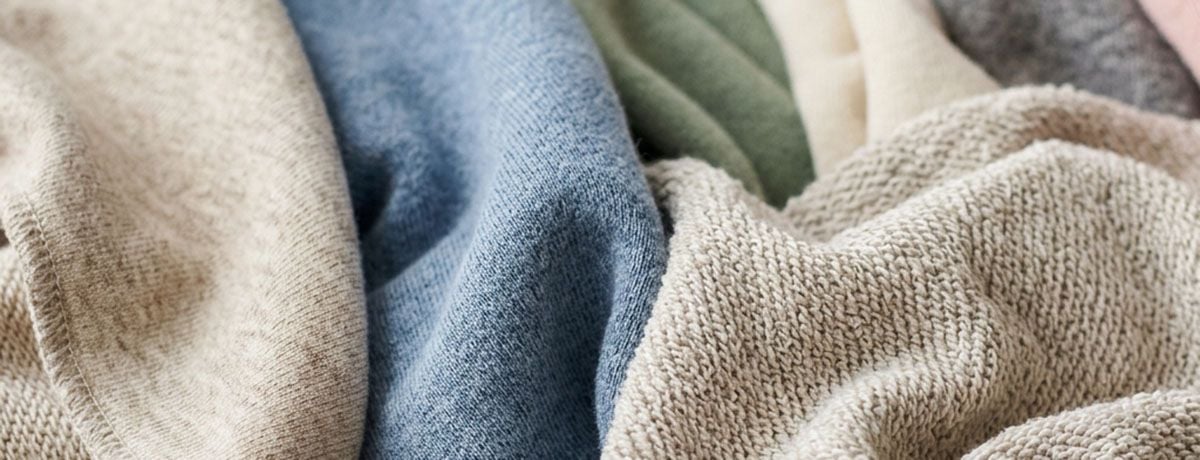
French terry is one of the most widely sourced fabrics in bulk apparel manufacturing, yet many buyers underspecify it-leading to inconsistent lots, unexpected shrinkage, and avoidable rejections. This guide covers the technical details, fiber options, quality benchmarks, and sourcing strategies that professional buyers and garment factory owners need to run stable french terry programs at scale.
Key Takeaways
-
French terry fabric is a circular knit with a smooth face and uncut loops on the back, making it a versatile knit fabric that sits between lightweight jersey and heavy sweatshirt fleece in both weight and warmth.
-
Cotton french terry is the preferred choice for midweight sportswear, loungewear, and kidswear, with standard GSM ranges of 220–380 for bulk production.
-
Fiber options-100% cotton, cotton/polyester, cotton/spandex, and eco-blends-should be selected based on end-use performance, cost targets, and market requirements.
What Is French Terry Fabric?
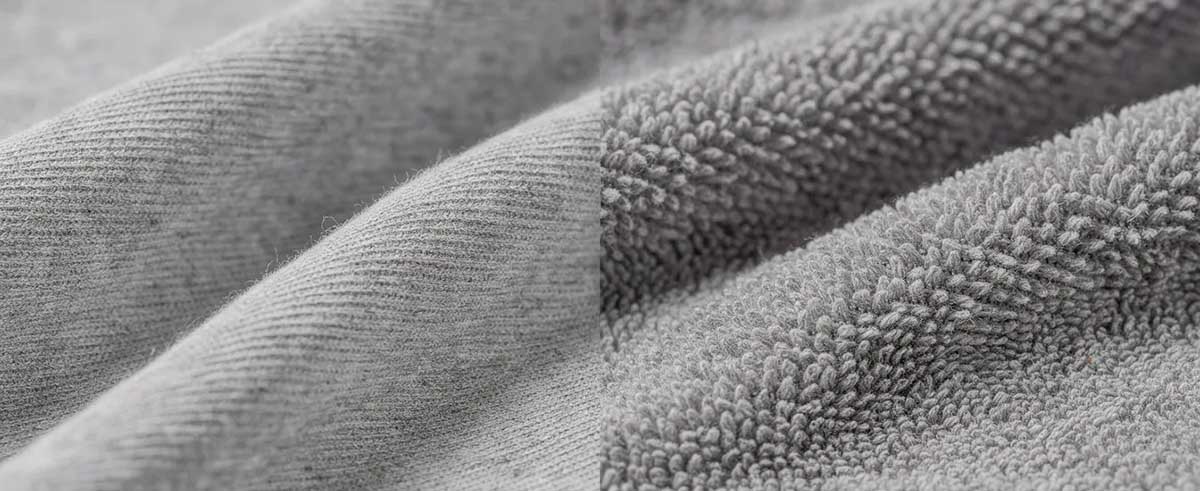
French terry is a circular-knit fabric distinguished by its smooth jersey exterior and soft, uncut loops on the inside. This loop structure traps air for warmth without excessive weight, making it soft and comfortable against the skin while maintaining a clean, smooth surface on the outside. French terry has loops on one side and a smooth surface on the other, which is the defining structural difference from other terry types.
Typical french terry for apparel falls between 220–380 GSM. It is heavier than traditional jersey fabric but lighter than fleece and less insulating. This positions it as a medium to heavy weight fabric that provides a middle ground between lightweight jersey and heavy fleece. The breathable structure prevents overheating, while soft loops on the inside deliver a soft hand that works across seasons-including summer layering and transitional weather.
French terry has natural stretch due to its knit construction and is naturally wrinkle-resistant. It can be made from cotton or blends; in industrial production, polyester and elastane, including four-way stretch woven blends for suits and trousers, are commonly added for improved dimensional stability and cost efficiency.
Bulk garments produced in french terry include hoodies, crew sweatshirts, joggers, shorts, casual dresses, pullovers, kids' sets, and light sportswear. From a B2B perspective, this terry fabric runs efficiently on garment lines, has predictable shrinkage when properly finished, and works across multiple age and gender segments-making it ideal for large-scale projects.
French Terry vs Terry Cloth vs Sweatshirt Fleece
All three are terry or pile-related constructions, but the difference in engineering determines their end uses and performance profiles in mass production.
|
Feature |
French Terry |
Terry Cloth |
Sweatshirt Fleece |
|---|---|---|---|
|
Loop structure |
Uncut loops on one side |
Loops on both sides |
Brushed/shredded loops |
|
Typical GSM |
220–380 |
300–500+ |
300–400+ |
|
Primary use |
Apparel (sportswear, loungewear) |
Towels, bathrobes, home textiles |
Winter-weight sweatpants, hoodies |
|
Breathability |
Moderate–high |
Low (dense absorbent) |
Lower than french terry |
Terry cloth features deep loops on both sides, engineered for high absorbency in towels and hotel textiles, not typically used for fashion garments. Sweatshirt fleece starts with a similar loop-back structure, but fleece fabric's yarn loops are shredded during manufacturing to create a fuzzy nap-warmer and heavier, but less breathable. French terry is less breathable than fleece fabric in certain airflow metrics due to its denser loop-back, yet the tight knit structure of french terry resists pilling better than brushed fleeces, and the loops in french terry absorb moisture and wick away sweat more effectively. Velour does not absorb water as readily as french terry, which further distinguishes these pile types.
Cotton French Terry and Blends: Fiber Options for Different Programs
Fiber selection directly affects fabric handfeel, cost per yard, performance in industrial laundering, and suitability for geographic markets.
-
100% cotton french terry: Breathable, skin-friendly, and preferred for baby and premium loungewear. Typical GSM for baby/kids is 220–280; adult programs often run 260–320. Downside: higher shrinkage (3–5%) and slower drying.
-
Cotton/polyester french terry (e.g., 60/40, 65/35): Cost-effective with improved dimensional stability, reduced shrinkage, and excellent color fastness-especially in black and dark shades. Its performance profile is similar to T/C 65/35 twill fabric for workwear. Widely used for teamwear, corporate uniforms, and mass athleisure.
-
Cotton/spandex (elastane) french terry (95/5 or 97/3): The standard for fitted joggers, gym wear, yoga sets, and women's tops, offering stretch and recovery. Buyers should specify desired stretch percentages and recovery rates.
-
Eco-blends: Bamboo/cotton or Tencel organic cotton french terry provide enhanced drape and softness. While higher in cost, they align with sustainable brand positioning for export buyers targeting the usa and EU markets, especially when sourced from a global garment accessories and fabrics manufacturer.
Applications by Market Segment: From Sportswear to Kidswear
French terry is popularly used for casual and athleisure clothing across multiple apparel categories. Fabric specs should be tuned to each segment.
-
Adult athleisure and sportswear: Hoodies, sweatshirts, joggers, sweatpants, shorts, and light track jackets in cotton/poly or cotton/spandex french terry. French terry garments are great for layering over workout clothes at the gym, and the fabric is suitable for casual and activewear. For outer layers and bottoms, brands often pair knit french terry with polyester spandex stretch woven fabric. It can also be used for dresses and cardigans in women's collections.
-
Kidswear and babywear: Soft, breathable cotton french terry (often 240–280 GSM) is ideal due to skin sensitivity and the need for easy care, machine-washable pieces that are durable through repeated laundering, often coordinated with checked uniform fabrics for school programs.
-
Corporate uniforms and promotional apparel: Stable, colorfast cotton/poly french terry is preferred for large volume runs where brands require consistent shades. Many buyers also specify poly cotton twill workwear fabrics or T/C 80/20 twill for durable uniforms in the same program. Suitable for school sports kits and corporate collection programs.
Bulk Sourcing Strategy: Working with a Make-to-Order French Terry Supplier
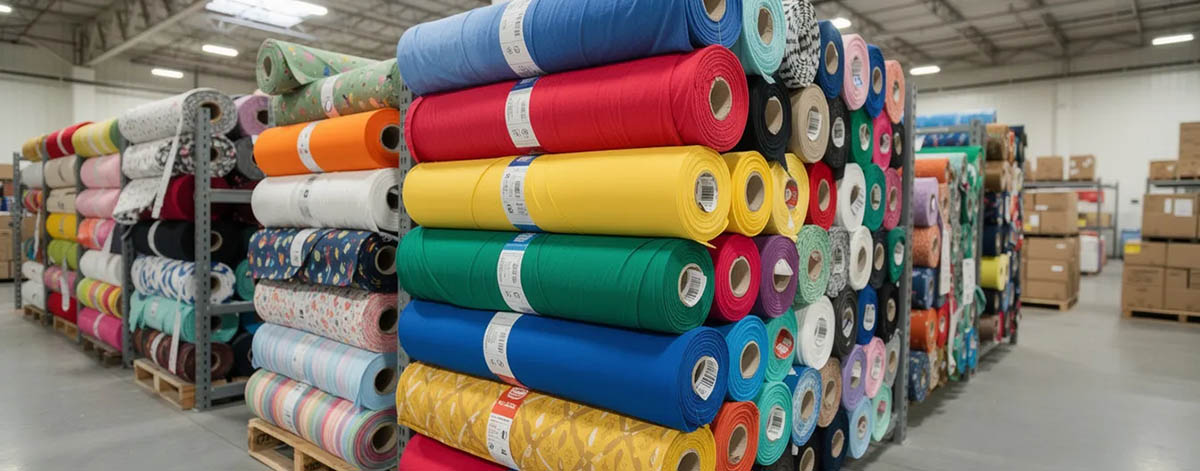
MH operates on a make-to-order basis, meaning all french terry is produced against confirmed orders and agreed specifications-we do not keep ready stock. This model lets buyers create custom programs rather than buy from generic inventories.
MTO benefits for B2B buyers include:
-
Custom GSM, width, fiber content, and color for each program, whether you are ordering circular knits like french terry or woven taffeta fabric for linings and outerwear
-
Alignment with brand-specific quality standards for multiple fabric categories, from knits to wholesale chiffon fabric for fashion collections
-
Better control over inventory risk and obsolescence across both apparel fabrics and coated Oxford fabric for bags and outdoor products
-
Coordination of knit body, matching rib, and trims within the same dye-lot, alongside woven TR suiting and uniform fabrics when needed in the same program
For recurring french terry programs, forecasting and capacity planning are essential. A reliable mill reserves production capacity and secures raw yarn materials to protect lead times, whether supplying knits or woven pongee and suiting.
MH's integrated manufacturing and trading model covers yarn sourcing, knitting, dyeing, and finishing, with proven export experience in global markets including Latin America and a portfolio that includes 170T polyester pongee lining fabric, 180T rainproof pongee fabric, and TTR 90/10 shiny suiting fabric.


FAQ: French Terry Fabric for Professional B2B Buyers
What care instructions should be specified for end-consumer labeling?
French terry is machine washable and easy to maintain. Wash french terry in cold water at low temperatures to preserve shape and color. Tumble dry french terry on low heat-never high. Avoid harsh chemicals like bleach on french terry. These care guidelines keep garments easy to clean and help maintain appearance across the product's lifespan.
What minimum order quantities (MOQs) are typical for make-to-order French terry?
MOQs are normally set per color and per fabric construction because yarn procurement, dyeing, and finishing are batch-based processes. While exact MOQs depend on GSM, fiber blend, and finishing, professional buyers should be prepared for commercial quantities aligned with bulk knitting and dyeing capacities. For ongoing programs, aggregating seasonal color volumes or consolidating similar constructions can help meet MOQs and achieve more favorable pricing.
Can I order matching rib or trims in the same cotton French terry program?
For hoodies, sweatshirts, pants, and joggers, it is common to source matching 1x1 or 2x2 rib for cuffs, neckbands, and waistbands alongside the main french terry body fabric.
