
What Is Jersey Cloth Material and Why Is It Widely Used in Global Garment Manufacturing?
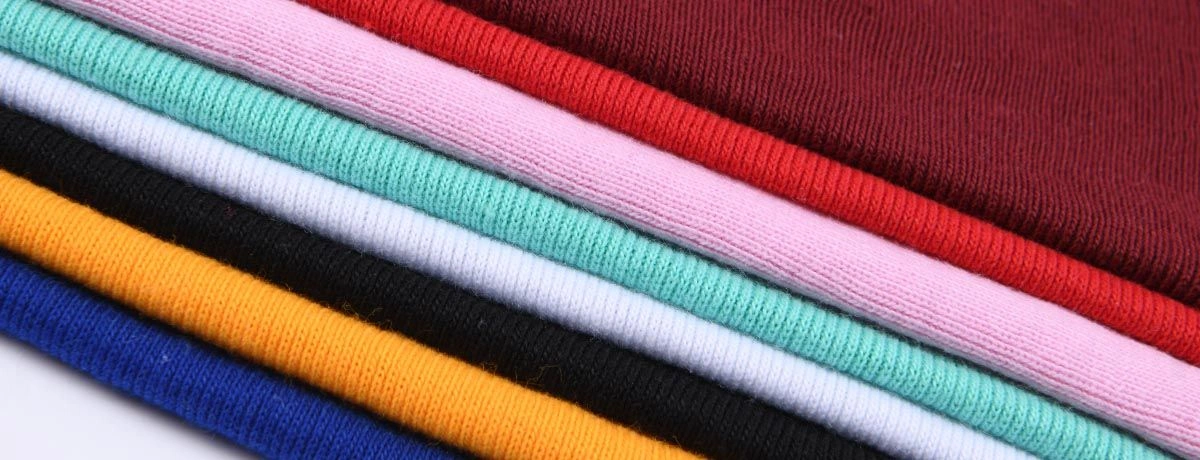
Jersey cloth material is a circular-knit fabric produced in weights from 140 to 260 GSM, used in 60–70% of mass-produced knitwear worldwide — from t-shirts and polos to sportswear and underwear. This guide covers the technical properties, seven commercial types, GSM ranges, applications, and B2B sourcing specifications buyers need to specify jersey fabric at scale.
For garment manufacturers, private-label brands, and textile distributors, jersey cloth material is the workhorse of casual and athleisure programs. The fabric's looped knit structure delivers natural stretch (typically 20–30% extension), softness against the skin, and efficient production on circular knitting machines — which is why it dominates the global knit-fabric market. The rest of this article breaks down what you need to know to specify, evaluate, and order jersey fabric in bulk.
What Is Jersey Knit Fabric Material?
Jersey cloth material is a single-knit fabric produced on circular knitting machines, characterized by a smooth face side (front) and a loopy, textured back. The structure is a weft knit — meaning a single continuous yarn is looped horizontally across the fabric — which gives jersey its signature stretch, recovery, and soft drape. The fabric was originally made from wool on the island of Jersey (Channel Islands) in the Middle Ages, but modern production uses cotton, polyester, rayon, and elastane blends on high-speed circular knitting machines.
Knitting Structure: Single vs Double Jersey
Single jersey uses one set of needles and produces a fabric with a distinct right and wrong side — the technical face is smooth, the back shows the knit loops. It is the most common construction, lightweight, and tends to curl at the edges when cut. Double jersey (also called interlock) uses two needle beds and produces a more stable, balanced fabric with similar appearance on both sides. Double jersey does not curl, has better recovery, and is typically 20–30% heavier at the same yarn count. For most B2B apparel programs, the choice between single and double jersey drives both production cost and end-use suitability.
Key Technical Properties for Garment Manufacturing
For sourcing managers and pattern makers evaluating jersey cloth material, these technical attributes directly determine sewing efficiency, garment performance, and end-customer satisfaction. The values below reflect typical industry ranges for commercially produced jersey fabrics; specific lots may vary based on yarn, GSM, and finishing.
Weight (GSM) and Composition
GSM (grams per square meter) is the single most important spec for jersey fabric — it determines opacity, drape, and application. Industry-standard ranges:
-
Lightweight single jersey: 140–160 GSM — promotional t-shirts, lightweight summer tops, layering pieces
-
Mid-weight single jersey: 160–200 GSM — standard retail t-shirts, casual tops, light polos
-
Heavy single jersey: 200–220 GSM — premium tees, heavier polos, structured casualwear
-
Interlock / double jersey: 180–260 GSM — polos, school uniforms, kidswear, structured knitwear
Stretch, Recovery, and Dimensional Stability
Jersey knit's natural mechanical stretch comes from the looped yarn structure, not from spandex. A 100% cotton single jersey typically delivers 20–30% extension in the cross-grain direction. Adding 3–5% elastane (Lycra) increases extension to 50–80% and dramatically improves recovery after stretching — critical for fitted garments, sportswear, and any application where shape retention matters. After-wash dimensional change (shrinkage) should be specified at ≤5% in both length and width for first-quality production; MH tests shrinkage per AATCC TM135 and ISO 6330 protocols.
Breathability, Moisture, and Hand Feel
Cotton-rich jerseys deliver air permeability of 200–300 mm/s (measured per ISO 9237), making them comfortable for direct-skin applications. Polyester jerseys wick moisture faster but feel less natural; that's why performance sportswear typically uses 100% polyester or poly-spandex blends with moisture-management finishes. The "hand feel" — how the fabric feels to the touch — depends on yarn quality (combed vs carded cotton), finishing (mercerized, bio-polished, peached), and GSM. For premium programs, MH offers combed-ring-spun cotton, mercerized finishes, and enzyme-wash treatments.
Types of Jersey Cloth Material Supplied by MH
MH supplies a full range of jersey constructions for different end-uses, price points, and market requirements as part of its broader garment accessories and tailoring materials supply business. The table below summarizes the seven commercial types most commonly ordered for B2B apparel programs.
|
Type |
Weight (GSM) |
Stretch |
Common Composition |
Primary Applications |
Price Tier |
|---|---|---|---|---|---|
|
Single Jersey |
140–200 |
20–30% (mechanical) |
100% cotton, 100% polyester, CVC |
T-shirts, lightweight tops, lining |
Economy |
|
Interlock / Double Jersey |
180–260 |
15–25% (mechanical) |
100% cotton, poly-cotton |
Polos, school uniforms, kidswear |
Mid |
|
Pique Knit |
180–240 |
10–20% |
100% cotton, poly-cotton |
Polo shirts, sportswear collars |
Mid |
|
Rib Knit (1×1, 2×2) |
160–260 |
50–80% (cross-grain) |
Cotton, cotton-spandex, polyester |
Cuffs, collars, waistbands, fitted tops |
Mid |
|
Single Jersey with Spandex |
160–220 |
50–80% (mechanical + spandex) |
95/5, 92/8 cotton-spandex |
Fitted tees, leggings, bodycon, athleisure |
Premium |
|
Mesh Jersey |
120–180 |
15–25% |
100% polyester, poly-spandex |
Sports jerseys, linings, ventilation panels |
Mid |
|
Slub / Textured Jersey |
140–200 |
20–30% |
100% cotton, cotton-linen blends |
Fashion tees, premium casualwear |
Premium |
The full product catalog — including the MH Jersey Fabric collection — covers additional specialty constructions (jacquard jersey, brushed-back fleece, thermal knit) available on request. Related constructions like interlock, rib knit, and 4-way stretch are documented on their respective product pages.
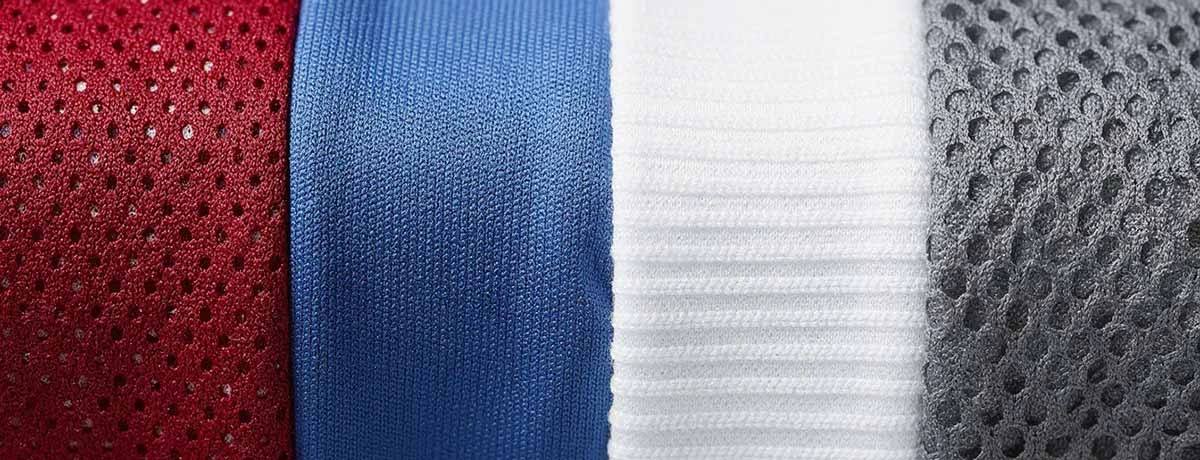
Single Jersey (140–200 GSM)
Single jersey is the foundational jersey construction — lightweight, breathable, cost-efficient, and produced on standard circular knitting machines. It is the workhorse of promotional and retail t-shirt programs globally. For buyers sourcing 100% cotton single jersey, MH uses ring-spun and combed cotton in counts from Ne 20s to Ne 30s, with the option of pre-shrunk, mercerized, or bio-polished finishing. Polyester single jersey (100% polyester filament) is the typical choice for sublimation printing and performance applications.
Interlock / Double Jersey (180–260 GSM)
Interlock is a double-knit construction that produces a thicker, more stable, and more opaque fabric than single jersey at the same yarn count. Both sides of the fabric have a smooth, finished appearance, which is why interlock is the go-to for polo shirts, school uniforms, infant wear, and any application where the inside of the garment is visible. The added yarn content makes interlock 20–30% more expensive per meter than single jersey, but its dimensional stability and opacity reduce cutting waste in production.
Pique, Rib, Mesh, and Specialty Knits
Pique features a textured waffle or honeycomb surface, used predominantly for polo shirts. Rib knit (1×1, 2×2) has visible vertical ribs and exceptional cross-grain stretch, used for cuffs, collars, and form-fitting garments. Mesh jersey uses an open knit structure for ventilation in sports jerseys and linings. Slub jersey uses intentionally uneven yarn to create a textured, fashion-forward appearance. All four are stocked or made-to-order in MH's production line.
🤔 Not sure which type fits your program? Send your tech pack or target end-use to sales@mh-chine.com. Our salesman will recommend the right construction, GSM, and fiber composition for your application — no obligation, no sample fee for evaluation orders.
Applications of Jersey Cloth Material by End-Use and GSM
Jersey cloth material is used across virtually every category of knit apparel. The relationship between GSM, composition, and application is well established in commercial production:
T-Shirts, Polos, and Casualwear
Lightweight single jersey (140–160 GSM) is the foundation of promotional t-shirts, event merchandise, and basic retail tees. Mid-weight single jersey (160–180 GSM) is the standard for retail-grade t-shirts where opacity and drape matter. Pique knit (200–220 GSM) is the workhorse for polo shirts, while polyester options such as Super Poly fabric (Sportock) for sports and casual wear support higher-performance polo and casual programs. MH's t-shirt customers include private-label brands, promotional product distributors, and uniform suppliers serving retail, corporate, and education markets.
Sportswear, Athleisure, and Performance Wear
Polyester and poly-spandex jerseys (160–220 GSM) power football jerseys, running tops, training shirts, yoga apparel, and activewear, often paired with 93% polyester 7% spandex stretch woven fabric for coordinated bottoms or outer layers. These fabrics are a popular choice for durable workout clothing items because synthetic fibers handle moisture well. For performance applications, MH offers moisture-wicking finishes, anti-microbial treatments, and UV protection (UPF 50+ on request). Sublimation-printable polyester jersey is stocked in white and light colors for custom teamwear programs. For comparison, the related mesh fabric category is typically used for linings and ventilation panels in sportswear, while lightweight wholesale chiffon fabric for dresses, shirts, and linings can complement jersey in fashion and event collections.
Underwear, Kidswear, and Loungewear
For clothing and other next-to-skin applications, buyers should specify combed cotton, OEKO-TEX Standard 100 certified yarn, and a soft finishing treatment. MH supplies 100% cotton single jersey in 140–160 GSM for underwear and pajama programs, with options for enzyme washing, peaching, and silicone softening to enhance hand feel. The same soft, breathable jersey is also used in bedding, especially jersey sheets and pillowcases. Kidswear and infant apparel typically use 180–220 GSM interlock for durability through repeated laundering, and many school programs combine these knits with specialized school uniform fabrics for shirts, trousers, and outer layers.
Branded Uniforms and Promotional Apparel
School uniforms, corporate uniforms, hospitality apparel, and occasional promotional programs such as dresses or skirts typically use mid-weight single jersey (180–200 GSM) or interlock (200–240 GSM) when softer jersey constructions are preferred, balancing durability with shape retention, often alongside durable TC 65/35 twill fabric for woven uniform pieces. For polo and oxford-shirt programs, MH produces pique and jersey blends in custom colors with Pantone matching and can match rib knit fabric polo shirt collars for coordinated trims. Lead times for custom color development are typically 15–25 days from lab dip approval, depending on quantity and finish.
Why Source Jersey Fabric from MH?
MH is a Ningbo-based textile manufacturer and exporter with 25+ years of knit fabric production, supplying garment factories, brand importers, and textile distributors in 150+ countries. The company's jersey program is built for B2B wholesale at scale.
MH supports custom fiber compositions, GSM targets, fabric widths (tubular 180 cm or open 150 cm), and color matching to Pantone TPX/TCX standards. Lab dip development typically takes 5–7 days; bulk production begins after client approval. OEM processing — where MH produces to a buyer-supplied specification — is standard for all major jersey types. For buyers sourcing for specific programs like school uniforms or branded sportswear, MH's OEM service handles tech-pack-driven development from yarn sourcing through finished-roll delivery, with compatible wholesale industrial sewing threads available to support end-to-end garment production.
Frequently Asked Questions
What is the difference between single jersey and interlock?
Single jersey is knit on one set of needles, producing a fabric with one flat side and one piled side that curls at the edges. Interlock is a double-knit construction using two needle beds, producing a thicker, more stable fabric that looks similar on both sides and does not curl. Interlock is heavier (typically 180–260 GSM vs 140–200 GSM for single jersey) and more opaque, making it suitable for polos, school uniforms, and infant wear.
Is jersey fabric suitable for hot climates?
Yes. Cotton and cotton-rich jerseys deliver air permeability of 200–300 mm/s, making them well suited to hot and humid climates. Lightweight single jersey (140–160 GSM) is the preferred choice for summer programs in Africa, the Middle East, South Asia, and Latin America. Polyester jerseys wick moisture faster but feel less natural; the choice depends on whether the buyer prioritizes comfort (cotton) or performance (polyester).
What is the minimum order quantity for jersey fabric?
MOQ depends on construction and customization. For stocked colors in standard GSM ranges, MOQ is typically 1,000 kg (roughly 3,000–4,000 meters depending on GSM). For custom colors, custom GSM, or custom finishes, MOQ is typically 3,000 kg. Sample yardage (1–5 meters), including a sample yard, is available for evaluation orders to test the fabric before committing to bulk production, and MH can coordinate matching 100% spun polyester sewing threads from its sewing thread factory for bulk programs.
What certifications does MH jersey fabric carry?
MH's manufacturing facilities are ISO 9001:2015 certified for quality management. OEKO-TEX Standard 100 certification is available for jersey fabric destined for infant wear, underwear, and direct-skin applications — typical lead time is +10–15 days for OEKO-TEX certified lots. GOTS certification for organic cotton jersey is available on request. Third-party inspection by SGS, Intertek, or Bureau Veritas can be arranged at the buyer's request for any order, including orders that pair jersey fabrics with 50/2 100% polyester core spun sewing thread for outdoor or fashion garments.
Ready to Source Jersey Cloth Material?
Please contact Ningbo MH.