
What Is Machine Embroidery Thread and How Is It Used in Industrial Embroidery?
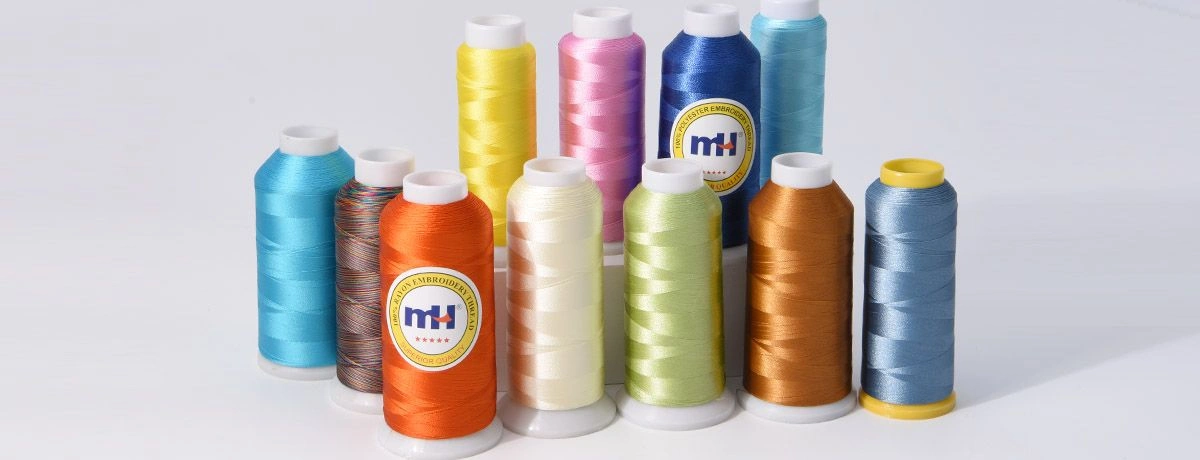
Machine embroidery plays a vital role in modern textile decoration. From fashion garments and workwear to caps, bags, and home textiles, embroidery adds branding, durability, and visual appeal. At the center of every embroidery project is machine embroidery thread, a specialized thread designed for high-speed embroidery machines.
For manufacturers, embroidery factories, and textile wholesalers, choosing the right industrial embroidery thread can significantly affect production efficiency, embroidery quality, and product life. This guide explains everything B2B buyers need to know about embroidery thread types, materials, spools, applications, and how to choose the ideal supplier.
What Is Machine Embroidery Thread
Machine embroidery thread is a specially engineered thread used in computerized embroidery machines. Unlike ordinary sewing thread, embroidery thread is optimized for decorative stitching and high-speed machine performance. Common embroidery threads are usually made of polyester or viscose (rayon).
Industrial embroidery machines may run at 600–1200 stitches per minute, which requires thread with stable tension, smooth surface, and strong durability, such as wholesale 120D/2 polyester embroidery thread.
High-quality embroidery thread offers several important benefits:
-
Smooth running on industrial embroidery machines
-
Strong tensile strength to reduce thread breaks
-
Excellent colorfast performance after washing
-
Bright colors and consistent shades
-
Reduced fraying during embroidery settings
Using the right machine embroidery thread allows you to embroider designs that enhance the appearance and texture of embroidery work, making finished embroidered designs more attractive.
For embroidery factories producing large volumes of embroidered garments, thread consistency and stable supply are critical. Rayon threads are softer than polyester threads but may not be as durable.
Types of Embroidery Thread
Different embroidery designs and embroidery projects require different thread types. The most common machine embroidery thread types include polyester, rayon, metallic threads, and cotton thread.
Polyester Embroidery Thread
Polyester embroidery thread is the most widely used industrial embroidery thread in the textile industry.
Advantages include:
-
High durability and long product life
-
Excellent colorfast performance after washing
-
Resistance to chemicals and bleaching
-
Ideal for high-speed industrial embroidery machines
-
Cost-effective for large production orders
Because of its durability, polyester thread is commonly used for workwear, uniforms, sportswear, and outdoor garments, and heavy-duty applications may also rely on high tenacity polyester sewing thread for seams and structural stitching.
Rayon Embroidery Thread
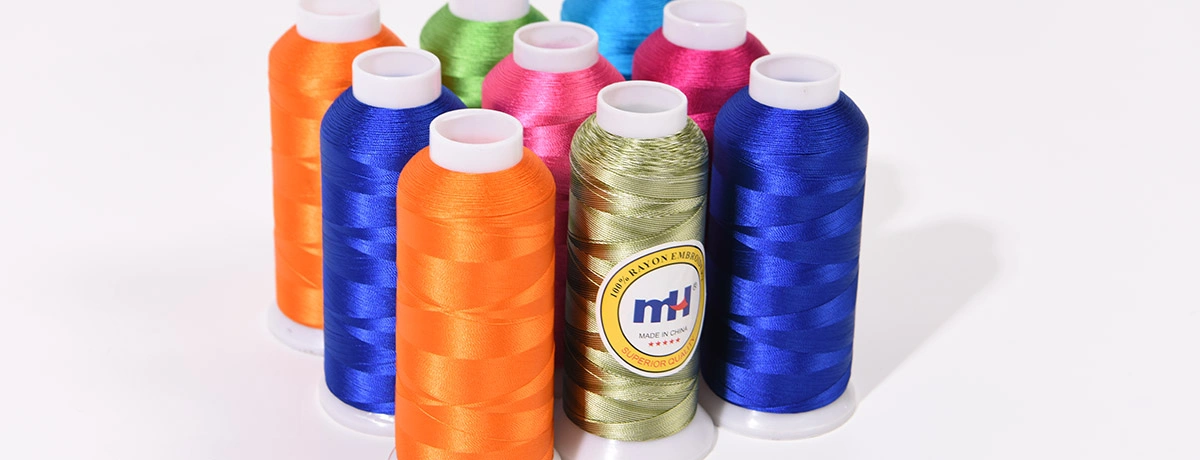
Rayon embroidery thread is valued for its smooth texture and beautiful shine.
Key features:
-
Elegant glossy appearance
-
Soft stitching effect
-
Ideal for decorative embroidery designs
Rayon thread is often used for fashion embroidery, but it is slightly less durable than polyester thread.
Metallic Threads
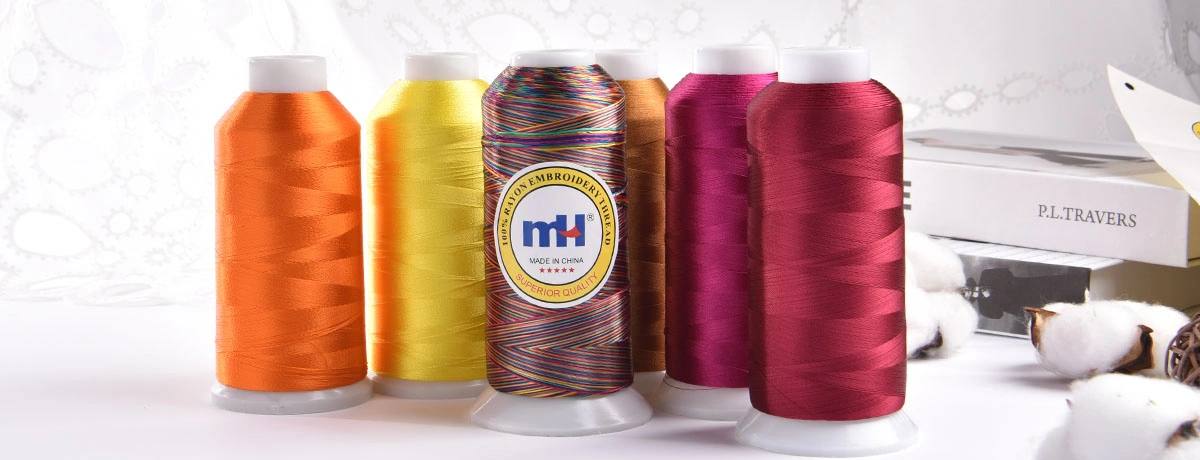
Metallic threads are decorative embroidery threads used for luxury and festive embroidery.
Characteristics include:
-
Metallic shine
-
Decorative visual effects
-
Used for logos, fashion embroidery, and premium garments
Metallic threads typically consist of a polyester core wrapped with metallic foil.
Cotton Embroidery Thread
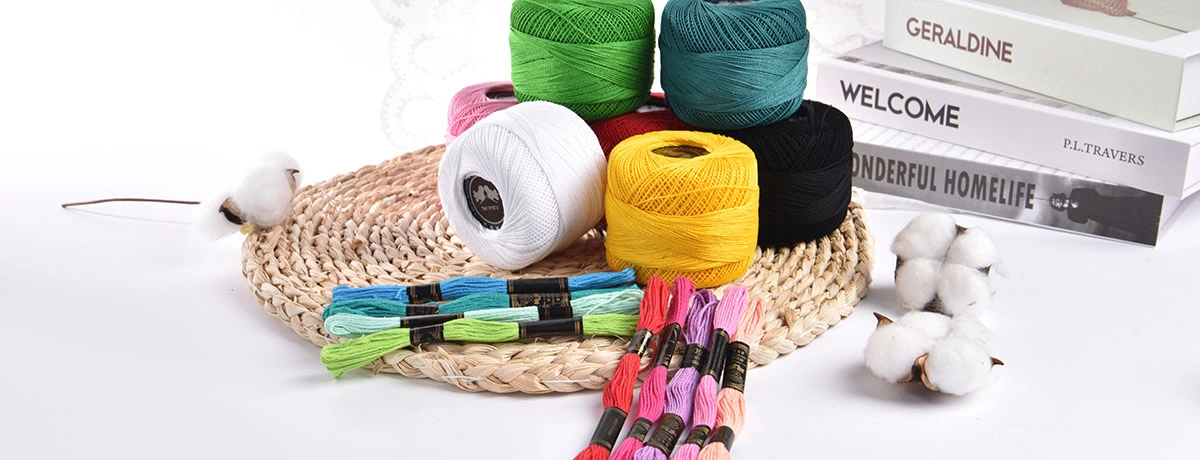
Cotton thread offers a natural matte appearance and is commonly used for traditional embroidery projects or eco-friendly textile products, complementing the range of industrial sewing thread options used for construction seams.
Materials of Embroidery Thread
The material used in machine embroidery thread affects strength, appearance, and durability.
Polyester
Polyester is the most popular material for industrial embroidery thread. It provides excellent strength, durability, and color stability. Polyester threads maintain their brightness even after repeated washing.
Rayon
Rayon thread is known for its silky finish and vivid color effect, making it ideal for decorative embroidery.
Cotton
Cotton thread offers a natural fiber alternative suitable for environmentally friendly embroidery products.
Metallic Fiber
Metallic threads combine decorative metallic film with a polyester core to achieve unique embroidery designs.
Embroidery Thread Specifications
Understanding embroidery thread specifications helps buyers select the right thread for their embroidery machines.
Thread Count
Thread count indicates the thickness and strength of embroidery thread.
Common industrial specifications include:
-
120D/2
-
150D/2 – for example, 150D/2 rayon thread for embroidery
-
300D/3
Finer threads are used for delicate embroidery designs, while thicker threads provide stronger stitching for heavy fabrics, and specialized MH embroidery thread factory products cover this full range of specifications.
Thread Spools
Industrial embroidery thread is usually packaged on large spools to support continuous production.
Typical spool sizes include:
-
3000m spools
-
4000m spools
-
5000m spools
Larger spools help reduce machine downtime and improve production efficiency.
Color Options
Professional embroidery thread suppliers offer a wide variety of colors to meet different embroidery needs. Many suppliers provide hundreds or even thousands of color options to match customer designs.
Color consistency is essential for large orders to ensure uniform embroidery results.
Applications of Machine Embroidery Thread
Machine embroidery thread is used in many industries and product categories.
Garment Embroidery
Embroidery thread is widely used for garment branding and decoration, including:
-
Fashion clothing
-
Jackets
-
T-shirts
-
Sportswear
Uniforms and Workwear
Durable polyester embroidery thread is commonly used for embroidered logos on uniforms and workwear.
Promotional Products
Embroidery is widely used for branding promotional items such as:
-
Caps
-
Bags
-
Towels
Home Textile Applications
Embroidery thread is also used in home textile products including:
-
Bedding
-
Cushions
-
Curtains
These applications require embroidery threads with strong colorfastness and durability.
How to Choose the Right Embroidery Thread
When sourcing machine embroidery thread, B2B buyers should consider several factors.
Thread Strength
Strong thread reduces machine breaks and improves production efficiency.
Colorfast Performance
High-quality thread maintains bright colors even after washing and long-term use. Thanks to colorfast dyes, machine embroidery threads can be washed repeatedly without fear of color fading or bleeding. Polyester embroidery threads are especially colorfast and can be washed up to 95°C without losing color.
Consistent Quality
Uniform thread structure prevents fraying and ensures smooth embroidery.
Machine Compatibility
Embroidery thread should run smoothly on major industrial embroidery machines such as:
-
Tajima
-
Barudan
-
Brother
-
SWF
Stable Stock and Supply
Reliable suppliers maintain large stock and offer fast delivery for bulk buyers, particularly when sourcing wholesale sewing threads alongside embroidery materials.
Industrial Embroidery Thread Supplier – Ningbo MH
Choosing a reliable supplier is essential for embroidery factories and textile wholesalers.
Ningbo MH is a global supplier specializing in garment accessories and tailoring materials. With over two decades of experience, MH supplies high-quality machine embroidery thread to customers worldwide. The machine embroidery thread collection features high-quality polyester thread in a variety of colors. It is designed for high-speed operation and boasts exceptional shine and tensile strength, making it ideal for demanding embroidery applications. The collection includes over 200 different colors to enhance embroidery projects of any scale. For those seeking cotton options, DMC machine embroidery thread is 100% cotton, highly mercerized for a silky-smooth texture, and available in a variety of colorfast and fade-resistant colors. The New brothread polyester embroidery thread kit includes 40 colors, with each spool containing 500 meters of thread.
Advantages of MH embroidery thread include:
-
Large-scale production capacity
-
Stable color consistency across batches
-
Wide variety of colors and thread types
-
Reliable stock for bulk orders (items marked as 'sold' indicate out-of-stock or purchased status)
-
Competitive wholesale pricing (compare the original price with current discounts for added value)
MH produces premium polyester embroidery thread, rayon thread, and metallic threads suitable for industrial embroidery machines and large embroidery projects, and also operates an MH sewing thread factory for 100% spun polyester threads. When changing threads or performing maintenance, always remove the thread spool from the machine or spool holder to prevent tangling or breakage. Additional resources and guides on embroidery techniques and machine adjustments can be found for further details.
Today, MH products are exported to more than 150 countries, serving garment manufacturers, embroidery factories, wholesalers, and textile distributors around the world, many of whom source wholesale 40/2 spun polyester sewing threads in addition to embroidery thread.


Conclusion
Machine embroidery thread is an essential material for industrial embroidery production. Choosing the right embroidery thread improves embroidery quality, reduces machine downtime, and extends product life.
Among different types of embroidery thread, polyester embroidery thread remains the most popular option because of its durability, colorfastness, and cost efficiency.
For businesses looking for reliable industrial embroidery thread suppliers, companies like Ningbo MH provide stable quality, large stock availability, and competitive pricing for global B2B buyers.
