
How Should B2B Buyers Choose Mini Matt Fabric for Workwear?
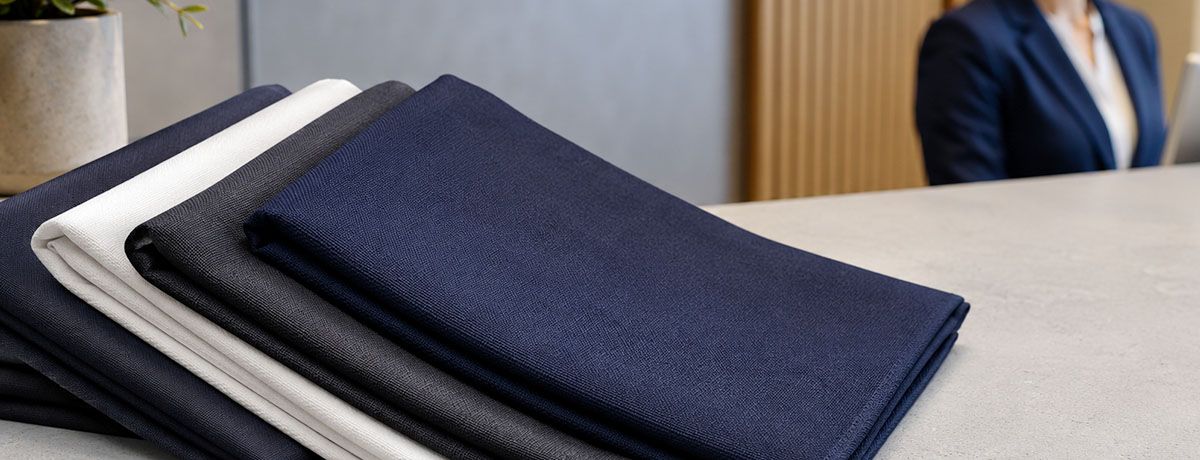
Introduction: The Fabric Decision That Shapes Your Uniform Program
Choosing the wrong fabric for a workwear program is an expensive mistake. Uniforms that wrinkle after one shift, fade after ten washes, or pill under daily wear erode brand image and drive up replacement costs. For procurement managers, garment manufacturers, and uniform brands sourcing at scale, fabric selection is not an aesthetic decision — it is a supply chain and quality risk decision.
Mini matt fabric for workwear has become the specification of choice for buyers who need to solve these problems consistently across large order volumes. It is used in corporate offices, hotel front desks, hospital wards, security teams, and industrial facilities worldwide — not because it is trendy, but because it performs.
Mini matt fabric for workwear is specified by procurement teams across corporate, hospitality, healthcare, and security sectors because it solves the three most common uniform failures: wrinkling after a single shift, color fading across wash cycles, and surface wear that degrades professional appearance within months of deployment.
Quick Recommendation
If you need a single fabric that delivers professional appearance, low-maintenance durability, and consistent color retention at scale — mini matt polyester or polyester-viscose blends are the most reliable choice for workwear uniforms.
For B2B buyers sourcing uniform fabric at scale, mini matt polyester or polyester-viscose blends deliver the most reliable combination of professional appearance, wrinkle resistance, and commercial laundry durability — making them the default specification for front-of-house workwear programs across industries.
What Is Mini Matt Fabric?
Mini matt fabric is a plain weave or modified plain weave textile characterized by a subtle, fine ribbed texture created by using slightly thicker yarns in one or both directions of the weave. The result is a fabric with a matte surface, minimal sheen, and a structured drape that closely resembles a suiting fabric without the weight or cost of traditional wool blends; as a polyester-based type, it is also valued for high strength and durability.
The name "mini matt" (also written as minimatt or mini-matt) refers to the small, uniform texture visible on the fabric surface — distinctly different from the bolder texture of a full ottoman or rib weave.
Mini matt fabric is a modified plain weave textile, typically constructed from 100% polyester or a 65/35 polyester-viscose blend, weighing 180–280 gsm. Its defining characteristic is a fine, flat ribbed surface texture that mimics suiting fabric while offering superior wash durability and minimal maintenance requirements compared to natural fiber blends.
Mini Matt Fabric Specifications
|
Property |
Typical Specification |
|---|---|
|
Fiber Composition |
100% Polyester / Polyester-Viscose (65/35 or 70/30) |
|
Weave Structure |
Plain weave / modified matt weave |
|
Weight (GSM) |
180–280 gsm (workwear range: 200–240 gsm) |
|
Fabric Width |
145–150 cm (standard roll width) |
|
Color Options |
Dyeable to full Pantone range; solid colors standard |
|
Finish |
Anti-wrinkle, anti-pilling, easy care |
|
Care Instructions |
Machine wash 30–40°C, tumble dry low, minimal ironing |
|
Available Certifications |
OEKO-TEX Standard 100, ISO 9001 (supplier-dependent) |
The 200–240 gsm range is the sweet spot for most workwear applications: substantial enough to drape and hold structure, light enough for all-day wear comfort. Buyers also often confirm the fabric type through custom specifications such as denier, color, and treatment type.
What Makes Mini Matt Fabric Right for Workwear?
For procurement teams that need more technical details on specifications, certifications, and customization options, MH also supplies high-quality 100% polyester mini matt fabric wholesale suitable for a wide range of workwear garments.
Mini matt's adoption in the workwear sector is driven by a combination of functional properties that meets different workwear needs at the same price point:
-
Wrinkle resistance: The polyester content provides inherent shape recovery, meaning garments look presentable at the end of a shift, not just the start
-
Dimensional stability: Minimal shrinkage after repeated washing — critical for uniform programs where fit consistency matters
-
Color retention: Polyester dyes with high wash and light fastness ratings, typically 4–5 on the ISO grey scale
-
Durability: Excellent resistance to wear and tear under daily use, including abrasion, pilling, and snagging in typical office and light industrial conditions
-
Easy care: Suitable for commercial laundry processes; does not require dry cleaning
-
Consistent surface: The fine matt texture conceals minor soiling and surface wear better than smooth, high-sheen fabrics
-
Versatile construction: Cuts and sews cleanly; compatible with most industrial sewing processes and seam types
-
Breathability (blend): Suitable constructions can provide moisture-wicking, quick drying performance, and better airflow for warmer climates, while polyester-viscose blends add some moisture absorption absent from 100% polyester constructions
Mini matt polyester fabric achieves wash fastness ratings of 4–5 on the ISO grey scale, meaning color remains stable across repeated commercial laundry cycles. Its modified plain weave structure provides inherent shape recovery after washing — eliminating dry cleaning requirements in most workwear applications and reducing the per-garment maintenance cost over a 2–3 year uniform lifecycle.
Which Industries Use Mini Matt Fabric for Workwear?
If you need detailed product data or specific constructions for each use case below, MH’s dedicated mini matt fabric for uniforms and workwear range covers multiple weights, colors, and finishes.
Mini matt fabric is not a single-use textile. Its neutral surface and broad color range make it appropriate across sectors where professional appearance and wash durability are non-negotiable.
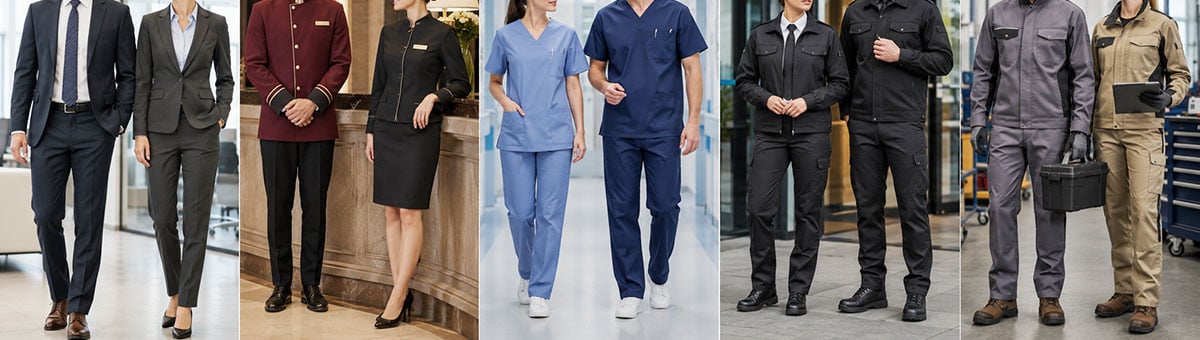
Mini matt fabric is actively specified across five primary workwear sectors — corporate office uniforms, hospitality front-of-house, healthcare administration, security enforcement, and light industrial field service. In each case, it replaces higher-maintenance natural fiber blends without compromising the professional appearance standards required for customer-facing and branded uniform programs.
Corporate and Office Uniforms
Front-of-house staff, receptionists, cabin crew, and branded customer-service teams are the core use case for mini matt in suiting weights (220–240 gsm). The fabric holds a tailored silhouette through a full working day and does not require the maintenance overhead of natural fiber blends. For corporate uniform programs that phase orders over months or years, mini matt's batch-to-batch color consistency ensures later reorders match the original specification precisely.
Common garments: Blazers, waistcoats, tailored trousers, skirts, coordinated two-piece uniforms
Hospitality and Hotel Uniforms
Hotels, restaurants, and event venues need uniforms that survive commercial laundry cycles while looking presentable to guests. Mini matt's color retention and low-maintenance care profile make it the default specification for front-of-house hospitality uniforms globally. Hospitality buyers may also request a water repellent finish for uniforms exposed to spills and frequent service use. The fabric's matte surface reads as refined without requiring the fragility of premium natural weaves.
Common garments: Front desk uniforms, concierge jackets, housekeeping tunics, restaurant server uniforms, and tablecloths, as well as occasion-specific pieces that may incorporate lightweight chiffon fabric for dresses and scarves
Healthcare and Medical Workwear
Healthcare workwear demands fabrics that withstand frequent high-temperature washes, resist staining, and dry quickly. Lighter-weight mini matt constructions (180–200 gsm) are used for administrative, reception, and clinical management roles where scrub fabrics are not required, providing a professional appearance appropriate for patient-facing environments.
Common garments: Administrative tunics, clinic reception uniforms, management workwear, often branded with logos using high-quality embroidery thread in extensive color ranges
Security and Enforcement Uniforms
Security uniforms require a professional, authority-signaling appearance combined with practical durability. Mini matt polyester delivers both: the structured surface reads as formal, and the fabric tolerates the physical demands of security work — including extended outdoor shifts and frequent laundering — better than natural fibers.
Common garments: Security jackets, patrol trousers, event staff uniforms
Light Industrial and Field Service
For more demanding outdoor or equipment-heavy roles, some buyers pair mini matt garments with durable waterproof Oxford fabrics for bags, outer shells, and protective accessories.
For field technicians, site managers, and branded industrial teams, mini matt blends provide a step up from standard workwear fabrics in professional appearance without sacrificing wash durability or ease of manufacture. Some programs also source this fabric in recycled polyester constructions for teams with eco-focused procurement requirements. The fabric performs in environments where uniforms are laundered frequently and need to retain shape across a full working week.
Common garments: Company-branded outerwear, site manager uniforms, field service sets, branded field-service bag
How Does Mini Matt Compare to Other Workwear Fabrics?
Understanding how mini matt compares to the most common alternatives helps procurement teams make a defensible fabric specification decision.
In direct comparison, mini matt outperforms polyester twill in surface refinement and professional appearance, and outperforms wool gabardine in wash durability and total maintenance cost. For B2B workwear programs requiring commercial laundry compatibility across multiple garment types, mini matt is the only fabric category that satisfies professional appearance, durability, and operational cost criteria simultaneously.
|
Property |
Mini Matt |
Polyester Twill |
Gabardine |
|---|---|---|---|
|
Texture / Surface |
Fine, flat matt with subtle rib |
Diagonal weave, moderate sheen |
Tight diagonal, can have sheen |
|
Wrinkle Resistance |
Excellent |
Good |
Moderate (wool blends) |
|
Professional Appearance |
High — neutral, formal |
Good but less refined |
High — traditional suiting look |
|
Durability |
High |
High |
Moderate (wool blends wear faster) |
|
Wash Performance |
Excellent — commercial washable |
Good |
Requires care (especially wool) |
|
Weight Range |
180–280 gsm |
150–280 gsm |
200–350 gsm |
|
Cost (fabric) |
Competitive |
Low-moderate |
Higher (esp. wool blend) |
|
Color Range |
Full Pantone range |
Full range |
Limited in poly; full in wool |
|
MOQ Flexibility |
Flexible with right supplier |
Widely available |
Higher MOQs common |
|
Best For |
All-sector workwear, formal + hospitality |
Budget workwear, industrial |
Traditional corporate, tailoring |
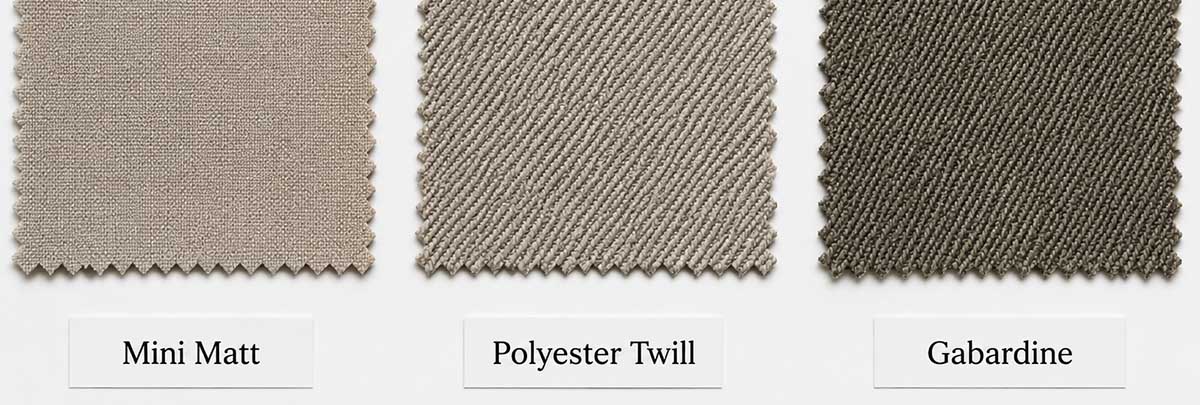
Verdict: Polyester twill is lower cost but lacks the refined surface texture required for front-of-house and premium corporate applications. Gabardine in wool blends offers a premium look but requires higher maintenance and budget. Mini matt occupies the optimal middle ground for the majority of B2B workwear programs.
Why Source Mini Matt Fabric from MH?
As part of the wider Ningbo MH group, a global supplier of garment accessories and tailoring materials, MH’s mini matt program benefits from integrated production, logistics, and quality systems.
MH is a professional fabric supplier specializing in workwear and uniform textiles, with a supply chain built for the demands of B2B bulk sourcing and wholesale programs. Unlike distributors and trading companies, MH works directly with procurement teams, garment manufacturers, and uniform brands to support different customer needs through direct development support — which means supplier-direct pricing, direct technical communication, and clear accountability on every order.


MH supplies mini matt fabric directly to garment manufacturers and uniform brands, offering GSM customization across 180–280 gsm, full Pantone color matching, OEKO-TEX Standard 100 certification, and flexible MOQ structures.
-
Competitive MOQ: Flexible minimum order quantities suitable for both initial sampling programs and high-volume production runs — designed to accommodate uniform brands at any stage of scale
-
Custom color matching: Full Pantone color matching service for branded uniform programs requiring precise color specification, with sample dyeing available before bulk commitment
-
Pattern design support: Customization can also include pattern design for mini matt fabric and related accessories, and coordination with polyester-spandex stretch woven fabrics where additional flexibility or movement is required, giving buyers more variety for uniform development
-
GSM customization: Mini matt constructions available across the 180–280 gsm range to match specific garment and climate requirements, alongside T/C 65/35 twill fabric for workwear when programs require a polyester-cotton blend alternative
-
Quality certification: Products available with OEKO-TEX Standard 100 certification; ISO 9001 quality management processes applied throughout production, with related T/C 80/20 twill workwear fabrics produced under the same management system
-
Fast lead time: Streamlined production scheduling supports time-sensitive uniform program launches and seasonal reorders, with shipping coordination for bulk orders, supported by MH’s global sewing thread manufacturing and supply network
-
Technical support: Fabric samples, technical data sheets, and sewing specifications are provided to support customers, including guidance on pairing mini matt with 40/2 100% spun polyester sewing threads, with continuous effort to improve fabric performance and service
Request a Sample or Get a Quote
If you are evaluating mini matt fabric for an upcoming workwear program, the most efficient next step is to request a fabric sample pack.
Include your target GSM, color requirements, and estimated annual volume for the fastest response.
Frequently Asked Questions
Is mini matt fabric good for uniforms?
Yes. Mini matt is one of the most widely specified fabrics for corporate, hospitality, and security uniforms globally. Its combination of wrinkle resistance, color retention, durability, and suitability for commercial laundry makes it well-matched to the practical demands of workwear programs at any scale.
What GSM is mini matt fabric for workwear?
Workwear applications typically use mini matt in the 200–240 gsm range. Lighter weights (180–200 gsm) suit summer or tropical climate uniforms; heavier weights (240–280 gsm) suit structured suiting and outerwear. The 220 gsm construction is the most common all-season workwear specification.
How does mini matt differ from standard polyester fabric?
Mini matt is a specific weave structure — the modified plain weave creates a subtly textured, matte surface that gives the fabric a more refined, suiting-like appearance compared to smooth or high-sheen polyester weaves. This surface quality is why mini matt is preferred over plain polyester for front-of-house and corporate uniform applications.
Can mini matt fabric be custom colored for branded uniforms?
Yes. Mini matt polyester and polyester-viscose blends can be dyed across the full Pantone color range. Custom color matching is standard for B2B uniform programs where brand color compliance is required. Sample dyeing and color approval processes are available before bulk production commitment.
