
Mini Matt Fabric vs Gabardine Fabric: Which One Fits Your Project?
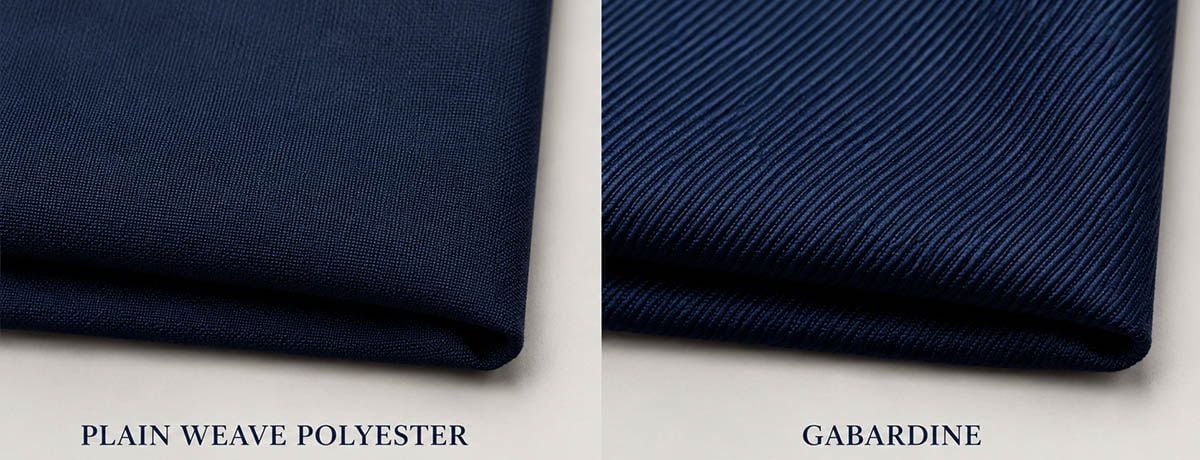
Choose mini matt when you need an affordable, low-maintenance, wrinkle-resistant polyester for workwear, uniforms, tablecloths and hospitality textiles. Choose gabardine when you need a structured, crisp-creasing twill for tailored trousers, blazers, coats and formal uniforms. The core difference is the weave: mini matt is a flat plain weave, while gabardine is a diagonal twill.
Both fabrics are staples in the uniform and workwear supply chain — and they're often quoted side by side because many mills weave both from 100% polyester DTY yarn. But they behave very differently once they're cut and sewn. This guide breaks down weave, weight, texture, durability, care and price so you can spec the right one with confidence.
Mini Matt vs Gabardine at a Glance
|
Property |
Mini Matt Fabric |
Gabardine Fabric |
|---|---|---|
|
Weave structure |
Plain (1/1) or modified plain weave — fine, uniform matt grid |
Tightly woven twill with distinct diagonal ribs |
|
Fiber |
Usually 100% polyester (also poly-viscose blends) |
Originally worsted wool; now also polyester, cotton, viscose and blends |
|
Weight (GSM) |
~160–300 gsm (workwear typically 200–240) |
~200–350 gsm (medium to mid-heavy suiting weight) |
|
Texture & hand |
Matte, flat, fine subtle texture; smooth but not glossy |
Smooth diagonal rib; structured, refined hand with slight crispness |
|
Drape |
Moderate, practical drape |
Structured drape that holds a sharp crease |
|
Breathability |
Moderate; limited by polyester |
Moderate; wool/cotton versions breathe better |
|
Durability |
High abrasion resistance |
Excellent wear and shape retention |
|
Wrinkle resistance |
Excellent |
Very good |
|
Care |
Easy machine wash, fast dry, minimal ironing |
Depends on fiber: poly/cotton machine-washable, wool best dry-cleaned |
|
Typical price |
Mid to mid-low (cost-efficient in bulk) |
Mid to higher (especially wool/quality blends) |
|
Best for |
Workwear, uniforms, tablecloths, hospitality apparel, aprons, bags |
Suiting trousers, blazers, coats, dresses, formal uniforms |
What Is Mini Matt Fabric?
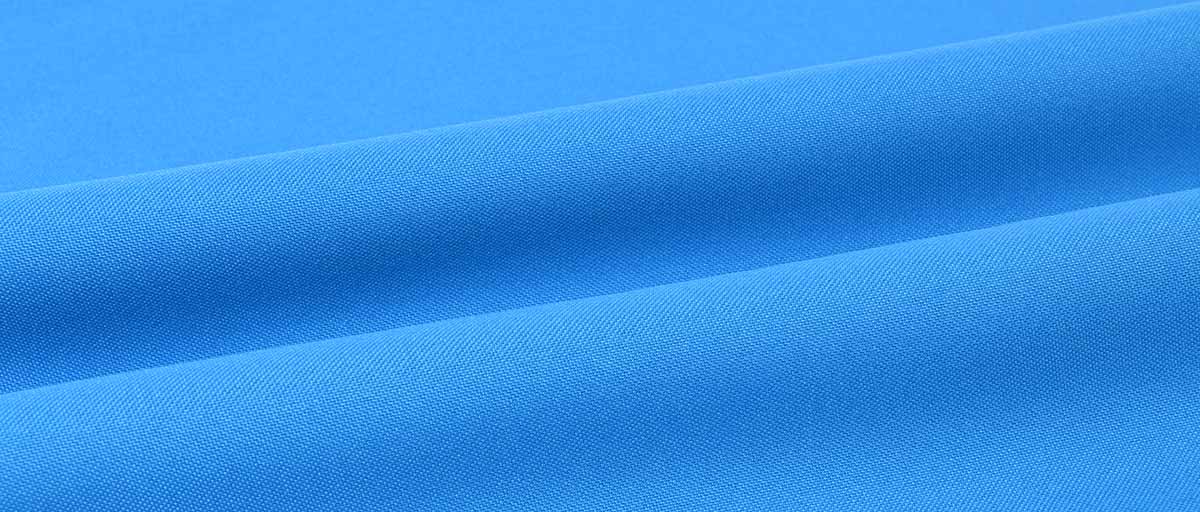
Mini matt (also written "mini-matt" or "minimatt") is a textured polyester fabric built on a plain or modified plain weave. The yarns interlace in a simple over-under grid, which produces a flat, matte surface with a fine, even texture — no sheen, no diagonal lines. Most industrial mini matt is woven from 100% polyester DTY yarn, which is what makes it so durable and easy to care for.
Typical specs
-
Composition: 100% polyester (some poly-viscose blends)
-
Weight: 160–300 gsm; workwear uniforms usually land at 200–240 gsm, with lighter 180–200 gsm versions for tropical/summer climates
-
Surface: flat, matte, fine grid texture
Where mini matt shines
-
Service and hospitality uniforms (hotels, restaurants, healthcare) — where mini matt uniform fabric offers a cost-effective, durable option
-
Workwear shirts and trousers
-
Tablecloths and institutional linens
-
Aprons, bags, decorative pillows and other practical textiles
Its big selling points are affordability, high wrinkle resistance, strong color retention and machine-wash convenience — exactly what high-volume uniform and HoReCa buyers need.
What Is Gabardine Fabric (Worsted Wool)?
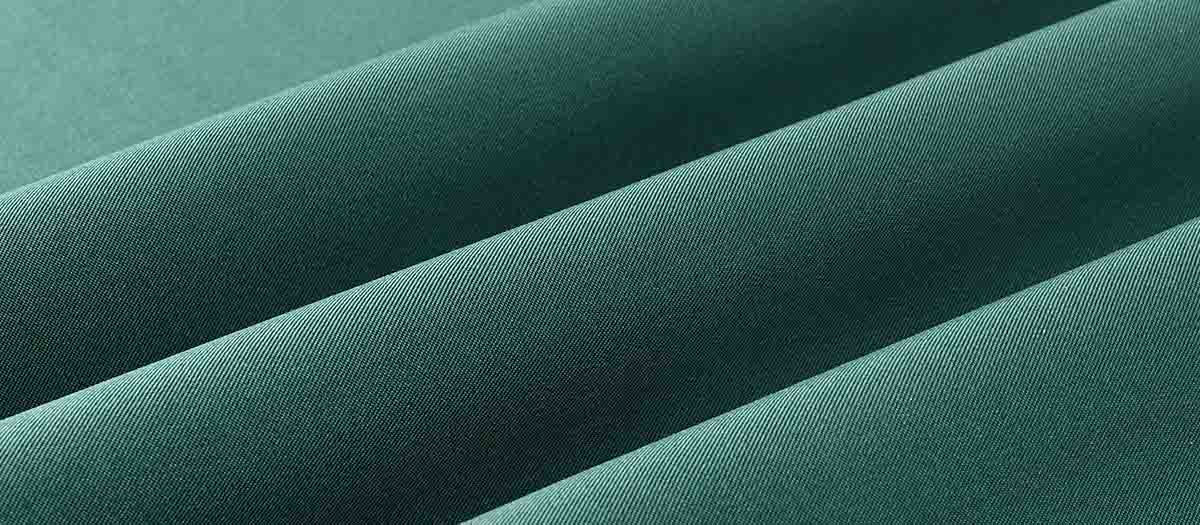
Gabardine is a tightly woven twill with a characteristic diagonal rib running across the face and a smooth back. Its dense weave makes it durable and weather-resistant. Invented by Thomas Burberry in the late 1800s, it was traditionally made from worsted wool; today it's produced in polyester, cotton, viscose and blends to suit different price points and end uses.
That steep twill construction is what gives gabardine its signature structure, drape and ability to hold a sharp crease — the reason it's a go-to for tailored garments. In hydrostatic tests, its tight weave can withstand 400mm of water pressure.
Typical specs
-
Composition: worsted wool traditionally; now polyester, cotton, viscose and blends
-
Weight: ~200–350 gsm (medium to mid-heavy)
-
Surface: smooth diagonal twill ribs, refined hand
Where gabardine shines
-
Tailored trousers and suiting
-
Blazers, jackets and structured outerwear/coats
-
Dresses and formal uniforms
-
Anywhere a crisp, professional silhouette matters
The Key Differences That Actually Matter
1. Twill Weave & Texture
This is the headline difference. Mini matt = plain weave, flat matte surface. Gabardine = twill weave, diagonal wale. In mini matt, the pattern comes from the interlacing of warp threads and weft threads for an even, gridded flatness; in gabardine, the warp creates the visible diagonal lines. If you run a finger across the fabric and feel even, gridded flatness, it's mini matt; if you see and feel diagonal lines, it's gabardine. Gabardine is also more warp-faced than standard twill.
2. Formality, Structure & Dense Weave
Gabardine's dense twill supports sharp creases and tailored shapes, making it a suitable choice for suits, skirts, and other formalwear. Mini matt is practical rather than formal — ideal where durability and low maintenance beat refined drape, and its matte finish looks more understated than gabardine's more structured face.
3. Breathability vs Easy Care
Mini matt's all-polyester base delivers strength and machine-wash ease but limits breathability, though its lightweight construction can still make it practical in hot climates. Gabardine — especially wool or cotton versions — tends to breathe better while gabardine made from softer fibers can also feel more comfortable, at the cost of more careful maintenance, similar in use to poly cotton twill suiting fabric for workwear and uniforms.
4. Price
Mini matt is typically more economical, which is why it dominates bulk uniform and tablecloth orders, though many buyers also consider T/C 65/35 twill workwear fabric when they want added breathability from cotton. At the same price point, mini matt often offers easier care, while gabardine trades up for structure; when gabardine, particularly in wool or premium blends, generally costs more, that difference usually reflects the material choice and weave complexity.
Which Fabric Should You Choose?
|
Your project |
Best choice |
|---|---|
|
Work uniforms / hospitality apparel |
Mini Matt |
|
Tablecloths / institutional textiles |
Mini Matt |
|
Easy care & frequent industrial washing |
Mini Matt |
|
Tailored suiting trousers or jackets |
Gabardine |
|
Structured, formal garments |
Gabardine |
|
Coats & outerwear needing drape |
Gabardine |
Bottom line:
-
Pick mini matt for low maintenance, affordability and practical durability.
-
Pick gabardine for tailored structure, refined appearance and durable suiting weight, especially for formal patterns that need shape retention.
Sourcing tip: Many mills weave both fabrics from the same 100% polyester DTY yarn, so you can often request swatches of each from a single supplier and compare hand-feel before committing to an order.


Frequently Asked Questions
Is mini matt the same as gabardine?
No. They're different weaves. The difference comes from how the warp and weft yarns are interlaced, which gives mini matt a plain weave with a flat, matte surface, while gabardine has a twill weave face with diagonal ribs and more structure. Both are commonly made from 100% polyester for uniforms, which is why they're often confused. Denim is another well-known twill, but gabardine is smoother and more formal.
Which is better for workwear, mini matt or gabardine?
Mini matt is usually the better workwear choice — it's more affordable, highly wrinkle-resistant and easy to machine wash, and it is the default choice in many uniform programs because it is lightweight, durable, and low maintenance. Gabardine is better when the workwear needs a more formal, tailored look (e.g., management or front-of-house uniforms), while versions with stretch or shiny polyester-viscose suiting fabric are often preferred for trousers or suits that need more movement.
Is mini matt or gabardine more breathable?
Gabardine in wool or cotton breathes better than all-polyester mini matt. Between two polyester versions, breathability is similar and moderate, since both use tight weaves.
Is gabardine more expensive than mini matt?
Generally yes. Mini matt is cost-efficient for bulk orders, while gabardine — especially wool or premium blends — sits at a mid-to-higher price point, closer to T/C 80/20 twill fabric for durable workwear in terms of investment. That higher price often reflects denser construction and fiber or material choice, not just brand positioning. Choosing purely on price can lead to performance issues that only appear months after delivery.
Conclusion
Mini matt and gabardine solve different problems. Mini matt is the workhorse of uniforms, hospitality textiles and tablecloths — cheap, tough and wash-and-wear. Gabardine is the tailor's fabric — structured, crisp and built for trousers, blazers and formal wear. Match the weave to the job: plain-weave mini matt for practical, high-volume needs; twill gabardine for structured, tailored garments. When in doubt, order swatches of both and let the hand-feel decide.
