
What Is the Best Overlock Sewing Thread for High Elasticity, Soft Handfeel, and Clean Finishes on Knit Garments?
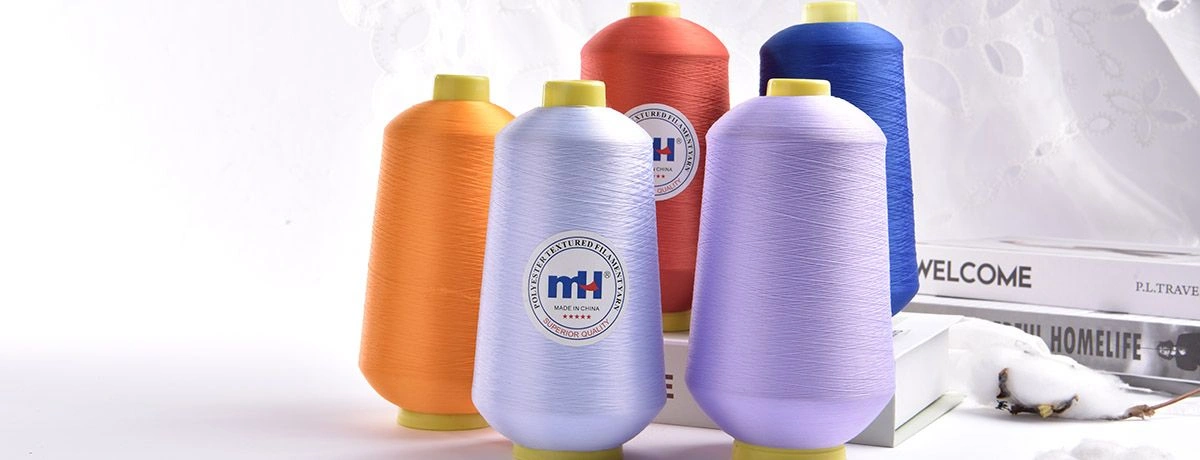
For procurement teams sourcing materials for garments like underwear, sportswear, and swimwear, seam performance is a deciding factor—not an afterthought. The right Overlock Sewing Thread (also searched as overlock thread, serger thread, or overlocker thread) helps factories deliver clean finishes, stable seams, and better skin comfort on knits and other stretch fabrics. Overlock sewing thread, also known as overlocker thread, is specifically designed for use in overlocker machines to efficiently finish seams.
This purchasing-focused guide explains what to specify, how to evaluate samples, and how to control price, consistency, and shipping—while avoiding common sourcing mistakes.
What Overlock Sewing Thread Is (and where it’s used)
Overlock Sewing Thread is designed for an overlock/serger sewing machine (and related machine setups) to wrap fabric edges and build flexible, secure seams. In production, it’s central to:
-
Seam finishing (edge protection + neat appearance)
-
Assembly on knits and stretch panels
-
High-motion areas in performance garments
To find the best overlock sewing thread for your specific fabric type, sewing goals, and personal preferences, consider experimenting with different thread options or following manufacturer guidelines to ensure the ideal match for your project.
Buyers sometimes compare it to cotton thread or standard polyester thread, but overlock applications for stretchwear typically demand a more specialized balance of stretch, softness, and stability. Polyester thread is perfect for garments and upholstery due to its versatility and strength, making it a reliable choice for a wide range of sewing projects.
Why buyers specify “high elasticity + soft touch” for skin-contact products
High elasticity (for stretch and recovery)
Underwear, sportswear, and swimwear use fabrics that elongate repeatedly. If the thread can’t follow that movement, seams can pop, distort, or feel tight. A high-elasticity overlock thread supports:
-
Reduced seam breakage during wear and testing
-
Better recovery (less wavy seam appearance)
-
More stable performance across repeated stretching
Soft, “fluffy” surface (for comfort + coverage)
A softer surface helps the seam feel less harsh against skin, especially in underwear and fitted sportswear. It can also improve seam coverage for smoother-looking finishes, which matters when customers judge quality by touch as much as by appearance.
Best-fit applications (and what to test)
Underwear
Key sourcing drivers: comfort, low irritation, and seam flexibility. Overlock thread impacts how seams feel at leg openings and side seams, where friction and fit pressure show up fast.
Sportswear
Key drivers: durability under movement, sweat, and friction. Overlock seams need to stay stable in underarm/side seams and stretch panels.
Swimwear
Key drivers: high stretch and secure seams. Swimwear constantly moves under tension; thread elasticity and seam stability become purchase-critical.
Procurement specs: what to include in your RFQ
To reduce back-and-forth and get comparable quotes, ask suppliers to clarify the following in the reference offer:
-
Intended use: overlock/serger seam finishing for stretch fabrics
-
Target products: underwear / sportswear / swimwear garments
-
Thread characteristics: high elasticity, soft handfeel for skin-contact seams
-
Compatibility: your sewing machine models and stitch types (3/4-thread, safety stitch, etc.)
-
Packaging: cones size, carton packing, labeling for traceability
-
Color needs: do you require core colors like light grey or beige for specific styles?
-
Quality controls: lot consistency, tensile stability, elongation/recovery consistency
If you also produce non-stretch items, clarify separation: thread meant for knits and stretchwear is not always ideal for woven fabrics like linen, where different seam behavior may be preferred.
When stock is limited or you have specific delivery dates, be sure to place your order for sewing threads in advance to ensure timely supply.
Sample evaluation: the 4 tests buyers should require
Before approving bulk orders, make sure to cut or trim fabric edges before sewing to prevent fraying and ensure a neat finish during sample evaluation.
Evaluate stitched samples on your actual fabrics and seam construction:
-
Stretch test: pull seams to simulate wear; check for snapping or seam opening
-
Recovery test: stretch/release repeatedly; check waviness and deformation
-
Wash test: multiple cycles; check durability and seam feel changes
-
Skin feel check: especially for underwear; seams must feel smooth and non-scratchy
Tip: Ask for a stitched sample panel and a short post-test report (even a simple checklist) so both buyer and supplier align on pass/fail criteria.
Cost, shipping, and operational details buyers often miss
Price control without sacrificing stability
Lowest price often looks good on paper but can raise real costs through line downtime, rework, and QC rejects. Compare suppliers based on total cost factors:
-
sewing stability (breaks, linting, tension sensitivity)
-
defect rate impact
-
lot-to-lot consistency
Shipping & replenishment planning
Confirm lead time, shipping method, and carton utilization. For high-volume programs, standardizing cones and carton specs helps reduce damage and warehouse handling.
Store/account readiness (for repeat orders)
If you place orders through a supplier portal or store, make sure your account setup supports:
-
repeat purchase templates
-
clear product naming (“overlock sewing thread / serger thread”)
-
consistent batch traceability on invoices and packing lists
This reduces errors when multiple projects run in parallel.
Common sourcing pitfalls (and how to avoid them)
-
Using generic cotton thread for high-stretch seams: comfortable in some uses, but often lacks the required stretch/recovery for performance knits.
-
Assuming any polyester thread works the same: performance varies widely by construction and finishing.
-
Testing on the wrong fabric: a thread that looks fine on stable woven fabrics may fail on spandex-rich knits.
-
Buying “one thread for everything”: factories running multiple projects (underwear + sportswear + sewing bags, etc.) should confirm thread fit by application. (Overlock thread can be used in different categories, but specs must match the real seam needs.)
-
Cross-use confusion: if your factory also does quilting or heavy trims, keep thread specifications separate—overlock stretchwear requirements are different from decorative or heavy-duty applications.
Don’t forget to consult your machine’s manual and other resources to avoid these common mistakes. Take time to learn about different seam finishing techniques and thread options to achieve better sewing results. You’ll love the satisfaction of using the right thread and seeing professional, durable finishes in your products.
Final checklist for buyers (quick approval guide)
When selecting Overlock Sewing Thread for stretch garments, confirm:
-
Works on your overlock/serger machine setup
-
High elasticity + stable recovery on stretch fabrics
-
Soft feel for skin contact and smoother seam touch
-
Delivers clean finishes and durable seams
-
Packaging in consistent cones, clear labeling, reliable shipping
-
Clear quotation reference, stable price, repeatable ordering via account/store
Store threads in good condition to preserve their quality and performance. Using the right thread can make the work of sewing and finishing seams more efficient and professional. Even when using a serger or overlocker for most tasks, hand sewing and repairs remain valuable for detailed finishing. You can add specialty threads, such as metallic or decorative threads, to enhance the visual appeal of your projects. Make sure you have the wanted thread and tools for your specific project needs. Choose threads that match the style of your project for the best visual results. Nylon thread offers great performance and versatility, especially for applications requiring stretch, like swimwear and activewear.
If your purchasing team is in the Netherlands (or any EU market) and needs standardized packing and documents, include those compliance and labeling requirements in the RFQ as well—this prevents delays and keeps procurement satisfying for everyone involved.
If you want, paste your typical fabric composition (e.g., nylon-spandex or polyester-spandex), GSM, and stitch type, and I’ll turn this into a one-page RFQ spec + supplier comparison scorecard (price/quality/lead time/shipping/consistency).