
How to Choose Recycled Sewing Thread for Eco-Conscious Apparel Production?
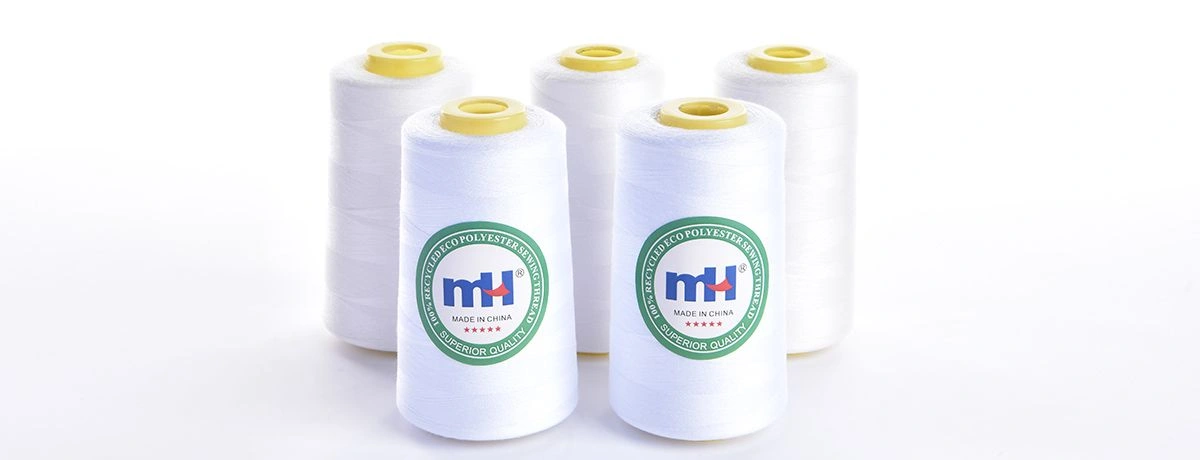
Sustainability is no longer a “nice-to-have” in apparel and textile sourcing—it’s quickly becoming a baseline requirement. Brands and manufacturers across Europe and the United States are being asked to prove recycled content, reduce carbon impact, and improve supply-chain transparency. In that shift, one small component is often overlooked: sewing thread. Yet thread is used across almost every product category and production line. Switching to recycled sewing thread can be one of the most practical, low-disruption steps toward a more responsible material strategy—when it’s selected and verified correctly.
What is recycled sewing thread?
Recycled sewing thread is typically made from recycled polyester (rPET) or, in some applications, recycled nylon. The most common option in mass production is rPET, sourced from post-consumer plastic bottles or industrial recycled feedstock. Through cleaning, processing, and melt spinning, recycled materials are converted into filament or staple fibers, then engineered into sewing thread with controlled twist, strength, and consistency.
For sustainable buyers, recycled thread supports circularity by reducing dependence on virgin petrochemical resources and creating value for waste streams. But the real purchasing decision comes down to three questions: proof, performance, and traceability.
What EU & US buyers care about most: verification and compliance
In mature markets, the word “recycled” must be backed by credible evidence. The most recognized standards in global textile supply chains include GRS (Global Recycled Standard) and RCS (Recycled Claim Standard). These frameworks focus on recycled content claims and chain-of-custody systems. Buyers may also require chemical safety and restricted substance compliance, depending on the brand policy and product category.
A reliable recycled sewing thread supplier should provide:
-
Valid certification documentation (scope and validity period)
-
Batch-level identification (lot numbers) connected to shipments
-
Supporting test reports relevant to sewing performance and durability
-
A traceability workflow that can stand up to desk audits or third-party checks
It is essential that all documentation and verification processes are supported by up-to-date and accurate information to ensure transparency and compliance.
For EU and US sourcing teams, this isn’t “extra paperwork”—it’s risk management. Documentation reduces the chance of greenwashing allegations and helps brands meet internal ESG reporting requirements.
Will recycled polyester thread perform like virgin thread?
A common concern is whether recycled thread will cause higher breakage rates, linting, inconsistent tension, or sewing defects—especially on high-speed industrial machines. The truth is: thread performance depends more on engineering, process control, and quality management than whether the polymer is virgin or recycled.
When properly produced, recycled polyester sewing thread can deliver stable results in many mainstream applications, including garments, home textiles, and bags. Key performance indicators typically关注:
-
Tensile strength and elongation (to reduce breakage)
-
Evenness and low hairiness (to reduce lint and needle heat)
-
Abrasion resistance (to support seam durability)
-
Colorfastness and shade consistency (critical for bulk production)
For practical sourcing, we recommend starting with your most frequently used thread specs and running a controlled trial under real production conditions. Many buyers successfully adopt recycled sewing thread first in programs like sportswear, casualwear, uniforms, and eco-focused collections—then expand as internal testing confirms stability.
Best applications for recycled sewing thread
Because thread is used everywhere, recycled options can apply across multiple categories:
-
Apparel: activewear, outdoor garments, casualwear, kidswear
-
Home textiles: bedding, curtains, cushions
-
Bags & accessories: backpacks, travel bags, fabric organizers
If your finished product already uses recycled fabrics (for example, rPET woven or knit materials), choosing recycled sewing thread creates a more consistent sustainability story and can strengthen product-level claims.
How to select the right recycled sewing thread (buyer checklist)
To avoid quality or compliance surprises, align on these points before sampling or ordering:
-
Material and construction: recycled polyester vs recycled nylon; filament vs spun; thread size & twist
-
End-use and machine setting: seam type, stitch density, sewing speed, needle size, and fabric thickness
-
Color requirement: shade matching, dye method, batch consistency expectations
-
Documentation package: certification, lot traceability, test reports, and shipment mapping
-
MOQ & lead time planning: define core colors/specs for stable long-term supply
A strong supplier will guide you through thread selection based on your fabric type and sewing conditions, not just offer a generic “eco” alternative.
A simple adoption path for brands and manufacturers
If you want the fastest route to implementation, use a step-by-step approach:
-
Step 1: Sampling for 3–5 core specifications (most common colors and sizes)
-
Step 2: Pilot production to track breakage rate, seam appearance, and rework
-
Step 3: Scale-up with locked specs and a repeatable documentation workflow
-
Step 4: Communication support: build a clear, verifiable sustainability pack for internal teams and end customers
Final thoughts
Choosing recycled sewing thread is not just a symbolic move—it’s a practical switch that can support recycled content goals and improve sustainability credibility, with minimal impact on production when properly engineered and verified. For EU and US buyers, the key is to source recycled thread with documented certification, consistent performance, and batch-level traceability.
If you’d like, we can share a recommended recycled sewing thread specification list for your product category, along with a sample kit plan and the documentation package typically required for sustainable sourcing audits.