
Polyester vs Cotton Sewing Thread: Which Is Better for Your Sewing Projects?
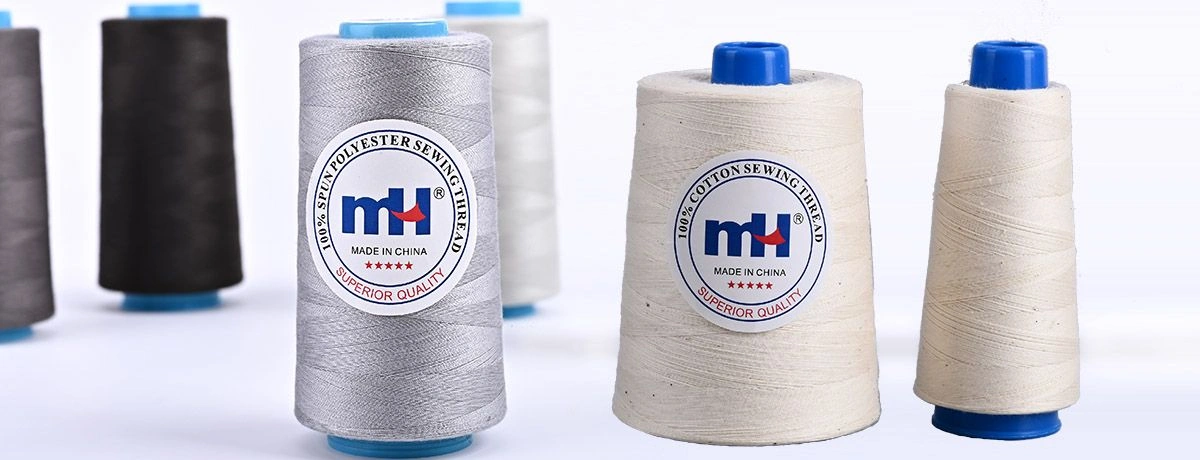
Choosing the right thread is essential for high-quality garment construction, machine quilting, decorative stitching, and embroidery. Among all thread types, the two most common choices are polyester vs cotton sewing thread. Each thread behaves differently on a sewing machine, interacts with fabrics in its own way, and offers unique performance features. For projects that demand durability and lasting color vibrancy, polyester thread is often the best bet.
In this guide, we compare polyester and cotton thread, examine their strengths and weaknesses, explore suitable fabric types, and help you choose the best thread for your manufacturing needs. You will also find MH’s full product line of polyester and cotton sewing threads designed for high-speed stitching and industrial applications.
Understanding the Basics: What Is Cotton Sewing Thread?
Cotton sewing thread is spun from natural fibers harvested from the cotton plant. Cotton fibers are known for their natural composition, excellent heat resistance, and have been traditionally used in textiles for generations. It has a soft, matte texture that blends naturally into natural fabrics like cotton and linen.
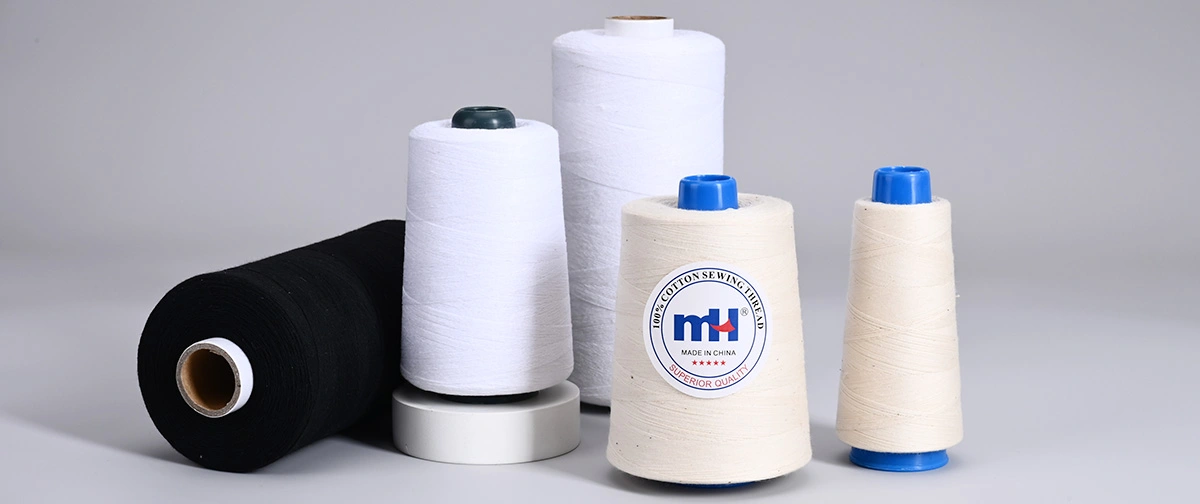
Key Characteristics of Cotton Thread
-
Matte finish that gives garments an organic, classic appearance
-
Excellent heat resistance, able to withstand high heat during pressing and ironing
-
Low elasticity—ideal when the seam should not stretch
-
Good quality thread for heirloom quilts and traditional tailoring
-
May weaken when exposed to moisture or UV rays over long periods
Cotton is preferred by manufacturers who want a natural look and feel, especially for decorative stitching, quilting projects, and premium shirts.
MH Cotton Thread Product Line
MH offers:
-
100% Cotton Sewing Thread
-
Mercerized Cotton Thread for higher strength and smoother surface, treated with caustic soda during the production process to enhance uniformity, luster, strength, and dye absorption
These threads are widely used in machine quilting, children’s wear, traditional tailoring, and fabrics requiring a matte, natural appearance.
What Is Polyester Sewing Thread?
Polyester sewing thread is made from synthetic fibers, engineered for strength and durability. The production process of polyester thread involves transforming raw materials, such as xylene, into synthetic fibers through a series of chemical and mechanical steps. Today it is the most widely used thread type for industrial production.
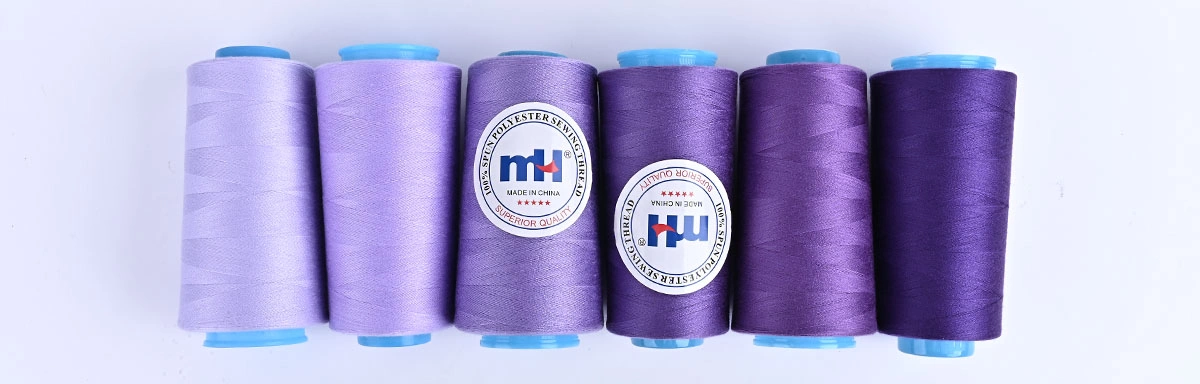
Key Characteristics of Polyester Thread
-
Polyester’s strength allows it to withstand high tension
-
Polyester’s durability makes it ideal for frequent washing and outdoor use
-
Excellent elasticity—perfect for stretch or synthetic fabrics
-
Superior colorfastness; resists fading caused by UV rays
-
Performs well in high speed stitching environments
-
Minimal shrinkage during laundering
-
Produces low lint, reducing maintenance and cleaning needs for sewing machines during high-volume projects.
Polyester thread holds stitches firmly and reduces skipped stitches on modern high-speed sewing machines.
MH Polyester Thread Product Line
MH is one of China’s leading sewing thread manufacturers with:
-
35,000 tons annual polyester thread capacity
-
Advanced winding technology for knotless, smooth feeding
Our polyester thread types include:
MH’s polyester threads are especially suitable for outdoor projects due to their durability and resistance to fading.
MH® Spun Polyester Thread
-
Versatile and suitable for garment construction, bedding, uniforms, and most everyday sewing.
MH® High-Tenacity Filament Polyester Thread
-
Designed for denim, outdoor products such as boat covers, bags, shoes, and picnic blankets, benefiting from this thread's durability and UV resistance.
MH® Core-Spun Polyester Thread
-
Polyester core with polyester wrap
-
Combines softness and strength—ideal for high-speed production lines.
MH® Polyester Embroidery Thread
-
Vibrant colors, perfect for machine embroidery and decorative stitching.
Polyester vs Cotton Sewing Thread: Detailed Performance Comparison
1. Strength & Durability
-
Polyester thread holds stronger than cotton; ideal for industrial sewing and synthetic fabrics.
-
Cotton offers stability but is less durable under heavy wear.
2. Elasticity
-
Polyester: flexible and suitable for stretch garments; polyester's strength and elasticity make it ideal for projects requiring both stretch and durability.
-
Cotton: minimal elasticity—excellent for structured seams.
3. Heat Resistance
-
Cotton can withstand higher ironing temperatures and can withstand higher temperatures, making it suitable for heat-intensive projects.
-
Polyester may melt under extreme heat but performs better under chemical exposure.
4. Appearance: Matte vs Smooth Finish
-
Cotton’s matte finish blends into natural fabrics.
-
Polyester has a smooth or slightly glossy appearance depending on the manufacturing method.
5. Moisture & UV Resistance
-
Polyester: excellent resistance to moisture and UV rays.
-
Cotton: may weaken over time under sunlight or humidity.
6. Stitching Performance on Sewing Machines
-
Polyester works well in high-speed stitching with fewer breaks.
-
Cotton performs smoothly at moderate speeds, especially for quilting or decorative work.
Garment Construction Considerations
When it comes to garment construction, choosing the right thread can make all the difference in the quality, durability, and appearance of the finished piece. Polyester thread is a go-to option for many manufacturers thanks to its impressive strength, elasticity, and resistance to shrinking or stretching. This makes polyester thread especially suitable for sewing clothing made from synthetic fabrics such as polyester, nylon, or spandex, where flexibility and durability are essential for high stress seams and repeated use.
On the other hand, cotton thread remains a classic choice for garments crafted from natural fabrics. If you’re working with cotton, linen, or rayon, cotton thread offers a soft, breathable texture and a natural look that blends seamlessly with the fabric. Its matte finish is ideal for achieving a traditional appearance, especially in shirts, blouses, and children’s wear. However, cotton thread may break easily under high tension or with frequent washing, so it’s best suited for garments where a natural fiber finish is prioritized over maximum durability.
Ultimately, understanding the unique properties of both polyester and cotton threads allows you to select the right thread for each project. Whether you’re sewing with natural cotton thread for a cohesive look on cotton fabric, or using polyester thread for robust garment construction on synthetic materials, matching your thread to your fabric type and sewing needs ensures a professional, long-lasting result.
Best Uses for Polyester Thread
Use polyester thread when you need:
-
Strong seams for garment construction
-
Durable stitching for synthetic fabrics
-
Flexible seams for sportswear or activewear
-
Fade-resistant sewing for picnic blankets, outdoor items, and backpacks
-
Smooth performance on automated or high-speed sewing machines
Selecting polyester thread is often determined by the project type, such as outdoor gear, sportswear, or items requiring frequent washing.
Polyester thread is also recommended for factories looking for cost efficiency and fewer production interruptions.
Best Uses for Cotton Thread
Use cotton thread when sewing natural fabrics such as cotton, linen, and rayon, or for delicate and dressmaking projects where a soft, matte finish and gentle handling are important.
Choose cotton thread for:
-
Natural fabrics like cotton, linen, muslin
-
Heirloom quilts and delicate quilting projects
-
Garments requiring a soft, matte finish
-
High-temperature pressing environments
-
Decorative stitching on natural fibers
Cotton thread is the right thread for buyers who prioritize fabric compatibility and aesthetics over high-performance durability.
Cost Comparison: Polyester vs Cotton thread
Polyester Thread
-
Lower cost due to large-scale production
-
Longer lifespan and fewer breakages
-
Better cost-performance ratio for mass garment manufacturing
Cotton Thread
-
Higher cost, especially for long-staple or mercerized cotton
-
May require more frequent replacement
-
Best value when natural appearance is required
For most industrial applications, polyester remains the more economical choice.
Environmental Considerations
Cotton Thread
-
Biodegradable and derived from natural fibers
-
Production requires significant water and agricultural resources
Polyester Thread
-
Non-biodegradable but recyclable
-
MH offers recycled polyester thread made from PET bottles to support eco-friendly production.
Final Verdict: Which Thread Is Best?
Both polyester and cotton sewing threads have their advantages—there is no single “best” thread, only the best thread for the job. Choosing the perfect thread for your specific project is essential, as it ensures the durability, appearance, and overall success of your handmade items.
Choose Polyester If You Need:
-
Strength, durability, and elasticity
-
A universal thread for most fabric types
-
High performance in high-speed stitching
-
UV resistance and longevity
-
Ideal for heirloom pieces that require lasting color and durability, especially for items exposed to sunlight or frequent use
Choose Cotton If You Need:
-
A natural look with cotton’s matte finish
-
Seam stability without stretch
-
Heat resistance for pressing
-
Compatibility with natural fabrics
-
Preferred for hand quilting due to its smoothness and suitability for traditional quilting techniques
Why Manufacturers Choose MH Sewing Thread
MH is a global leader in garment accessories, supplying customers in 150+ countries. Our advantages include:
-
9 factories, 350,000 m² production area
-
35,000 tons of polyester thread and 3,500 tons of embroidery thread annually
-
Over 10,000 thread types & specifications
-
Reliable quality for high-speed industrial sewing
-
Custom colors, packaging, and bulk order support
Whether you need polyester or cotton thread, MH provides the right solutions for every sewing application.
Contact MH for Bulk Sewing Thread Supply
Looking for durable polyester thread, premium cotton thread, or specialized core-spun solutions?
MH offers complete support—from color cards to OEM packaging and worldwide delivery.