
What Is Sewing Thread Weight and How Does It Affect Your Production Quality and Efficiency?
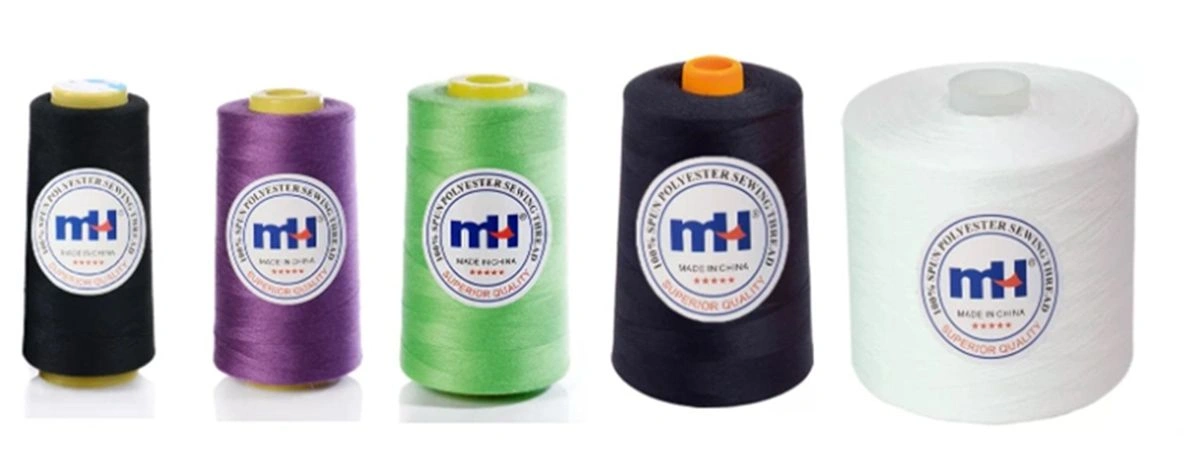
In garment manufacturing and fabric distribution, sewing thread weight plays a critical role in stitching quality, production efficiency, and cost control. Many sewing issues—such as skipped stitches, thread breaking, uneven stitch length, or poor seam appearance—are often caused by using the wrong thread weight. Sewing threads come in different weights, each suited for specific applications and project requirements.
For fabric wholesalers and garment factories, understanding different thread weights is essential for choosing the right sewing thread for each application. This guide explains what thread weight refers to, how heavier threads and fine threads differ, and how to select the correct option based on fabric, sewing machines, needles, and production requirements. Thread weight refers to the thickness or fineness of the sewing thread, which determines its visibility and suitability for various sewing tasks.
What Does Sewing Thread Weight Refer To?
Thread weight refers to the thickness of a sewing thread.
The basic rule is:
Lower numbers mean thicker threads.
Higher numbers mean finer threads.
One common way to measure thread weight is the 'metric count' system, which is based on the metric system. In this system, the metric count (Nm) indicates how many 1000-meter hanks of thread weigh one kilogram. The higher the metric count number, the finer or thinner the thread. The metric system uses units like meters and kilograms to determine thread thickness, making it easy to compare thread sizes across different types.
For example:
-
20wt → thick thread
-
40wt → medium weight thread
-
60wt or 80wt → fine thread
As the weight number increases, the thinner the thread becomes.
Different thread weights exist because different fabrics, machines, and stitching purposes require different performance levels.
Different Thread Weights: Thick, Medium, and Fine Threads
Heavy Weight Threads (Lower Thread Numbers)
Common ranges:
-
20wt
-
30wt
Characteristics of heavier threads:
-
Higher strength
-
Better seam durability
-
More visible stitches
Typical uses:
-
Denim and canvas garments
-
Workwear and uniforms
-
Upholstery and multiple-layer sewing
-
Bold machine quilting
In addition to these uses, heavy weight threads are also suitable for decorative techniques such as bobbin work and hand embroidery, where their thickness creates bold, textured designs. They are commonly used in practical applications like hemming jeans, providing both durability and a distinctive look. Heavier threads interact with the fabric by 'fabric giving'—standing up from the surface to add texture and visual interest. Using more thread in your stitching enhances the impact and makes designs stand out. These heavy threads can be used for the same things as other threads, including couching, bobbin work, and various decorative crafts, showing their versatility. There are many other threads available in different weights and types, each suited for specific heavy-duty or decorative applications.
Heavy weight threads are ideal when stitching must withstand stress, abrasion, or frequent washing, but they require proper sewing machine needle size and tension settings.
Medium Weight Threads: The Industry Standard
Common range:
-
40wt
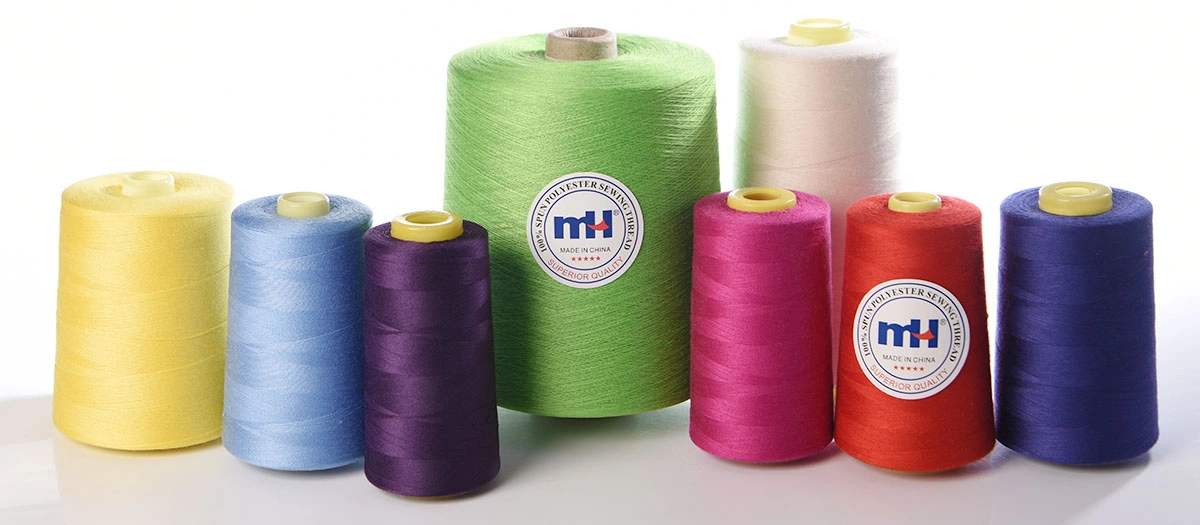
Medium weight threads are the most widely used sewing machine thread in garment factories. They are considered the standard thread for most sewing applications due to their versatility and reliability.
Advantages:
-
Balanced strength and appearance
-
Compatible with most sewing machines
-
Reduced risk of skipped stitches
Typical uses:
-
Shirts and trousers
-
Polyester-cotton fabrics
-
General machine sewing
-
General sewing
For mass production, medium weight threads offer the best balance between performance and cost.
Fine Weight Threads for Precision Sewing
Common ranges:
-
50wt
-
60wt
-
80wt
Characteristics of fine threads:
-
Smoother seams
-
Less fabric distortion
-
Better for fine detailed machine embroidery and decorative stitching
-
Smaller threads are ideal for intricate sewing techniques such as micro quilting, detailed embroidery, appliqué, and foundation paper piecing
Typical uses:
-
Lightweight fabrics
-
Knitwear
-
Fine decorative stitching
-
Thread painting and embroidery
Using fine threads in quilting and embroidery leaves quilts softer, makes seams lay flatter, and ensures the threads do not take up as much space or as much weight in the fabric, resulting in a lighter, more flexible finish. Fine threads are especially beneficial for dense quilting and English paper piecing, as they allow for detailed work without adding bulk. They also greatly reduce tension problems during intricate stitching, leading to more professional results. Light grey blends of fine threads are ideal for unobtrusive stitching that matches multiple fabric colors.
Fine threads take more care in tension adjustment, but they significantly improve surface appearance.
Bobbin Thread and Upper Thread: Why Weight Matching Matters
Using the wrong bobbin thread weight can cause:
-
Thread breaking
-
Loose stitches
-
Uneven stitch length
In most industrial sewing:
-
Bobbin thread is equal to or slightly finer than the top thread
-
Fine threads blend better for clean seams
Matching top thread and bobbin thread weight helps prevent skipped stitches and tension imbalance.
How Sewing Thread Weight Affects Sewing Machines
Sewing Machine and Needle Compatibility
Thread weight must always match:
-
Sewing machine capability
-
Sewing machine needle size
Common problems caused by mismatch:
-
Thicker threads + small needle → thread breaking
-
Fine threads + large needle → skipped stitches
Correct matching reduces downtime and improves sewing stability.
Machine Quilting and High-Speed Sewing
For machine quilting and high-speed industrial sewing:
-
Medium to heavier threads perform better
-
Stitch length must be adjusted for thicker threads
Incorrect thread weight selection often leads to:
-
Broken threads
-
Irregular stitching
-
Increased machine maintenance
Choosing Thread Weight Based on Fabric Type
Heavy Fabrics & Multiple Layers
-
Denim
-
Canvas
-
Upholstery
Recommended:
-
Medium to heavy weight threads (30wt–40wt)
Medium-Weight Fabrics
-
Polyester blends
-
Workwear fabrics
Recommended:
-
40wt sewing thread
Lightweight & Delicate Fabrics
-
Fine knits
-
Lightweight woven fabrics
Recommended:
-
Fine threads (50wt–80wt)
Using fine threads prevents puckering and improves seam quality.
Common Sewing Problems Caused by Wrong Thread Weight
Many factories experience sewing issues not because of machines—but because of thread choice.
Typical problems include:
-
Thread breaking
-
Skipped stitches
-
Poor stitch appearance
-
Inconsistent stitch length
In most cases, switching to the correct thread size and thread weight immediately improves results.
Practical Tips for Fabric Wholesalers and Garment Factories
-
Always test thread weight before bulk production
-
Match thread weight with needle size and fabric thickness
-
Avoid using heavier threads “just for strength”
-
Adjust stitch length when changing thread weight
-
Use reliable thread suppliers to ensure consistency
MH Sewing Threads: Designed for Industrial Performance
At MH, we supply a wide range of polyester threads, cotton thread, synthetic threads, and metallic thread, covering different thread weights for industrial sewing, embroidery, and quilting.
With large-scale production capacity and strict quality control, MH sewing threads offer:
-
Stable thread weight consistency
-
Smooth machine performance
-
Reduced thread breaking and skipped stitches
-
Reliable supply for garment factories and fabric wholesalers
For manufacturers, this means fewer production interruptions and more predictable sewing results.


Conclusion: Thread Weight Makes All the Difference
Understanding sewing thread weight is not just a technical detail—it directly affects product quality, production efficiency, and long-term costs.
By choosing the right thread weight based on fabric, sewing machine, needle, and stitching purpose, fabric wholesalers and garment manufacturers can significantly improve overall sewing performance.
When thread weight is right, everything else runs smoother.
