
How to Choose the Right Sewing Thread for Your Fabric Type?
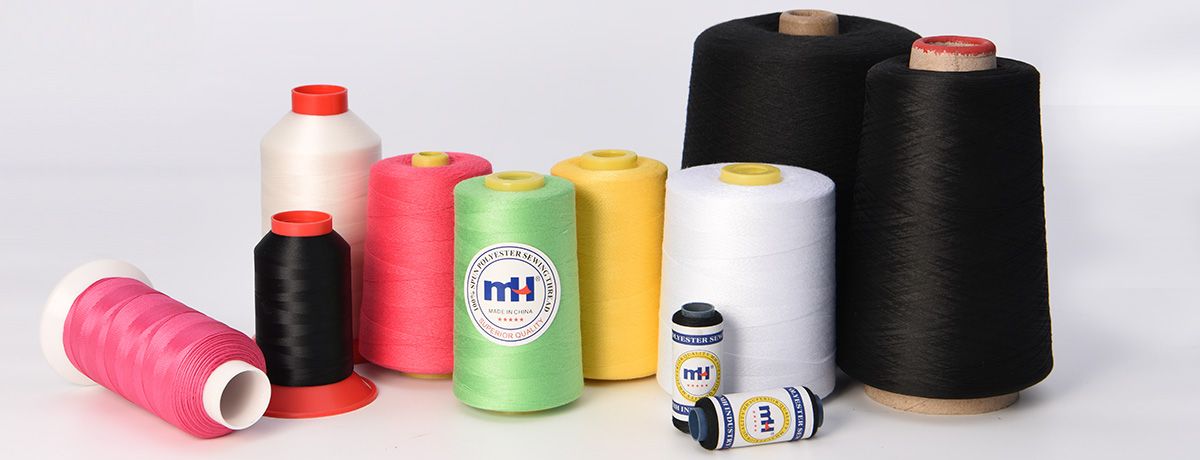
Choosing the right thread is one of the most important steps in any sewing project. The thread affects seam strength, elasticity, stitch appearance, and the overall quality of your garment. With so many options—polyester thread, cotton thread, silk thread, nylon thread, heavy-duty thread, continuous filament thread, and more—knowing how to choose sewing thread can feel overwhelming.
When choosing thread, consider key factors such as thread type, color, compatibility with your fabric, project purpose, and any special applications like metallic or decorative threads. Selecting the right thread ensures your sewing machine runs smoothly and your finished product meets your expectations.
This guide will help you understand different thread types, thread weight, and how to match the correct thread to knit fabric, denim, leather, stretch fabrics, and delicate fabrics. Many manufacturers and thread companies offer a wide range of options, so making a quality thread choice is essential for a successful project. We will also highlight MH’s professional-grade threads widely used in clothing factories, upholstery, and industrial applications.
Why Choosing the Right Sewing Thread Matters
The right sewing thread ensures smooth stitching, prevents thread breakage, and improves seam durability. Using the wrong thread often leads to:
-
skipped stitches
-
tangled thread
-
uneven decorative stitching
-
weak seams
-
excessive friction on the sewing machine
Using quality thread not only prevents these issues but also enhances your overall sewing experience, making each project more enjoyable and efficient. Selecting the right thread for your project—considering fabric type, thread quality, and color—helps avoid common sewing problems and ensures the best results.
To avoid sewing frustrations, always evaluate:
✔ Thread Material
Polyester, nylon, cotton, silk, and specialized threads each behave differently. For best sewing results, it is important to match the thread fiber to the fabric fiber, as compatibility between the two influences the quality and durability of the finished project. Cotton thread, for example, is especially suitable for sewing with natural fibers such as cotton fabrics.
✔ Thread Weight & Thickness
Lighter threads suit delicate fabrics; medium weight thread is ideal for cotton, linen, or rayon fabrics. Heavy-duty thread suits denim or leather.
✔ Machine Compatibility
Some threads are ideal for machine sewing, others for hand sewing or machine embroidery. Large cones, which typically hold 2,000–5,000 meters of thread, are often used with industrial or overlock machines for high-volume sewing projects.
✔ Fabric Type
Every fabric—woven, knit, stretch, wool fabric, or leather—needs a matching thread. Selecting the appropriate type of thread, such as cotton, polyester, embroidery, silk, metallic, or heavy-duty, is essential to ensure the best results for each specific fabric and project.
Understanding these factors makes it easier to choose the correct thread for your sewing project.
Thread Types Explained
Before exploring fabric-specific recommendations, let’s understand the main thread categories. In addition to standard sewing threads, there are also specialty threads such as clear, invisible, and embroidery thread, each designed for specific sewing or decorative purposes.
-
Cotton thread: Best for natural fiber fabrics, quilting, and general sewing.
-
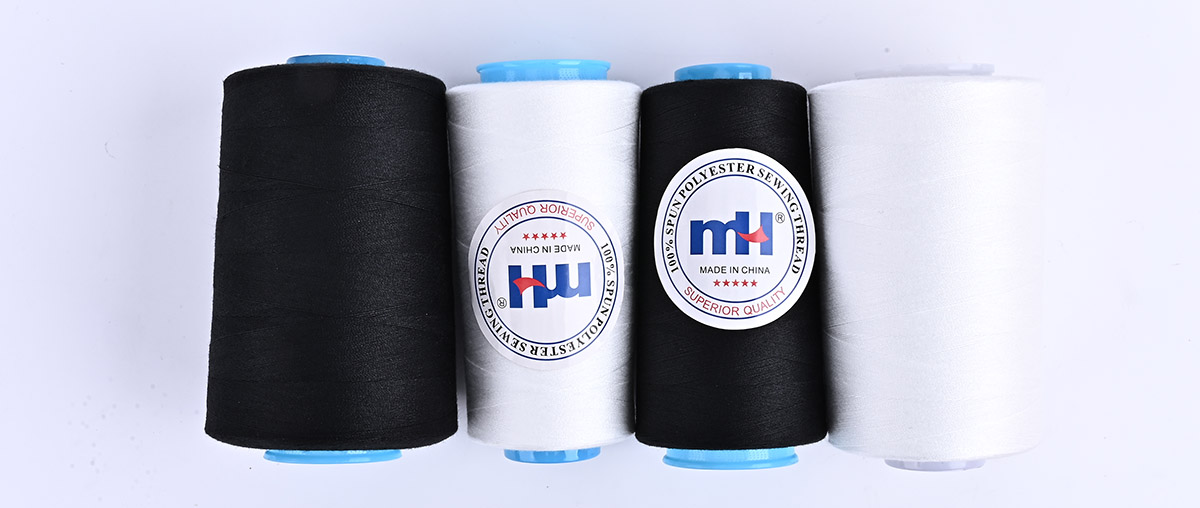
Polyester thread: Versatile, strong, and suitable for most fabrics.
-
Nylon thread: Ideal for stretch fabrics and heavy-duty applications.
-
Embroidery thread: Used for decorative stitching and machine embroidery, available in materials like rayon, polyester, and metallic for vibrant, eye-catching designs.
1. Polyester Thread
-
Strong, versatile, and suitable for most fabrics
-
MH offers polyester thread in 20s/2, 40s/2, 50s/2, 60s/2
-
Ideal for all-purpose sewing, knits, and woven garments
-
Also suitable for hand stitching due to its strength and versatility
2. Nylon Thread
-
High strength and abrasion resistance
-
Best for upholstery, leather goods, and bags
-
MH Bonded Nylon Thread provides smoother machine sewing and reduced fraying
3. Cotton Thread
-
Matte appearance; used for quilting and natural-fiber garments
-
Cotton thread has very little stretch, making it ideal for non-stretchy fabrics like cotton or sheer textiles.
-
Less stretch, not ideal for high-elasticity fabrics
4. Silk Thread
-
Excellent for delicate fabrics
-
Smooth, flexible, and great for hand sewing
5. Continuous Filament Thread
-
Strong and smooth
-
Used in high-speed industrial sewing and upholstery
6. Heavy-Duty Thread
-
Thicker, stronger, and abrasion resistant
-
Perfect for denim, leather, canvas, and upholstery
7. Serger Thread
-
Lightweight, soft, and designed for overlock machines
-
MH Textured Polyester and MH Woolly Nylon are ideal choices
How to Choose the Right Thread for Each Fabric Type
1. Knit Fabrics
Knit fabrics stretch, so your thread must stretch too.
Best Thread Choices
-
MH Polyester Thread (40/2, 50/2)
-
MH Textured Polyester Thread for serging and coverstitch
-
MH Woolly Nylon Thread for maximum elasticity
Why These Threads Work
-
Prevent seam cracking
-
Provide soft finish for garments like T-shirts and sportswear
-
Perfect for machine sewing and serger thread applications
2. Denim and Heavy Fabrics
Denim, canvas, and workwear fabrics require heavy-duty thread with high tensile strength.
Best Thread Choices
-
MH Core-Spun Polyester Thread (20/2, 30/2, 40/2)
-
MH Heavy-Duty Polyester Thread (Tex 40–80)
-
Topstitch Thread for decorative stitching
Advantages
-
Strong enough to resist abrasion
-
Suitable for both light and heavy denim
-
Maintains colorfastness and strength after repeated washing
These are ideal for jeans, jackets, bags, and industrial sewing projects.
3. Leather and Upholstery Materials
Leather is dense and requires threads that glide smoothly through tough fibers. Upholstery thread, specifically designed for furniture and automotive applications, is ideal for outdoor projects due to its durability and resistance to the elements.
Best Thread Choices
-
MH Bonded Nylon Thread (Tex 70–210)
-
MH Bonded Polyester Thread for UV-resistant applications
-
Waxed Thread for leather hand sewing
Why These Threads Work
-
Bonded coating prevents fraying
-
Great for shoes, belts, furniture, and automotive upholstery
-
Designed to reduce thread breakage during high-speed sewing
-
Some upholstery threads are designed to withstand high heat, making them ideal for automotive and outdoor furniture applications.
4. High-Stretch Fabrics (Spandex, Sportswear, Swimwear)
Stretch fabrics demand extra elasticity and soft seams.
Best Thread Choices
-
MH Woolly Nylon Thread
-
MH Textured Polyester Thread
-
High-elasticity polyester thread
Benefits
-
Stretches naturally with the fabric
-
Prevents seam popping
-
Ideal for leggings, swimwear, yoga outfits
These fibers also deliver excellent performance in machine embroidery on stretch fabrics.
5. Delicate Fabrics (Silk, Lightweight Chiffon, Organza)
Delicate fabrics need fine, smooth threads that won’t damage the fibers. These fabrics are commonly used in embroidery projects, which require fine, specialized threads for precise and decorative stitching.
Best Thread Choices
-
MH Polyester Filament Thread (continuous filament)
-
MH Silk Thread
-
Clear Thread (for invisible stitching)
Why These Threads Work
-
Lightweight and friction-reducing
-
Ideal for evening dresses, bridal wear, and fine blouses
-
Great for both hand sewing and machine sewing
Comparison Table: Choosing the Right Thread by Fabric
|
Fabric Type |
MH Recommended Thread |
Thread Features |
|---|---|---|
|
Knit Fabrics |
Polyester, DTY, Woolly Nylon |
Stretchy, soft seams |
|
Denim |
Core-Spun Polyester, Heavy-Duty Thread |
Strong, abrasion-resistant |
|
Leather |
Bonded Nylon/Polyester, Waxed Thread |
Smooth, durable, heat-resistant |
|
High-Stretch Fabrics |
Woolly Nylon, Textured Polyester |
Maximum elasticity |
|
Delicate Fabrics |
Filament Polyester, Silk, Clear Thread |
Lightweight, gentle on fibers |
Note: When selecting thread color, always consider the fabric color. If an exact match is not available, choose a thread that is one or two shades darker than the fabric for a more professional and seamless finish.
Additional Tips for Choosing the Right Sewing Thread
-
Match thread weight to fabric weight (light fabric → fine thread).
-
For decorative stitching, use metallic thread or thicker topstitch thread.
-
When sewing with metallic thread, use a metallic needle to prevent thread damage and ensure smooth stitching.
-
Use a thread net when working with metallic or specialty threads to prevent fraying and breakage.
-
Always pair thread with the correct needle (ballpoint, denim, leather).
-
Use all-purpose thread for beginner-friendly projects.
-
Choose Kevlar thread only for extremely high-strength industrial use.
-
When in doubt, polyester thread is the safest option for most fabrics.
Conclusion
Understanding how to choose sewing thread based on fabric type will dramatically improve the quality of your sewing projects. Whether you’re working with knitwear, denim, leather, upholstery fabric, stretch fabrics, or delicate materials, selecting the right sewing thread ensures strong seams, problem-free sewing, and long-lasting garments.
MH offers a complete range of professional sewing threads—including polyester, core-spun, bonded nylon, textured thread, woolly nylon, and filament polyester—trusted by manufacturers in more than 150 countries.