
What Is Satin Fabric GSM and Which Is Right for Your Garment Design?
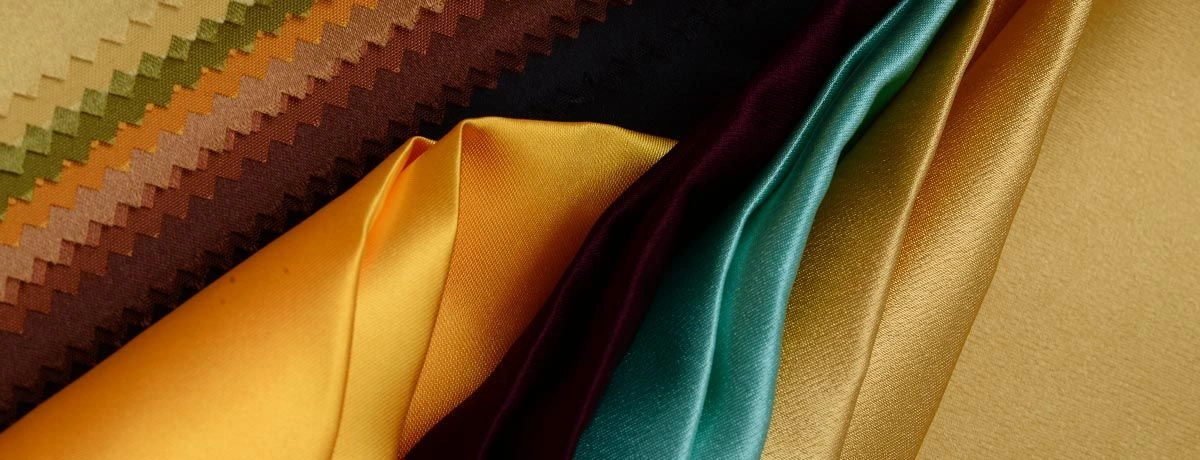
In the global textile market, a common mistake buyers make is judging a fabric solely by photos. However, the true quality and application of satin are defined by its technical specifications—specifically, its GSM (Grams per Square Meter).
For procurement managers, understanding the difference between a lightweight 90gsm satin and a heavyweight 200gsm satin is the difference between a successful product and a costly return. This guide breaks down fabric weight, drape, and composition to help you make the right purchase.
What is Satin Fabric GSM?
GSM stands for Grams per Square Meter. It measures the density of the woven fabric.
-
Lower GSM: Creates a light, airy, and fluid fabric.
-
Higher GSM: Creates a thick, structured, and opaque fabric with high durability.
When sourcing, you aren't just buying a "color"; you are buying a specific weight that dictates how the garment will hang and wear over time.
The Satin Weight Spectrum: A Buyer’s Breakdown
At MH, we categorize our satin fabric into three ranges to help you match the material to the apparel type, and also offer specialized options such as stretch woven fabric made from 93% polyester and 7% spandex.
A. Lightweight Satin (80gsm – 110gsm)
-
Texture: Thin, airy, and very soft.
-
Drape: High fluidity but can be semi-sheer.
-
Best For:
-
Linings: The industry standard for lining jackets and skirts is around 90gsm. It provides a smooth texture that allows outer layers to glide without adding bulk.
-
Accessories: Perfect for hair ties and budget-friendly scarves.
-
-
Sourcing Tip: If you need breathability in a lining, ask about our anti-static finishes for polyester options or consider a cotton-blend lining.
B. Medium Weight & Charmeuse Satin (120gsm – 170gsm)
-
Texture: The perfect balance of body and flow. This range often includes Charmeuse satin, known for its glossy front and dull back.
-
Drape: Hugs the body elegantly. This is the beautiful fabric seen in bias-cut designs.
-
Best For:
-
Pajamas & Sleepwear: 130-150gsm is ideal for sleepwear. It is cool to the touch and durable enough for machine washing.
-
Dresses: Slip dresses and blouses require this weight to ensure the fabric's color remains rich and the garment isn't see-through.
-
Luxury Blouses: Provides a sophisticated look suitable for office wear.
-
C. Heavyweight Satin (180gsm – 250gsm+)
-
Texture: Stiff, architectural, and completely opaque.
-
Drape: Holds its shape (structured).
-
Best For:
-
Bridal & Evening Wear: A 200gsm satin (often called Duchess Satin) is standard for wedding gowns that need to hold embroidery and beading.
-
Upholstery: Durable enough for cushions and drapes.
-
Composition Matters: Stretch vs. Non-Stretch
Beyond GSM, the composition of the fiber changes the application.
-
Non-Stretch (Rigid) Satin: Usually 100% polyester or silk. Great for structured garments.
-
Stretch Satin: Contains 3-5% Spandex (Elastane).
-
Why Buy It? If you are manufacturing fitted dresses or activewear-inspired loungewear, stretch satin adds comfort and ease of movement. It is increasingly popular in the pajamas sector.
-
Silk vs. Synthetic: Understanding the Metrics
If you are used to buying silk, you likely measure in Momme (mm). If you are switching to synthetic satin (like Polyester or Acetate) for cost efficiency, use this conversion to ensure you get the same quality feel.
|
Silk Weight (Momme) - Learn more about milk silk fabric and its unique properties. |
Synthetic Equivalent (GSM) |
Application |
|
12mm |
~50-60gsm |
Very light, mainly for scarves. |
|
19mm |
~80-90gsm |
Standard silk pillowcase weight. |
|
22mm |
~100-110gsm |
Premium luxury garments. |
|
30mm+ |
~130gsm+ |
Heavy, high-end drape. |
Why Source Satin from MH?
We don’t just sell fabric by the meter or yard; we provide a complete supply chain solution.
-
MH sources and manufactures satin fabric in India, ensuring authenticity and quality associated with Indian production.
-
Range & Quantity: Whether you need a small quantity for a boutique capsule or container loads for mass production, we stock a massive range of GSM options. Satin fabric is often sold by the yard or in bulk by the roll.
-
The “Unique Combination”: MH manufactures both the satin and the matching sewing threads and zippers. This ensures the fabric’s color matches the stitching perfectly—a sign of high quality.
-
Customization: Need a specific width, a unique cool-touch finish, or intricate printed designs and styles? We can customize the production features to meet your brand’s specific product details.


Frequently Asked Questions (FAQ)
Q: Which satin GSM is best for summer wear?
A: For summer apparel, look for a lightweight to medium (90-120gsm) satin. If utilizing polyester, ensure it has a moisture-wicking finish, or choose acetate for better breathability.
Q: Does Charmeuse satin have stretch?
A: Traditional Charmeuse satin is woven to be non-stretch. However, MH offers "Stretch Charmeuse" which blends spandex for added comfort in fitted dresses.
Q: Can I use 90gsm satin for a wedding dress?
A: We do not recommend it for the outer layer, as it may look flimsy and lack sophistication. Use 90gsm for the lining and a 200gsm+ satin for the exterior to create a stylish, premium silhouette.
