
Twill vs Flannel: What’s the Difference and Which Fabric Is Better for Textile Sourcing?
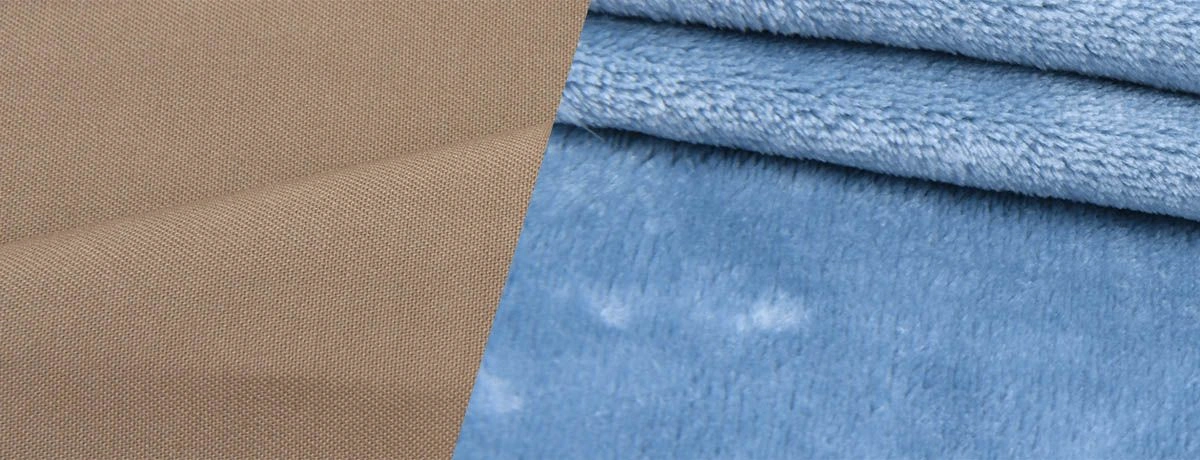
Garment manufacturers and textile distributors face critical decisions when selecting fabrics for seasonal collections. The choice between twill and flannel impacts production costs, garment durability, and end-user satisfaction, and these fabrics are also widely used in products like bed sheets and cold weather clothing. This guide compares the structural properties and commercial applications of twill and flannel fabrics, providing actionable insights for B2B procurement managers.
Quick Summary
Understanding the fundamental differences between twill and flannel allows for optimized inventory planning and product development.
-
Twill is defined by its weave structure. It features diagonal ribs, offering high durability and drape. It is ideal for workwear, trousers, and corporate uniforms.
-
Flannel is defined by its finish. It features a napped surface for insulation and softness. It is essential for winter casual wear, sleepwear, and linings, as well as bed sheets and pajamas, making it a staple for cold weather clothing and bedding.
For heavy-duty applications requiring longevity, specify twill. For cold-weather collections prioritizing comfort and warmth retention, specify flannel.
What Is Twill Weave?
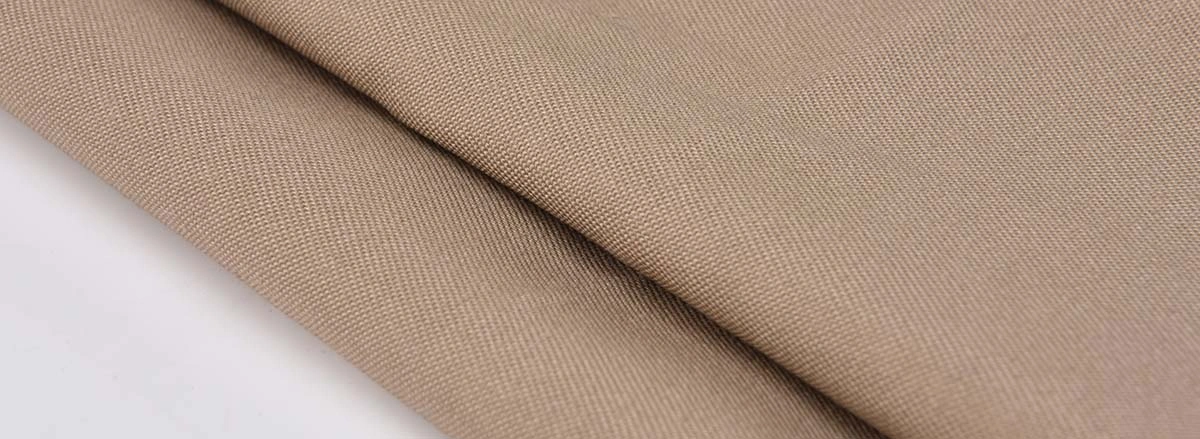
Twill is characterized by a specific weaving pattern rather than the fiber itself. In this construction, the weft thread passes over one or more warp threads and then under two or more warp threads. This creates a distinctive diagonal line or “wale” on the fabric surface. Making twill involves interlacing weft threads with warp threads in a specific pattern to create the diagonal rib, which is fundamental to the structure of twill fabrics such as denim, chino, and herringbone.
This structural design offers several industrial advantages:
-
Durability: The high thread count and compact structure make twill resistant to tearing and abrasion.
-
Drape: Unlike plain weaves, twill fabrics drape well against the body, making them suitable for structured garments.
-
Soil Resistance: The twill weave’s unique pattern effectively conceals stains and dirt, making it an ideal choice for industrial uniforms. Its textured surface naturally masks blemishes, making it perfect for durable applications such as furniture upholstery and denim apparel.
-
Opacity and Thickness: High-thread-count cotton twill is often used for premium bed sheets due to its opaque, thick, and durable nature.
MH supplies customized twill fabrics in various weights and fiber blends, including 100% cotton, polyester-cotton, and stretch blends, manufactured to specific order requirements.
Twill fabrics can feel heavier and less breathable than some plain weaves, which may influence fabric selection for certain applications.
What Is Flannel Fabric?
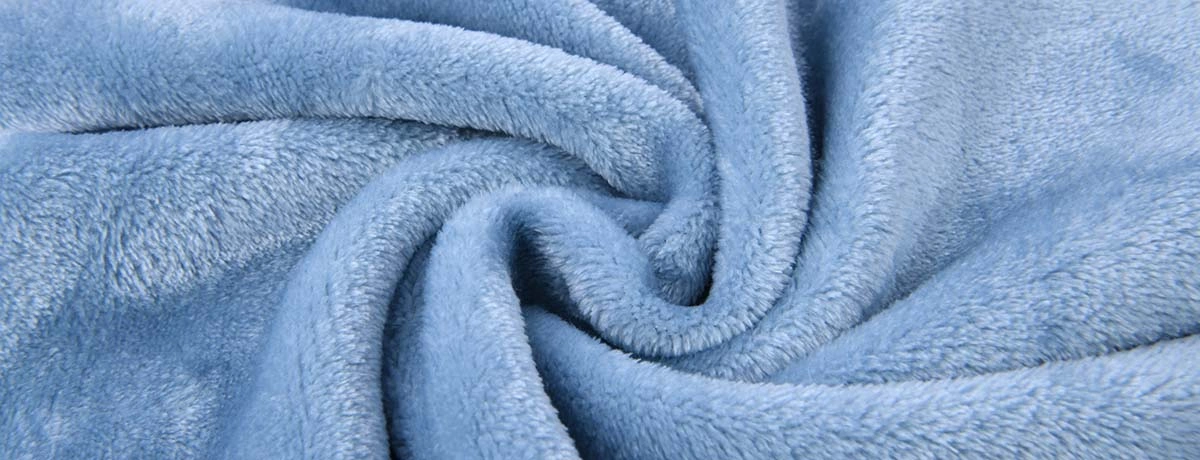
Flannel is defined by its brushed surface, known as “nap.” While historically made from wool, modern commercial flannel is often produced using cotton, synthetic fibers, or blends. The manufacturing process involves passing the woven fabric over metal brushes that raise fine fibers from loosely spun yarns. Flannel is created by loosely spun yarn woven into either a twill weave or plain weave, and the unique brushed technique makes the fabric exceptionally soft and warm.
This mechanical finishing process creates pockets of air within the fabric structure, resulting in:
-
Thermal Insulation: The trapped air retains body heat effectively.
-
Soft Handfeel: The brushed texture provides immediate comfort against the skin.
Flannel can be woven in either a plain or twill weave before brushing, but the defining characteristic remains the napped finish. MH offers extensive capabilities for producing single or double-sided brushed flannel tailored to buyer specifications. Flannel weaves can be brushed on one or both sides, depending on the desired softness and application.
Flannel is widely used for baby clothing due to its gentle feel on sensitive skin.
Twill Fabric: Variations and Uses
Twill is a versatile category encompassing several specific fabric types used in mass production. Common variations include:
-
Drill: A strong, durable cotton twill used in uniforms and casual shirts.
-
Gabardine: A tightly woven twill with a smooth face, often used for suits and overcoats.
-
Serge: A balanced twill often used for military uniforms.
-
Denim: Perhaps the most recognized twill, featuring a colored warp and white weft.
Other notable types include brushed twill, which has a soft, textured surface ideal for comfortable shirts; herringbone, a variation with a distinctive V-shaped or fish-bone pattern used in suits and upholstery; tweed, a durable, textured twill often found in jackets and outerwear; and corduroy, recognized for its ribbed texture and timeless appeal, making it a warm and stylish choice for casual and vintage-inspired fashion. Silk twill is utilized for high-end accessories like ties and scarves.
Because of its tight weave, twill naturally resists wrinkles and hides signs of wear better than plain weaves. Twill ranges from light to heavy and is often used for year-round, structured garments. This makes it the standard choice for items subjected to frequent use and industrial laundering, such as corporate workwear, chinos, and upholstery.
Twill fabrics may be made out of cotton or wool, offering versatility for different applications.
Twill vs Flannel: Side-by-Side Comparison
For procurement teams evaluating fabric specifications, the following table outlines key performance metrics.
|
Feature |
Twill |
Flannel |
|---|---|---|
|
Primary Characteristic |
Diagonal weave structure |
Napped/brushed surface |
|
Texture |
Smooth, crisp, textured ribs |
Soft, fuzzy, warm |
|
Durability |
High; resistant to abrasion |
Moderate; prone to pilling over time |
|
Warmth |
Low to Moderate (depends on weight) |
High (excellent heat retention) |
|
Breathability |
Moderate |
Moderate to Low (insulating) |
|
Common Uses |
Pants, jackets, uniforms, shirts |
Winter shirts, pajamas, bedding |
|
Seasonality |
All-season (weight dependent) |
Autumn/Winter |
Durability and Abrasion Resistance
Twill outperforms flannel in longevity. The uneven texture of twill weave naturally conceals dirt and stains, making it an ideal choice for durable, long-lasting fabrics. The float threads in twill allow for a higher density of yarns, creating a stronger material. Flannel, while durable enough for casual wear, will eventually show wear through pilling due to its raised fibers.
Warmth and Insulation
Flannel is the superior insulator. The napping process disrupts the smooth surface of the fibers, creating a thermal barrier. Twill offers some wind resistance due to its tight weave but lacks the intrinsic thermal properties of flannel unless heavier weights are specified.
Practical Selection Tips for Buyers
When creating tech packs or issuing purchase orders, consider the functional requirements of the final garment.
-
Workwear and Uniforms: Select twill. The structural integrity withstands rigorous industrial washing cycles and physical stress.
-
Cold-Weather Casual: Select flannel. The market demand for “shackets” and winter button-downs relies on the specific handfeel of brushed fabric.
-
Fabric Weight: Specification of GSM (grams per square meter) is crucial. A heavyweight twill can rival a lightweight flannel in warmth, while a lightweight twill serves well for summer shirting.
-
For warm weather bedding, consider cool percale or percale weave, which offer an ultra breathable weave and a crisp, smooth feel. Combed cotton is a higher-grade option for those seeking a premium, tightly spun, and smooth fabric. Plain weave is another alternative for lightweight, breathable applications.
MH operates on a make-to-order basis, allowing clients to specify exact fiber compositions (e.g., CVC, TC, 100% Cotton) and weight requirements to balance cost and performance.
Flannel Fabric: Styling and Care
Flannel remains a staple in autumn and winter retail collections.
-
Garment Applications: Ideal for button-down shirts, lined jackets, and lounge pants.
-
Care Instructions: Flannel requires specific care labeling. It should be washed in cool water to prevent shrinkage and excessive pilling. Proper care ensures a beautiful wash and maintains the weave soft, preserving the fabric's comfort and feeling beautiful wash over time.
-
Production Note: High-quality flannel sourcing should focus on anti-pilling treatments during the finishing stage to extend the garment’s commercial lifecycle.
Twill Shirts: Styling, Fit, and Care
Twill shirting offers a polished alternative to broadcloth or poplin.
-
Occasions: Suitable for business casual and corporate environments. The subtle sheen of some twill weaves adds a premium aesthetic. Some twill shirts feature a no sheen finish for a more casual, matte appearance.
-
Drape: Heavier twill shirts can function as overshirts. Lighter weights work well for fitted dress shirts. Twill shirts can be finished on one or both sides, depending on the desired texture and appearance.
-
Laundering: Twill releases stains relatively easily but can be prone to shine if ironed at too high a heat.
Cavalry Twill: What It Is and When To Wear
Cavalry twill is a distinct variation featuring a double diagonal cord. It is significantly heavier and more robust than standard twill.
-
Applications: Riding breeches, heavy trousers, and structured coats.
-
Selection Criteria: Choose cavalry twill when the garment requires extreme durability and structure. It is not suitable for lightweight shirting or soft loungewear. Unlike flannel, it provides a hard-wearing exterior rather than a soft, insulating touch.
Conclusion: Strategic Sourcing for Textiles
The decision between twill and flannel rests on the functional intent of the garment. Twill delivers structural durability and professional aesthetics suitable for year-round workwear and trousers. Flannel provides essential thermal insulation and comfort for seasonal winter collections.
MH stands ready to support global distributors and garment factories with high-volume, customized production of both fabric types. By leveraging our manufacturing capabilities, buyers ensure precise adherence to technical specifications and reliable delivery schedules.