
What Are the Different Types of Rope for Industrial and Commercial Use?
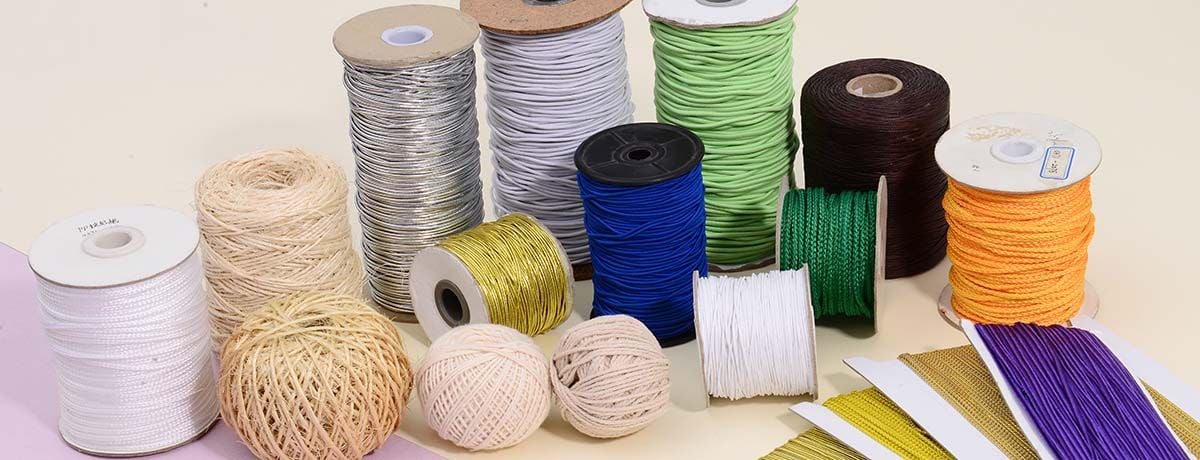
Introduction
Rope is widely used across industries—from garments and packaging to marine industries, construction, and rescue operations. Understanding different types of rope, including synthetic ropes and natural fiber rope, helps B2B buyers choose the right solution for performance, durability, and cost.
Specialized ropes are ideal for industries in which climbing, marine, fitness, construction, and survival are applied.
Whether you are sourcing polyester rope, nylon rope, or polypropylene rope, each rope type offers specific advantages such as high strength, abrasion resistance, or UV resistance.
Rope technology advanced significantly during World War II, with the introduction of synthetic fibers like nylon.
Proper maintenance and care are crucial for ropes, not only to extend their lifespan and ensure reliability but also to prevent accidents.
What Are the Main Types of Rope?
Ropes are generally divided into two main categories, from general-purpose solutions to specialized options like plastic packing rope for industrial packaging:
Common rope materials include synthetic fibers such as nylon, polyester, and polypropylene, as well as natural fibers like manila and cotton.
Natural ropes are biodegradable, while synthetic ropes offer enhanced durability and resistance to environmental factors.
1. Synthetic Fiber Ropes
Made from materials like polyester, nylon, and polypropylene, synthetic fiber ropes are widely used due to:
-
High tensile strength
-
Excellent abrasion resistance
-
UV resistant and chemical resistant properties
-
Low stretch or controlled stretch options
-
Being made from synthetic fibers, which provide superior strength and durability
Synthetic fiber ropes are significantly stronger than their natural fiber counterparts and have a higher tensile strength.
Common types include:
-
Polyester rope (low stretch, durable, UV resistant)
-
Nylon rope (high stretch, ideal for dynamic loads)
-
Polypropylene rope (lightweight, low cost, water resistant)
Polyester fibers enhance the durability and outdoor resistance of ropes, especially when combined with other materials.
These ropes are ideal for marine applications, dock lines, anchor lines, and industrial use.
Synthetic ropes offer excellent resistance to environmental factors such as UV rays, water, chemicals, and abrasion.
Synthetic ropes are more resistant to rotting than natural ropes and do not absorb moisture, making them suitable for harsh weather conditions.
2. Natural Fiber Ropes
Natural ropes are made from natural fibers such as cotton, jute, hemp, sisal, and manila rope.
Features:
-
Rough texture
-
Biodegradable
-
Absorbs water
-
Lower chemical resistance
Cotton ropes are soft and flexible, making them ideal for crafts and decorating. However, they are not suitable for marine or outdoor use because they absorb moisture and are less durable. Sisal rope, with its rough texture and natural origin, is commonly used for gardening, fencing, and pet accessories due to its biodegradability and ability to hold knots well.
Applications:
-
Decorative purposes
-
Traditional packaging
-
Net making
Natural fiber ropes are biodegradable, have excellent grip, absorb moisture, and are easy to handle, but they are less durable and weaker than synthetic ropes. Natural ropes are often used for decorative and light-duty applications, while synthetic ropes are preferred for heavy-duty and industrial uses.
Rope Construction Types Explained
Understanding rope construction is essential when selecting the right rope:
1. Twisted Rope (Single Strand / Three-Strand Rope)
-
Made using twisted construction
-
Strong and economical
-
Common in marine use and agriculture

2. Braided Rope (Solid Braided Rope / Double Braided Rope)
-
Smooth surface, high flexibility, and abrasion resistant, making them durable for demanding applications
-
Includes solid braid, kernmantle rope, and braided rope structures
-
Ideal for climbing rope, rescue operations, and sports
Double braid ropes feature a braided core inside a braided cover, providing superior strength and stability.
3. Flat Cord
-
Flat shape, soft and lightweight
-
Used in garments, shoes, and bags
Key Performance Factors to Consider
When choosing rope, B2B buyers should evaluate:
-
Tensile strength & breaking strength
-
Abrasion resistance & durability
-
UV resistance (UV rays exposure)
-
Chemical resistant performance
-
Stretch vs low elongation (static ropes vs dynamic ropes)
-
Weight (light weight vs heavy duty)
-
Exposure to high temperatures can weaken or degrade ropes, so temperature resistance is a critical factor in rope durability and performance.
Wire ropes are made to withstand extreme loads and can resist abrasion, crushing, and high temperatures.
For example:
-
Static ropes → minimal stretch, ideal for safety and lifting
-
Dynamic ropes → stretch for shock absorption (climbing)
Regular inspection, cleaning, and proper storage are necessary for rope maintenance. Damaged or worn-out ropes should be replaced immediately to prevent accidents and ensure safety.
Applications of Different Rope Types
Different industries require different rope types:
Garment & Footwear
-
Drawstrings, sash cords, shoelaces
-
Flat cords and elastic ropes
Packaging & Retail
-
Shopping bag handles
-
Decorative ropes using lightweight chiffon fabric trims
Marine Industries
-
Mooring lines, dock lines, anchor lines
-
Require high strength, UV resistant, and chemical resistant ropes. Polypropylene ropes are lightweight, do not absorb water, and are resistant to most chemicals, making them suitable for marine applications. Thanks to its resistance to most chemicals, it's also commonly used for pool lanes, ski ropes, and fencing.
Industrial & Construction
-
Heavy-duty lifting
-
Safety and binding that often complement durable polyester spandex workwear fabrics
Outdoor & Rescue
-
Climbing rope, rescue operations
-
Require high tensile strength and durability, and are often used alongside nylon spandex stretch performance fabrics
Most Popular Rope Materials for B2B Buyers
Popular ropes for crafting and decorative purposes include traditional natural fiber ropes like manila and cotton, as well as synthetic options like polyester.
|
Material |
Key Features |
Typical Use |
|---|---|---|
|
Polyester |
Low stretch, UV resistant, durable |
Marine ropes, outdoor use |
|
Nylon |
High stretch, strong |
Climbing, dynamic loads |
|
Polypropylene |
Light weight, low cost |
Packaging, agriculture |
|
Cotton |
Very soft and flexible, comfortable to handle but poor for strength; bleached white cotton rope is a soft, aesthetically pleasing option that can be customized for rustic or decorative styles; commonly used for decorative crafts and pet leashes |
Decorative ropes, crafts, pet leashes |
|
Sisal / Manila |
Natural fiber ropes include materials such as cotton, jute, hemp, and sisal, which are biodegradable and have good grip; rough texture, eco-friendly |
Traditional rope uses |
Why Choose MH as Your Rope Supplier
When sourcing rope in bulk, working with a reliable supplier like Ningbo MH for garment accessories and tailoring materials ensures consistent quality and delivery.


Full Range of Rope Types
MH offers a wide variety of rope products, including:
-
Bobby Tiny Cord
-
Elastic Rope
-
Twisted Rope
-
Polypropylene Rope
-
Non-Elastic Metallic Rope
-
Flat Cord, often paired with custom zippers for garments and bags
Strong Supply Capacity
-
Large-scale production
-
Stable supply for bulk orders
-
Fast delivery worldwide
Customization Available
-
Custom colors, diameters, and materials
-
Tailored solutions for different industries
Quality Assurance
-
Strict quality control
-
High durability and performance standards
Global Experience
-
Serving customers in over 150 countries
-
Trusted by garment manufacturers and wholesalers
Conclusion
Choosing the right rope depends on material, construction, and application. Whether you need synthetic fiber ropes for marine use or natural ropes for decorative purposes, understanding the differences helps you make better purchasing decisions.
With a reliable supplier like MH, B2B buyers can secure high-quality rope products with consistent performance, competitive pricing, and global supply capability.
