
What Are the Main Types of Sofa Fabric for Furniture Manufacturing?
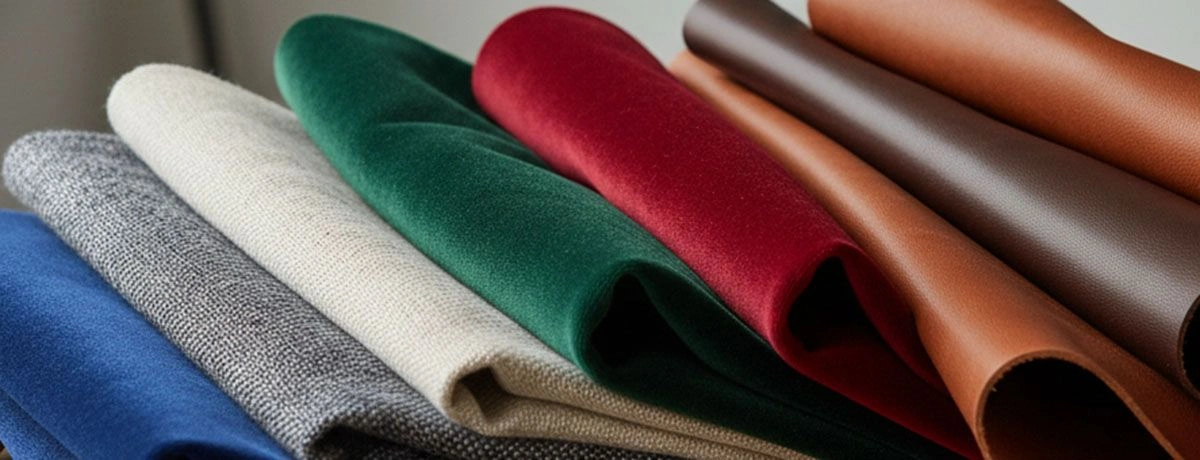
Selecting the right upholstery material dictates the success of any furniture manufacturing line. Choosing the best fabric is crucial for ensuring both durability and aesthetics in sofa manufacturing. Wholesalers, factory owners, and professional B2B buyers must balance material costs, durability metrics, and market trends to ensure profitable production runs. The materials you procure directly influence the final product’s durability, comfort, maintenance requirements, and aesthetic appeal.
Understanding the various types of sofa fabric—ranging from natural fibers to engineered performance blends—enables manufacturers to meet diverse consumer demands. To deliver the right sofa for every environment, it’s essential to choose the right fabric and sofa material that match consumer needs and usage scenarios. Whether the target market requires luxury natural finishes or high-traffic durability, specifying the correct textile is critical.
MH, a leading B2B integrated manufacturing and trading textile company, supports large-scale furniture production with specialized Make-to-Order (MTO) supply chain solutions. By focusing entirely on customized bulk production rather than ready-stock retail, MH provides reliable, high-capacity manufacturing and expert global export services, particularly across Latin America. This guide breaks down the essential fabric categories, weaves, and performance metrics—including a look at different couch materials such as natural and synthetic fibers—to streamline your bulk procurement process for a new sofa.
Overview of Major Sofa Fabric Categories
Sofa fabrics generally fall into three primary categories of couch materials: natural sofa fabrics made from natural materials, synthetic fibers, and other materials such as engineered performance fabrics. The choice of sofa material in each category influences not only the operational lifespan of the furniture but also its comfort, maintenance needs, and overall style. Understanding these distinctions helps in selecting the right upholstery fabric for durability and aesthetics for different lifestyles and aesthetic preferences.
For fabric sofas, it's important to note that synthetic fabrics are often more durable than natural fabrics, making them a preferred option for high-traffic or commercial settings. Evaluating these categories helps factories align their material procurement with specific product lines, from premium living room collections to durable commercial seating.
Natural Fabrics and Natural Fibers
Natural fibers originate from plants or animals and are considered natural materials prized for their comfort, luxury, and timeless appeal. Natural sofa fabrics, such as linen and wool, are valued for their durability, softness, and versatility. Pure cotton, although widely used for its softness and comfort, is relatively rare in upholstery, as most sofa fabrics are blends—making it important to specifically find pure cotton if you seek high-quality, unblended natural materials. These blends often combine natural and other fabrics to enhance performance and ease of maintenance. While they deliver exceptional comfort and a perceived sense of luxury, natural fabrics typically require specialized cleaning methods and may exhibit wear faster than synthetic alternatives.
Cotton
Cotton sofas are known for their softness, comfort, and versatility, making them a popular choice for many homes. Cotton is also breathable, which makes it ideal for households with allergy or asthma sufferers.
Cotton provides a breathable, soft surface and remains widely available across numerous weaves and price tiers. Because untreated cotton stains and wrinkles easily, manufacturers frequently utilize cotton blends and protective finishes to improve durability and stain resistance for residential furniture lines. Blending cotton with other fabrics provides more durability, making cotton sofas extremely durable and highly durable. Additionally, cotton can be fade resistant when treated, making it a practical choice for long-lasting upholstery.
Linen
Derived from the flax plant, which has been cultivated for nearly 6,000 years, linen offers a crisp, cool hand feel and natural antibacterial properties. Linen is a loosely woven fabric, contributing to its exceptional breathability and comfort. However, pure linen wrinkles and soils readily, making it best suited for low-traffic or adult-only areas, as it can be difficult to clean if stained. For frequent-use upholstery, performance-linen blends are highly preferable, offering the aesthetic of linen with enhanced structural integrity.
Wool
Wool is a durable natural fiber recognized for its natural resilience, flame resistance, and ability to resist pilling. In industrial upholstery applications, manufacturers often blend wool with synthetic fibers to simplify cleaning processes and reduce felting, creating a robust fabric suitable for high-end markets.
Performance Fabrics and Durable Fabric Options
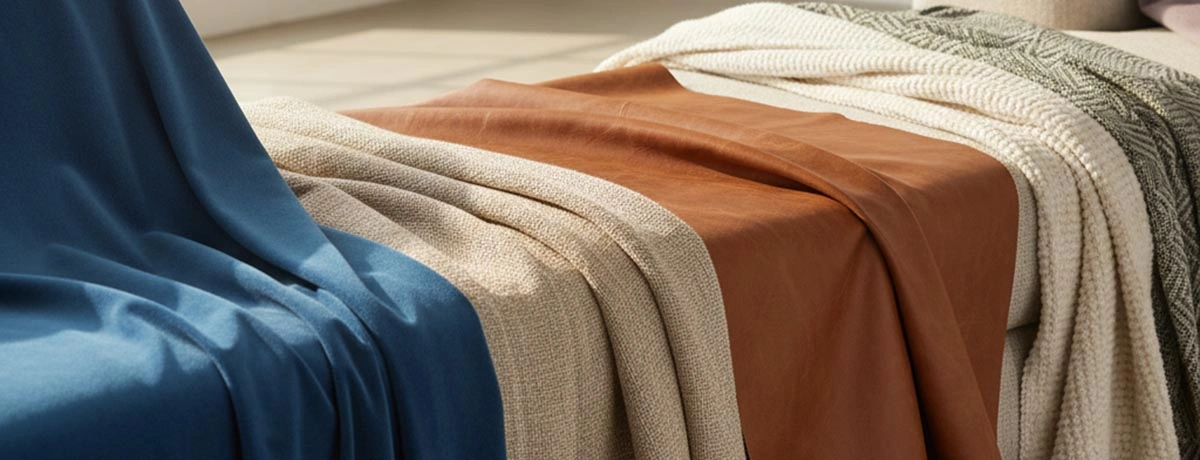
Performance fabrics are engineered specifically for stain resistance, UV stability, and simplified maintenance. Sourcing high quality fabric is essential, as it ensures the upholstery is highly durable and often made from blends of natural and synthetic fibers or other materials to enhance longevity and versatility. By blending natural fibers with advanced synthetics, textile engineers create materials that combine comfort with exceptional durability. High-performance fabrics, including polyester spandex stretch woven upholstery options, are designed to be water resistant and easy to clean, making them ideal for heavy use in both indoor and outdoor settings. When assessing these options for bulk purchase, professional buyers should evaluate manufacturer specifications such as abrasion double-rub counts—a higher double rub count signifies a more densely woven, durable material—and applied stain-resistance treatments, especially when diversifying into lighter, drapable wholesale chiffon fabric for fashion applications alongside heavier upholstery lines. Engineered materials are typically more stain-resistant and durable, making them suitable for households with children or pets.
Microfiber and Polyester Blends
Fabric sofas made with microfiber are a popular choice for households with pets or children due to their durability and easy cleanability. Microfiber features a dense, lint-free surface that inherently resists stains and simplifies the cleaning process. As a synthetic fabric, microfiber is highly durable, water-resistant, and easy to clean, making it ideal for high-use furniture.
Polyester blends provide excellent wrinkle resistance and colorfastness. Polyester is also fade resistant, resistant to wrinkling and snags, making it a durable option for upholstery. However, sourcing high-quality yarns is crucial, as lower-grade polyester can lead to surface pilling over time.
Sofa fabrics vary widely in durability and maintenance, with synthetic fabrics like microfiber, polyester, and olefin offering the highest durability and easiest cleaning, especially when you specify super soft polyester sofa upholstery fabric designed for long-term performance.
Olefin / Polypropylene
Olefin is water resistant and fade resistant, making it suitable for both indoor and outdoor furniture. It delivers high resistance to abrasion, mildew, and sunlight. This makes it an ideal choice for heavy-use indoor furniture or outdoor sofa collections. Many olefin upholstery options are bleach-cleanable and manufactured sustainably from recycled materials, appealing to eco-conscious market segments.
High-Performance Blends
High-performance blends are made from natural and synthetic fibers and other materials to enhance durability. These fabrics are designed to withstand heavy use, are water and stain resistant, and are easy to clean, making them suitable for harsh conditions. High-performance blends incorporate specialized chemical treatments for water repellency, antimicrobial protection, and enhanced abrasion resistance. When procuring treated upholstery fabrics, buyers must consider long-term performance warranties and specific cleaning protocols to ensure the material meets the end-user’s expectations.
Fabric Weaves
The weave construction determines the fabric’s texture, tensile strength, and capacity to hide soil or wear. Fabric sofas and other fabrics use a variety of weave constructions to achieve different textures, durability, and maintenance requirements. Tighter weaves generally offer superior resistance to snagging and daily soiling compared to loose or highly decorative weaves, particularly when sourced from an integrated global textile and garment accessories supplier capable of consistent quality control.
Plain Weave
Plain weave utilizes a simple over-under intersecting structure. This creates a durable, breathable surface commonly seen in canvas or duck fabrics. Tightly woven plain weave fabrics resist excessive pilling and simplify the repair process during manufacturing.
Twill Weave
Twill weave produces a distinct diagonal pattern that improves overall abrasion resistance. This structure effectively hides soil and wrinkles. Twill fabrics recover easily from creasing, though their susceptibility to pilling depends heavily on the specific fiber content used.
Velvet, Chenille, and Pile Weaves
Pile and napped weaves, such as velvet and chenille, deliver a plush, luxurious texture. Holland velvet upholstery fabric is a dense fabric with a luxurious, soft feel that can transform the appearance of a room. These weaves require careful handling during production and precise maintenance instructions for the end-user. Velvet is durable and doesn't snag easily, making it a practical yet opulent choice for upholstery, but it can show crush marks and often requires professional cleaning. Because pile weaves can show wear patterns and attract pet hair, sourcing high-quality, dense constructions is necessary for product longevity. Satin weave fabrics, in contrast, lack a distinguishable pattern due to their unique threading process, resulting in a smooth, shiny surface.
How To Choose Upholstery Fabric
For B2B buyers and factory owners, choosing upholstery fabric means selecting the right fabric and best fabric for the intended use and lifestyle. It’s essential to consider high quality fabric that offers durability, resistance to fading and stains, and often incorporates other fibers like nylon blended with natural or synthetic materials to enhance performance, and to pair these fabrics with reliable polyester sewing thread for upholstery production. When evaluating sofa material, match your choice to the needs of households with kids or pets by prioritizing easy-to-clean and durable options. If the end product targets households with pets or children, prioritize materials with high stain resistance and durability. Coordinate these materials with 40/2 spun polyester sewing thread engineered for high-stress seams to ensure the finished sofa performs consistently in daily use. Remember, different fabrics require different cleaning methods—regular cleaning, vacuuming, and using coasters or placemats can help maintain the appearance and longevity of sofa fabrics. For delicate fabrics, professional cleaning is recommended to avoid damage. Match performance metrics—specifically double-rub counts and applied treatments—to the sofa’s intended daily use. Additionally, evaluate colorfastness, pattern scale, and texture relative to current interior design trends.
Partner with MH for Make-to-Order Upholstery Solutions
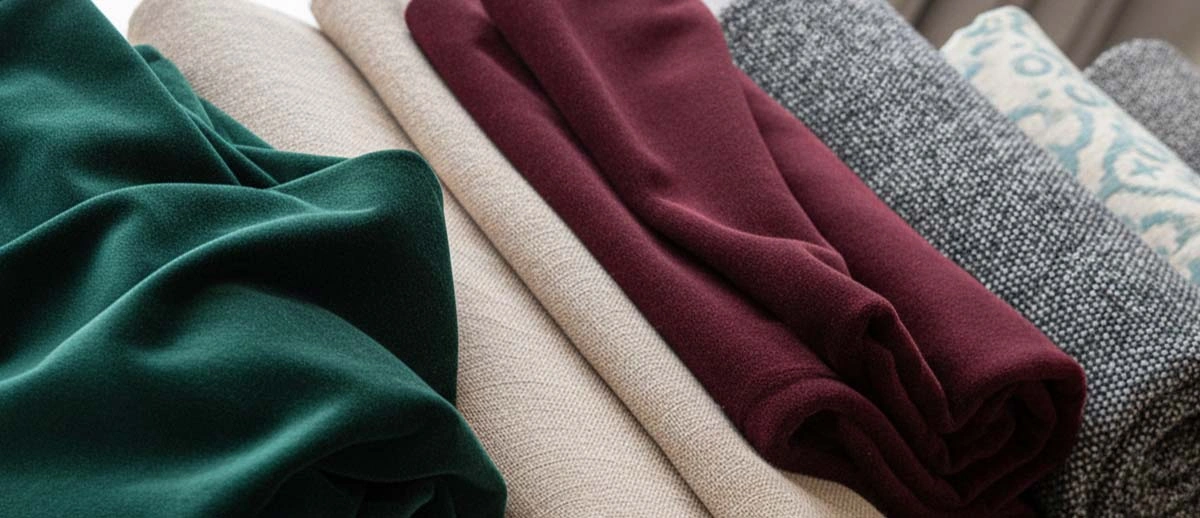
Securing the right textile supplier is vital for maintaining a profitable and reliable manufacturing operation. Before finalizing any bulk purchase, buyers should verify fiber content, weave type, abrasion ratings, and cleaning protocols for each upholstery fabric used in sofa manufacturing, from basic weaves to premium super soft polyester sofa fabrics. Requesting fabric swatches to test hand feel and lightfastness ensures the material meets your exact production standards.
MH operates exclusively as a Make-to-Order supplier, meaning we do not keep ready stock. This approach guarantees that every yard of fabric is manufactured specifically to meet your industrial quality standards and project requirements, and can be complemented with in-house embroidery thread production capabilities for value-added detailing. With large-scale production capacity and extensive global export expertise—particularly serving the Latin American market—MH provides the supply chain reliability your factory needs to scale efficiently, including access to high-capacity rayon embroidery thread supply for branded cushions and decorative elements. Partner with MH to optimize your procurement strategy and deliver exceptional furniture to your target markets.