
What Is Uniform Plaid Fabric and Why Is It Widely Used in School and Work Uniforms?
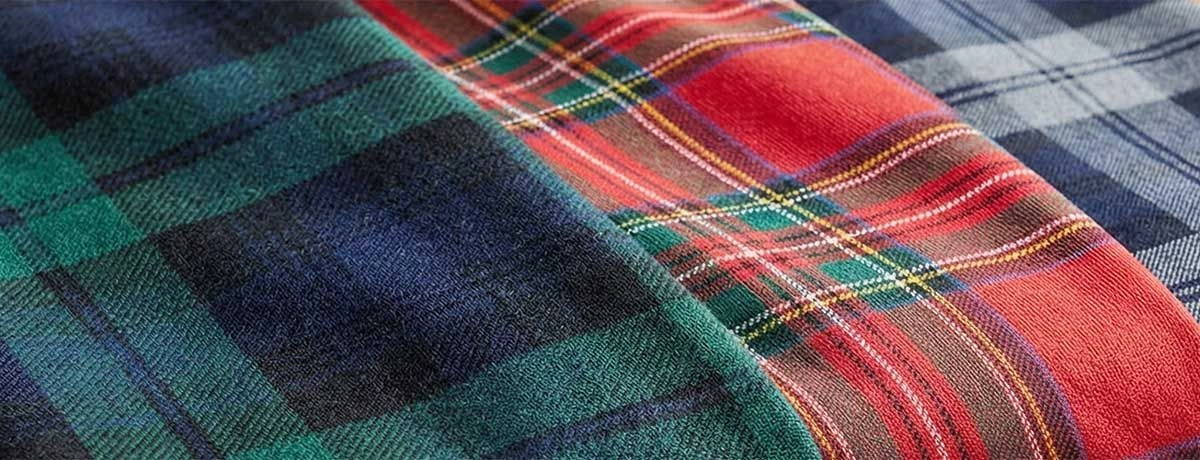
Overview of Uniform Plaid Fabric
Uniform plaid fabric is a specialized textile engineered for high-volume garment production, characterized by checkered patterns created through yarn-dyed weaving processes. Unlike decorative fashion fabrics, uniform plaid is designed with repeatable check or tartan patterns that must remain stable across large production runs and multiple seasons. The primary focus is on manufacturing consistency rather than trend-driven aesthetics.
This article addresses the needs of school uniform manufacturers, workwear factories, government and institutional garment suppliers, and fabric wholesalers seeking to source uniform plaid fabric in bulk. Written from the perspective of MH (Ningbo MH Industry Co., Ltd.), a vertically integrated B2B manufacturer and exporter of fabrics and garment materials, the content emphasizes pattern repeat accuracy, batch-to-batch color consistency, and supply stability—the critical factors that determine success in large uniform programs.
What Is Uniform Plaid Fabric Pattern?
In technical terms, plaid fabric refers to a pattern created by intersecting sets of colored yarns in warp and weft directions, typically produced on shuttleless looms as yarn-dyed woven textiles. The yarns are pre-dyed before weaving, which means the pattern is built directly into the fabric structure rather than applied afterward through printing. This construction method delivers superior colorfastness and pattern integrity compared to printed alternatives.
“Uniform plaid” specifically describes standardized, repeatable patterns approved by schools, companies, or institutions and maintained over many production seasons. Unlike fashion plaids that change with trends, uniform designs prioritize repeat stability, colorfastness, and long-term availability. Many people in the garment industry note that schools may continue ordering the same plaid design for 10 to 15 years or more, making supply continuity essential.
Typical weight ranges for uniform plaid fabrics fall between 180–280 g/m² for skirts and trousers, with lighter constructions for shirts and blouses. Standard widths run 57–59 inches (145–150 cm) to accommodate efficient garment cutting. Common applications include:
-
School skirts and kilts
-
Pinafores and tunics
-
Trousers and dress pants
-
Neckwear (ties and bowties)
-
Corporate and hospitality uniforms
Key attributes that distinguish uniform plaid from fashion plaid:
-
Repeatable pattern with defined repeat size
-
Industrial-wash durability (75+ cycles)
-
Colorfastness to washing, rubbing, and light
-
Available for re-order across multiple years
-
Consistent shade matching between production lots
Common Fabric Structures and Fiber Compositions
Fabric structure and fiber composition directly impact performance, wearer comfort, and lifecycle cost in uniform programs. Buyers who filter their selection based solely on appearance often encounter problems with durability or care requirements that add hidden costs over time.
Primary Woven Structures
Plain weave is commonly used for shirts and lightweight blouses, offering crisp pattern definition and breathability. The simple over-under interlacing creates a stable, balanced fabric that works well in lighter weights.
Twill weave dominates for skirts, trousers, and pinafores. The diagonal rib structure provides better drape and higher abrasion resistance—essential for seat and knee areas that experience constant friction. A 2/2 twill construction, where warp and weft yarns interlace in a balanced manner, typically yields fabrics with 200–300 threads per inch for optimal strength.
Double cloth or brushed finishes may be specified for colder climates, providing additional insulation and a softer hand feel for winter uniforms.
Typical Fiber Compositions
-
65/35 or 80/20 polyester/cotton — The most widely used blend for easy care, durability, and color retention. Polyester contributes tensile strength above 40 pounds per square inch, while cotton ensures breathability.
-
100% polyester — Offers high wrinkle resistance, fast drying, and strong colorfastness in deep shades like navy, black, and red. Particularly suitable for uniforms requiring minimal ironing.
-
100% cotton — Specified in certain markets requiring natural fibers or where specific school standards mandate cotton content. Often preferred for white or light-colored shirts.
-
Optional elastane content (2–5% spandex) — Added to plaid suiting fabrics for skirts and pants requiring stretch and recovery for comfort during movement.
Regional preferences vary: poly/cotton blends are widely used in Asia, Africa, and Latin America for school uniforms, while cotton-rich blends are sometimes preferred in hot climates where breathability is paramount.
Quick Reference: Typical Fabric Specifications
|
Application |
Structure |
GSM Range |
Common Blend |
|---|---|---|---|
|
Shirts/Blouses |
Plain weave |
120–160 |
65/35 P/C |
|
Skirts/Kilts |
Twill weave |
200–260 |
65/35 P/C or 100% Poly |
|
Trousers |
Twill weave |
220–280 |
65/35 P/C with optional stretch |
|
Pinafores |
Twill weave |
180–240 |
80/20 P/C |
Key Performance Characteristics for Uniform Plaid Fabric
Uniform buyers evaluate fabrics based on objective test data and long-term wearing performance, not just appearance. When you read specifications from suppliers, these are the metrics that matter for bulk sourcing decisions.
Durability and Abrasion Resistance
Uniform fabrics must withstand daily wear and industrial laundering. Martindale abrasion testing is standard, with uniform plaids typically rated above 20,000 cycles for polyester-cotton blends. For workwear applications, ratings may exceed 30,000 cycles. Stronger yarns and tighter constructions in high-stress areas (seat, knee, elbow) extend garment life.
Colorfastness
Colorfastness testing covers multiple exposure types:
-
Washing — Critical for uniforms laundered weekly; yarn-dyed plaids maintain 95% color retention after 50 washes compared to 70% for prints
-
Rubbing (wet and dry) — Crockmeter ratings of 4.5+ dry and 4.0+ wet prevent color transfer
-
Perspiration — Essential for school and work environments
-
Light — Blue wool scale ratings of 4–5 prevent fading in outdoor settings
Color continuity across re-orders is particularly important where schools maintain the same plaid design for years. Batch-to-batch consistency relies on ΔE (color difference) values under 1.0 using spectrophotometer measurements.
Dimensional Stability
Shrinkage limits for school uniforms typically fall within ±3% after specified wash cycles, tested per AATCC 135 standards. Heat setting, sanforizing, or pre-shrinking processes during finishing ensure consistent garment sizing across thousands of units. Without proper dimensional stability, ordered uniforms received by schools may not fit correctly after the first wash.
Additional Performance Properties
Depending on end-use requirements, buyers may request:
-
Anti-pilling performance — Especially important in polyester-rich blends; Martindale pilling tests should show grade 4 or better
-
Wrinkle resistance and crease retention — For skirts and pants that must maintain a professional appearance; poly-cotton blends show 30% better wrinkle recovery than pure cotton
-
Soil-release or easy-care finishes — Reduces cleaning effort and extends fabric life
-
Moisture management — Blends with wicking properties show 20–30% faster evaporation than pure cotton
Must-Check Lab Tests for Bulk Sourcing
-
Martindale abrasion (ASTM D4966 or equivalent)
-
Colorfastness to washing (ISO 105-C06)
-
Colorfastness to rubbing (ISO 105-X12)
-
Dimensional stability after washing (AATCC 135)
-
Pilling resistance (ISO 12945-2)
-
Tensile strength (ASTM D5034)
Applications in School Uniforms, Workwear, and Institutional Garments
Uniform plaid fabric is used wherever visual identity and recognizability are important. Schools, colleges, corporations, and institutions rely on distinctive plaid patterns to create a unified appearance that people immediately associate with their organization.

School Uniforms and School Uniform Plaid Fabric
School uniforms represent the largest application for yarn-dyed plaid fabrics. Typical garments include:
-
Girls’ skirts and kilts — Often in 6–8 inch pattern repeats with navy, green, red, or white as dominant colors
-
Tunics and jumpers — Worn over blouses in primary schools
-
Boys’ ties and bowties — Matching the school’s signature plaid
-
Blazer details — Plaid piping or pocket squares
Primary and secondary school programs in the UK, Australia, many African countries, and Latin American markets extensively use poly/cotton yarn-dyed plaids. Lightweight constructions (4–6 oz/yd²) balance durability with comfort for daily wear across 180+ school days per year. When schools order these fabrics, they expect the same beautiful pattern and shade to be available for re-orders year after year.
Workwear and Corporate Uniforms
In corporate settings, subtle plaid patterns appear in:
-
Office uniforms for front-desk staff
-
Hospitality sector garments (hotels, restaurants)
-
Transport uniforms (airline ground crew, railway staff)
Pattern scale is typically more restrained than school plaids—smaller repeats in muted colors create a professional appearance. Mid-weight constructions (7–10 oz/yd²) provide durability while maintaining comfort for indoor work environments.
Institutional Garments
Academic institutions, religious schools, and government-sponsored programs often specify particular plaids as part of their identity. These contracts may run 3–5 years or longer, requiring suppliers to maintain exact pattern and shade specifications throughout the contract duration.
The great challenge for suppliers is maintaining consistency over time—replacement uniforms purchased in year four must match those bought in year one, or the institutional identity becomes fragmented.
Typical Garments by Segment
|
Segment |
Primary Garments |
Typical Weight |
Key Requirements |
|---|---|---|---|
|
School Uniforms |
Skirts, kilts, ties, tunics |
4–6 oz/yd² |
Pattern matching, wash durability |
|
Corporate |
Suiting, vests, scarves |
6–8 oz/yd² |
Wrinkle resistance, professional drape |
|
Institutional |
Blazers, trousers, dresses |
6–10 oz/yd² |
Long-term shade consistency |
Care and Maintenance of Uniform Plaid Fabric
To keep your uniform plaid fabric looking beautiful and feeling comfortable, it’s important to follow the right care and maintenance steps. Whether you’ve purchased fabric for a school uniform, bedding, curtains, or creative crafts, proper handling will help preserve the vibrant print and soft texture that make plaid fabric so popular.
For school uniforms and similar items, always check the care description provided by the seller. Most plaid fabrics—available in classic colors like green, navy, black, red, and white—should be machine washed in cold water with a mild detergent. This gentle approach helps prevent color fading and keeps the pattern crisp, so your skirts, dresses, or shirts stay looking great throughout the school year. To avoid shrinkage and maintain the fabric’s quality, tumble dry on low heat or hang to air dry.
When it comes to bedding, curtains, or other home décor made from plaid fabric, consider hand washing or dry cleaning for the best results. These methods help maintain the fabric’s structure and ensure the beautiful colors remain bright. If you’re working on crafts or similar projects, always read the product description and reviews before purchase to make sure you’re getting the right fabric for your needs.
Shopping for plaid fabric is easy when you use filters to sort by price, color, pattern, and yardage. Many sellers offer a variety of options, from bold buffalo checks to subtle tartan prints, so you can find the perfect match for your project. Prices may vary depending on the pattern, color, and shipping costs, so be sure to compare similar items and read feedback from other buyers to shop with confidence. Most fabrics are sold by the yard, and some patterns are available in larger rolls, making it simple to order the exact amount you need.
Once you’ve added your favorite plaid fabric to your cart, continue to checkout and pay securely, knowing your purchase is protected. After you receive your order, take note of any care instructions included by the seller to ensure your fabric stays in top condition. With so many beautiful colors and patterns to choose from, you’ll love creating unique school uniforms, bedding, curtains, or crafts that people of all ages will enjoy.
Remember, great reviews and positive feedback from other customers can help guide your purchase, so always read what others have to say before you buy. With a little care and attention, your plaid fabric will remain a stylish and durable choice for uniforms and beyond.
MH Supply Capabilities and Sourcing Considerations
MH (Ningbo MH Industry Co., Ltd.) operates as a B2B manufacturer and exporter of fabrics and garment accessories, not a retail fabric seller. With nine factories across three industry zones and partnerships with 1,500–2,000 manufacturers globally, MH offers integrated supply solutions for uniform manufacturers seeking reliable, high-volume sourcing.
Uniform Plaid Fabric Supply
MH’s fabric capabilities include:
-
Production or sourcing of yarn-dyed plaids in polyester, poly/cotton, and cotton constructions
-
Custom pattern development for school or corporate clients with defined color and repeat specifications
-
Stock patterns available for faster lead times on common plaid designs
Production and Supply Advantages
For bulk order requirements, MH provides:
-
Stable long-term supply for multi-year uniform programs, addressing the confidence buyers need in supplier reliability
-
Competitive lead times — Development of new patterns typically requires 12–18 months for complex designs, while repeat orders of established patterns ship within 4–6 weeks
-
Minimum order quantities structured by color and plaid design, with flexibility for large-volume buyers
The price per yard varies based on composition, weight, and order volume. Shipping terms are typically FOB or CIF, with taxes and duties handled according to destination country requirements.
Quality and Compliance
MH maintains quality systems including:
-
ISO management system certification
-
Oeko-Tex certification for applicable product lines
-
Capability to meet regional regulatory or test requirements specified by buyers
What Buyers Should Prepare
When approaching MH for uniform plaid fabric sourcing, prepare the following:
-
Target composition, GSM, and width
-
Finish requirements (easy-care, moisture management, etc.)
-
Plaid design reference (physical swatch or CAD file)
-
Tolerance specifications for shade (ΔE limit) and repeat accuracy
-
Expected annual volume by style
-
Required certifications or test standards
With this information, MH can provide accurate pricing, lead time estimates, and sample development timelines. Reviews from existing customers consistently note the value of working with a single supplier who can coordinate fabric and trim sourcing together.


Related Garment Materials for Uniform Production
Beyond plaid fabric, MH’s comprehensive product range supports complete uniform manufacturing programs:
-
Sewing thread and core-spun thread — High-tenacity options suitable for high-stress seams in school and work uniforms
-
Interlining and fusible materials — For waistbands, collars, and plackets on plaid garments, ensuring shape retention through repeated laundering
-
Zippers, buttons, snaps, and hook-and-loop fasteners — Matched to school and corporate uniform requirements in coordinating colors
-
Ribbons, tapes, and webbing — Used as trims or reinforcement in uniform items
The advantage for B2B buyers is consolidating uniform plaid fabric and related accessories through one supplier. This approach streamlines coordination between materials, simplifies testing and compliance verification, and reduces logistics complexity. Rather than managing relationships with multiple sellers, buyers can shop for all uniform materials through MH’s integrated supply network.
For uniform manufacturers, school uniform suppliers, and garment factories seeking to purchase high-quality uniform plaid fabric with consistent batch-to-batch quality, MH offers a comprehensive B2B sourcing solution. Contact MH to discuss your specific requirements—whether you need established stock patterns or custom plaid development for institutional clients requiring long-term supply stability.
