
Upholstery Fabric for Sofa: Technical Guide for Manufacturers and B2B Buyers
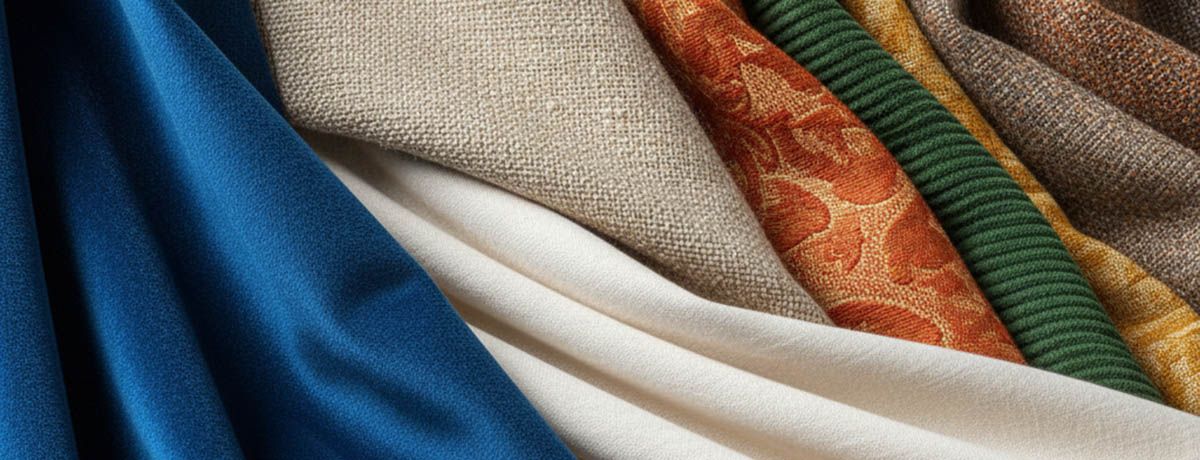
Upholstery Fabric for Sofa Manufacturing
Upholstery fabric for sofa production is a purpose-engineered textile designed to withstand repeated seating loads, friction, and years of daily use in residential and commercial environments. Unlike decorative textiles or drapery materials, sofa upholstery must perform as both a structural component and a wear surface, directly impacting manufacturing efficiency, product durability, and end-user satisfaction.
For B2B buyers—sofa factories, contract furniture producers, and fabric wholesalers sourcing bulk yardage—the fabric selection process centers on measurable technical specifications rather than aesthetic trends. Sofa upholstery fabric is typically a medium to heavy-weight woven or knitted textile, with standard widths of 140–150 cm (54–60 inches) optimized for marker efficiency in industrial cutting operations.
Key performance requirements that define specification-grade upholstery fabrics include:
-
Abrasion resistance: ≥25,000–50,000 Martindale cycles for residential applications, ≥80,000 cycles for contract and hospitality segments
-
Tensile and seam strength: Adequate warp/weft strength to withstand frame tensioning, stapling, and repeated loading
-
Pilling resistance: Ratings of 4–5 on standard scales for visible face fabrics
-
Colorfastness: To light, rubbing (dry and wet), and common cleaning agents
MH supplies upholstery fabrics and related garment and furnishing materials in bulk, with a focus on consistent quality, scalable production capacity, and compliance with certifications including ISO and OEKO-TEX standards. This integrated supply approach enables sofa manufacturers to coordinate fabric orders with matching sewing threads, zippers, webbing, and interlinings from a single supplier network.
What Is Upholstery Fabric for Sofas? (Definition & Role in Production)
Upholstery fabric for sofas is a technical textile engineered specifically for repeated seating loads, friction from clothing and skin contact, and long-term use in residential and commercial furniture applications. Unlike curtains, bedding, or decorative pillows, sofa upholstery must combine aesthetic appeal with measurable mechanical performance.
From a production standpoint, the fabric serves several critical structural functions:
-
Load distribution: Covers foam cushions, springs, and frames while distributing user weight evenly across seating surfaces
-
Component protection: Shields internal components (foam, webbing, interlining) from wear, contamination, and UV degradation
-
Dimensional control: Maintains stable fit and appearance through tensioning, stapling, and years of compression cycles
Typical constructions used for sofa upholstered furniture include materials offered by Ningbo MH, a leading provider of garment accessories and tailoring materials:
-
Woven fabrics: Plain weave, twill, dobby, and jacquard constructions form the majority of sofa face fabrics
-
Knitted fabrics: Warp-knit constructions for stretch applications, loose covers, and slipcover programs
-
Nonwovens: Primarily used for backing or lining rather than visible face applications
Standard weight ranges for sofa upholstery fall between 250–450 g/m² for residential applications, with heavier constructions (450–600+ g/m²) specified for contract and heavy-duty use. Fabric weight directly impacts drape, sewing behavior, and raw material cost per meter.
Width specifications matter significantly for mass production. Most sofa plants work with 54–60 inch (137–152 cm) rolls to optimize marker efficiency and reduce cutting waste. Narrow fabrics increase cutting complexity and material loss, while excessively wide fabrics may not fit standard cutting tables.
The fabric interacts closely with other materials in the sofa bill of materials—foam, interlining, webbing, sewing thread, zippers, and buttons. Coordinated sourcing of these components ensures compatibility in production and simplifies vendor management for large-volume manufacturing.
Common Types of Sofa Upholstery Fabrics (Fiber & Construction)
Sofa upholstery fabrics are selected based on fiber content, construction method, and finishing treatments to meet specific mechanical and aesthetic requirements. The best fabric for any application depends on the balance between performance specifications, cost targets, and market positioning.
Major fiber categories used in sofa upholstery:
-
Polyester: The most widely used fiber in sofa upholstery, offering high abrasion resistance, excellent colorfastness, and consistent batch-to-batch quality. Polyester blends easily with other yarn fibers without requiring specialized equipment. Solution-dyed polyester provides superior fade resistance for indoor furniture exposed to sunlight.
-
Polyolefin (PP/Olefin): A durable fabric option that is inherently stain resistant and water-resistant, making it suitable for both indoor upholstery and outdoor upholstery fabric applications. Olefin is produced by melting plastic pellets into long, flexible threads, creating a fiber that resists mildew and common household stains.
-
Nylon: One of the strongest upholstery fibers available, nylon provides exceptional abrasion resistance and elastic recovery. Typically blended with other fibers for added durability, nylon is a popular choice for high-traffic seating in hospitality and contract environments.
-
Cotton: Natural, breathable, and comfortable against skin, cotton offers easy dyeing and weaving flexibility. However, cotton requires blending with synthetics or specialized finishing for adequate durability in sofa applications. The most durable fabric constructions combine cotton with polyester or nylon.
-
Linen: Valued for its natural texture and dimensional stability, linen provides a distinctive aesthetic but requires careful blend formulation for sofa-grade durability. Linen-look weaves using synthetic fibers offer similar aesthetics with improved performance.
-
Viscose/Rayon: A semi-synthetic cellulose-based fiber that mimics natural fabrics like cotton and linens. Rayon is commonly blended with other fibers to create soft, comfortable upholstery with good drape characteristics.
-
Acrylic: Developed as a wool imitation, acrylic resists wear, wrinkling, soiling, and fading. It provides a soft hand feel suitable for residential living space applications.
-
Wool: A natural fiber offering excellent resistance to pilling, wrinkling, and soiling. Wool represents a luxury positioning in upholstery markets, often blended with synthetics for improved durability and easier maintenance.
Common fabric structures for sofas:
-
Flat woven constructions (plain, twill, basket weave): Foundational structures offering good dimensional stability and consistent appearance across large production runs
-
Chenille and pile weaves: Soft, textured surfaces including sofa chenille, velvet fabric, and corduroy-type constructions that provide tactile comfort and visual depth
-
Jacquard designs: Complex woven patterns enabling sophisticated designs without printing, suitable for elegant and contemporary sofa lines
-
Knitted stretch fabrics: Used for loose covers, slipcover programs, and modular sofa systems requiring dimensional flexibility
Market segment preferences vary by region and price point. Mid-range residential sofas commonly use chenille polyester constructions. High stain resistance applications favor flat woven polypropylene or olefin. Contract seating often specifies faux leather (PVC, PU) or microfiber for cost-effective cleanability.
Backing materials—nonwoven or knitted backings—improve dimensional stability and seam strength during cutting and sewing operations, reducing defect rates in mass production.
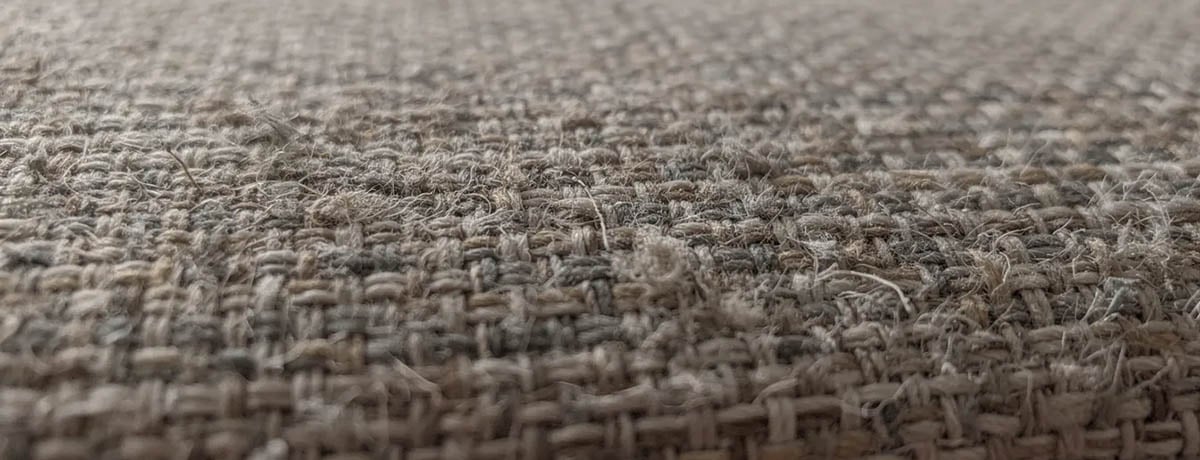
Application Scenarios: Residential, Contract, and Industrial Sofa Use
The same base upholstery fabric technologies can be adapted for different end-use environments, each with distinct performance requirements, regulatory frameworks, and buyer expectations.
Residential sofas:
Residential applications balance comfort, appearance, and durability within cost-conscious consumer price points:
-
Typical abrasion requirements: 25,000–40,000 Martindale cycles
-
Common constructions: Polyester chenille, cotton/polyester blends, velvet, linen-look weaves
-
Buyer priorities: Extensive selection of solid colors, patterns, and texture options to match personal style and home decor trends
-
Production considerations: Seasonal color updates, multiple SKU management, and responsive inventory programs
Residential interior designers and furniture retailers expect suppliers to maintain broad color ranges and respond to trend shifts with reasonable lead times.
Contract and hospitality seating:
Hotels, restaurants, office lobbies, and commercial lounge chairs demand higher performance specifications:
-
Abrasion thresholds: 50,000–100,000+ Martindale cycles
-
FR requirements: BS 5852 (UK), TB117-2013 (California), EN 1021-1/2 (Europe)
-
Surface properties: Easy-clean finishes, PU-coated or vinyl-like surfaces compatible with commercial cleaning protocols
-
Material preferences: Solution-dyed synthetics, Sunbrella fabrics for indoor/outdoor flexibility, and performance-treated wovens
Contract buyers prioritize documented test reports, FR certifications, and consistent supply availability across multi-year design project specifications.
Institutional and industrial applications:
Healthcare waiting areas, educational seating, transportation lounges, and public facilities present the most demanding requirements for textiles and upholstery selection:
-
Anti-microbial finishes rated for healthcare environments
-
Resistance to disinfectants, bleach-based cleaners, and commercial cleaning agents
-
Strong FR credentials meeting local building codes
-
High stain resistance against body fluids, food, and beverage spills
-
For applications demanding durability and reliability, selecting the appropriate industrial sewing thread is essential.
Fabrics specified for these segments must maintain appearance and performance despite aggressive cleaning regimes.
Modular and knock-down sofa systems:
Flat-pack and modular furniture requires specific fabric characteristics:
-
Dimensional stability for repeatable fit across thousands of units
-
Controlled stretch properties enabling consistent cover installation
-
High seam strength for frequent assembly and disassembly
-
Compatibility with automated sewing and cover production
Global export considerations:
Sofa manufacturers exporting finished furniture must align fabric specifications with destination country requirements:
-
Chemical restrictions: REACH (EU), Proposition 65 (California), GB standards (China)
-
FR regulations vary significantly by market and product category
-
OEKO-TEX certification provides baseline assurance for many markets
-
Documentation and test reports must accompany shipments for customs and retail compliance
MH supports export-oriented sofa manufacturers with testing documentation and quality certifications suitable for global distribution.
Evaluating and Sourcing Sofa Upholstery Fabric in Bulk
For sofa manufacturers and distributors, fabric sourcing decisions affect cost structure, warranty claims, and brand positioning over several years of a model’s life cycle. The perfect choice for any program balances technical performance, commercial terms, and supply reliability.
Technical evaluation workflow:
A structured evaluation process reduces sourcing risk and ensures fabric meets production requirements:
-
Initial specification development: Define fiber content, weight range, construction type, and performance targets based on product positioning and target market
-
Lab dips and strike-off approvals: Evaluate color accuracy and surface characteristics on sample yardage before bulk commitment
-
Laboratory testing: Verify abrasion, colorfastness, tensile strength, and other parameters against internal standards or customer specifications
-
Pilot production: Run trial batch of 20–50 sofas to assess real-world upholstery behavior, cutting yield, sewing performance, and defect rates
-
Bulk production approval: Finalize specifications and place volume orders
Commercial terms for upholstery manufacturers:
Beyond technical specifications, commercial terms significantly impact total sourcing cost:
-
MOQ per color: Typical minimums of 1,000–3,000 meters depending on construction complexity
-
Standard piece length: Roll put-up formats affecting cutting room efficiency
-
Defect tolerance: Acceptable defect levels per 100 meters for quality acceptance
-
Lead times: Initial order vs. repeat order timelines; options for greige stock with quick dyeing programs
-
Packaging formats: Rolled on cardboard tubes, poly-bagged, palletized—must suit automated cutting room requirements
For buyers seeking fabric by the yard in sample quantities, many suppliers offer development support before committing to bulk production orders.
Key Takeaways
Sourcing upholstery fabric for sofa manufacturing requires balancing technical performance, production efficiency, and supply chain reliability. Whether you’re producing residential couches, contract seating for hospitality environments, or institutional furniture, the right fabric specification determines product quality and warranty exposure over the model’s entire lifecycle.
For B2B buyers evaluating upholstery fabrics:
-
Specify measurable parameters: Request abrasion test results, colorfastness ratings, and weight specifications rather than relying on general descriptions
-
Consider production behavior: Evaluate how fabric performs in cutting, sewing, and upholstery operations—not just end-use performance
-
Plan for consistency: Ensure suppliers can maintain shade control and specification compliance across multi-year production programs
-
Coordinate sourcing: Integrate fabric orders with matching threads, trims, and interlinings to streamline vendor management
MH supports sofa manufacturers and furniture fabric wholesalers with bulk upholstery fabric supply, comprehensive garment accessories, and coordinated material programs. With certifications including ISO and OEKO-TEX compliance, multiple production bases, and experience serving 1,500+ manufacturers globally, MH provides the supply consistency and quality assurance that large-scale sofa production demands.


Ready to discuss specifications for your next sofa program? Contact MH to request sample swatches, technical data sheets, and bulk pricing for your upholstery fabric requirements.
