
How to Source Wholesale Cotton Webbing for Industrial Applications?
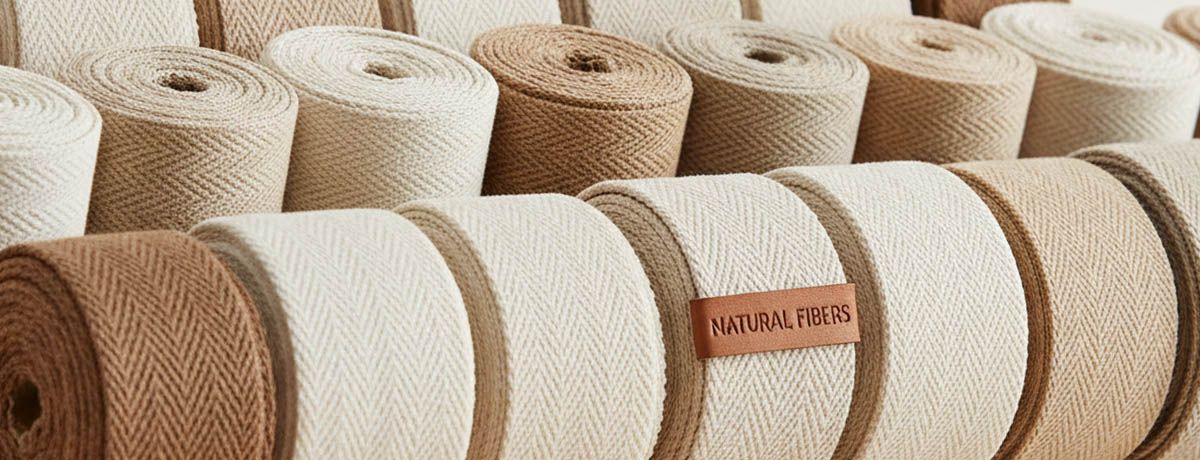
For garment factories and textile distributors, securing reliable wholesale cotton webbing is a critical step in the supply chain. Wholesale cotton webbing is a strong, tightly woven, flat strip of natural cotton fibers. This narrow fabric serves as a foundational element in industries ranging from fashion apparel to heavy-duty industrial gear, sporting goods, luggage, and pet accessories, among many others. MH, a leading integrated industrial and trade company, specializes in the mass production of these essential textiles, offering tailored solutions for professional B2B buyers. Choosing high-quality products, such as premium cotton webbing, ensures both reliability and visual appeal for your applications.
Introduction to Industrial Textiles
Industrial textiles form the backbone of many manufacturing sectors, providing essential materials for a wide array of products. Among these, cotton webbing stands out for its adaptability and strength, making it a preferred choice in industries such as sporting goods, luggage, and pet accessories. The natural composition of cotton webbing ensures not only durability but also a comfortable feel, which is especially important for items like straps, belts, and harnesses.
Manufacturers and designers can find cotton webbing in a variety of widths—including popular sizes like 1” and 1 1/4”—and a broad spectrum of colors to suit specific design and functional requirements. This versatility allows cotton webbing and other durable cotton fabrics to be used in everything from outdoor gear and marine applications to everyday products like bags and apparel. By selecting high-quality cotton webbing, businesses can create products that are both reliable and visually appealing, meeting the demands of diverse applications and end-users.
Understanding Cotton Webbing Varieties
Procurement managers must select the appropriate weave construction based on the intended end-use. Cotton webbing is not a one-size-fits-all product; distinct weaves offer varying levels of strength, flexibility, and aesthetic appeal.
-
Basket-Weave: Known for its flat, textured appearance, this variant provides a balance of durability and flexibility. It is frequently utilized in casual belts and bag straps.
-
Herringbone: Characterized by a V-shaped weaving pattern, herringbone webbing offers a sophisticated look and a softer hand feel. It is the preferred choice for garment trimming and high-end accessories.
-
Elastic Cotton: By integrating elastic fibers with cotton yarns, manufacturers create webbing that stretches. This is essential for specific apparel applications and medical devices.
-
Heavy-Duty: Engineered with a tighter weave and thicker yarns, heavy-duty options maximize tensile strength for load-bearing applications in outdoor gear and industrial safety equipment.
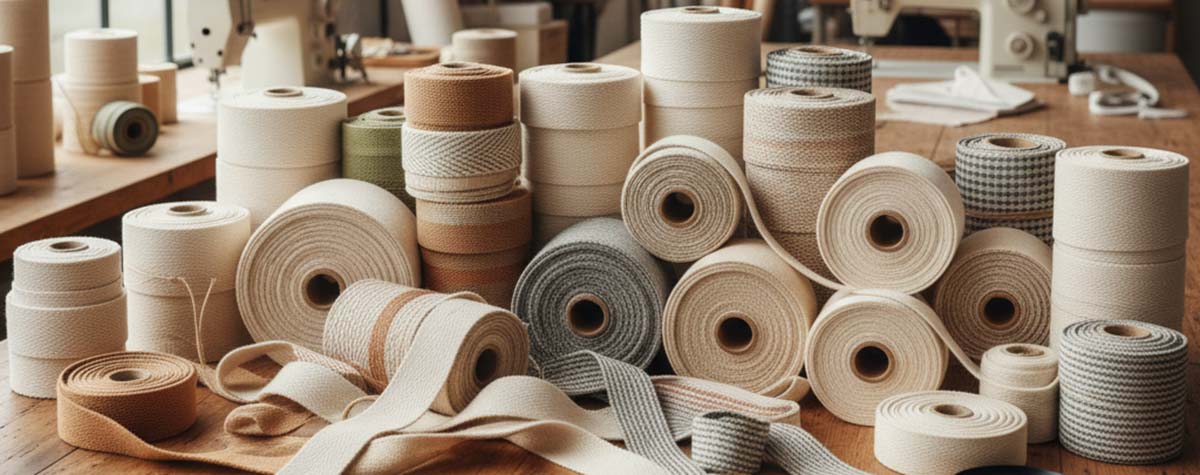
Technical Specifications, Widths, and Materials
Sourcing the correct product requires attention to precise specifications. Standard widths generally range from 1/2” to 2”, though custom widths are often required for specific machinery or design protocols.
Material Composition and Finishing
While standard cotton offers a natural, matte finish, mercerized cotton provides increased strength and a lustrous appearance, often preferred for luxury goods. Buyers may also request specific coatings to enhance water resistance or durability against abrasion.
Comparisons to Synthetics
When compared to polyester or polypropylene, cotton webbing offers superior breathability and a natural hand feel. While nylon typically possesses higher tensile strength, cotton remains the material of choice for applications requiring heat resistance and comfort against the skin. Unlike polypropylene, which can degrade under UV exposure, cotton maintains structural integrity but requires treatment for water resistance.
Industrial Applications
The versatility of cotton webbing secures its place across multiple sectors:
-
Bags and Luggage: Used extensively for handles, shoulder straps, and internal reinforcement.
-
Apparel: Functions as belts, drawstrings, and decorative trims in garment manufacturing.
-
Outdoor and Pet Accessories: utilized in tents, canvas gear, and pet leads, where material strength and comfort are paramount.
The Make-to-Order Advantage: Customization and MOQ
MH operates on a make-to-order basis, ensuring that every batch meets the exact specifications of the client. This production model differs from retail stock-holding; it allows for complete customization but requires adherence to Minimum Order Quantities (MOQs).
Volume Pricing and Lead Times
Wholesale pricing tiers reward volume. Distributors should anticipate negotiating price points based on total order quantity. Because MH manufactures to order, lead times include production schedules. Procurement teams should factor these timelines into their inventory planning to prevent stockouts.
Customization Options
Mass production allows for extensive customization:
-
Color Matching: Dye lots can be matched to specific Pantone codes to ensure brand consistency.
-
Branding: Webbing can be stamped or printed with logos during the manufacturing process.
-
Fabrication: Custom widths, edge treatments, and weave densities can be engineered to meet unique project requirements.
Quality Assurance and Sourcing
Reliability in manufacturing depends on consistent quality. Professional buyers should require certificates of analysis for batches, ensuring the webbing meets industry standards for tensile strength and abrasion resistance.
Sourcing from MH
As a direct supplier, MH manages the entire production lifecycle. This vertical integration allows for rigorous quality control and competitive pricing compared to third-party resellers.


Logistics: Shipping and Packaging
Efficient logistics are vital for B2B transactions. Wholesale cotton webbing is typically supplied on rolls. Buyers should specify roll lengths to compatible with their production machinery (e.g., automatic cutting machines). MH utilizes protective packaging methods to ensure the product remains free from moisture and contamination during transit from the manufacturing facility to the client's warehouse. MH also offers a variety of garment accessories for B2B buyers, including customizable zippers designed for durability and quality.
By understanding these technical and commercial parameters, distributors and factory managers can optimize their procurement strategy, ensuring high-quality inputs for their manufacturing lines.
