
What Is 65 Polyester 35 Rayon Fabric and Why Is It So Popular in Apparel Manufacturing?
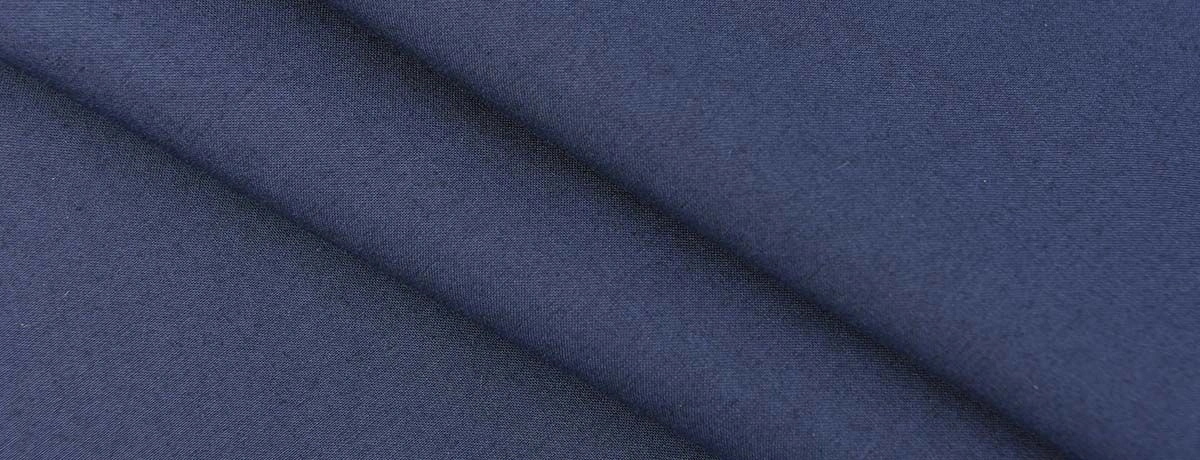
In the world of textile manufacturing, few fabric compositions achieve the ideal balance between performance and comfort like 65 polyester 35 rayon blends. This versatile combination has become a cornerstone in professional apparel, offering manufacturers and designers a reliable solution for everything from security uniforms to business dresses. Understanding the properties, production methods, and applications of this poly rayon fabric delivers significant value for anyone involved in textile sourcing or garment design.
The 65/35 blend represents decades of textile innovation, combining the synthetic strength of polyester with the natural-like comfort of rayon. For fabric buyers, manufacturers, and designers seeking optimal performance at competitive price points, this blend offers a proven solution that continues to meet evolving industry needs.
What is 65% Polyester 35% Rayon Fabric?
Polyester stands as one of the most significant synthetic fiber innovations, developed in 1941 from petroleum-based raw materials. This thermoplastic polymer offers exceptional strength, wrinkle resistance, and dimensional stability, making it ideal for commercial and industrial applications.
Rayon, classified as a semi-synthetic fiber, originates from natural cellulose found in wood pulp or cotton linters. Through a chemical regeneration process, manufacturers transform this plant-based material into fibers that provide soft touch characteristics and excellent drape properties similar to natural cotton or silk.
The 65/35 ratio creates an optimal balance between synthetic durability and natural-like comfort. With polyester comprising the majority at 65%, the fabric maintains structural integrity and easy-care properties. The 35% rayon content provides sufficient natural fiber characteristics to enhance breathability, moisture absorption, and overall wearing comfort.

Common fabric weights for this blend typically range from 155-200 GSM (grams per square meter), making it suitable for year-round garments. Lighter weights around 155 GSM work well for shirts and blouses, while heavier constructions near 200 GSM provide structure for trousers and blazers.
Primary industries utilizing this fabric blend include:
-
Uniform manufacturers for security and public safety
-
Corporate workwear suppliers
-
Office apparel producers
-
Hospitality industry garments
-
Educational institution uniforms
The widespread adoption across these sectors demonstrates the blend’s ability to meet diverse professional requirements while maintaining cost-effectiveness.
Key Characteristics of 65% Polyester 35% Rayon Fabric
The soft handfeel of 65 polyester 35 rayon fabric closely resembles cotton while providing improved durability from the polyester content. Unlike pure synthetic fabrics that can feel harsh or artificial, this blend maintains a natural textile sensation that enhances wearer comfort throughout extended use.
Smooth texture characteristics make this rayon fabric particularly suitable for professional garments requiring refined appearance. The fabric drapes well, creating clean lines in tailored shirts, dresses, and trousers. This smoothness also reduces friction against skin and undergarments, contributing to all-day comfort.
Moderate wrinkle resistance positions this blend between pure rayon and pure polyester performance levels. While not achieving the wrinkle-free properties of 100% polyester, the 65/35 composition provides significantly better crease recovery than rayon alone, reducing maintenance requirements for busy professionals.

Moisture absorbency reaches approximately 3-4% due to the rayon content, creating a breathable fabric that manages perspiration better than pure polyester alternatives. This characteristic proves essential for uniforms worn in active environments or warm climates.
Tensile strength typically measures 2.5-3.5 g/den (grams per denier), providing good durability for everyday wear applications. This strength level supports the demands of commercial laundering while maintaining fabric integrity through repeated use cycles.
Natural stretch properties exist without requiring added elastane fibers, though the stretch remains minimal compared to purpose-designed stretch fabrics. The slight give in the fabric improves comfort during movement while maintaining shape retention.
Breathability rating surpasses pure polyester due to rayon’s naturally porous structure. Air circulation through the fabric helps regulate body temperature, making it suitable for extended wear in office environments.
Color retention capabilities support deep dyes and prints, with the polyester component providing excellent colorfastness while rayon contributes to color depth and vibrancy. This combination ensures professional-appearing garments maintain their appearance through repeated washing cycles.
Advantages of 65 Polyester 35 Rayon Blend
Enhanced durability compared to 100% rayon fabrics represents a primary advantage of the 65/35 blend. The polyester content significantly resists tearing and pilling that commonly affects pure rayon garments, extending the useful life of professional apparel. This durability factor makes the fabric ideal for high-use applications like security uniforms and daily-wear office clothing.
Improved comfort and breathability over pure polyester fabrics addresses the common complaint of synthetic materials feeling hot or clammy. The rayon component creates a more breathable fabric structure while maintaining the easy-care properties that make polyester popular with commercial laundries.
Excellent drape characteristics make this blend particularly suitable for dress shirts, blouses, and dresses requiring elegant silhouettes. Unlike stiffer fabrics that create boxy appearances, poly rayon fabric delivers the flowing drape essential for professional and fashion applications.
Machine washable and easy-care properties support commercial laundry operations common in uniform rental and hospitality industries. The fabric tolerates repeated washing cycles without significant deterioration, making it cost-effective for high-turnover applications.
Cost-effective alternative to natural fiber blends like cotton-linen combinations provides significant budget advantages for large-volume purchasers. Educational institutions, corporations, and service industries can outfit staff affordably without sacrificing appearance or comfort quality.
Dimensional stability ensures minimal shrinkage when properly processed during manufacturing. This characteristic reduces garment replacement costs and maintains proper fit throughout the garment’s service life.
Takes dye well for vibrant, long-lasting colors that resist fading from repeated washing or light exposure. The combination allows manufacturers to offer wide color ranges while maintaining consistency across production runs.
These advantages explain why purchasing managers and uniform suppliers frequently choose this blend for large-scale applications requiring balance between performance, appearance, and budget considerations.
Disadvantages and Limitations
Potential pilling issues can occur with lower quality yarns or aggressive washing conditions. While the polyester content reduces pilling compared to pure rayon, the remaining rayon fibers may still form pills under high-friction conditions. Choosing suppliers with quality yarn production and proper finishing processes helps minimize this concern.
Heat sensitivity creates limitations during pressing and finishing operations. With a melting point around 250°C, the polyester component requires careful temperature control during ironing or commercial pressing. Excessive heat can cause permanent damage, creating shiny spots or fabric distortion that cannot be repaired.
Less breathable than 100% natural fibers like cotton or linen means the fabric may not suit extremely hot climates or high-activity applications. While more breathable than pure polyester, the 65/35 blend still retains some of polyester’s thermal properties that can reduce comfort in demanding conditions.
Possible shrinkage of 2-3% if not pre-shrunk during manufacturing can affect garment fit and appearance. Proper heat-setting during production eliminates most shrinkage potential, but fabrics from manufacturers with inadequate finishing processes may exhibit dimensional changes after washing.
Static electricity buildup in dry conditions occurs due to the polyester content, potentially causing fabric to cling to skin or generate uncomfortable static charges. This characteristic becomes more pronounced in low-humidity environments or when worn with certain synthetic undergarments.
Environmental concerns related to polyester’s petroleum origin raise sustainability questions for environmentally conscious buyers. The production process for both polyester and rayon involves chemical processing that creates environmental impact, though recycled content options are becoming available.
Understanding these limitations helps buyers make informed decisions and establish appropriate care protocols to maximize fabric performance and longevity.
Common Applications and Use Cases
Security and public safety uniforms represent a major application for 65 polyester 35 rayon fabric due to its combination of durability and professional appearance. Security guards, police officers, and emergency personnel require garments that maintain neat appearance throughout long shifts while resisting wear from daily use. The blend provides sufficient strength for these demanding applications while offering better comfort than pure synthetic alternatives.
Business dress shirts and blouses for office environments benefit from the fabric’s smooth texture and excellent drape characteristics. Corporate employees wearing pointed collar features and seven button placket front designs appreciate the wrinkle resistance that maintains professional appearance throughout business days. The soft touch quality enhances comfort during extended wear at desks or in meetings.
Work trousers and casual pants for retail and hospitality industries utilize the blend’s durability and easy-care properties. Restaurant servers, hotel staff, and retail workers need garments that resist staining, wash easily, and maintain appearance despite frequent laundering. The tropical weave construction option provides additional breathability for active service environments.
Lightweight jackets and blazers for year-round professional wear take advantage of the fabric’s excellent drape and moderate weight. Business professionals require outer garments that layer well without bulk while maintaining structure throughout the day. The blend provides sufficient body for tailored silhouettes without the heaviness of traditional suiting fabrics.
Garment linings providing smooth interior finish benefit from the fabric’s texture and low-friction surface. High-quality suits, coats, and structured garments use poly rayon linings that reduce friction against clothing while providing comfortable contact with skin.
Fashion garments where drape and comfort are prioritized include dresses, tunics, and flowing tops. The blend’s natural fall creates attractive silhouettes for women’s clothing while maintaining durability for repeated wear. Scalloped flaps create interesting design details in garments made from this versatile material.
Each application benefits from specific blend properties:
-
Security uniforms gain durability and easy care
-
Dress shirts achieve professional appearance with comfort
-
Work pants provide stain resistance and laundering tolerance
-
Blazers maintain structure with improved drape
-
Linings offer smoothness and comfort
-
Fashion items combine style with practical performance
Comparison with Other Fabric Blends
65/35 vs 100% polyester reveals significant differences in wearer experience and fabric performance. Pure polyester offers maximum durability and wrinkle resistance but often feels harsh against skin and retains heat. The 65/35 blend provides softer handfeel and better breathability while maintaining comparable durability for most applications. Cost differences remain minimal, making the blend attractive for applications prioritizing wearer comfort.
65/35 vs 100% rayon demonstrates the synthetic component’s value in practical applications. Pure rayon offers excellent drape and comfort but requires delicate care and exhibits poor wet strength. The polyester addition transforms the fabric into a machine washable material suitable for commercial laundering while retaining most of rayon’s desirable characteristics.
65/35 vs 80/20 polyester-rayon illustrates how ratio changes affect performance balance. The 80/20 blend provides increased durability and wrinkle resistance but sacrifices some comfort and drape quality. The 65/35 ratio offers more rayon comfort while maintaining adequate durability for most professional applications, making it the preferred choice for garments prioritizing wearer satisfaction.
|
Blend Ratio |
Durability |
Comfort |
Drape |
Care Ease |
Cost |
|---|---|---|---|---|---|
|
65/35 Poly-Rayon |
Good |
Excellent |
Excellent |
Good |
Moderate |
|
80/20 Poly-Rayon |
Excellent |
Good |
Good |
Excellent |
Low |
|
100% Polyester |
Excellent |
Fair |
Fair |
Excellent |
Low |
|
100% Rayon |
Fair |
Excellent |
Excellent |
Poor |
Moderate |
65/35 vs polyester-cotton blends presents interesting alternatives for different applications. Polyester-cotton combinations provide different moisture management characteristics and hand feel compared to poly-rayon. Cotton blends often feel more casual and may offer better breathability in hot conditions, while rayon blends provide more elegant drape for professional applications.
Cost comparisons generally favor the 65/35 polyester rayon blend over premium natural fiber combinations while providing superior performance to pure synthetic alternatives. The blend offers an attractive middle ground for buyers seeking optimal value without compromising essential performance characteristics.
Performance trade-offs help buyers select appropriate fabrics for specific applications. High-abuse environments may benefit from higher polyester ratios, while applications prioritizing comfort and appearance favor the balanced 65/35 composition. Understanding these relationships enables informed sourcing decisions based on end-use requirements.
Summary
The enduring popularity of 65% polyester 35% rayon fabric in commercial applications stems from its exceptional balance of comfort, durability, and cost-effectiveness. This versatile blend successfully addresses the diverse needs of professional wear, from security uniforms requiring rugged performance to business dresses demanding elegant drape and comfortable wear.
Manufacturing advances continue to improve the blend’s performance characteristics while maintaining its fundamental advantages. Quality control improvements, better yarn production techniques, and enhanced finishing processes ensure modern poly rayon fabric delivers consistent performance that meets evolving workplace demands.
The balance achieved in this composition—with polyester providing structure and easy-care properties while rayon contributes comfort and aesthetics—creates a fabric suitable for year-round professional applications. From lightweight summer shirts to structured winter blazers, the 65/35 blend adapts to diverse garment requirements without sacrificing essential performance characteristics.
Future outlook for this blend includes potential sustainability improvements through recycled polyester content and cleaner rayon production processes. As environmental considerations become more important in textile sourcing decisions, manufacturers are developing versions that maintain performance while reducing environmental impact.
The widespread adoption across industries from healthcare to hospitality demonstrates the blend’s proven track record for meeting real-world demands. Its ability to look professional, feel comfortable, and withstand commercial laundering makes it an ideal choice for organizations outfitting large numbers of employees.
For manufacturers considering this fabric blend, the combination of proven performance, reasonable cost, and broad application suitability makes 65 polyester 35 rayon an excellent foundation for professional garment lines. Whether producing uniforms for public safety, business attire for corporate clients, or fashion items for retail markets, this blend provides the reliability and performance that support successful product development and customer satisfaction.
The careful balance achieved in the 65/35 ratio continues to serve diverse market needs effectively, positioning this blend as a cornerstone of modern professional textile applications. As workplace clothing requirements evolve, this versatile combination adapts while maintaining the fundamental advantages that established its prominence in commercial textile markets.
Contact MH
MH offers 65 polyester 35 rayon fabrics. Please contact us for more details or inquiries. We're here to help!