
How to Choose the Right Elastic Webbing Upholstery for Sofas, Chairs, and Seating Systems?
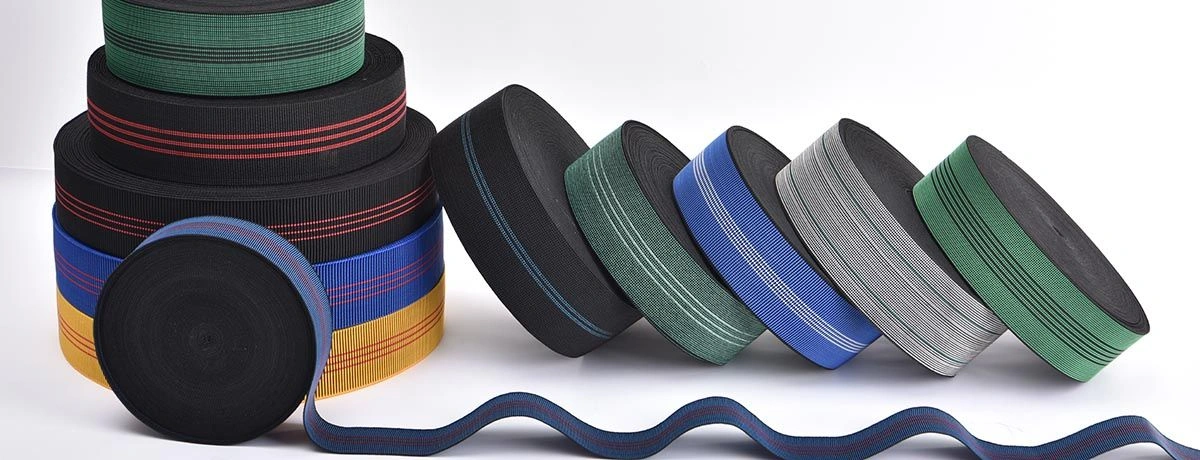
The foundation of comfortable, durable seating lies hidden beneath cushions and fabric in a critical support system that most consumers never see. Elastic webbing upholstery has revolutionized furniture manufacturing by providing flexible, long-lasting support that outperforms traditional materials while reducing weight and manufacturing complexity. Elastic webbing is considered an excellent webbing material due to its superior strength, durability, and versatility, making it an outstanding choice for upholstery projects.
This comprehensive guide covers everything furniture makers, upholsterers, and repair professionals need to understand about elastic webbing systems. From material composition and type selection to installation best practices and quality evaluation, this information will help you make informed decisions for both manufacturing and repair applications.
Whether you’re a manufacturer looking to improve product performance, an upholsterer updating traditional furniture, or a wholesaler evaluating product lines, understanding elastic webbing characteristics and applications is essential for success in today’s furniture market.
What is Elastic Webbing for Upholstery?
Elastic webbing serves as a flexible support system that replaces or supplements traditional furniture springs and rigid platforms. This load-bearing, stretchable tape creates a foundation under foam padding that provides controlled give while maintaining structural integrity over thousands of use cycles.
The basic structure combines elastic cores made from rubber or synthetic elastomers with non-elastic cover yarns. Polyester, polypropylene, and sometimes cotton fibers wrap or weave around the elastic core to control stretch, protect against abrasion, and provide dimensional stability. This combination creates a material that stretches under load but returns to its original length when pressure is released.
Unlike garment elastic, furniture elastic webbing is specifically engineered for sustained heavy loads. Width typically ranges from 2 to 3 inches compared to narrow garment applications, and construction uses heavier yarns designed for tens to hundreds of kilograms of static load over many hours daily. The controlled stretch characteristics prevent the hammocking effect that can occur with less sophisticated elastic materials.
Traditional jute webbing provided a static support base, and it was historically the only material used for natural webbing in upholstery before synthetic options became available. Metal springs added resilience but with weight, complexity, and noise considerations. Elastic webbing upholstery combines the best of both approaches, offering flexible support that adapts to body contours while maintaining silence during use. The webbing acts as a springy foundation that flexes under load and returns close to its original length when unloaded.
Common composition ratios include 48% polypropylene and 52% rubber for optimal performance, though specific percentages vary based on application requirements. Manufacturing typically involves woven or warp-knitted construction, with woven webbing being most common for heavy-duty furniture applications due to its stable, flat profile and controlled stretch characteristics.
Types of Elastic Webbing Used in Furniture
Understanding the different types of elastic webbing available helps ensure proper material selection for specific applications. Each type is designed to be strong and durable, offering distinct characteristics that make it suitable for particular furniture styles and load requirements.
Woven Rubber Elastic Webbing
Traditional rubber-based construction forms the backbone of most residential furniture applications. Multiple rubber threads run lengthwise through the webbing, interwoven with polyester or polypropylene warp and weft threads that determine stretch characteristics and overall strength. The weaving pattern creates a stable, flat band with controlled stretch that distributes load across multiple rubber strands.
This type typically offers a stretch percentage of 20-30% for seat applications, providing firm support while maintaining comfort. The rubber content, usually ranging from 30-40% by weight, provides the elasticity while synthetic cover yarns contribute tensile strength and dimensional stability. Black and tan color combinations are most common in the industry, often with manufacturer-specific patterns or stripes indicating different performance grades.
Woven rubber elastic webbing works best for residential furniture like sofas, lounge chairs, and dining seating where moderate loads and comfortable support are priorities. The controlled stretch prevents excessive sagging while the woven construction provides even load distribution across the seat or back surface.
Polypropylene Elastic Straps
Modern synthetic construction offers advantages in moisture resistance and consistent performance across varying environmental conditions. These straps combine polypropylene structural yarns with integrated rubber strands, creating a product with approximately 10% stretch that provides long-lasting elasticity without the aging characteristics of natural rubber.
Elasbelt-type products represent this category well, combining rubber latex threads with polyester or polypropylene for a construction that remains softer and more pliable than traditional rubber webbing. The synthetic content provides excellent resistance to moisture, UV exposure, and temperature variations, making it suitable for outdoor furniture and applications where environmental resistance is important.
Made in USA options are available for quality-conscious manufacturers who prioritize consistent specifications and supply chain reliability. The polypropylene content offers good strength-to-weight ratios while the controlled rubber integration provides just enough elasticity for comfort without excessive stretch that could lead to sagging.
This type works particularly well in price-sensitive applications where good performance is needed without premium costs, and in environments where moisture or temperature variations might affect natural rubber adversely. Polypropylene elastic straps are often sold by the yard, allowing customers to purchase the exact length needed for their projects.
Seat vs. Backrest Webbing Applications
Different furniture components require different support characteristics, leading to specialized webbing grades optimized for specific applications. Understanding these differences ensures proper material selection and optimal comfort in finished furniture.
Seat webbing requires higher stretch resistance, typically limited to 20-30% maximum stretch under normal loading conditions. The higher rubber content and tighter weave provide firm support that prevents hammocking while still offering enough give for comfort. Seat applications must handle full body weight plus dynamic forces from sitting and rising motions.
Backrest webbing allows more flexibility, with stretch percentages up to 40-60% providing softer support that conforms to back contours without feeling rigid. Lower rubber content or finer rubber strands create the more yielding characteristics appropriate for back support, where load requirements are lower and comfort takes priority over firmness.
Width considerations include 2-inch standard for most residential applications, with 3.5-inch options available for heavy-duty use where load distribution across fewer straps is desired. Wider webbing reduces the number of individual strips needed while providing better load distribution and reducing stress on frame attachment points.
Flat construction provides smooth, even support that works well with thin cushions, while ribbed textures can add stiffness and improve grip between webbing and foam layers, reducing slippage in some applications.
How Elastic Webbing is Used in Upholstery
Elastic webbing serves as the primary structural support foundation for seats, backs, and armrests in modern furniture construction. Understanding proper application techniques ensures optimal performance and longevity in finished products.
The webbing functions as the first support layer beneath foam and fabric, creating a flexible foundation that distributes weight evenly while providing controlled give. In most applications, it works alone as the primary support system, though some designs combine it with sinuous springs for fine-tuned comfort characteristics.
Grid pattern installation creates the most effective support system. Webbing strips run parallel in one direction across the seat or back frame, then perpendicular strips weave over and under to create a supportive mesh. This interwoven grid distributes load across multiple contact points and prevents localized stress that could cause premature stretching or failure.
Proper tensioning during installation is critical for achieving the right balance between support and comfort. The webbing must be stretched to a predetermined tension using webbing stretchers or specialized tensioning equipment, then secured with heavy-duty staples while under tension. A quality stretcher stretches webbing accurately and evenly to ensure a proper fit and avoid damage. Some stretchers use spikes to grip the material securely during installation, while others grip without spikes to prevent edge damage. Under-tensioning results in premature sagging, while over-tensioning can stress the material and shorten its lifespan.
Standard attachment methods use carpenter staples driven through the webbing into the furniture frame, with multiple staples per attachment point providing secure connection. The webbing end is typically folded over before stapling to create additional holding power and prevent pullout under load.
Integration with cushioning materials requires careful consideration of how the webbing affects overall comfort. Burlap or fabric layers often separate the webbing from foam to prevent abrasion and ensure smooth support. The combination of webbing elasticity, foam density, and cover fabric creates the final comfort characteristics that users experience.
Replacement applications allow updating of traditional jute webbing furniture with modern elastic alternatives. Elastic webbing is often used to replace traditional rubber webbing or damaged components, providing improved durability and comfort. This upgrade can significantly improve comfort and extend furniture life while maintaining the original frame structure. The process requires careful evaluation of frame condition and proper sizing to ensure compatibility.
Upholstery Fabric and Webbing
The combination of upholstery fabric and webbing is fundamental to both the comfort and appearance of any furniture piece. When selecting upholstery fabric, it’s important to consider the type of webbing you’re using—whether it’s elastic webbing, rubber webbing, or jute webbing—as each material interacts differently with fabric. For example, jute webbing, being a natural fiber, pairs well with durable, breathable fabrics that complement its strength and traditional look. Rubber webbing and elastic webbing, on the other hand, offer more flexibility and can be matched with a wider range of upholstery fabrics, from soft velvets to sturdy canvas.
Webbing provides the underlying support that creates a firm yet comfortable seat, while the upholstery fabric adds style, texture, and an extra layer of comfort. When choosing both webbing and fabric, consider their combined strength, flexibility, and durability to ensure the finished piece meets your needs. The right pairing will not only create a comfortable and supportive seat but also add visual appeal and longevity to your furniture. Always choose materials that work together to enhance both comfort and durability, ensuring your project stands the test of time.
Advantages of Elastic Webbing in Furniture Manufacturing
Elastic webbing upholstery offers significant benefits that have made it a preferred choice for modern furniture manufacturing. These advantages span comfort, durability, manufacturing efficiency, and design flexibility.
Comfortable seating support adapts automatically to body weight and movement patterns. The controlled stretch characteristics provide initial softness that progressively firms up as load increases, creating a natural comfort curve that accommodates different body types and sitting preferences. This adaptability eliminates pressure points while maintaining adequate support for proper posture.
The flexible yet stable construction prevents sagging when properly installed and specified. Quality elastic webbing maintains its support characteristics through thousands of use cycles, with properly engineered products showing minimal permanent deformation over their service life. Control yarns and reinforced construction limit maximum stretch to prevent hammocking effects.
Extended service life typically ranges from 10-15 years under normal residential use, comparing favorably to traditional spring systems that may require maintenance or replacement due to metal fatigue or connection failure. The synthetic materials resist moisture, insects, and rot that can affect natural fiber alternatives like jute webbing.
Silent operation eliminates the squeaks, creaks, and rattles associated with metal spring systems. The absence of metal-on-metal contact points means furniture remains quiet throughout its life, an important consideration for bedroom and living room applications where noise can be problematic.
Lightweight construction significantly reduces overall furniture weight compared to heavy coil spring units or solid wood platforms. This weight reduction lowers shipping costs, makes furniture easier to move and handle, and reduces stress on frame joints and fasteners throughout the furniture’s life.
Easy installation processes suit both professional production lines and DIY applications. Machine webbing systems can quickly tension and attach multiple strips for consistent results in factory settings, while hand tools allow precise control for custom applications and repairs.
Compatibility with modern upholstered furniture designs enables low-profile construction and clean lines that would be difficult to achieve with bulky spring systems. The thin profile of elastic webbing allows designers greater freedom in frame design while maintaining structural performance.
Consistent performance across normal temperature variations ensures reliable comfort in heated and air-conditioned environments. Unlike some materials that become stiff in cold or soft in heat, quality elastic webbing maintains its characteristics across typical indoor temperature ranges.
How to Choose the Right Upholstery Elastic Webbing
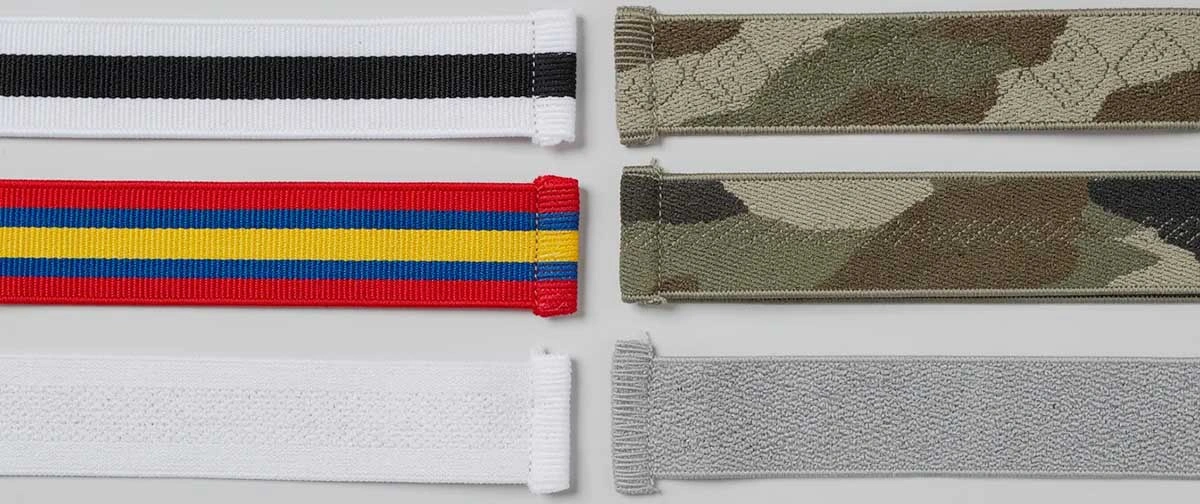
Selecting appropriate elastic webbing requires evaluation of multiple factors that affect both immediate performance and long-term durability. Understanding these selection criteria helps ensure optimal results for specific applications. It is important to understand the reason behind each selection criterion, as this will help you choose webbing that offers the best durability, comfort, and cost-effectiveness for your upholstery project.
Material Composition Evaluation
Rubber percentage typically ranges from 50-60% in quality furniture webbing, providing the elasticity needed for comfort while allowing sufficient synthetic content for durability. Higher rubber content increases initial softness but may reduce long-term stability, while lower percentages can create overly firm support.
Polyester or polypropylene content of 40-50% provides the tensile strength and dimensional stability needed for furniture applications. Polyester offers better heat resistance and durability, while polypropylene provides good moisture resistance and lower cost. The specific blend affects both performance characteristics and price points.
Latex thread integration in premium products enhances flexibility and recovery characteristics compared to synthetic rubber alternatives. Natural rubber provides excellent elasticity but requires proper stabilization to prevent aging issues. Synthetic elastomers offer more consistent aging characteristics but may lack the feel of natural rubber.
Understanding synthetic blend ratios helps predict performance characteristics and longevity. Products with well-balanced ratios between elastic and structural components typically provide the best combination of comfort, support, and durability for furniture applications.
Width and Strength Specifications
Standard 2-inch width suits most residential furniture applications, providing adequate support while allowing reasonable spacing between strips. This width works well for dining chairs, bedroom furniture, and residential seating where moderate loads are expected.
Wider options of 3-inch and 3.5-inch accommodate commercial and heavy-duty requirements where higher loads or wider spacing between supports is desired. Heavy-duty applications benefit from wider webbing that distributes loads across larger frame contact areas and reduces the number of individual strips required.
Tensile strength ratings measured in pounds per inch of width provide quantitative comparison between products. Quality furniture webbing typically offers breaking strengths of several hundred pounds per inch, with working loads well below ultimate strength to ensure long service life.
Load capacity considerations must account for both static weight and dynamic forces from normal use. Furniture experiences forces significantly higher than occupant weight due to the leverage effects of sitting and rising motions, making proper safety margins essential for reliable performance.
Stretch Percentage and Application Matching
Different applications require specific stretch characteristics to provide appropriate support and comfort. Understanding these requirements helps ensure proper material selection for each furniture component.
Low stretch of 10-15% suits firm seating applications in dining chairs and office furniture where support takes priority over softness. This range provides just enough give for comfort while maintaining the firm support needed for extended sitting periods and good posture.
Medium stretch of 20-30% works well for standard sofa and living room seating where balanced comfort and support are desired. This range accommodates normal body variations while preventing excessive sagging that could affect long-term comfort or appearance.
High stretch of 40-60% is appropriate for backrest applications requiring greater flexibility to conform to back contours. The lower load requirements and comfort priorities of back support allow higher stretch percentages without compromising function.
Testing methods to verify stretch performance before large-scale production include cyclic loading tests that simulate years of use in compressed time periods. Sample testing helps identify potential issues before committing to large-scale production or inventory purchases.
Quality Indicators and Sourcing
Color consistency and stripe patterns can indicate manufacturing quality and grade levels, though specific coding varies between manufacturers. Consistent coloring and clear stripe definition typically indicate better quality control and attention to detail in manufacturing.
Country of manufacture considerations include availability of Made in USA options for applications where domestic sourcing provides supply chain or quality advantages. Some suppliers also offer shipping options to Canada, making it easy for Canadian customers to source quality webbing. Different manufacturing regions may offer varying combinations of cost, quality, and delivery characteristics.
When sourcing elastic webbing upholstery, shop online for a wide selection of upholstery webbing materials, including rubber and jute webbing, to ensure you find the best fit for your project.
Manufacturer reputation and warranty terms become particularly important for bulk purchases where performance issues could affect large quantities of finished furniture. Established manufacturers with track records in furniture applications typically offer better technical support and more reliable supply.
Sample testing recommendations include both short-term performance verification and accelerated aging tests that predict long-term behavior. Testing programs should evaluate stretch characteristics, load capacity, and durability under simulated use conditions before committing to production quantities.
Summary for Furniture Professionals
Elastic webbing upholstery represents a modern alternative to traditional support systems that offers significant advantages in comfort, durability, and manufacturing efficiency when properly selected and installed. Success depends on matching material specifications to application requirements and following proven installation practices.
Material selection should balance cost considerations with performance requirements and expected lifespan. Higher rubber content provides better initial comfort but may require premium synthetic reinforcement to maintain long-term stability. Understanding the relationship between composition ratios and performance characteristics helps optimize material choices for specific applications.
The evolution toward elastic webbing reflects broader trends in furniture manufacturing toward lighter, more efficient construction methods that maintain or improve performance while reducing complexity. As material technology continues to advance, elastic webbing systems will likely become even more capable and cost-effective for a wider range of applications.
For furniture makers and upholsterers, mastering elastic webbing selection and installation techniques provides opportunities to improve product quality while potentially reducing manufacturing costs and warranty issues. The combination of performance benefits and manufacturing efficiency makes elastic webbing an important technology for competitive success in modern furniture markets.
Contact MH
MH offers upholstery elastic webbings. Please contact us for more details or inquiries. We're here to help!