
How to Choose the Best Fire-Resistant Sewing Thread for Protective Clothing and Gear?
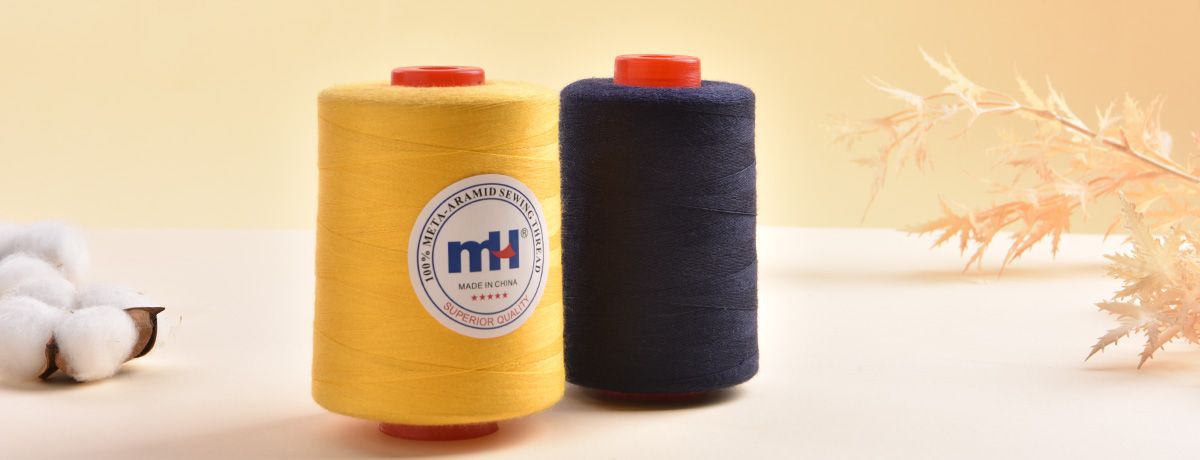
When people talk about flame-protective uniforms, they usually focus on the fabric—Nomex-type materials, aramid blends, coatings, or multilayer constructions. But in real-world fire and heat exposure, a garment or load-bearing tactical item can fail at its weakest point. Fire retardant and fire retardant thread are essential for maintaining fire resistance in protective gear, ensuring that all components, including seams, meet safety standards.
Very often, that weak point is the seam.
That’s why Fire-Resistant Sewing Thread matters. It’s not “just thread.” It’s a structural component that must survive heat, flame, abrasion, and repetitive laundering while keeping seams intact. These threads are manufactured from highly resistant yarns, often developed by companies like Dupont, and are widely used in fields such as utility services, motorsports, aeronautics, and other fields requiring high strength and fire resistance.
In protective workwear, military/police equipment, and high-risk industrial PPE, choosing the wrong thread can cause seam opening, delamination, or stress-point failure—even if the fabric itself performs well. Fire-resistant threads are free from harmful substances, making them safer for human use, and are available in various colors such as blue and yellow.
These threads are available in different numbers and types, with stock and price information shown in product listings, and can be ordered for specific applications.
Below is a practical guide to what fire-resistant sewing thread is, why it’s critical for special firefighting uniforms and tactical gear, and how to select the right specification for your application. Fire-resistant threads can be used for embroidery thread applications, require proper digitizing for safety standards, and are compatible with dry cleaning. Compared to cotton, they have a much higher melting point and can withstand higher temperatures; their ability to deform under stress is a key property for performance in demanding environments.
What Is Fire-Resistant Sewing Thread?
Fire-Resistant Sewing Thread refers to thread engineered to resist ignition, melting, and rapid strength loss under high heat or flame exposure. Fire-resistant sewing thread is a type of fire retardant thread designed to provide fire resistance at high temperatures and is manufactured from highly resistant yarns such as Nomex and Kevlar by companies like Dupont. In many PPE applications, the requirement is not that the thread remains “perfect” after extreme exposure—rather, it should avoid melting/dripping, maintain seam integrity as long as possible, and not become the first failure point.
These threads are free from harmful substances, making them safer for human use, and are suitable for applications in utility services, motorsports, aeronautics, and other fields.
In the market, you’ll also see terms like flame-resistant sewing thread, FR thread, fire retardant thread, or heat-resistant thread. These terms are sometimes used loosely. What matters is the fiber composition, construction, and tested performance in conditions that match your end use.
Fire-resistant threads have a higher melting point compared to cotton and can withstand higher temperatures without deforming, making them ideal for protective clothing.
Fire-resistant threads can also be used as embroidery thread, require proper digitizing for safety standards, and are compatible with dry cleaning.
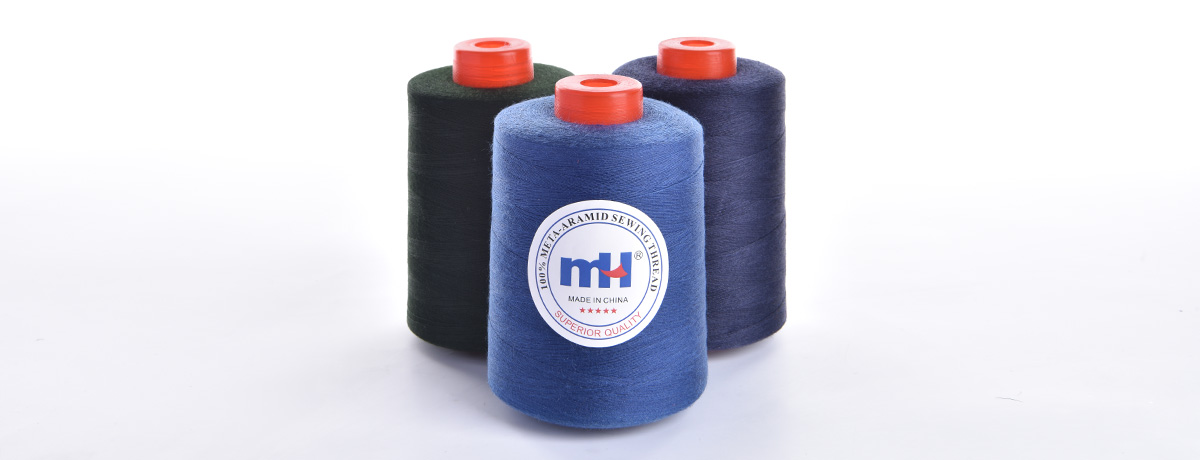
Why Seams Fail First in FR Uniforms and Tactical Equipment
A garment is only as strong as its seams. Seams concentrate stress and experience:
-
Direct flame/heat exposure at edges, closures, cuffs, hems, and reinforcement panels
-
Abrasion and flex fatigue from movement, kneeling, crawling, and gear friction
-
Chemical contamination (fuel, oil, detergents, disinfectants)
-
High-frequency industrial washing and drying that silently degrades weak materials
-
Load and shock on tactical equipment: MOLLE rows, straps, webbing joints, drag handles, and attachment points
Threads with high strength and fire resistance, such as those manufactured from Nomex and Kevlar yarns by Dupont, are highly resistant to high temperatures and do not deform or melt at the melting point of cotton.
If the thread melts, pops, or rapidly loses strength, the seam opens and the system fails—allowing heat penetration, reducing protection, or causing the equipment to break during use.
Fire retardant threads are essential in fields such as utility services, motorsports, aeronautics, and other fields where seam failure can have serious consequences.
Common Fiber Options (And Where Each Makes Sense)
1) Meta-Aramid Threads (Heat/Flame Stability First)
Meta-aramid threads are fire retardant and highly resistant to high temperatures, with a high melting point compared to natural fibers like cotton. These threads are commonly selected for flame-protective apparel because they offer excellent thermal stability and superior flame resistance.
They are manufactured from Nomex® yarn by Dupont, ensuring outstanding fire resistance and durability in demanding environments.
They are often used in:
-
Fire-resistant uniforms and station wear
-
High-heat industrial PPE
-
Seams that may face direct heat exposure
Best for: garments or seam areas where heat/flame resistance is the highest priority.
2) Para-Aramid Threads (Strength and Abrasion Under Stress)
Para-aramid threads are known for their high strength and fire resistance, being highly resistant to high temperatures and having a high melting point compared to natural fibers like cotton. These threads are manufactured from Kevlar yarn by Dupont, making them ideal for demanding applications where both durability and flame resistance are critical.
They are frequently used in:
-
Tactical load-bearing structures
-
Webbing-to-fabric joints
-
Reinforcement seams at high-stress points
Best for: military/police equipment and any seam that must resist tearing or heavy loads, while still needing heat resistance.
3) Aramid Blends (Balanced Performance)
Blended aramid threads are fire retardant and highly resistant to high temperatures, offering a high melting point compared to natural fibers like cotton. These threads are manufactured from a combination of aramid yarns to achieve balanced fire resistance and durability.
They can be designed to balance heat resistance, seam strength, and sewability. They are often chosen when you need a “middle ground” across multiple requirements.
Best for: mixed-use PPE where abrasion + laundering + moderate heat exposure are all relevant.
Practical note: “FR-treated polyester” or similar options may appear in some lower-risk applications, but for true flame exposure and non-melting requirements, aramids are usually the safer engineering choice.
Key Performance Requirements (What Buyers Should Evaluate)
Fire-resistant sewing threads are required to meet high standards of fire resistance and high strength, being highly resistant to high temperatures and having a high melting point.
When sourcing Fire-Resistant Sewing Thread for protective uniforms or tactical gear, evaluate it like an engineered component:
These threads are essential in fields such as utility services, motorsports, aeronautics, and other fields where performance is critical.
Look for yarns and threads that are fire retardant, tested for fire resistance, and able to withstand extreme temperatures without losing integrity. The melting point of the fiber is crucial—aramid yarns like Kevlar® and Nomex® offer superior performance due to their high melting points and highly resistant properties. High strength and durability are also important, especially for applications in demanding environments.
The ability of these threads to deform under stress without breaking is a key performance factor.
1) Flame and Heat Exposure Behavior
Ask: Does the thread melt, drip, or ignite? How quickly does strength drop under heat?
-
For FR uniforms, fire retardant threads with high fire resistance are essential, as they do not melt or deform at elevated temperatures and maintain their integrity up to their melting point.
-
For tactical gear, heat resistance still matters, especially near vehicles, flash hazards, or hot surfaces.
2) Seam Strength (Not Just Thread Strength)
Thread tenacity is only part of the equation. Seam strength depends on:
-
Thread size (ticket/tex)
-
Stitch type (lockstitch, chainstitch, bartack, etc.)
-
Needle selection
-
Stitch density
-
Fabric structure (woven, knit, laminated, coated)
Using high strength, highly resistant yarns in fire-resistant threads ensures superior seam performance, especially in demanding applications where durability and protection are critical.
A “stronger” thread can still cause problems if it cuts the fabric, creates needle damage, or is mismatched to stitch design.
3) Abrasion Resistance
High-friction environments punish seams:
-
Plate carriers and vests rub against hard surfaces
-
Webbing edges grind at fold points
-
Reinforcement patches flex repeatedly
Highly resistant yarns with fire resistance properties are essential for maintaining seam integrity in high-abrasion environments, especially in applications where both durability and protection from ignition or high temperatures are required.
This is where construction details (twist, ply, finishing) and fiber choice make a major difference.
4) Laundering Durability
Fire-resistant uniforms often undergo industrial washing. Tactical items may be washed less, but see dirt, sweat, and chemicals.
Fire retardant and fire-resistant threads are highly resistant to repeated laundering and are compatible with dry cleaning processes.
Evaluate performance after repeated wash cycles, drying, and disinfecting processes if relevant.
5) Chemical and Environmental Resistance
Fuel, hydraulic oil, cleaning chemicals, UV, and weathering can degrade many materials over time. If your end use involves exposure, specify it early.
Fire-resistant and fire retardant threads made from highly resistant yarns, such as aramids like Kevlar® and Nomex®, offer superior protection against chemical and environmental degradation, making them ideal for applications requiring both fire resistance and durability.
Typical Use Cases in Fire-Resistant Uniforms and Tactical Gear
Fire-Resistant Uniforms / Protective Clothing
-
Main construction seams (body panels, sleeves, inseams)
-
Reinforcement zones (shoulders, elbows, knees)
-
Closure and edge areas (cuffs, collars, hems)
-
Attachment seams for reflective tapes or layered parts (depending on system design)
Fire-resistant threads used in protective clothing are made from highly resistant yarns, such as aramids like Kevlar® and Nomex®, which provide superior fire resistance and high strength compared to natural fibers like cotton. These threads are designed to withstand higher temperatures and have a much higher melting point, making them ideal for fire retardant and flame-resistant applications where safety and durability are critical.
Military/Police Tactical Equipment
-
MOLLE/PALS rows
-
Webbing attachment points and stress seams
-
Drag handles, belt loops, harness junctions
-
Pouches and load-bearing reinforcement seams
-
Edge binding seams on heavy fabrics
In these areas, the thread must resist both mechanical damage and environmental stress—often for years. Fire-resistant threads used in tactical equipment are made from highly resistant yarns, providing high strength and fire resistance for demanding applications in motorsports, utility services, aeronautics, and other fields where fire retardant properties and durability are critical.
How to Choose the Right Fire-Resistant Sewing Thread (A Practical Method)
Selecting the right fire-resistant sewing thread requires careful consideration of fire resistance, high strength, and the use of highly resistant yarns, especially for fields such as utility services, motorsports, aeronautics, and other fields where fire retardant properties are critical.
A reliable selection process is to choose based on risk level + seam function:
Step 1: Classify Exposure Risk
-
High heat/flame exposure likely: prioritize meta-aramid or high-thermal-stability options. For high-risk environments, fire-resistant threads with a high melting point, made from highly resistant yarns, are essential. These fire retardant and high strength materials, such as aramid fibers (including Kevlar® and Nomex®), provide superior protection against ignition and withstand extreme temperatures.
-
High load/abrasion dominant: prioritize para-aramid or reinforced blend options
-
Mixed-use: consider aramid blends that balance heat resistance with durability
Step 2: Match Thread Size to Fabric and Seam Design
-
Heavy fabrics/webbing joints often require higher tex + appropriate stitch design
-
Selecting high strength, highly resistant yarns ensures optimal seam performance in fire-resistant applications
-
Lightweight FR fabrics may need thinner thread to avoid needle damage and seam stiffness
-
Don’t oversize thread blindly—oversized thread can cut fabrics or distort seams under stress
Step 3: Validate With Prototype Testing
Before mass production, test real seams:
-
Seam strength and seam slippage
Testing should confirm the fire resistance, high strength, and high melting point of the fire retardant yarns used in the thread, ensuring they are highly resistant to ignition and suitable for demanding applications.
-
Abrasion at friction points
-
Heat exposure behavior in relevant conditions
-
Wash durability (if required)
Manufacturing Tips: Reduce Breakage, Improve Seam Quality
Aramid threads can behave differently than standard polyester threads in sewing. Fire-resistant threads are manufactured from highly resistant yarns to ensure high strength and fire resistance during production. Common best practices include:
-
Use appropriate needle type/size to reduce thread abrasion and skipped stitches
-
Control thread tension to avoid heat buildup from friction
-
Inspect guide parts and tension discs for wear (sharp edges can shred high-performance threads)
-
For high-stress points, reinforce with bartacks, box-X stitching, or double rows—based on product design
Procurement Checklist (What to Send Your Supplier)
To get accurate recommendations and avoid sampling delays, provide:
-
End product: FR uniform, firefighter station wear, plate carrier, pouch, belt, etc.
-
When placing an order, check the stock and price of fire-resistant threads made from highly resistant yarns to ensure timely procurement.
-
Fabric type and weight; webbing type if applicable
-
Stitch type and seam location (main seam vs stress seam vs binding)
-
Performance priorities: heat exposure, abrasion, load strength, wash cycles, chemicals (specify if you require high strength, fire resistance, or fire retardant properties)
-
Color requirements and any fastness expectations
-
Any required documentation or test expectations from your side
The better the input, the faster you’ll receive a thread spec that works in production.
Final Thought: The Best FR Fabric Can Still Fail at the Seam
Choosing Fire-Resistant Sewing Thread is not a minor detail—it’s a critical decision that protects seam integrity, wearer safety, and equipment reliability. Fire-resistant sewing threads made from highly resistant yarns are essential for maintaining seam integrity in fields such as utility services, motorsports, aeronautics, and other fields where fire resistance, fire retardant properties, and high strength are critical. For special fire-resistant uniforms and military/police gear, the most common failures happen at stress points, abrasion zones, and seam edges. A thread that is matched to exposure risk, seam structure, and real-world usage will dramatically improve product performance and reduce costly returns or failures in the field.
If you want, I can also rewrite this into a more “MH-style” lead-generation blog (with a stronger CTA, sample request section, and a short spec table), or tailor it to one specific product line like fire-resistant sewing thread for firefighting station wear vs para-aramid thread for tactical load-bearing seams.