
How to Choose Taffeta Fabric for Lining in Garment and Bag Manufacturing?
Introduction
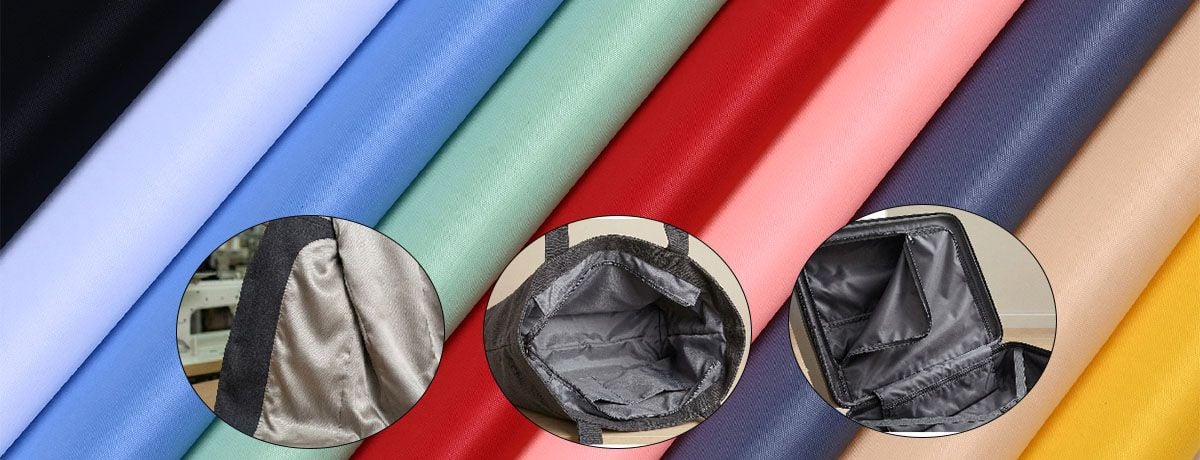
Choosing the right lining fabric is a critical decision in garment and bag manufacturing. The lining affects not only comfort and durability, but also production efficiency and overall cost. Among many lining fabric options, taffeta lining fabric—especially polyester taffeta lining—is widely used due to its smooth texture, lightweight construction, and stable performance.
However, buyers often face confusion when comparing taffeta with other lining fabrics such as cotton lining fabric, rayon lining, bemberg lining, cupro lining, or silk taffeta. This article explains how to choose taffeta fabric for lining, focusing on application, specification matching, and bulk purchasing, to help B2B buyers make confident decisions.
Start with the Purpose: Lining vs Outer Fabric
The first step is to clearly distinguish lining fabric from outer fabric.
Taffeta used for lining is designed to:
-
Sit inside garments or bags
-
Improve wearing comfort and structure
-
Support seams, sleeves, and body shape—see how gripper waistband tape can provide extra grip in waistbands
Unlike outer fabrics used for fashion appearance, taffeta lining fabric prioritizes function, durability, and cost control. This makes it suitable for jackets, coats, skirts, sleeves, and structured garments, rather than decorative outerwear.
Understanding Taffeta as a Lining Fabric
Taffeta fabric is typically a plain woven fabric made from synthetic fibers, most commonly polyester.
Key characteristics of polyester taffeta lining include:
-
Smooth finish and smooth feel against the skin
-
Crisp texture that supports garment shape
-
Wrinkle resistance compared with many natural fibers
-
Stable performance in sewing projects and mass production
Compared with silk taffeta or china silk, polyester taffeta offers much better durability and cost efficiency, making it suitable for large quantities and bulk orders.
Comparing Taffeta with Other Common Lining Fabrics
To choose the best lining, buyers often compare taffeta with alternative materials.
Taffeta vs Cotton Lining Fabric
-
Cotton lining: soft, breathable, but heavier and less wrinkle resistant
-
Taffeta lining: lighter, smoother, better shape retention
Taffeta vs Rayon / Cupro / Bemberg Lining
-
Rayon, cupro, and bemberg lining offer a silky feel and luxurious drape
-
However, they have higher cost and lower durability
-
Taffeta provides a more balanced option for structured garments and industrial production
Taffeta vs Silk Taffeta
-
Silk taffeta is used for bridal dresses, evening gowns, and formal attire
-
Polyester taffeta lining is designed for functional, everyday, and workwear applications, not luxury fashion
Matching Fabric Weight to Garment Requirements
Choosing the correct fabric weight is essential.
-
Lightweight taffeta lining
-
Ideal for jackets, coats, and delicate garments
-
Reduces overall garment weight
-
-
Medium-weight taffeta lining
-
Common choice for wool coats, casual wear, and structured garments
-
Provides better durability and shape
-
Using heavier lining than necessary increases cost and reduces comfort, while overly thin fabric may lack durability.
Texture, Structure & Sewing Performance
High-quality taffeta lining fabric should offer:
-
Smooth texture for comfortable wear
-
Crisp structure to support seams and silhouettes
-
Stable twisted woven construction for easy sewing
These qualities help improve sewing efficiency and reduce defects in large-scale production.
Color, Finish & Design Considerations
Taffeta lining fabric is available in various colors, including printed lining options.
Key considerations include:
-
Consistent color across batches
-
Subtle sheen or matte finish depending on design
-
Compatibility with outer fabrics
For manufacturers producing jackets, coats, skirts, or dresses, color stability is essential for repeat orders.
Cost, Durability & Bulk Purchasing
From a B2B perspective, fabric selection must balance quality and cost.
Polyester taffeta lining offers:
-
Lower cost compared with silk or cupro lining
-
High durability suitable for daily wear garments
-
Stable supply for bulk orders and long-term programs
This makes taffeta one of the best lining fabric options for manufacturers focused on scalability.
Common Mistakes When Choosing Taffeta for Lining
Typical issues include:
-
Choosing lining fabric based only on softness, not structure
-
Selecting silk-like materials with unnecessarily high cost
-
Ignoring durability requirements for daily wear garments
Understanding the role of taffeta as a functional lining fabric helps avoid these mistakes.
MH as a Supplier of Taffeta Fabric for Lining
As an experienced supplier of lining fabrics, MH provides a wide range of taffeta lining fabric solutions for B2B customers. MH supplies polyester taffeta lining in multiple weights, finishes, and colors, suitable for jackets, coats, bags, and structured garments. Explore garment accessories like customizable zippers for your B2B needs.
MH supports manufacturers with:
-
Stable quality for large quantities
-
Consistent specifications for long-term orders
-
Bulk supply in roll form
-
Professional support for lining fabric selection
By working with MH, buyers can source reliable, durable, and cost-effective taffeta lining fabric for industrial production.


Conclusion
Choosing the right taffeta fabric for lining starts with understanding the product’s purpose, structure, and performance requirements. Compared with cotton, rayon, cupro, or silk linings, polyester taffeta lining offers an excellent balance of smooth texture, crisp structure, durability, and cost control.
For B2B buyers producing garments or bags in large quantities, taffeta remains one of the most practical and widely used lining fabric solutions—especially when sourced from experienced suppliers such as MH.
