
How Do B2B Buyers Choose the Right Leather Fabric Material for Different Applications?
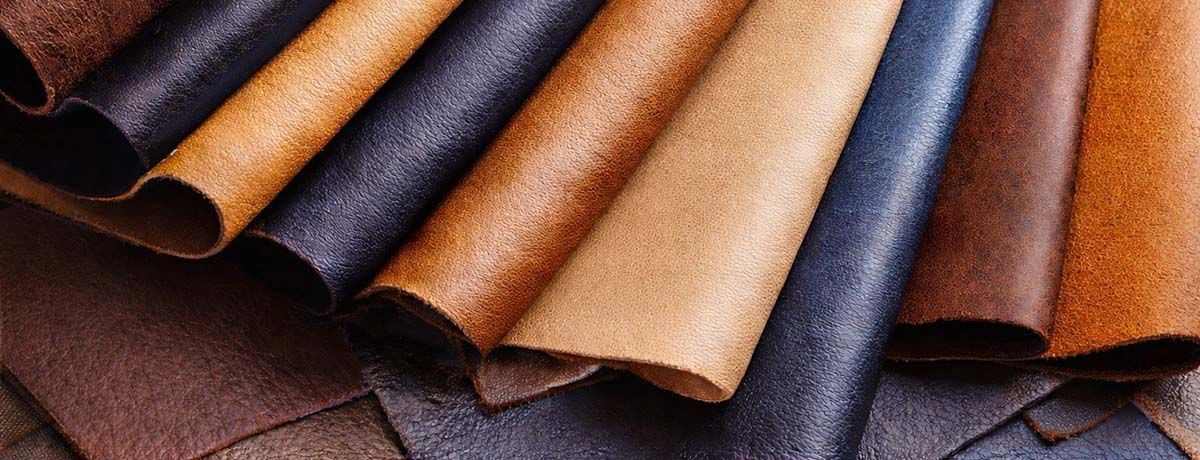
Introduction to Leather Fabric Material
Leather fabric material plays a vital role in industries such as furniture, car interiors, garments, and leather goods. Whether you are sourcing for handbags, jackets, sofas, or automotive upholstery, understanding the different types of leather is essential for making the right purchasing decision.
Leather is an elegant and luxurious group of durable, pliable, and thermal-regulating fabrics. It remains one of the most desirable textile products due to its durability, water-resistance, insulative properties, and luxurious softness.
From genuine leather made from animal hides to synthetic options like artificial leather materials such as PU and PVC, today’s market offers a wide variety of materials with different price points, durability, and performance.
What is Leather Fabric?
Leather fabric refers to materials derived from animal skins (natural leather) or engineered alternatives like synthetic leather, vinyl, and bonded leather.
Main Categories:
-
Genuine leather (real leather) – from animal hide
-
Faux leather / synthetic leather – PU, PVC, microfiber
-
Bonded leather / reconstituted leather – recycled leather fibers
-
Bicast leather – a type of coated split leather with a vinyl or polyurethane coating that mimics genuine grain, but is stiffer than top-grain leather
Key Features:
-
Durable and long-lasting
-
Soft or smooth surface depending on finish
-
The outer layer of leather fabric material determines its appearance, texture, and durability, especially in full-grain and top-grain leather types.
-
Leather develops a patina as it ages, adding character and sheen over time.
-
Available in different textures, grains, and colors
-
Suitable for both fashion and industrial applications
Different Types of Leather Fabric
1. Genuine Leather (Animal Hide Leather)
Made from animal skins such as cowhide or sheepskin, genuine leather is widely used in premium markets.
Types include:
-
Top grain leather – smooth surface, high quality
-
Split leather – lower layer, often used for suede
-
Napped finish (suede leather) – soft texture
The initial steps of leather production involve the removal of hair and other tissues from hides to prepare them for tanning. The hides are then tanned, transforming them into durable leather fabric material.
Applications:
-
Jackets, boots, garments
-
High-end handbags and accessories
-
Luxury furniture and upholstery
2. PU Leather (Faux Leather)
PU leather is a popular synthetic leather alternative that closely matches real leather in appearance.
Features:
-
Soft and flexible
-
More environmentally friendly than PVC
-
Wide variety of styles and colors
Applications:
-
Fashion garments and pants
-
Upholstery and chairs
-
Bags and accessories
3. PVC Leather (Vinyl Leather)
PVC leather (vinyl) is known for its durability and water resistance.
Features:
-
Strong and durable
-
Easy to clean
-
Lower price
Applications:
-
Furniture and sofas
-
Car interiors
-
Industrial and protective use where waterproof Oxford fabric and coated textiles may also be considered
4. Microfiber Leather
A high-performance material that mimics top grain leather.
Features:
-
Excellent durability and tear resistance
-
Breathable and soft
-
Premium feel
Applications:
-
Automotive interiors
-
High-end upholstery
-
Footwear, bags, and luggage goods requiring specialized accessories
5. Bonded Leather (Reconstituted Leather)
Made from leftover leather fibers bonded together.
Features:
-
Lower cost
-
Uniform surface
-
Less durable than genuine leather
Applications:
-
Office chairs
-
Budget furniture using PU-coated and waterproof Oxford fabric alternatives
-
Decorative items
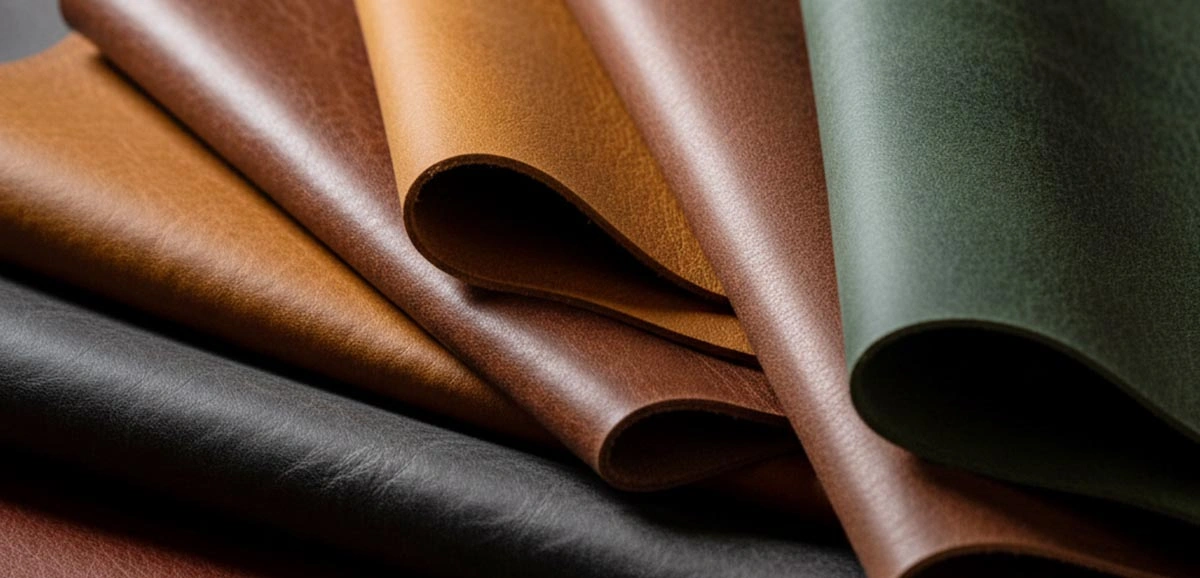
Leather Finishing & Surface Types
Leather fabric can be processed with different finishes to achieve various looks and performance, especially when used as premium upholstery fabric for sofas and furniture:
-
Finished leather – coated for protection
-
Dyed leather – available in multiple colors
-
Embossed grain leather – customized textures
-
Smooth or napped surface – different tactile effects
These finishes enhance durability, water resistance, and visual appeal, making leather suitable for different industries.
Applications of Leather Fabric
Furniture & Upholstery
Leather is widely used in sofas, chairs, and interior decoration due to its durability and easy maintenance.
Automotive Industry
Used in car interiors, requiring resistance to wear, heat, and stains.
Fashion & Garments
Common in jackets, pants, boots, and accessories, combining style with functionality and often paired with high-quality custom zippers for garments and bags.
Bags & Leather Goods
Ideal for handbags, briefcases, and travel bags, offering strength and premium appearance, and sometimes combined with stretch woven polyester spandex fabrics in functional design elements.
Industrial Use
Used in protective clothing and equipment due to resistance to oils, water, and tearing, often alongside PE + SPP coated non-woven protective fabrics.
How to Choose the Right Leather Fabric Material
For B2B buyers, selecting the right material depends on:
1. Application
Different uses require different materials:
-
Furniture → PVC / microfiber
-
Garments → PU / genuine leather
-
Car interiors → microfiber / PVC and other polyester spandex 4-way stretch performance fabrics
2. Durability & Performance
Consider:
-
Tear resistance
-
Surface strength
-
Long-term wear
3. Price Range
-
Genuine leather → higher cost
-
Synthetic leather → more cost-effective
4. Environmental Considerations
-
PU leather is more environmentally friendly
-
Compliance with international standards
5. Customization Options
Look for suppliers offering:
-
Grain and texture options
-
Color matching
-
Thickness and backing choices
Why Choose MH as Your Leather Fabric Supplier
As a professional B2B supplier, MH provides reliable leather fabric solutions for global buyers.
✔ Wide Product Variety
Including PU leather, PVC leather, microfiber leather, bonded leather, and faux leather, as well as durable polyester Mini Matt fabric options
✔ Stable Supply Chain
Strong sourcing network ensures consistent quality and delivery
✔ Global Experience
Serving customers in 150+ countries across furniture, garments, and automotive sectors as part of Ningbo MH’s global garment accessories and fabric network
✔ Strict Quality Control
Each batch is tested for durability, surface quality, and performance
✔ Customization Support
Flexible options in colors, textures, grain, and finishes
✔ B2B-Focused Service
Bulk supply, long-term cooperation, and professional support for leather as well as wholesale chiffon fabric solutions for fashion buyers
Conclusion
Leather fabric material continues to be a key solution across industries thanks to its durability, versatility, and wide range of styles. From genuine leather to synthetic alternatives like PU, PVC, and bonded leather, each type serves different business needs.
For B2B buyers, working with a reliable supplier ensures consistent quality, competitive pricing, and long-term success. You can shop for leather fabric by the yard or in bulk at wholesale prices from Fabric Wholesale Direct. Midwest Fabrics offers a premium collection of leather upholstery fabric that is popular among both professionals and DIY enthusiasts. Additionally, recycled leather fabric is an eco-friendly option that offers a similar look and feel to traditional leather.
Contact MH for Leather Fabric Solutions
Looking for a trusted leather fabric supplier?
-
Get free samples
-
Request the latest catalog
-
Start your bulk order today
👉 Contact MH now to find the right leather fabric for your business.