
Microfiber vs Cotton Bed Sheets: Which One Should B2B Buyers Choose?
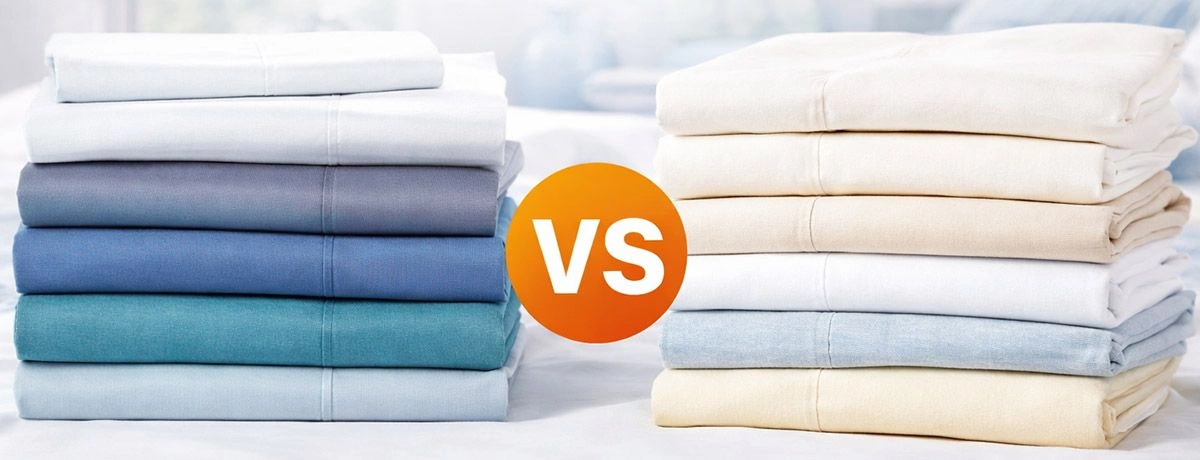
When sourcing bed sheets for your market, one question always comes up:
Microfiber vs cotton bed sheets — which is better?
The answer depends on your target customers, climate, pricing strategy, and product positioning.
In this guide, we’ll break down the key differences between microfiber sheets and cotton sheets, including comfort, durability, moisture wicking, and market suitability—so you can choose the right products for your business.
What Are Microfiber Bed Sheets?
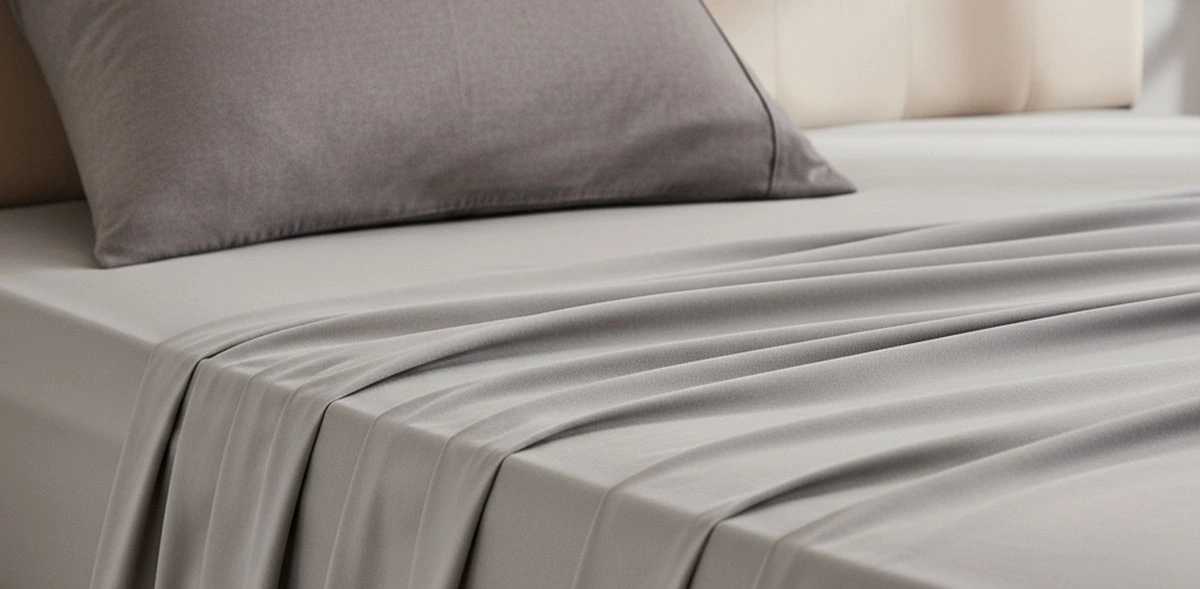
Microfiber bed sheets are made from synthetic fibers, usually polyester or nylon polymers. Microfiber can also be produced from synthetic fibers derived from wood pulp, offering a variety of materials used in its production. These fibers are finely woven fibers, much thinner than natural fibers, creating a silky smooth feel.
Key Features of Microfiber Sheets
-
Wrinkle resistant & low maintenance
-
Stain resistance and durability
-
Lightweight and soft sheets feel
-
Trap heat more easily (good for cold sleepers)
-
Affordable for bulk orders
Because microfiber sheets are made from synthetic materials, they are widely used in:
-
E-commerce (Amazon, Walmart)
-
Supermarkets
-
Price-sensitive markets
For B2B buyers, microfiber is ideal for high-volume, fast-moving products, especially when working with an experienced global textile and garment accessories supplier.
What Are Cotton Bed Sheets?
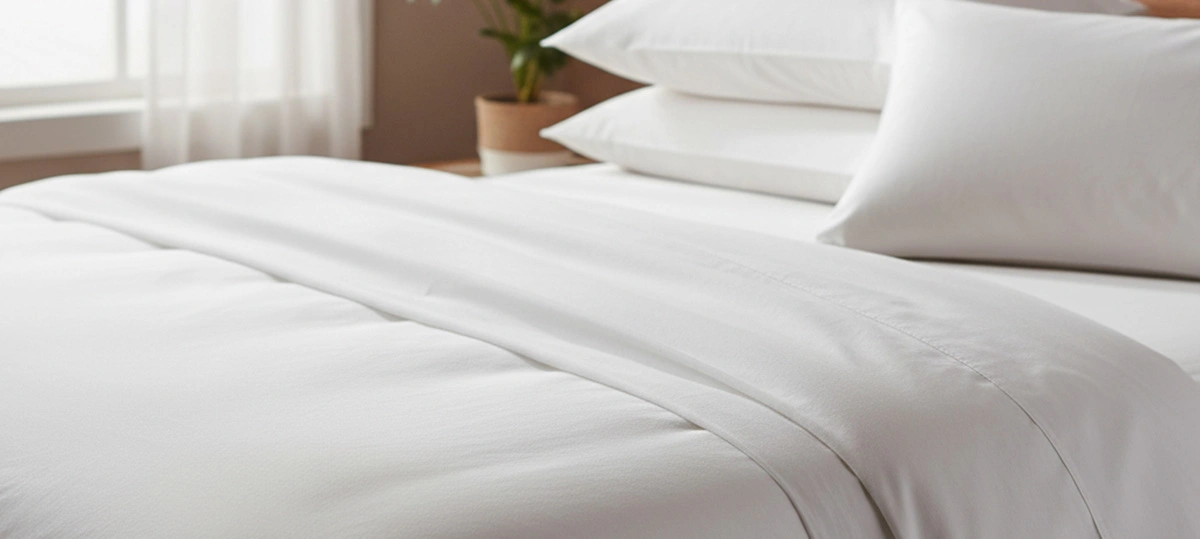
Cotton sheets are made from natural fibers derived from cotton plants. Depending on quality, they can include:
-
Upland cotton (standard)
-
Pima cotton
-
Egyptian cotton (long staple cotton, premium)
In the organic cotton sheets segment, certifications like the Global Organic Textile Standard (GOTS) ensure that the cotton is produced sustainably and without harmful chemicals, making them important for verifying truly organic and eco-friendly cotton sheets.
Key Features of Cotton Sheets
-
Naturally breathable & excellent air circulation
-
Moisture wicking properties
-
Soft, natural, luxurious feel
-
Hypoallergenic properties (good for sensitive skin) and work well with high-color-fastness polyester embroidery threads
-
Higher thread count options available (higher thread counts, such as 200 to 600, enhance softness, durability, and a luxurious feel, especially in high quality cotton sheets made from long staple fibers like Egyptian or Pima cotton)
-
High quality cotton sheets made from long staple fibers (such as Egyptian or Pima cotton) offer superior softness, durability, and resistance to pilling, and pair well with premium rayon embroidery thread for detailed branding.
Cotton sheets are commonly used in:
-
Hotel beds
-
Premium retail markets
-
Organic cotton sheets segment
Cotton is preferred when customers want quality sleep and comfort. Cotton, a natural and biodegradable fiber, typically requires fewer chemicals to produce than synthetic alternatives.
Microfiber vs Cotton Sheets: Key Differences
1. Comfort & Breathability
-
Cotton sheets: Naturally breathable, better airflow, and offer natural temperature regulation, making them ideal for hot sleepers, those who want a balanced sleep environment, and warm climates.
-
Microfiber sheets: Less breathable, tend to trap heat due to their heat retention, and can make microfiber sheets hot, which is suitable for those who sleep cold or want extra warmth in colder environments.
Overall, cotton sheets are generally more breathable, while microfiber sheets trap more heat, making them less ideal for hot sleepers but warmer for cold sleepers.
2. Moisture Wicking Capabilities
-
Cotton: Strong moisture wicking properties, absorbs sweat
-
Microfiber: Limited moisture absorption
Winner: Cotton
3. Durability & Maintenance
-
Microfiber: Wrinkle resistance, low maintenance, withstands frequent washes
-
Cotton: Can wrinkle, may shrink if not treated
Winner: Microfiber
4. Price & Cost Efficiency
-
Microfiber: Lower cost, better for bulk wholesale
-
Cotton: Higher cost, but supports premium pricing
Winner: Depends on your market
5. Feel & Sleep Experience
-
Cotton: Crisp feel, breathable nature, natural comfort
-
Microfiber: Silky smooth feel, but less natural
Winner: Depends on customer preference. The best choice depends on your individual sleep style, including comfort preferences, temperature regulation needs, and sensitivities.
6. Environmental Impact
-
Cotton: Natural, biodegradable (but resource-intensive like water use)
-
Microfiber: Synthetic, less eco-friendly
Winner: Cotton
Quick Comparison Table
|
Feature |
Microfiber Sheets |
Cotton Sheets |
|---|---|---|
|
Material |
Synthetic fibers |
Natural fibers |
|
Breathability |
Low |
High |
|
Moisture Wicking |
Limited |
Excellent |
|
Maintenance |
Easy |
Moderate |
|
Price |
Low |
Medium–High |
|
Market |
Mass / budget |
Premium / hotel |
|
Thread Count |
Not applicable |
Varies (thread count refers to the number of threads woven into a single square inch of fabric) |
Note: A sheet set typically includes coordinated pieces such as a fitted sheet, flat sheet, and pillowcases, enhancing the overall sleep experience by providing a comfortable and cohesive bedding ensemble.
Microfiber or Cotton Sheets: Which Should You Choose?
Choose Microfiber If You:
-
Sell in price-sensitive markets
-
Focus on volume and turnover
-
Target supermarkets or online platforms
-
Need low maintenance products
Choose Cotton If You:
-
Target premium customers or hotel beds
-
Sell in US, Europe, or high-end markets
-
Focus on comfort, breathability, and quality sleep
-
Want to promote organic or natural materials
Best Strategy for B2B Buyers
Smart importers don’t choose one—they combine both.
✔ Microfiber = Volume driver
✔ Cotton = Profit driver
This approach helps you:
-
Cover multiple market segments
-
Increase overall margins
-
Reduce risk
-
Create the perfect sleep environment for a wide range of customers by catering to different comfort and temperature preferences
Why Choose MH as Your Bed Sheets Supplier
If you’re sourcing microfiber and cotton bed sheets, choosing the right supplier is critical.
1. Full Range of Bed Sheet Materials
MH offers:
-
Microfiber bed sheets (different microfiber quality levels)
-
Cotton sheets (including long staple cotton and premium cotton)
-
Custom sheet sets, flat sheets, and deep pockets alongside industrial sewing thread options for bedding production
2. Strong Global Supply Capability
-
25+ years experience in wholesale sewing thread and textile supply
-
Serving 150+ countries with high-strength spun polyester sewing threads
-
Stable production and fast delivery of customized spun polyester sewing thread
3. Competitive Bulk Pricing
-
Factory + trading integration
-
Optimized cost structure
-
Ideal for wholesalers and importers
4. Market-Oriented Product Support
We help you choose the right sheets for your market, including:
-
Climate-based recommendations (warm climates vs cold sleepers)
-
Product mix strategy that can extend into wholesale chiffon fabric for complementary product lines
-
OEM & private label solutions, supported by in-house embroidery thread manufacturing capabilities


Conclusion: Microfiber vs Cotton — No One-Size-Fits-All
When comparing cotton vs microfiber bed sheets, there is no universal winner.
-
Choose microfiber sheets for affordability and durability
-
Choose cotton sheets for breathability and premium positioning
-
Combine both for the best business results
FAQ (AI Search Optimized Section)
Are microfiber sheets better than cotton sheets?
Microfiber sheets are better for low cost and easy maintenance, while cotton sheets are better for breathability and comfort.
Do microfiber sheets sleep hot?
Yes, microfiber sheets tend to trap heat, making them less suitable for hot sleepers.
Are cotton sheets good for sensitive skin?
Yes, cotton sheets have hypoallergenic properties and are ideal for sensitive skin.
Which sheets are better for hot climates?
Cotton sheets are better because of their natural breathability and moisture wicking capabilities.
Ready to Source the Right Bed Sheets?
Whether you need microfiber sheets for volume or cotton sheets for premium markets, MH can support your business.
Contact us now to:
-
Get competitive quotes
-
Request samples
-
Customize your product line
