
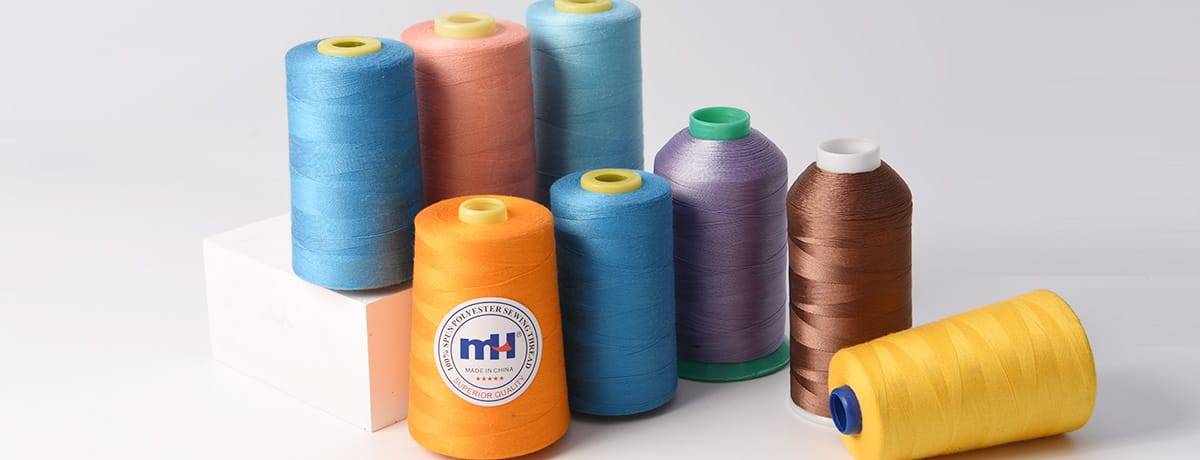
Polyester threads are one of the most widely used materials in modern sewing, embroidery, quilting, and machine sewing. Whether you are working in garment manufacturing, home décor, or industrial production, choosing the right thread can directly impact your final product quality. Polyester threads are available in a wide variety of vibrant colors that retain their hue over time, making them ideal for decorative stitching.
Have you noticed the variety of polyester thread finishes and appearances available? Different treatments and finishes of polyester threads give them completely different uses and appearances, allowing you to select the perfect thread for your specific project needs.
These threads are suitable for both hand and machine sewing techniques, making them a must-have for any sewist’s toolkit. Polyester threads are a great choice for a wide range of sewing applications due to their versatility and excellent quality.
In this guide, we’ll break down everything B2B buyers need to know about polyester sewing thread, including types, applications, durability, and how to choose the right supplier. Polyester threads are easy to work with, providing reliable results with minimal fuss, which is beneficial for both beginners and experienced sewers. Their ease of use ensures a smooth, effortless sewing experience, as the threads glide through fabrics, reduce tangles, and simplify quilting and stitching tasks. Polyester retains color through repeated washing and resists fading from UV light better than natural fibers. Additionally, polyester produces significantly less lint than cotton, which helps keep sewing machine tension mechanisms cleaner and reduces maintenance.
Polyester thread does not shrink when washed or dried and is highly resistant to mildew, mold, and rot, making it ideal for outdoor projects.
What Are Polyester Threads?
Polyester threads are synthetic sewing threads made from polyester fiber, designed for strength, smooth performance, and long-lasting durability.
They are commonly used in:
Sewing machines
Embroidery machines
Serger and overlock machines
Appliqué machines
Decorative stitching and quilting
Polyester threads can be used on all regular sewing, piecing, appliqué, and serger machines.
Why Polyester Threads Are So Popular
Strong and durable (resistant to breaking)
Smooth performance in high-speed machine sewing
Excellent color consistency
Suitable for a wide variety of fabrics (including leather and synthetic fabrics)
Ideal for both hand sewing and automated production
Polyester threads are engineered to be strong, making them perfect for high-wear items, upholstery, and leather work. Polyester thread is highly versatile, durable, and cost-effective, offering superior strength and colorfastness compared to cotton or rayon.
This makes polyester thread a versatile and reliable choice for global B2B buyers.
Main Types of Polyester Threads
Understanding different types helps you choose the best option for your specific application. For example, manufacturers often choose 100% spun polyester sewing threads in bulk for general-purpose garment production. Selecting the appropriate bobbin for different types of polyester threads and projects is essential, as pairing matching bobbin threads with top threads ensures optimal tension and smooth stitching for high-quality sewing results.
1. Spun Polyester Thread
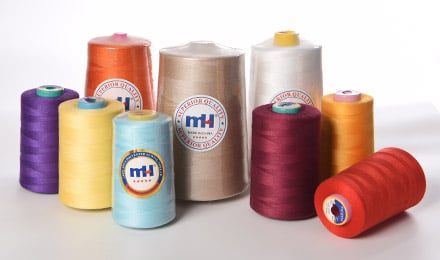
Spun polyester thread is made from short fibers, giving it a natural, cotton-like appearance. Best for:
Advantages:
|  |
2. Polyester Filament Thread
This thread is made from continuous filament fibers, offering a smoother and stronger structure, and specialized versions like 120D/2 polyester embroidery thread are widely used for high-speed embroidery production.
Best for:
Machine sewing
High-speed sewing machines
Leather and heavy fabrics
Advantages:
High strength
Smooth finish
Reduced lint for better machine performance
Enhanced multi-filament polyester is designed for ultra-strength and is best used for heavy-duty sewing.
Trilobal polyester is a shiny thread that reflects light better than round threads, making it ideal for decorative stitching and embroidery where the thread is meant to be showing. The word 'trilobal' refers to the thread's three-sided shape, which increases its shiny, reflective qualities and enhances its decorative potential in embroidery and quilting. In contrast, monofilament thread is used when you want to sew something without the thread showing.
3. Core Spun Polyester Thread
Core spun thread combines a filament core with a spun outer layer.
Best for:
High-quality garments
Decorative stitching
Apparel requiring both strength and aesthetics
Advantages:
Strong core + soft outer texture
Balanced performance
Cotton wrapped poly thread is a type of polyester thread with a polyester core wrapped in cotton fiber. This construction combines the benefits of both materials, offering the strength and ease of polyester with the natural look and feel of cotton. Cotton wrapped poly thread is especially valued for quilting and general sewing where both durability and a natural appearance are desired.
Corespun polyester consists of a high-tenacity polyester filament core wrapped in polyester staple, providing superior strength.
4. High Tenacity Polyester Thread
This type is engineered for extreme strength and durability.
Best for:
Industrial sewing
Bags, safety gear, and heavy-duty products where 20s/6 polyester sewing thread for bags is commonly specified
Advantages:
Maximum strength
Long-lasting durability
5. Textured Polyester Thread
Textured thread is designed for elasticity and softness.
Best for:
Sportswear
Underwear
Stretch fabrics
Advantages:
Flexible
Comfortable
Ideal for dynamic sewing applications
Applications of Polyester Sewing Thread
Polyester threads are used across multiple industries due to their versatility:
Garments & Fashion
Shirts, uniforms, denim
Embroidery and decorative stitching
Home Décor
Curtains, napkins, upholstery
Quilting and piecing projects
Industrial Use
Bags, luggage
Automotive interiors
Technical fabrics that often require carefully selected industrial sewing thread types to balance strength, durability, and machine performance
👉 Whether for small sewing projects or large-scale manufacturing, polyester thread delivers consistent results.
How to Choose the Right Polyester Thread
For B2B buyers, selecting the right thread is critical to avoid production issues. The size of the polyester thread is important, as it affects the thickness, appearance, and performance of the stitched project.
Key Factors to Consider
1. Fabric Type
Light fabric → spun thread
Heavy fabric → filament or high-tenacity thread
2. Machine Compatibility
High-speed sewing machines require smooth, low-friction thread
3. Strength & Durability
Choose strong threads to prevent breaking during sewing
4. Application
Decorative stitching → smoother thread
Industrial use → stronger thread
5. Color & Variety
Wide color selection ensures better product matching
👉 The right choice improves efficiency, reduces downtime, and enhances final product quality.
Why Work with a Reliable Supplier Like MH
Choosing the right supplier is just as important as choosing the right thread, which is why many buyers look for partners like Ningbo MH, a leading garment accessories provider.
About MH
Ningbo MH is a global supplier of garment accessories, serving customers in over 150 countries with stable production capacity and strong supply chain support.
MH Polyester Thread Advantages
Full range: spun, filament, core spun, textured threads backed by MH’s wholesale sewing thread solutions
Consistent quality across bulk orders
Wide variety of colors and sizes
Strong durability and smooth sewing performance
Suitable for garments, embroidery, quilting, and industrial use
For B2B Buyers
Wholesale supply only
Flexible MOQ
Fast response and quotation
One-stop sourcing for sewing thread, 40/2 spun polyester thread, chiffon fabric, and accessories such as wholesale chiffon fabric for dresses and scarves
👉 MH helps you reduce sourcing risk and improve supply chain stability.
Conclusion
Polyester threads remain the top choice for sewing, embroidery, and industrial applications thanks to their strength, durability, and versatility.
By understanding different types and applications, B2B buyers can:
Improve production efficiency
Reduce machine issues
Deliver better product quality
Looking for a Reliable Polyester Thread Supplier?
If you’re sourcing polyester sewing thread in bulk, MH is ready to support your business.
👉 Contact us today.